
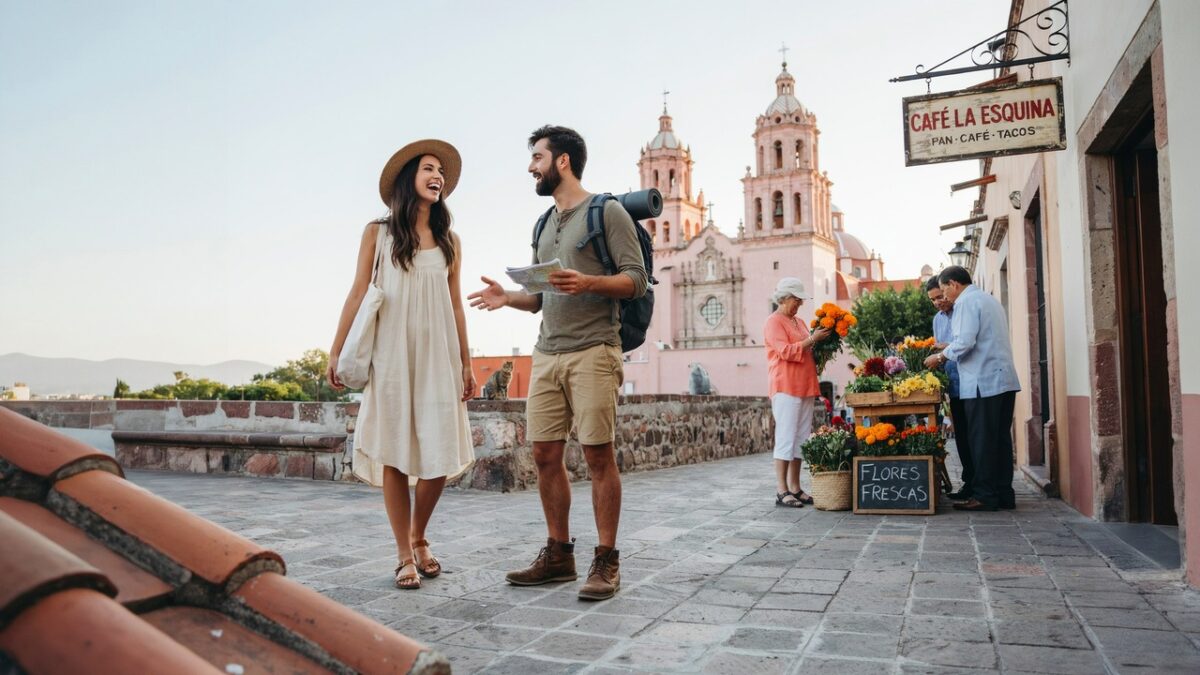
Image generated with Ai
Mexico has achieved a major milestone in global tourism, strengthening its position as one of the world’s most influential travel destinations. The latest Mexico travel update reveals that the country ranked fourth worldwide in both direct Travel & Tourism contribution to GDP and leisure travel spending in 2025, following only the United States, China and Germany. Mexico’s tourism sector recorded an estimated US$149.4 billion in direct Travel & Tourism economic contribution, becoming the only Latin American country among the global top 10 in both categories.
The achievement reflects the growing power of Mexico’s diverse tourism offering, from the Caribbean beaches of Quintana Roo and luxury resorts of Los Cabos to ancient Mayan cities, cultural destinations, culinary experiences and adventure landscapes. The country is proving that its tourism strength extends far beyond traditional beach holidays, creating a powerful global travel identity built around culture, nature and hospitality.
Advertisement
The latest Mexico travel update highlights how the country has transformed into a complete travel destination by combining natural beauty, cultural heritage and world-class tourism infrastructure.
Mexico’s tourism success is built on its extraordinary diversity. Travellers can experience Caribbean coastlines, Pacific beaches, colonial cities, ancient archaeological sites, desert landscapes, mountain regions and internationally recognised culinary traditions within one country.
Advertisement
The modern traveller increasingly seeks destinations that provide multiple experiences rather than a single attraction. Mexico benefits from this trend by offering different styles of travel, including luxury beach escapes, cultural journeys, adventure holidays, wellness retreats and food-focused experiences.
The country’s tourism growth has also strengthened employment, investment and regional development, making travel one of Mexico’s most important economic sectors.
Mexico’s rise to fourth place was driven by the enormous economic contribution generated by its Travel & Tourism industry.
According to World Travel & Tourism Council data, Mexico’s direct Travel & Tourism contribution reached approximately US$149.4 billion in 2025, placing it behind only the United States, China and Germany.
The country also achieved fourth place globally in leisure travel spending, showing its continued popularity among international holidaymakers.
This performance reflects the strength of multiple tourism sectors working together, including hotels, resorts, restaurants, airports, entertainment attractions, cruise tourism, cultural sites and local tourism businesses.
The ranking demonstrates that Mexico’s tourism success is not dependent on one destination. Instead, it is supported by a nationwide network of experiences that attract different types of travellers throughout the year.
Quintana Roo remains one of the strongest drivers behind Mexico’s global tourism performance.
Located along the Caribbean coast of the Yucatán Peninsula, the state includes some of Mexico’s most famous destinations, including Cancún, Playa del Carmen, Tulum and Cozumel.
The region combines several tourism advantages, including:
World-famous beaches.
Luxury resorts.
Mayan archaeological treasures.
Marine adventures.
International air connectivity.
Cancún continues to serve as one of the world’s leading beach destinations, attracting visitors with its turquoise waters, extensive hotel infrastructure and access to cultural attractions.
The Riviera Maya has expanded beyond traditional sun-and-sand tourism by developing eco-tourism, wellness retreats, adventure experiences and heritage travel opportunities.
The region’s success demonstrates how Mexico has evolved from a beach destination into a more complete international tourism experience.
Cancún remains one of Mexico’s strongest international tourism gateways, especially for visitors seeking Caribbean experiences.
The destination is recognised for its white-sand beaches, luxury resorts, nightlife, shopping areas and water-based activities.
Travellers visiting Cancún can enjoy experiences beyond the resort zones by exploring nearby attractions.
Chichén Itzá remains one of the world’s most famous archaeological destinations, offering visitors insight into the ancient Mayan civilisation.
Isla Mujeres attracts travellers with beaches, marine experiences and relaxed island landscapes.
The Yucatán Peninsula’s cenotes provide unique natural experiences through freshwater swimming areas surrounded by underground geological formations.
Cancún’s strong international airport connectivity continues supporting Mexico’s position as a leading global holiday destination.
While coastal destinations remain central to Mexico’s tourism identity, the country is increasingly attracting travellers seeking culture, history and authentic experiences.
Mexico City has developed into a major global city destination with world-class museums, historic neighbourhoods, architecture, food experiences and cultural events.
The city’s historic centre provides visitors with centuries of heritage, while neighbourhoods such as Roma and Condesa showcase modern Mexican creativity.
Oaxaca has become increasingly popular among travellers interested in indigenous culture, traditional cuisine and colourful festivals.
Colonial destinations including San Miguel de Allende, Guanajuato and Mérida offer historic architecture, local traditions and distinctive cultural experiences.
This expansion beyond beaches is helping Mexico attract a broader range of international visitors.
Mexico’s ancient civilisations remain among the country’s most powerful tourism assets.
Mayan, Aztec and indigenous cultures continue attracting visitors interested in history, archaeology and traditional knowledge.
Major heritage destinations include Chichén Itzá in Yucatán, Teotihuacán near Mexico City, Palenque in Chiapas and Uxmal in Yucatán.
These locations allow travellers to explore ancient architecture, historic landscapes and cultural traditions that have shaped Mexico’s identity.
Beyond archaeological attractions, Mexico’s living culture continues attracting visitors through traditional festivals, handmade crafts, regional cuisine, music and community-based tourism experiences.
The combination of ancient heritage and modern hospitality gives Mexico a unique position in global tourism.
Mexico has become one of the world’s strongest luxury travel destinations through premium resorts, exclusive experiences and personalised hospitality.
Destinations including Los Cabos, Riviera Maya and Punta Mita have developed sophisticated luxury tourism markets.
High-end travellers are attracted by private beachfront resorts, luxury villas, wellness programmes, golf experiences, fine dining and yacht activities.
The growth of luxury tourism reflects changing traveller expectations, with visitors increasingly searching for privacy, authenticity and customised experiences.
Mexico’s ability to combine natural beauty with premium services has strengthened its appeal among high-value international travellers.
Strong air connectivity remains one of Mexico’s biggest tourism advantages.
Major gateways including Cancún International Airport, Mexico City International Airport, Los Cabos International Airport and Guadalajara International Airport connect the country with travellers from North America, Europe and other global regions.
Mexico’s geographic position between North and South America also provides a strategic advantage, allowing it to serve as a major tourism hub.
Improved connectivity helps travellers access both major cities and resort destinations while supporting business, leisure and international tourism growth.
The latest Mexico travel update shows that the country is entering a new era of tourism growth.
Although destinations such as Cancún and Riviera Maya remain extremely popular, Mexico’s future tourism strength will increasingly come from cultural exploration, sustainable travel, adventure experiences and regional discoveries.
Travellers can experience multiple sides of Mexico within a single journey, from Caribbean relaxation and Pacific coast adventures to historic cities and culinary traditions.
The country’s future challenge will be maintaining growth while protecting natural resources, cultural heritage and local communities.
Mexico ranked fourth worldwide in direct Travel & Tourism contribution to GDP and leisure travel spending in 2025.
The countries ranked above Mexico were the United States, China and Germany.
Quintana Roo, including Cancún and Riviera Maya, plays a major role because of international beach tourism, luxury resorts and cultural attractions.
Mexico offers beaches, archaeological sites, cultural cities, food tourism, adventure travel, wellness experiences and luxury holidays.
Yes. Mexico attracts families, luxury travellers, adventure seekers, culture enthusiasts and wellness visitors.
The latest Mexico travel update confirms that Mexico has become one of the world’s most powerful tourism economies. Its fourth-place global ranking reflects the strength of a diverse travel industry built on beaches, heritage, culture, luxury hospitality and international connectivity.
From the Caribbean coastline of Quintana Roo and the luxury resorts of Los Cabos to the historic streets of Mexico City and the ancient wonders of Mayan civilisation, Mexico continues offering travellers extraordinary variety.
The country’s success is not based on one destination alone. It comes from a nationwide tourism ecosystem that combines natural landscapes, cultural treasures, modern infrastructure and unforgettable experiences.
As travellers increasingly search for meaningful journeys rather than simple holidays, Mexico is positioned to remain one of the world’s most compelling destinations, offering visitors opportunities to relax, explore, discover and connect with one of the world’s richest cultures.
Advertisement
Tags: Cancún, los cabos, mexico, Mexico City, Oaxaca
Advertisement
Advertisement













Sunday, September 6, 2026

Sunday, September 6, 2026

Sunday, September 6, 2026
Sunday, September 6, 2026
Saturday, September 5, 2026
Saturday, September 5, 2026

Sunday, September 6, 2026
Saturday, September 5, 2026



