
Oslo Aligns Zurich and Other European Places Drawing European Tourists as Rising Travel Costs Favour Shorter Getaways

Published
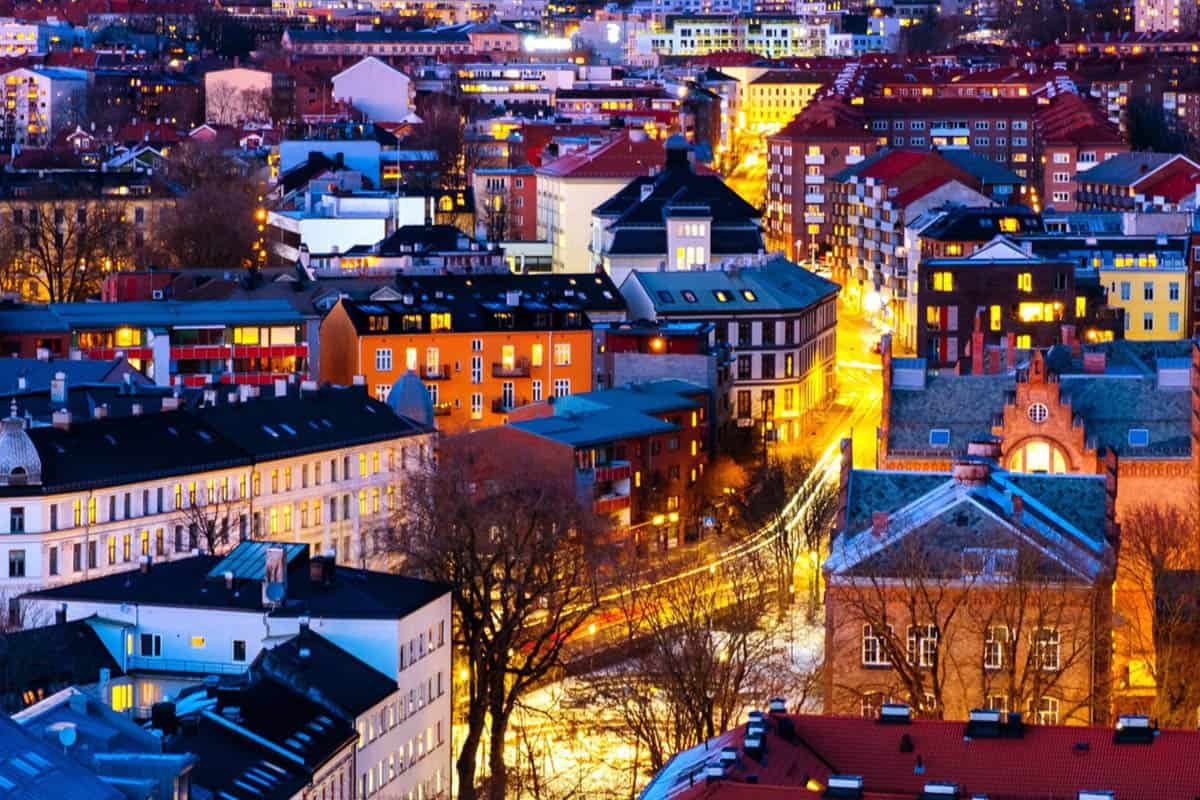
The landscape of continental tourism is undergoing a massive transformation, with European short getaways becoming the dominant trend for travellers navigating rising inflation and unprecedented climate shifts. As of October 2026, official data from the European Travel Commission indicates a definitive pivot away from traditional fortnight holidays towards condensed, high-value trips. Driven by escalating travel costs and new sustainability policies, tourists are increasingly favouring destinations like Oslo, Zurich, Geneva, and Reykjavik over crowded Southern European hotspots. This shift not only reflects evolving consumer priorities but also highlights how macroeconomic pressures are fundamentally reshaping regional tourism economies across the continent today.
The Structural Shift in European Tourism Metrics During 2026
Analysing the Pre- and Post-Pandemic Baselines
The global travel architecture has fundamentally evolved since the disruptions of the early 2020s. According to definitive data released by UN Tourism, Europe welcomed an unprecedented 793 million international tourists in 2025, a landmark figure representing a 6% increase over the pre-pandemic baseline of 2019. However, while the aggregate volume of travellers has surged, the internal composition of these trips has drastically altered. By October 2026, national statistics offices across the continent, alongside the World Travel & Tourism Council (WTTC), confirm a structural divergence from historical holiday patterns. Historically, the European tourism economy relied heavily on the traditional fortnight-long summer holiday, predominantly focused on the Mediterranean basin. Today, the demographic focus has shifted entirely towards condensed, highly efficient travel.
Advertisement
Advertisement
The Ascendancy of European Short Getaways
Official reports from the European Travel Commission (ETC) Wave 24 domestic and intra-European sentiment analysis, covering up to Q3 2026, vividly illustrate this transformation. For the first time, statistical intersections show that trips lasting between four and six nights have surged to dominate the market, capturing 38% of all planned European holidays. Simultaneously, the intention to book traditional extended holidays of seven to twelve nights has contracted significantly by five percentage points, falling to 37%. This data unequivocally positions European short getaways as the primary engine of the continent’s tourism economy. The pivot toward condensed itineraries is a rational consumer response to compounding economic realities, allowing travellers to maintain frequency and quality without committing to the extensive financial exposure of a long-duration stay.
Macroeconomic Drivers: Inflation, Budgets, and Rising Costs
The Impact of Eurozone Inflation on Tourism Spending
The transition towards shorter itineraries cannot be accurately analysed without examining the broader macroeconomic environment. Throughout 2026, the European Central Bank (ECB) and the Organisation for Economic Co-operation and Development (OECD) have reported that while headline inflation has stabilised globally, core services inflation remains persistently rigid. The hospitality, aviation, and local transport sectors have naturally passed these elevated operational costs—driven by energy prices, sustainable aviation fuel mandates, and increased labour wages—directly to the consumer. Consequently, the daily cost of travelling within Europe has reached historic highs, forcing a permanent alteration in consumer booking behaviour.
Advertisement
Advertisement
Strategic Reallocation of Traveller Budgets
The ETC’s 2026 financial metrics reveal a highly strategic recalibration of consumer spending. The proportion of European travellers operating with a strict budget of up to €1,000 has notably increased by 6%. Conversely, the demographic planning to spend over €1,500 has decreased by 9%. Faced with these strict budgetary ceilings and rising daily operational costs, travellers are universally opting to reduce the length of their trips rather than downgrade the quality of their accommodation or experiences. By participating in European short getaways, tourists can allocate their €1,000 budgets effectively over four days, enabling a high Average Daily Rate (ADR) spend that grants access to premium city-centre hotels and high-end gastronomy. This financial pragmatism ensures the traveller retains a high-value experience while remaining firmly within their macroeconomic limits.
Evaluating the “Heading North” Trend Through Official Statistics
Climate Reality and Destination Substitution
Beyond economic pressures, climate change has profoundly influenced European travel logistics in 2026. The phenomenon officially dubbed “Heading North” or “coolcationing” is now entirely visible in official booking data. Following successive years of extreme heatwaves, critical water shortages, and related infrastructure failures in traditional Southern European hotspots, consumer risk assessments have shifted permanently. The ETC confirms that a majority of European travellers now actively factor severe weather into their destination choices. As a result, temperate northern and central climates are experiencing unprecedented surges in demand from international arrivals.
Advertisement
Advertisement
Iceland’s Strategic Position in the 2026 Market
Reykjavik stands as a prime beneficiary of this climatic and economic shift. Official data from the Icelandic Tourist Board highlights an 11% year-on-year growth in actual bookings for 2026. Iceland has strategically positioned itself as the ultimate destination for European short getaways. The national aviation infrastructure is explicitly designed to facilitate high-impact, short-duration stopovers and weekend breaks. Given the high baseline cost of living in Iceland, a four-day itinerary is the optimal duration for most European budgets, allowing tourists to explore the Golden Circle, geothermal spas, and urban cultural sites before the compounding costs of a long stay become prohibitive.
Norway’s Surging Appeal and Sustainable Urbanity
Similarly, Norway has witnessed a massive 31% surge in travel interest according to the latest Amadeus and ETC metrics. Oslo has effectively capitalised on the demand for sustainable, cooler climates. Innovation Norway and the Oslo municipal government have heavily invested in positioning the capital as a sophisticated, green urban centre. With immediate access to both cutting-edge cultural institutions—such as the National Museum and Munch Museum—and pristine natural fjords, Oslo perfectly caters to the condensed itinerary of the modern traveller. Visitors can experience a profound environmental and cultural shift within a brief 72-hour window, making it a highly efficient use of their travel budget.
Central Europe as the Premium Short-Stay Hub
Switzerland’s Economic Resilience and Tourism Yield
While Northern Europe captures the climate-driven market, Central Europe—specifically Switzerland—is dominating the premium short-stay demographic. Despite the historic strength of the Swiss Franc, Switzerland Tourism reports exceptional performance in 2026. Amadeus Travel Intelligence data indicates a remarkable 36% increase in search growth for Swiss destinations. This is primarily driven by travellers aged 46 to 65, a demographic that accounts for roughly 30% of European travel demand and possesses higher disposable income, prioritising safety, exceptional public infrastructure, and pristine environments.
Zurich: From Financial Centre to Cultural Retreat
Zurich has successfully transitioned its global image from a strict financial hub to a premier lifestyle destination ideal for European short getaways. The city offers a highly concentrated, immaculate urban experience. Travellers can utilise the flawlessly integrated Swiss Travel System to move from the airport to the city centre in minutes. Within a three-day itinerary, visitors can explore the Kunsthaus, engage in high-end retail on the Bahnhofstrasse, and partake in urban swimming in Lake Zurich. The high daily cost is offset by the brevity of the stay, allowing tourists to experience undisputed luxury without the financial fatigue of a prolonged vacation.
Geneva: Lakefront Luxury and Diplomatic Tourism
Geneva echoes this success, leveraging its diplomatic heritage and lakefront geography. The Geneva Tourism Board has focused on marketing the city’s extreme accessibility and high-end wellness infrastructure. For European professionals seeking a restorative weekend, Geneva offers immediate access to the Alps and unparalleled culinary scenes. Both Zurich and Geneva demonstrate that high-cost destinations can thrive in the current economic climate by perfectly aligning their offerings with the high-yield, short-duration travel model.
Southern Europe’s Overtourism and Legislative Backlash
Municipal Interventions in Spain and Italy
The ascendancy of Oslo, Zurich, Geneva, and Reykjavik is simultaneously propelled by aggressive legislative actions in Southern Europe aimed at curbing mass tourism. As of late 2026, multiple national and municipal governments across the Mediterranean have implemented stringent policies to manage infrastructural strain and local housing crises. The Barcelona municipal government announced the total phase-out of over 10,000 short-term tourist apartments by 2028. This deliberate reduction in accommodation supply inherently drives up nightly rates and limits accessibility for extended stays. In Italy, Venice successfully instituted and expanded its municipal entry fee, directly penalising excessive daily footfall while attempting to extract higher value from visitors.
Advertisement
Advertisement
Taxation and Capacity Caps in Greece and Portugal
Similar legislative friction is evident elsewhere. Greece has responded to the pressures on its capital by enforcing a moratorium on new short-term rental licenses in central Athens and introducing a heightened €8 per night climate resilience fee during peak seasons. Portugal’s capital, Lisbon, has heavily increased its municipal tourist tax to €4 per night. While these policies are necessary for local environmental and social sustainability, they act as a financial deterrent for extended holidays.
The Displacement Effect on Traveller Itineraries
The cumulative effect of these taxes, fees, and capacity limits is widespread geographic displacement. When faced with compounded daily taxes, restricted accommodation availability, and intense crowding, the modern European tourist recalculates their value proposition. The economic hostility of traditional mass-market destinations pushes them towards the welcoming, well-managed environments of the north and central regions. Consequently, European short getaways to alternative destinations like Geneva or Oslo are no longer viewed merely as secondary choices, but as the primary, financially logical preference for the discerning 2026 traveller.
Analyzing Travel Budgets and Consumer Demographics
Generational Shifts in Holiday Planning
Demographic data from the European Union statistical office (Eurostat) and UN Tourism highlights clear generational divides in how travel is consumed in 2026. Millennials and Generation Z exhibit a distinct preference for high-frequency, low-duration travel. Rather than allocating their entire annual leave and budget to a single, high-risk fortnight holiday, these younger cohorts prefer to execute four to six European short getaways throughout the fiscal year. This allows for diverse cultural consumption, ranging from a winter weekend in Reykjavik to an autumn cultural tour in Zurich, spreading financial exposure and effectively mitigating travel fatigue.
The Impact of Remote Work on Short Breaks
Furthermore, the structural integration of remote and hybrid work models has permanently altered traditional travel timelines. The concept of “flexcation” or “bleisure” (business and leisure) is completely embedded in the 2026 European workforce. Employees frequently extend corporate travel into personal weekends, or leverage remote work Fridays and Mondays to facilitate four-day excursions without depleting their official annual leave. This flexibility directly fuels the demand for shorter getaways, ensuring that European transport hubs maintain consistent, high-volume traffic outside of traditional peak summer months and strict weekend boundaries.
The Squeeze on Mid-Tier Expenditures
Concurrently, the traditional mid-tier travel market is experiencing a severe squeeze. Travellers are actively rejecting average, overpriced experiences in saturated markets. Instead, they operate on a barbell spending strategy: heavily restricting transport costs through budget airlines, but spending aggressively on premium, unique experiences upon arrival. Short getaways perfectly facilitate this spending model, concentrating the budget into a 48 to 72-hour window of intense, high-quality consumption.
Transport and Aviation Metrics Validating the Shift
IATA and Regional Carrier Performance
The International Air Transport Association (IATA) and specific European aviation authorities report operational adjustments that directly reflect the dominance of European short getaways. Airlines are increasingly moving away from massive hub-and-spoke dependencies to offer highly profitable, direct point-to-point routes connecting secondary European cities with major cultural capitals. For example, Scandinavian Airlines (SAS) has documented a robust 10% increase in passenger loads specifically targeting Northern destinations. Route networks have been heavily optimised for Thursday evening departures and Sunday late-night returns, catering precisely to the short-break demographic.
Advertisement
Advertisement
The Rise of High-Speed Rail Networks
Simultaneously, the European Commission’s push for sustainable transport has resulted in a renaissance for cross-border high-speed rail. The expansion of networks connecting France, Germany, and Switzerland allows travellers to bypass airport logistics entirely. Direct high-speed connections into Zurich and Geneva drastically reduce travel friction, making these cities even more attractive for short-duration stays. When door-to-door transit time is reduced to mere hours without the necessity of airport security lines, the viability of a two-day or three-day international getaway increases exponentially.
Integrating Airport Logistics for Short Stays
For destinations reliant on aviation, such as Iceland, airport logistics have been hyper-optimised. Keflavik International Airport in Reykjavik has streamlined its transit, customs, and onward ground transportation to ensure zero wasted time for arriving tourists. When executing European short getaways, efficiency is a primary currency; destinations that can move a tourist from the arrival gate to a city-centre attraction in under an hour secure a massive competitive advantage in the 2026 market.
Economic Implications and Destination Management
Revenue Per Available Room (RevPAR) Dynamics
The pivot towards shorter itineraries has forced the European hospitality sector to adapt its revenue models. According to leading industry analytics platforms and national hotel associations, European Revenue Per Available Room (RevPAR) demonstrated a robust 5.9% increase through Q3 2026. This growth is achieved despite the contraction in average length of stay. Hotels in cities like Oslo and Zurich are maintaining profitability through rapid room turnover and by sustaining high Average Daily Rates. Short-stay guests are empirically less price-sensitive on a per-night basis compared to long-stay guests, allowing premium properties to command higher margins.
Sustainable Distribution of Economic Benefits
From a macroeconomic perspective, the rise of European short getaways offers a more sustainable distribution of wealth. Tourists on a compressed schedule exhibit a highly concentrated spend velocity. They are significantly more likely to dine exclusively at local restaurants rather than self-catering, purchase expedited premium attraction passes, and utilise local taxi or ride-sharing networks. This concentrates the economic injection directly into the local service economy, generating robust tax revenues and sustaining local employment without the prolonged infrastructural drain associated with long-term seasonal populations.
Managing Local Sentiments and Public Infrastructure
Furthermore, the short-getaway model aids in managing local public sentiment. The political backlash seen in Southern Europe is largely driven by the overwhelming, continuous presence of mass tourism that displaces residential communities. Conversely, well-managed destinations executing the short-stay model ensure that tourists remain within designated cultural and hospitality zones, generating wealth while maintaining the operational integrity and livability of the city for its permanent residents.
Analyzing the Socio-Economic Shift in Local European Communities
Enhancing Local Retail and Gastronomy
When travellers limit their stays to four or five days, their interaction with the local economy changes fundamentally. Data from the OECD highlights that short-term visitors are significantly more likely to engage with high-end retail and local gastronomy compared to long-term holidaymakers who default to budget conservation. This behavioral shift boosts the gastronomy and retail sectors in cities like Oslo and Geneva, keeping local businesses profitable year-round rather than relying on a short three-month summer spike.
Advertisement
Advertisement
Mitigating the Real Estate Crisis
Furthermore, the shift towards short-term hotel stays rather than extended residential rentals helps alleviate the housing crisis that currently plagues much of the continent. By concentrating tourists in dedicated, officially sanctioned hospitality infrastructure, cities like Zurich and Reykjavik protect their local housing markets, preventing the displacement of permanent residents caused by unverified short-term rental platforms.
Year-Round Employment Stability
Finally, the rise of European short getaways promotes year-round travel, flattening the extreme seasonality curve. This allows the hospitality sector to offer permanent, stable employment contracts rather than relying on precarious seasonal labour, thereby strengthening the foundational European labour market according to reports by the International Labour Organization (ILO).
International Policy and Border Enhancements in 2026
The Implementation of the Entry/Exit System (EES)
A critical logistical development fundamentally supporting the rise of European short getaways is the European Union’s technological overhaul of its border management. By late 2026, the long-anticipated Entry/Exit System (EES) has become fully operational across the Schengen Area. This automated IT system registers non-EU nationals travelling for short stays each time they cross the external borders of European countries. For destinations like Zurich, Geneva, and Reykjavik, this digitisation drastically reduces border friction. The eradication of manual passport stamping expedites transit times, an essential factor for travellers operating on strict 72-hour itineraries.
ETIAS and the Streamlining of Premium Travel
Concurrently, the rollout protocols for the European Travel Information and Authorisation System (ETIAS) mandate that visa-exempt travellers pre-register before arriving in Europe. While this adds a preliminary administrative step, official reports from the European Commission highlight that it vastly enhances continental security and expedites actual physical entry. For high-yield travellers seeking premium short getaways in Switzerland or the Nordic regions, this streamlined, secure border process enhances the appeal of Europe as a safe, highly efficient destination.
Harmonising Continental Logistics
These official border policies harmonise with the economic shifts identified by the ETC and UN Tourism. By ensuring that logistical wait times are minimised, European aviation authorities and national tourism boards can confidently market their cities to global and intra-regional tourists. Ultimately, the frictionless borders of 2026 solidify the structural viability of hopping between temperate, high-value destinations.
The Role of Official Statistics Offices and Data Transparency
Evidence-Based Tourism Governance
The strategic shifts observed in 2026 are heavily reliant on real-time data transparency provided by entities such as Eurostat, the OECD, and national statistical offices. Unlike previous decades where tourism strategies were largely speculative or based on delayed annual reports, modern European destinations utilise predictive analytics to manage tourist flows. The ability to track booking velocities, search surges, and spending patterns allows municipalities to dynamically adjust their marketing and pricing strategies.
Advertisement
Advertisement
Leveraging Data to Prevent Overtourism
By monitoring the precise data regarding European short getaways, cities like Oslo and Geneva can implement highly targeted digital campaigns to fill specific low-occupancy weekends, effectively smoothing out seasonal peaks and troughs. This evidence-based governance ensures that the local infrastructure is never overwhelmed, maintaining the high-quality experience that premium short-stay travellers demand, and solidifying the destination’s reputation in a highly competitive global market.
Future Outlook: The Maturation of the Short-Break Model
Projections for 2027 and Beyond
Looking ahead to the next fiscal year and beyond, official projections from UN Tourism and the WTTC suggest that the fragmentation of the European holiday is permanent. The macroeconomic pressures of inflation, combined with structural shifts in employment flexibility and the escalating realities of climate change, ensure that the traditional multi-week southern summer holiday will continue to lose market share. The travel economy of the late 2020s will be distinctly characterised by agility, sustainability, and high-yield experiences.
Final Alignments with UN Tourism Directives
The ongoing success of destinations like Oslo, Zurich, Geneva, and Reykjavik serves as the definitive blueprint for the future of European travel. By aligning with UN Tourism directives to prioritise “value over volume,” these cities have successfully navigated the complexities of the 2026 travel landscape. Ultimately, the continued dominance of European short getaways will dictate airline route planning, hospitality investments, and municipal legislative frameworks, ensuring a more resilient, evenly distributed, and economically sustainable tourism sector across the entire European continent.
Advertisement
