

Tanzania Tourism Growth Pushes Serengeti-Zanzibar Trips Towards Higher-Value Travel

Published
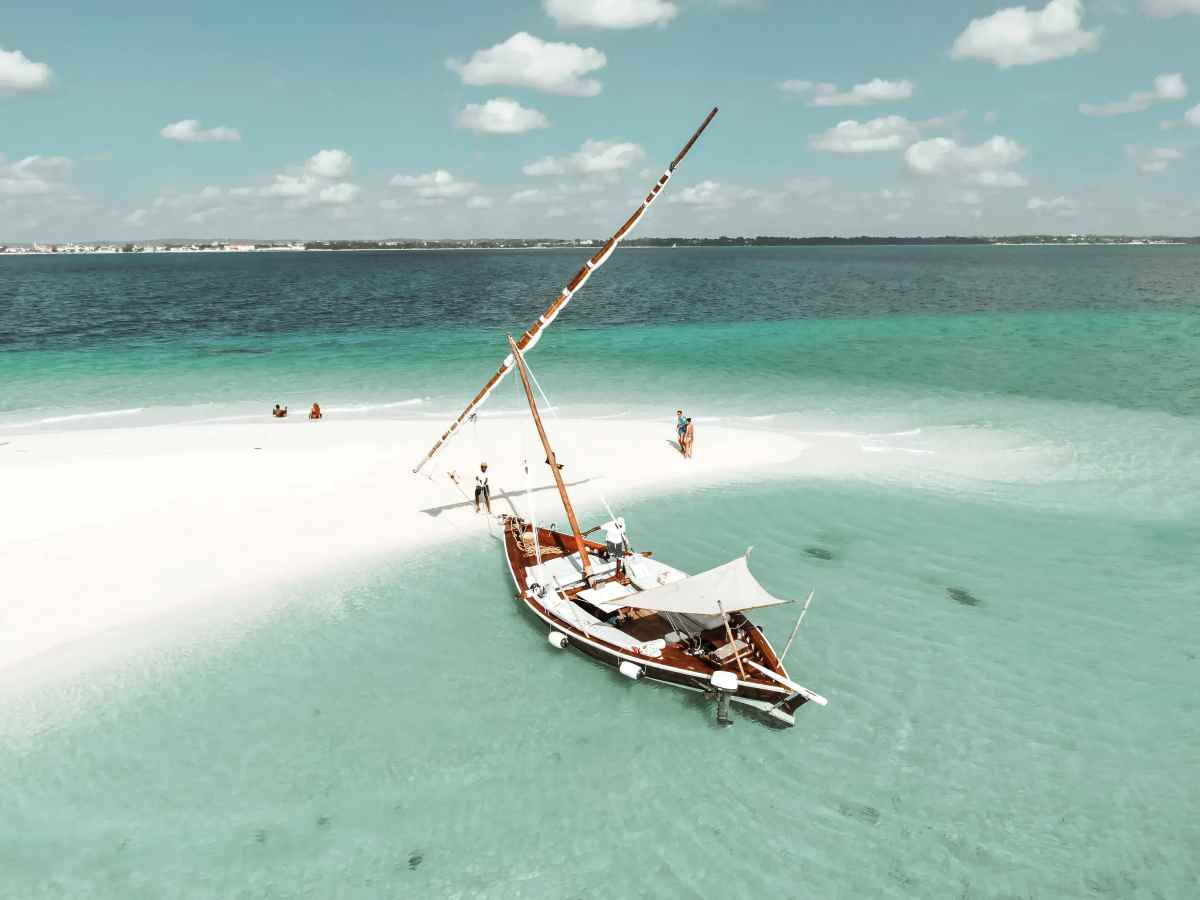
The tourism income from Tanzania, including the Serengeti, Ngorongoro Crater and Zanzibar, has been growing as tourists’ preferences towards wildlife safaris and holidays on Indian Ocean islands have remained among the major international tour choices. The Bank of Tanzania report reveals that the travel income has risen to US$4.35 billion in the year ended February 2026, and the tourism official reports have estimated the annual earnings to be about US$4.2 billion. The tourism business in the country involves a combination of wildlife tourism, conservation, cultural history and maritime journeys in an integrated international travel itinerary. Travellers could commence their safaris from northern Tanzania followed by travel to Zanzibar.
Tourism Earnings Strengthen Tanzania’s Economy
Tourism has become an important source of foreign exchange for Tanzania, with recent Bank of Tanzania data showing travel earnings rising from about US$3.98 billion to US$4.35 billion over the year ending February 2026.
Advertisement
Advertisement
The increase comes alongside continued demand for international leisure travel, particularly for wildlife experiences.
The country’s established safari circuit remains centred on destinations such as Serengeti National Park, Ngorongoro Conservation Area and Tarangire National Park. These destinations provide access to large wildlife populations and the annual Great Migration, while Kilimanjaro adds a major mountain tourism component.
Advertisement
Advertisement
Serengeti and Ngorongoro Remain Core Attractions
The Bank of Tanzania’s tourism sector survey identifies Ngorongoro, Serengeti, beaches, Stone Town and Tarangire among the most visited attractions. Together, these locations accounted for about 56% of visitors recorded in the survey.
The Serengeti is particularly important for wildlife tourism, with visitors travelling for game viewing and the annual movement of wildebeest, zebra and other grazing animals.
Advertisement
Advertisement
Ngorongoro provides a different safari experience through its crater landscape and concentration of wildlife. The destination is also connected to wider northern safari routes, allowing travellers to combine several protected areas during one trip.
Arusha serves as an important gateway for northern safari itineraries, while Kilimanjaro International Airport provides international access close to the main safari circuit.
Longer Stays Support Broader Travel
Length of stay is another important part of Tanzania’s tourism economy.
The Bank of Tanzania’s international visitor survey recorded an overall average stay of 10 nights across Tanzania in 2023, while Zanzibar recorded an average of six nights.
The figures show how Tanzania can support multi-day travel rather than short visits. A typical itinerary can combine several nights in northern Tanzania with additional time on the coast or Zanzibar.
Longer itineraries also allow visitors to include cultural experiences, conservation areas and outdoor activities alongside traditional safari programmes.
Advertisement
Advertisement
Zanzibar Adds a Marine Extension
Zanzibar provides a natural second stage for travellers who want to combine wildlife with an island holiday.
The archipelago offers beaches, coral reefs, marine excursions, spice farms and the historic streets of Stone Town. Visitors can add snorkelling, diving, sailing and other water-based activities after completing a mainland safari.
The Bank of Tanzania survey recorded an average visitor expenditure of about US$250 per person per night across Tanzania in 2023. Visitors to mainland Tanzania recorded an average of about US$248, while Zanzibar recorded around US$257.
Package travellers recorded substantially higher average expenditure than non-package visitors, particularly on mainland Tanzania and Zanzibar.
High Spending Markets Support Tourism Value
The survey also identified differences between international source markets.
Visitors from the United States recorded the highest overall average expenditure among the top 15 source markets at about US$405 per person per night. India recorded around US$326, while Canada and China were also among markets with comparatively high expenditure levels.
Advertisement
Advertisement
Leisure and holiday visitors recorded average expenditure of approximately US$305 per person per night, making leisure travel a major contributor to tourism receipts.
These figures provide a clearer picture of tourism value beyond simply counting arrivals.
Sustainable Travel Connects Wildlife and Islands
Tanzania’s tourism infrastructure also spans protected landscapes, safari camps, lodges and coastal accommodation.
The country’s tourism survey identifies conservation and sustainable tourism as important elements of the sector, while Zanzibar has separately promoted greener tourism through initiatives focused on its natural and cultural resources.
For travellers, the combination creates a route that can connect wildlife conservation areas with marine ecosystems within the same holiday.
A safari through Serengeti and Ngorongoro can therefore be followed by several days in Zanzibar, creating a longer itinerary that spreads visitor spending across different tourism businesses and regions.
Tanzania Builds a Multi-Destination Tourism Circuit
The increase in revenues generated through tourism puts Tanzania’s animal life and islands at the heart of its international tourism portfolio. The main reason why travellers choose Tanzania is because of the Serengeti and Ngorongoro safaris. Zanzibar provides an opportunity for beaches, underwater adventure, and culture. And Mount Kilimanjaro is yet another reason for foreigners to add more days to their travels. When planning a trip to Tanzania in 2026, it becomes clear that the tourism industry is increasingly promoting multi-destination tourism experiences in Tanzania.
Advertisement
