
Argentina Reinvents Tourism as Premium Concert, Football and Sporting Event Travellers Replace Traditional Shopping Visitors: Is Event-Driven Travel Powering the Country’s New Tourism Boom?

Published
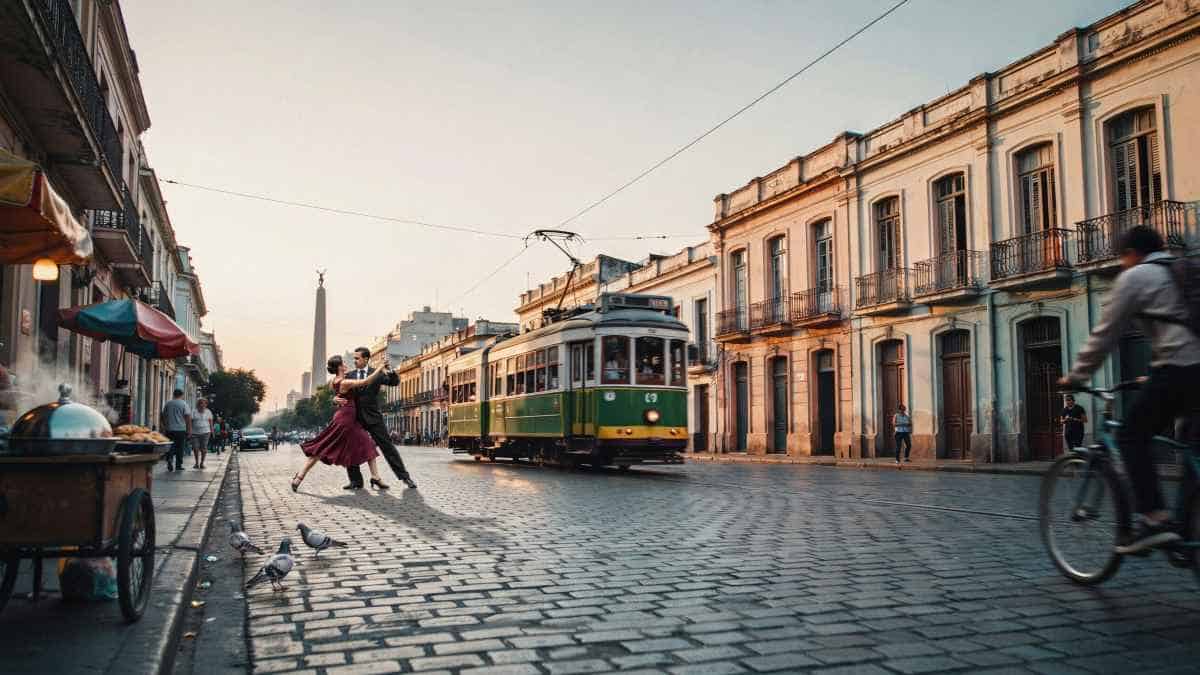
Image generated with Ai
Argentina’s tourism landscape is undergoing a significant transformation as event-driven travel replaces one of the country’s traditional visitor segments. Tourism officials and local industry stakeholders report that while cross-border shopping tourism from neighbouring countries has slowed because Argentina has become more expensive in US dollar terms, the decline has been offset by a growing wave of high-spending international visitors travelling specifically for world-class concerts, football matches, major sporting competitions and cultural events. Rather than focusing on bargain shopping, today’s visitors are increasingly choosing Argentina for unforgettable live experiences, generating stronger spending across hotels, restaurants, entertainment venues and local businesses.
The shift reflects a broader global trend in which travellers increasingly prioritise experiences over retail purchases, positioning Argentina as one of South America’s leading destinations for event-based tourism.
From shopping trips to experience-led travel
For years, favourable exchange rates encouraged visitors from neighbouring countries to cross into Argentina for shopping, dining and short city breaks.
However, changing economic conditions and higher prices measured in foreign currencies have reduced the appeal of low-cost shopping tourism.
Advertisement
Advertisement
Instead of relying on discount retail spending, Argentina is witnessing the emergence of a different type of visitor—travellers who are willing to spend considerably more to attend exclusive events, sporting fixtures and entertainment experiences.
Advertisement
Advertisement
This evolution is reshaping tourism revenues while creating new opportunities for the hospitality sector.
Concert tourism attracts international audiences
Argentina has long been recognised as one of Latin America’s most important destinations for international music tours.
Major global artists frequently include Buenos Aires on their world tours, drawing fans from neighbouring countries and overseas.
These visitors often extend their stays beyond concert dates, combining live performances with sightseeing, gastronomy, shopping, wine tourism and regional excursions.
Hotels, restaurants, transport operators and entertainment districts all benefit from the increased visitor spending generated by large-scale music events.
Advertisement
Advertisement
Concert tourism has therefore become an increasingly valuable contributor to Argentina’s visitor economy.
Football remains one of Argentina’s strongest tourism assets
Football continues to be among Argentina’s most powerful international attractions.
Supporters travel from around the world to experience the country’s passionate football culture, historic stadiums and high-profile domestic fixtures.
Matchday tourism generates significant economic activity through accommodation, dining, local transport, guided stadium tours and retail spending.
For many visitors, attending a football match is not simply a sporting event but a cultural experience that showcases Argentina’s identity and community spirit.
Advertisement
Advertisement
As global interest in Argentine football continues to grow, sports tourism remains a key pillar of the country’s visitor economy.
Sporting events diversify the tourism calendar
Beyond football, Argentina regularly hosts international sporting competitions that attract both participants and spectators.
These events help distribute tourism demand throughout the year while encouraging travellers to explore destinations beyond Buenos Aires.
Adventure sports, motorsport, rugby, tennis, marathon races and regional competitions all contribute to expanding Argentina’s event calendar.
The diversification of sporting events allows destinations across the country to benefit from increased visitor arrivals.
Advertisement
Advertisement
High-spending visitors support local businesses
One of the most significant advantages of event-driven tourism is visitor spending.
Travellers attending concerts and sporting events typically spend more on accommodation, premium dining, transport, entertainment and leisure activities than traditional shopping tourists.
This broader spending pattern supports hotels, restaurants, cultural attractions, tour operators, retailers and small businesses across the tourism ecosystem.
The result is a stronger economic contribution that extends beyond event venues into surrounding communities.
Experience-first travel reflects global tourism trends
Argentina’s tourism transformation mirrors a worldwide shift towards experience-led travel.
Advertisement
Advertisement
Rather than choosing destinations based primarily on affordability, many international travellers now prioritise memorable experiences, including festivals, concerts, sporting events, gastronomy and local culture.
This growing demand for experiential travel aligns well with Argentina’s strengths, including its internationally recognised music scene, sporting traditions, culinary excellence and cultural heritage.
Tourism officials view this transition as an opportunity to attract visitors seeking authentic, premium experiences that encourage longer stays and higher spending.
Practical travel information
Argentina’s primary international gateway is Ministro Pistarini International Airport (Ezeiza International Airport – EZE), located approximately 32 kilometres from central Buenos Aires. Additional international airports include Aeroparque Jorge Newbery, Córdoba International Airport, Mendoza International Airport, and Rosario International Airport.
Domestic travel is supported by an extensive air network alongside long-distance coach services and passenger rail connections linking several major cities.
Advertisement
Advertisement
Accommodation ranges from internationally recognised hotels such as Alvear Palace Hotel, Four Seasons Hotel Buenos Aires, Palacio Duhau – Park Hyatt Buenos Aires, Hilton Buenos Aires, and numerous boutique properties throughout Palermo, Recoleta and San Telmo.
Popular attractions include La Boca, Teatro Colón, Recoleta Cemetery, Iguazú Falls, Mendoza’s wine regions, Perito Moreno Glacier, Bariloche, Ushuaia, Salta, and the colourful neighbourhoods of Buenos Aires.
Major shopping areas include Galerías Pacífico, Alto Palermo Shopping, Patio Bullrich, Palermo Soho, and Córdoba Avenue.
Key Stats
- Argentina is witnessing a shift from traditional shopping tourism to event-driven travel.
- Premium travellers are increasingly visiting for concerts, football matches and major sporting events.
- Higher-spending visitors generate greater economic benefits across hospitality, dining and entertainment sectors.
- Event tourism supports year-round visitor demand and regional tourism development.
- Experience-led travel continues to reshape Argentina’s tourism strategy.
FAQ
Why has shopping tourism declined in Argentina?
Higher prices in US dollar terms have reduced the appeal of cross-border bargain shopping for some neighbouring visitors.
What is driving Argentina’s tourism growth?
Concerts, football matches, sporting events and premium cultural experiences are attracting higher-spending international travellers.
Advertisement
Advertisement
How does event tourism benefit Argentina?
Visitors attending major events typically spend more on hotels, restaurants, transport and local experiences, supporting a wider range of tourism businesses.
Timeline and Events
- Current trend: Traditional shopping tourism declines as Argentina becomes more expensive in foreign currency terms.
- Ongoing: Premium visitors increasingly travel for concerts, football fixtures and sporting events.
- Future outlook: Event-driven tourism is expected to remain a key driver of Argentina’s hospitality and visitor economy.
Conclusion
Argentina’s tourism industry is evolving from a destination once associated with cross-border shopping to one defined by unforgettable live experiences. As international concerts, football matches and sporting events attract higher-spending travellers, the country is benefiting from stronger visitor expenditure across accommodation, dining, entertainment and local businesses. By embracing experience-led tourism, Argentina is positioning itself as one of South America’s premier destinations for premium cultural and sporting travel, demonstrating that memorable events can generate greater long-term value than traditional shopping tourism alone.
Advertisement
