
2026 Spain Travel Alert: Essential Health Safety Guide for Families Visiting Andalusia and the Costa del Sol This Easter

Published
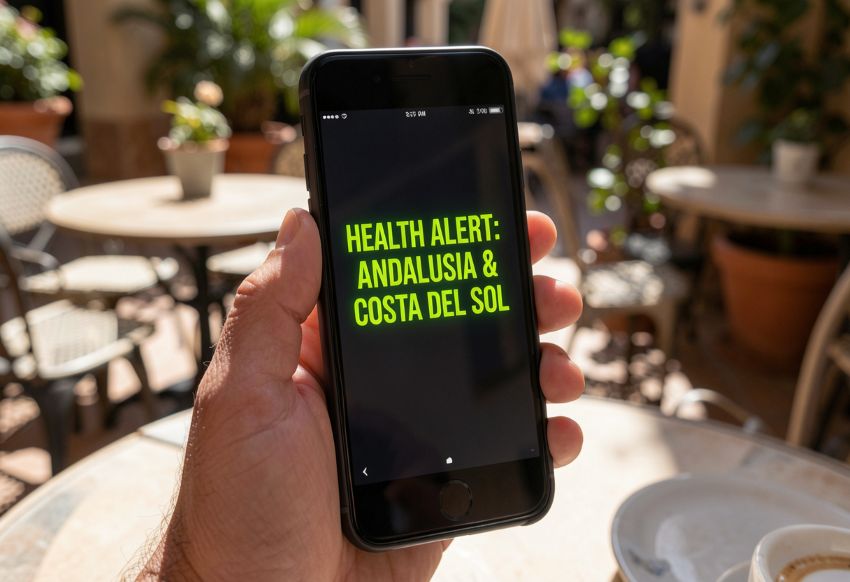 Image generated with Ai
As the bright spring season approaches, millions of British tourists are being told to be extra careful on their upcoming trips to the Iberian Peninsula. The regional government of Andalusia has issued a serious health warning, specifically aimed at the large number of international tourists expected to come during the Easter break. The warning comes after a quick rise in cases of nonspecific gastroenteritis, which people often call “stomach flu”. People are keeping a close eye on this rise across the sun-drenched Costa del Sol and the rest of Andalusia.
The timing of this outbreak is especially interesting because a lot of British families are expected to come to the area for the holidays. People from the UK often go to Southern Spain to escape the unpredictable spring weather because of its warm climate and cultural events. But the current state of epidemiology suggests that the seasonal celebrations may have a very contagious guest.
Advertisement
Advertisement
Mapping the Impact: Affected Destinations
The geographical scope of this health alert is extensive, covering the entirety of the Andalusian autonomous community. Eight specific provinces, all of which are staples on the British tourist itinerary, are currently being monitored under this directive. These regions include:
- Malaga & Costa del Sol: The primary gateway for international arrivals.
- Seville & Cordoba: Famous for their historic Easter processions.
- Granada & Almeria: Popular for their unique blend of mountain and coastal views.
- Cadiz, Huelva, & Jaen: Known for their authentic Spanish charm and natural parks.
Because these areas are projected to be densely populated during the Holy Week festivities, the risk of viral transmission is significantly heightened. The “stomach flu” is characterized by its extreme infectiousness and its ability to transcend age barriers, impacting children, adults, and the elderly with equal vigour.
Advertisement
Advertisement
Understanding the Transmission and Symptoms
The transmission of this viral pathogen is primarily facilitated through direct physical contact with infected individuals. However, the contamination of shared surfaces and the handling of food by asymptomatic or symptomatic carriers also play critical roles in the spread. Travellers are cautioned that the onset of symptoms is typically abrupt and can transform a meticulously planned itinerary into a period of severe discomfort.
Clinical presentations of the virus usually include:
Advertisement
Advertisement
- Sudden Nausea and Vomiting: Often the first indicators of infection.
- Acute Diarrhoea: A hallmark of the condition that necessitates immediate attention to fluid levels.
- Abdominal Pain: Cramping and general stomach distress are frequently reported by those affected.
While these symptoms are generally self-limiting, the speed at which they appear can be alarming for those far from home.
Official Preventive Measures Recommended by Authorities
To mitigate the spread of this contagion, a series of proactive hygiene protocols have been outlined by the Andalusian Health Department. It is strongly advised that handwashing be performed with a high degree of regularity and thoroughness. The use of soap and water is prioritized, especially following the use of public restrooms and immediately prior to the preparation or ingestion of food.
Advertisement
Advertisement
Furthermore, the disinfection of environmental surfaces with diluted bleach is recommended as a secondary line of defence against the virus. A strict directive has also been issued regarding food safety: anyone exhibiting symptoms consistent with gastroenteritis is urged to refrain from handling or preparing food for others. By adhering to these collective measures, the chain of transmission can be effectively disrupted, thereby safeguarding the health of the broader community and visiting tourists alike.
Guidelines for Recovery and Hydration
In the event that the infection is contracted, the primary focus of recovery is shifted toward the maintenance of physiological hydration. It is suggested by health professionals that a regimen of water, clear broths, or specialized oral rehydration solutions be followed. Conversely, the consumption of alcoholic or high-sugar beverages is discouraged, as these can exacerbate dehydration and irritate the gastrointestinal lining.
Dietary intake should be restricted to light, easily digestible meals until the acute phase of the illness has passed. Furthermore, the importance of adequate rest cannot be overstated, as the body requires significant energy to combat the viral load. It is important to note that while no specific vaccine or pharmacological treatment is currently available for this particular strain, standard supportive care is generally sufficient for a full recovery in healthy individuals.
When to Seek Medical Intervention
Although most cases resolve without complications, certain “red flag” symptoms should prompt a consultation with medical experts. Professional advice should be sought if:
- Diarrhoea persists for a duration exceeding three days.
- Persistent vomiting prevents the retention of any oral fluids.
- Traces of blood are observed in the stools.
- The patient belongs to a vulnerable demographic, such as infants, the elderly, or those with compromised immune systems.
Signs of severe dehydration, such as a mouth that is too dry, dizziness, or a big drop in urine output, also need to be checked out by a doctor right away. Travellers can enjoy the beauty of Andalusia while lowering their risk of getting sick during this seasonal outbreak by staying informed and practising good hygiene.
Advertisement
