
Yuyuan Garden Teams Up With The Bund and More as Shanghai Destinations Put Extraordinary China Travel Experiences in the Spotlight

Published
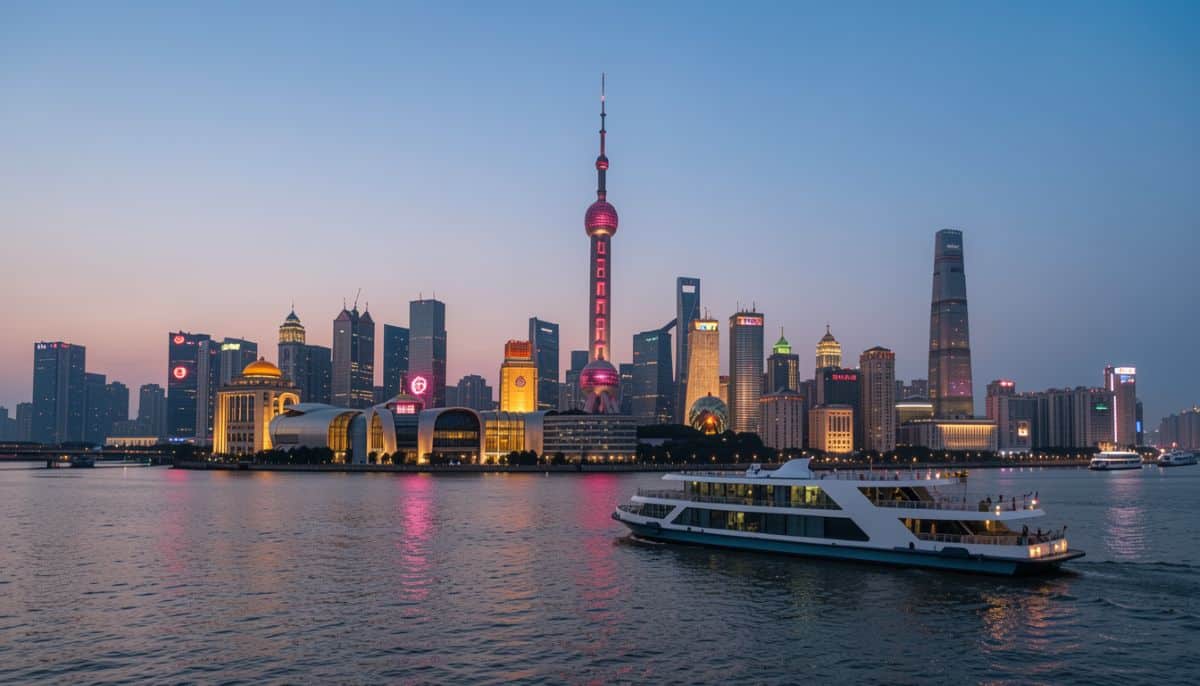
Yuyuan Garden Teams Up With The Bund and more as Shanghai destinations put extraordinary China travel experiences in the spotlight. Together, Yuyuan Garden, The Bund and other Shanghai destinations offer travellers a remarkable mix of heritage, architecture, culture and modern energy. Moreover, these destinations give global travellers more reasons to explore Shanghai beyond its famous skyline. From historic gardens to vibrant waterfront views, every destination brings a different travel experience. As Shanghai attracts millions of international visitors, these extraordinary destinations continue gaining attention. Travel And Tour World explores why Yuyuan Garden, The Bund and more Shanghai destinations deserve a place on your China travel itinerary.
Shanghai Inbound Tourism: Six Must-Visit Destinations, Travel Data, Food, Hotels and a Detailed 2026 Itinerary
Shanghai is moving beyond its traditional role as China’s financial capital and becoming a major international leisure destination. The city’s latest tourism figures show how quickly overseas demand is strengthening.
Advertisement
Advertisement
Shanghai welcomed 9.3602 million inbound tourists in 2025, up 39.6% from 2024. Overnight inbound visitors reached 8.7894 million, while international tourism revenue reached US$14.835 billion.
The momentum continued into 2026. During January-June, Shanghai received 5.3149 million overseas visitors, 27.82% more than during the same period a year earlier. Overnight visitors reached 5.0215 million.
Advertisement
Advertisement
For international tourists, these numbers matter because they reflect a wider choice of attractions, stronger transport connections and increasingly convenient travel services.
The following guide examines six destinations that should feature on a Shanghai itinerary, alongside official tourism statistics, food recommendations, accommodation areas and a practical multi-day travel plan.
Advertisement
Advertisement
Shanghai Inbound Tourism: Five-Year Visitor Comparison
The most useful way to understand Shanghai’s international tourism recovery is to examine the complete annual sequence.
| Year | Inbound visitors | Year-on-year change | Overnight inbound visitors | International tourism revenue |
|---|---|---|---|---|
| 2021 | 1.0329 million | -19.7% | 1.0269 million | US$3.585 billion |
| 2022 | 0.6318 million | -38.8% | Not separately comparable in available source | US$1.722 billion |
| 2023 | 3.64 million | About +476% | Not separately reported in same series | US$6.19 billion |
| 2024 | 6.7059 million | +84.0% | 6.0579 million | US$11.092 billion |
| 2025 | 9.3602 million | +39.6% | 8.7894 million | US$14.835 billion |
Sources: Shanghai Municipal Administration of Culture and Tourism, Shanghai Statistics Bureau and Shanghai government releases.
Advertisement
Advertisement
The five-year comparison is striking. Inbound visitor volume in 2025 was approximately 9.1 times the 2021 level, an increase of about 806%.
The 2022 decline reflected the severe disruption to international travel during the pandemic period. The subsequent rebound was particularly pronounced in 2023.
By 2024, Shanghai had exceeded 6.7 million inbound visitors. By 2025, the city passed 9.36 million.
Shanghai’s latest five-year tourism trajectory can therefore be divided into three stages: pandemic disruption, reopening-led recovery and broad international expansion.
Advertisement
Advertisement
Shanghai Tourism Infrastructure Has Expanded
Shanghai’s tourism capacity is also considerable.
| Tourism infrastructure | 2021 | 2024 | 2025 |
|---|---|---|---|
| Star-rated hotels | 177 | 148 | 142 |
| Five-star hotels | 71 | 56 | 54 |
| Travel agencies | 1,865 | 1,965 | 2,025 |
| A-rated attractions | 134 | 144 | 144 |
| Five-A attractions | 4 | 5 | 5 |
| Tourism consultation centres | 63 | 61 | 61 |
| Red tourism bases | 34 | 34 | 34 |
The number of hotels has changed as the accommodation market has evolved, while the number of travel agencies and A-rated attractions has expanded.
For travellers, this means Shanghai offers accommodation ranging from international luxury hotels to boutique properties, guesthouses and other smaller lodging formats.
The city has also been improving foreign-card payment acceptance and services for overseas visitors.
Six Shanghai Destinations International Travellers Should Not Miss
1. The Bund: Shanghai’s Essential Waterfront Experience
The Bund remains the natural starting point for a first Shanghai visit.
The official Shanghai government describes it as a 1.5-kilometre waterfront area and protected historic district.
Advertisement
Advertisement
Its western side contains 52 historic Gothic, Baroque and other architectural landmarks, while the Huangpu River runs directly along its eastern edge.
The best travel strategy is to visit twice.
Go early for a quieter walk and return after sunset when the waterfront skyline becomes dramatically illuminated.
Travellers should walk the promenade, photograph the historic buildings and cross towards Pudong for a contrasting skyline perspective.
What to eat: Try Shanghai-style breakfast foods, xiaolongbao, shengjian mantou and local noodle dishes.
Where to eat: Huangpu’s traditional food streets and restaurant districts around the Bund and Yuyuan area offer the easiest combination of sightseeing and dining.
Advertisement
Advertisement
Where to stay: Huangpu is ideal for first-time visitors who want walking access to the Bund, Nanjing Road and Yuyuan Garden.
Best time: Early morning and evening.
2. Yuyuan Garden: Traditional Shanghai in the Historic Core
Yuyuan Garden provides a very different experience from the modern skyline.
The classical garden was originally created during the Ming Dynasty and contains more than 40 scenic spaces involving pavilions, rocks and ponds.
The surrounding area combines the garden with the City God Temple, shopping areas, traditional architecture and dining.
This makes Yuyuan particularly useful for travellers with limited time.
Advertisement
Advertisement
Visitors can explore the garden before moving into the surrounding commercial lanes.
Shanghai has also introduced night experiences around Yuyuan, creating an alternative after-dark itinerary.
What to do: Explore the classical garden, visit surrounding heritage areas and experience traditional food culture.
What to eat: Xiaolongbao, crab-yolk dishes, Shanghai noodles, sweet rice cakes and other Jiangnan-style specialties.
Where to stay: Huangpu remains the most convenient base.
Travel tip: Visit early because the historic core can become busy later in the day.
Advertisement
Advertisement
3. Lujiazui and Shanghai Tower: The Futuristic Side of the City
Cross the Huangpu River and Shanghai’s personality changes completely.
Lujiazui contains some of the city’s most recognisable modern landmarks, including Shanghai Tower, Jin Mao Tower and the Oriental Pearl TV Tower.
The official Shanghai tourism platform identifies Lujiazui as one of the city’s principal skyline and observation areas.
Shanghai Tower offers an elevated perspective over the metropolis.
Visitors can combine the observation experience with the Pudong waterfront, Museum of Art Pudong and nearby cultural attractions.
What to do: Visit an observation deck, walk the riverside and photograph the Bund from across the river.
Advertisement
Advertisement
What to eat: Try contemporary Chinese cuisine, Shanghai specialities and international restaurants in Pudong.
Where to eat: Lujiazui is particularly convenient for travellers seeking modern restaurants and international dining.
Where to stay: Pudong works well for business travellers, families and visitors prioritising modern hotels and airport access.
4. Nanjing Road: Shopping, Food and Urban Energy
Nanjing Road Pedestrian Street is one of Shanghai’s most useful destinations for travellers wanting to combine shopping with sightseeing.
The official Shanghai tourism portal lists Nanjing Road among the city’s major visitor attractions.
Its central location makes it easy to connect with the Bund.
Advertisement
Advertisement
A practical route is to start near People’s Square, continue along Nanjing Road and finish at the Bund around sunset.
The route allows travellers to experience Shanghai’s commercial energy without spending an entire day on transportation.
What to do: Shop, photograph historic façades, explore department stores and continue towards the Bund.
What to eat: Shanghai noodles, soup dumplings, pastries, roasted meats and modern Chinese street-food offerings.
Where to stay: Huangpu, People’s Square and West Nanjing Road provide convenient bases.
Best for: First-time visitors, shoppers and travellers with short stays.
Advertisement
Advertisement
5. Wukang Road: A More Local Shanghai Experience
Wukang Road has become one of the city’s most popular urban walking areas.
Its appeal comes from architecture, tree-lined streets, cafés, historic residences and the slower pace of neighbourhood exploration.
Shanghai’s official tourism information now promotes city walks and everyday urban experiences alongside major landmarks.
This is an important shift for international travellers.
Instead of simply photographing famous buildings, visitors can experience how residents use the city’s streets.
What to do: Walk between historic buildings, explore cafés, photograph architecture and continue towards nearby French Concession-era neighbourhoods.
Advertisement
Advertisement
What to eat: Coffee, Shanghai pastries, local noodles and contemporary cafés work well here.
Where to eat: Xuhui’s café and restaurant districts are suitable for slower meals.
Where to stay: Xuhui is ideal for repeat visitors and travellers who prefer neighbourhood character over a central business district.
6. Zhujiajiao Ancient Town: A Water-Town Escape
Travellers who have several days should leave central Shanghai for Zhujiajiao.
The ancient town provides a glimpse of the Jiangnan water-town landscape through canals, bridges, traditional buildings and narrow streets.
Shanghai’s official tourism platform recommends a full-day experience here.
Advertisement
Advertisement
The government itinerary begins with morning tea and continues through historic buildings and waterways.
What to do: Walk the old streets, explore canals, cross historic bridges and experience traditional tea culture.
What to eat: Try Jiangnan-style dishes, rice-based snacks, freshwater fish and traditional pastries.
Where to eat: Choose restaurants around the historic town rather than rushing back to central Shanghai.
Where to stay: A central Shanghai hotel is sufficient for most visitors, although a water-town guesthouse can suit travellers wanting a slower experience.
Six-Destination Comparison for Travellers
| Destination | Ideal stay | Main experience | Best time | Recommended traveller |
|---|---|---|---|---|
| The Bund | 2–4 hours | Architecture and skyline | Evening | First-time visitors |
| Yuyuan Garden | 2–4 hours | Classical culture and food | Morning | Culture and food lovers |
| Lujiazui | Half day | Modern skyline | Sunset | Photographers and families |
| Nanjing Road | 3–5 hours | Shopping and city life | Afternoon-evening | Shoppers |
| Wukang Road | Half day | Architecture and cafés | Morning-afternoon | Slow travellers |
| Zhujiajiao | Full day | Water-town heritage | Morning | Culture seekers |
A Detailed Five-Day Shanghai Travel Plan
| Day | Morning | Afternoon | Evening |
|---|---|---|---|
| Day 1 | The Bund | Nanjing Road | Bund night views |
| Day 2 | Yuyuan Garden | City God Temple and Huangpu | Huangpu River cruise |
| Day 3 | Lujiazui | Shanghai Tower and Museum of Art Pudong | Pudong skyline |
| Day 4 | Wukang Road | Xuhui neighbourhoods | Local restaurant and café experience |
| Day 5 | Zhujiajiao Ancient Town | Canals, bridges and local food | Return to central Shanghai |
This structure avoids repeatedly crossing the city and gives each day a clear geographical focus.
Advertisement
Advertisement
Travellers with only three days should prioritise the Bund, Yuyuan Garden, Lujiazui and Nanjing Road.
Visitors staying five or more days can add Wukang Road and Zhujiajiao.
Shanghai’s International Visitor Markets Are Becoming More Diverse
The latest figures show that Shanghai’s appeal is no longer concentrated in a small number of international markets.
During the first half of 2026, South Korea, Russia, the United States, Thailand and Malaysia were the leading overseas source markets. Russian visitor numbers increased 132.05% year on year.
The previous year’s data also showed strong performance from Asian and long-haul markets.
In the first half of 2025, Shanghai recorded more than 4.15 million inbound tourist visits. Foreign tourists accounted for about 3.12 million.
Advertisement
Advertisement
South Korea contributed about 424,000 visits, Japan 291,000 and Thailand 254,000. The United States contributed around 248,000, while Russia contributed approximately 153,000.
| Market | H1 2025 visits | Approx. year-on-year change |
|---|---|---|
| South Korea | 424,000 | +130% |
| Japan | 291,000 | +59% |
| Thailand | 254,000 | +140% |
| Singapore | 147,000 | +39% |
| Malaysia | 201,000 | +44% |
| Indonesia | 115,000 | +64% |
| United States | 248,000 | Strong growth |
| Russia | 153,000 | Strong growth |
| Australia | 113,000 | Strong growth |
These figures underline Shanghai’s expanding international reach.
Transport and Entry Information for International Travellers
Shanghai is particularly useful as a gateway because its air and cruise infrastructure connects the city with major international markets.
In 2025, Pudong and Hongqiao airports handled 39.9 million exit-entry passenger trips, representing 28.9% of China’s national total.
Shanghai’s airports were connected with 302 destinations across 54 countries by the end of 2025.
Cruise tourism is another important part of the city’s international role.
Advertisement
Advertisement
Shanghai handled 538 inbound and outbound cruise ships and 1.83 million cruise passenger trips in 2025.
For travellers, this means Shanghai can function as an independent city holiday, a China gateway or a cruise extension.
How Much Time Should Travellers Spend in Shanghai?
| Trip length | Recommended plan |
|---|---|
| 1 day | Bund, Nanjing Road, Yuyuan Garden |
| 2 days | Add Lujiazui and Huangpu |
| 3 days | Add Wukang Road and Xuhui |
| 4 days | Add museums and waterfront districts |
| 5 days | Add Zhujiajiao |
| 6–7 days | Combine Shanghai with nearby Yangtze River Delta destinations |
The strongest first-time itinerary is five days because it balances landmark sightseeing with neighbourhood exploration.
Why Shanghai Is Becoming More Travel-Friendly
Shanghai’s tourism strategy is increasingly centred on making the city easier for international visitors to navigate.
The city’s 2026 tourism plan targets more than 10 million inbound visitors by 2030, alongside 9,000 billion yuan in tourism revenue and a larger network of high-quality tourism attractions and leisure districts.
The city is also developing new arrival-based routes.
Advertisement
Advertisement
In 2026, Shanghai introduced 20 routes connecting major transport hubs with museums, waterfront attractions, shopping districts, theme parks and historic neighbourhoods.
This is useful for international visitors arriving without a detailed itinerary.
The official route network includes options from Pudong Airport towards Shanghai Museum East, Shanghai Disneyland, Lujiazui and other major destinations.
Practical Food Guide for First-Time Visitors
Shanghai should be approached as a food destination as much as a sightseeing destination.
| Food | What travellers can expect | Best area type |
|---|---|---|
| Xiaolongbao | Soup-filled steamed dumplings | Huangpu and old-city districts |
| Shengjian mantou | Pan-fried pork buns | Traditional breakfast areas |
| Shanghai noodles | Savoury local noodle dishes | Neighbourhood restaurants |
| Local pastries | Sweet and seasonal snacks | Yuyuan and historic streets |
| River and freshwater fish | Jiangnan-style preparations | Water-town districts |
| Crab-based dishes | Seasonal Shanghai speciality | Traditional Chinese restaurants |
| Contemporary Chinese food | Modern interpretation of local cuisine | Xuhui and Pudong |
International tourists can also find Korean, Japanese, Italian, French and other global cuisines across Shanghai.
The city’s official tourism information specifically highlights its combination of local Shanghai food and international dining options.
Advertisement
Advertisement
Where Travellers Should Stay
| Area | Best suited to | Main advantage |
|---|---|---|
| Huangpu | First-time visitors | Near Bund, Yuyuan and Nanjing Road |
| People’s Square | Short stays | Central transport connections |
| Xuhui | Repeat visitors | Cafés, architecture and neighbourhood life |
| Pudong | Families and business travellers | Modern hotels and skyline |
| Hongqiao | Early departures and rail journeys | Airport and railway access |
| Zhujiajiao | Slow travel | Historic water-town atmosphere |
International visitors should choose accommodation according to their itinerary rather than simply selecting the most famous hotel district.
For a first visit, Huangpu provides the most convenient balance between attractions, restaurants and transport.
The Bigger Tourism Picture
Shanghai’s transformation is visible in the numbers.
Inbound visitors increased from 1.0329 million in 2021 to 9.3602 million in 2025. International tourism revenue climbed from US$3.585 billion to US$14.835 billion over the same broad period.
The city’s first-half 2026 performance added another 5.3149 million overseas visitors.
At the same time, Shanghai is promoting more neighbourhood experiences, cultural venues, waterfront routes, ancient towns and food-focused travel.
Advertisement
Advertisement
For global travellers, this creates an important opportunity.
Shanghai no longer needs to be treated simply as a one-night gateway into China.
A longer stay allows visitors to combine futuristic architecture, classical gardens, historic streets, local food, museums, shopping, neighbourhood walks and traditional water-town experiences.
The best Shanghai itinerary therefore combines the city’s famous skyline with its quieter cultural layers.
That combination is likely to remain one of the city’s strongest attractions as Shanghai continues positioning itself as China’s leading international gateway and a major global urban tourism destination.
Conclusion
Shanghai is proving that its appeal extends far beyond its famous skyline. Yuyuan Garden, The Bund, Lujiazui, Nanjing Road, Wukang Road and Zhujiajiao each reveal a different side of the city. Together, these Shanghai destinations create a compelling journey through heritage, architecture, food, shopping, culture and modern urban life. For global travellers, the city offers opportunities to combine iconic landmarks with quieter neighbourhood experiences and traditional water-town escapes. As international visitor numbers continue strengthening, Shanghai is becoming an increasingly attractive gateway for discovering China. Travel And Tour World encourages travellers to look beyond the familiar and explore these extraordinary Shanghai destinations on their next China journey.
Advertisement
