
Bulgaria Expands Travel Appeal With New Small Group Journeys Beyond Eurovision 2027

Published
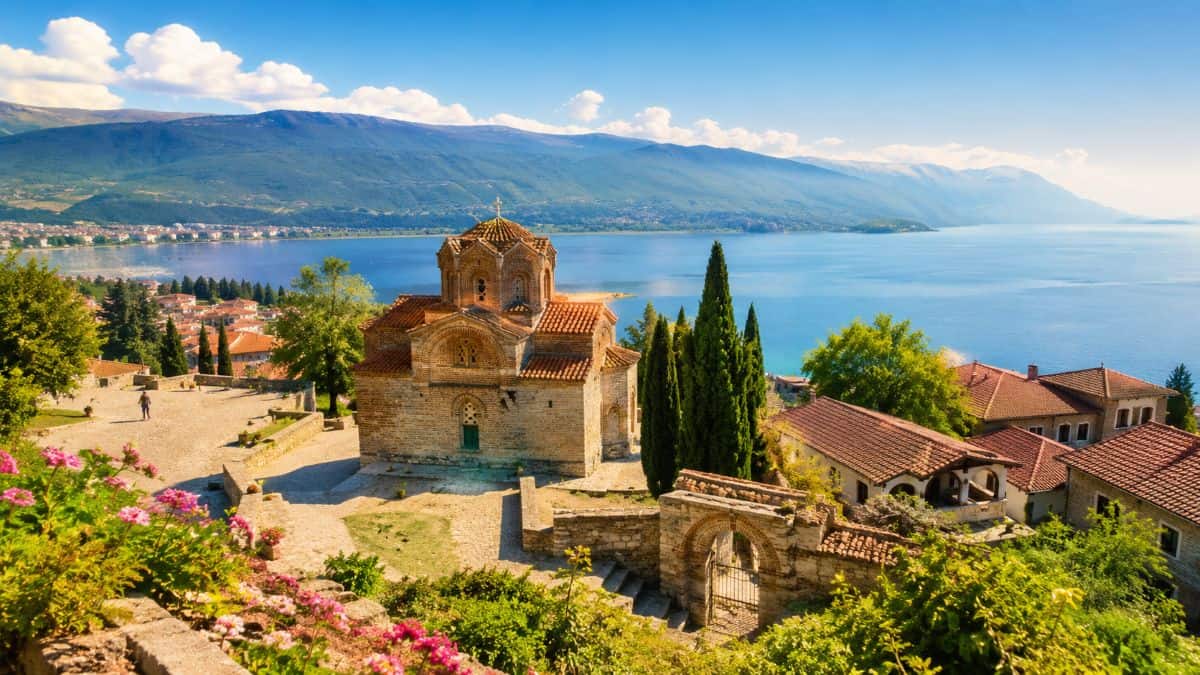
Image generated with Ai
From an accommodation perspective, Bulgaria’s emerging travel momentum around Eurovision 2027 could create wider opportunities for hotels, guesthouses and boutique properties across the country. While Burgas is expected to attract significant attention as preparations for the international music event continue, the new 12-day small-group journey demonstrates how accommodation demand can extend well beyond the coastal city.
The itinerary links Sofia with mountain and cultural destinations including the Pirin Mountains, Rhodopes, Trigrad and Plovdiv, creating potential overnight stays across multiple tourism regions. Rather than concentrating visitors in major urban centres, this style of travel encourages travellers to stay closer to rural landscapes, historic towns and traditional villages.
For accommodation providers, the programme also reflects growing interest in smaller, experience-led properties. A maximum group size of 12 travellers is suited to boutique hotels, family-run guesthouses, mountain lodges and locally operated stays that can provide a more personal connection to destinations.
The Rose Valley adds another dimension, particularly during the spring and autumn travel seasons. Visitors interested in Bulgaria’s rose-growing heritage may seek accommodation near smaller communities and cultural attractions rather than relying exclusively on large city hotels.
Advertisement
Advertisement
With departures planned for September 2026 and April and September 2027, Bulgaria’s accommodation sector could benefit from a longer tourism window surrounding Eurovision 2027. The broader opportunity lies in encouraging visitors to use Burgas as one element of a nationwide journey, helping distribute accommodation demand across Bulgaria’s mountains, historic centres, villages and cultural regions.
Advertisement
Advertisement
Airport Connectivity
From an airport connectivity perspective, Bulgaria’s expanding tourism profile ahead of Eurovision 2027 could strengthen international interest in the country while supporting travel beyond Burgas. Sofia Airport remains the principal international gateway for visitors beginning journeys into Bulgaria, particularly for itineraries that combine the capital with Plovdiv, the Pirin Mountains, the Rhodopes and other inland destinations.
Burgas Airport is especially important to the Eurovision outlook because the city is expected to receive greater international attention as preparations for the 2027 event progress. Increased visitor awareness could encourage airlines and tour operators to evaluate additional seasonal capacity and connections serving the Black Sea coast.
The 12-day itinerary also illustrates the value of coordinated airport-to-destination connectivity. Travellers arriving through Sofia can access a wide range of cultural and mountain destinations by road, while Burgas provides an alternative gateway for visitors combining the event with coastal experiences.
For international travellers, multiple gateway options can make Bulgaria more accessible and support longer multi-destination stays. Improved links between airports, major cities, regional tourism centres and rural attractions could therefore help transform Eurovision-related interest into broader tourism demand across the country.
A 12 Day Route Across Bulgaria
The itinerary has been structured to connect major cultural and natural highlights while avoiding an overly demanding cross-country schedule.
Advertisement
Advertisement
| Destination | Travel experience |
|---|---|
| Sofia | Urban culture and the starting point of the journey |
| Pirin Mountains | Dramatic mountain scenery and outdoor landscapes |
| Rhodopes | Traditional villages, gorges and natural surroundings |
| Trigrad | Unspoilt scenery and rural Bulgarian character |
| Plovdiv | Historic city and cultural exploration |
| Kazanlak | Thracian heritage and archaeological interest |
| Rose Valley | Rose cultivation and traditional production |
| Balkan Mountains region | Historic towns and landscapes |
The route moves from Sofia into the country’s cultural heartland before continuing towards the Pirin Mountains. Travellers then enter the Rhodopes, where villages and narrow gorges provide a contrasting perspective on Bulgaria’s rural landscape.
Trigrad is another important stop, offering an opportunity to experience a less-developed natural environment. The itinerary subsequently reaches Plovdiv, one of Bulgaria’s most historically significant cities, before heading north beneath the Balkan Mountains.
Mountains And Villages Add Depth To The Experience
Bulgaria’s mountain regions are central to the journey’s appeal. The Pirin Mountains provide dramatic scenery, while the Rhodopes introduce travellers to a landscape shaped by forests, valleys, villages and traditional ways of life.
The inclusion of smaller communities is particularly significant for travellers seeking experiences beyond conventional city tourism. Narrow gorges and rural settlements create opportunities to observe the relationship between Bulgaria’s landscape and its cultural heritage.
Trigrad provides another example of the country’s quieter tourism potential. Its natural surroundings offer a sharp contrast to Bulgaria’s major urban centres and demonstrate why the country’s appeal extends well beyond its most recognisable destinations.
Advertisement
Advertisement
Plovdiv Connects Ancient Heritage With Modern Travel
Plovdiv occupies a major position on the itinerary, providing an important cultural counterpoint to the mountain landscapes.
The city is widely recognised for its layers of history and distinctive urban character. Including Plovdiv in a multi-region journey allows visitors to experience Bulgaria’s heritage within a larger national context rather than treating the city as an isolated destination.
The itinerary also travels towards Kazanlak, where the ancient Thracian Tomb adds archaeological significance to the journey. The site forms part of a wider cultural landscape that connects Bulgaria’s contemporary tourism offer with its ancient past.
Rose Valley Highlights Bulgaria’s Living Traditions
The Rose Valley provides one of the itinerary’s strongest links between tourism, agriculture and traditional Bulgarian culture.
Bulgaria has a long association with rose cultivation, particularly the production of Damask rose oil used in perfumes and cosmetics. Visiting the region gives travellers an opportunity to understand how an agricultural tradition has become part of the country’s cultural identity and international reputation.
Advertisement
Advertisement
This element strengthens the experiential character of the journey. Instead of simply viewing historic monuments, visitors can encounter a living tradition that remains connected to local production and regional identity.
Tour Details Give Travellers Several Departure Options
The 12-day journey is scheduled to depart on 8 September 2026, 27 April 2027 and 7 September 2027. The April 2027 departure is timed shortly before the Eurovision 2027 final, potentially giving travellers an opportunity to combine an extended Bulgarian cultural experience with the wider international attention surrounding the event.
The advertised price is £3,095 per person. It includes accommodation, arrival and departure transfers, overland transportation with a professional driver, an English-speaking guide or tour leader and selected meals. International flights are not included.
The group size is limited to 12 travellers, supporting a more intimate format than large-scale coach tourism and allowing the itinerary to focus on smaller destinations and cultural encounters.
What This Means For Bulgaria Travel
The journey demonstrates how Bulgaria can use increased international attention to encourage visitors to explore a broader geographical area.
Advertisement
Advertisement
For travellers, the principal attraction is the variety contained within a single itinerary. Sofia provides the urban starting point, the Pirin and Rhodope mountains introduce dramatic natural scenery, Trigrad offers rural character, Plovdiv delivers cultural depth, while Kazanlak and the Rose Valley connect history with living traditions.
The result is a travel experience positioned around discovery rather than a single headline attraction. Eurovision may increase awareness of Bulgaria, but the country’s mountains, heritage, cities and traditions provide reasons to stay longer and travel further.
Frequently Asked Questions
What is the new Bulgaria travel journey?
It is a 12-day small-group itinerary exploring Bulgaria’s cities, mountains, villages, archaeological heritage and Rose Valley.
When does the Bulgaria journey depart?
Advertisement
Advertisement
Scheduled departures are 8 September 2026, 27 April 2027 and 7 September 2027.
How much does the journey cost?
The advertised price is £3,095 per person.
Are international flights included?
No. International flights are additional to the advertised tour price.
Advertisement
Advertisement
What is the maximum group size?
The group is limited to 12 travellers.
Which Bulgarian city starts the journey?
The itinerary begins in Sofia.
Does the itinerary visit Plovdiv?
Advertisement
Advertisement
Yes. Plovdiv is given substantial time within the journey.
What natural areas are included?
The itinerary includes the Pirin Mountains, Rhodopes and Trigrad region.
Why is the Rose Valley important?
The Rose Valley is associated with Bulgaria’s long tradition of rose cultivation and Damask rose oil production.
Advertisement
Advertisement
Does Eurovision 2027 feature in the itinerary?
The journey is promoted in the context of Bulgaria hosting Eurovision 2027 in Burgas, with one departure scheduled shortly before the Eurovision final.
Advertisement
