
Germany Joins Forces With Austria And Switzerland And More As Autumn Travel Trends Highlight 16 Scenic Escapes

Published
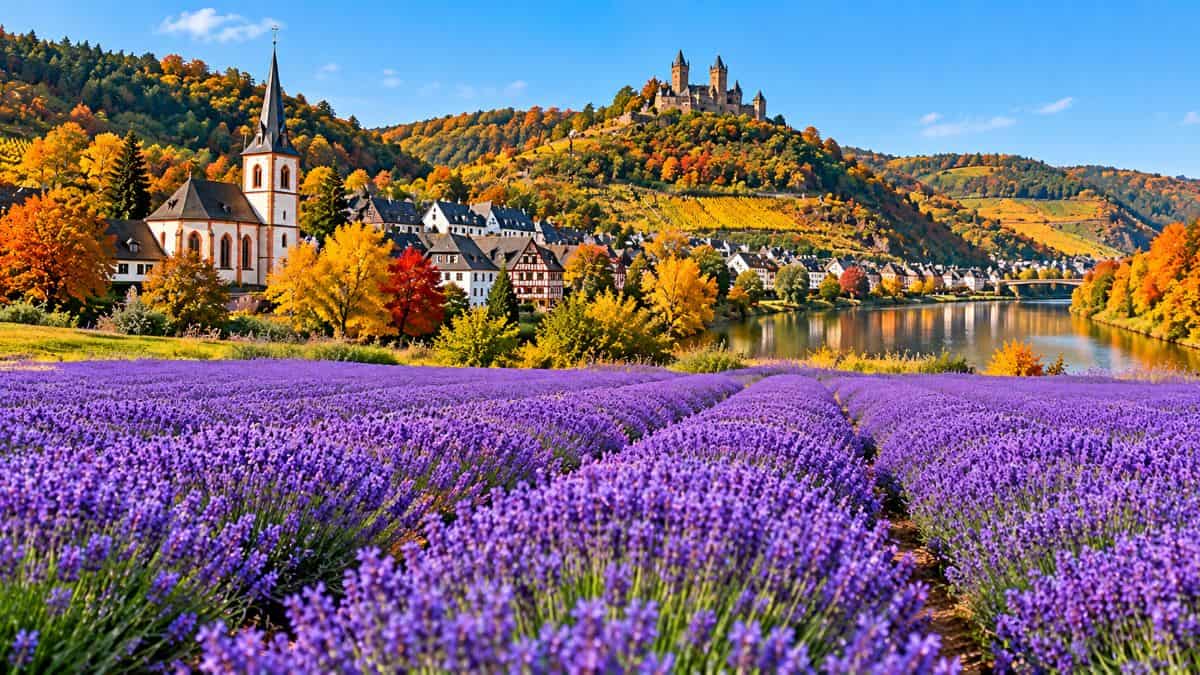
Germany’s autumn landscape is drawing attention for its quieter forests, historic towns, vineyards, waterways and coastal retreats, with lesser-known destinations offering travellers a different way to experience the country. From ancient oak groves in Mecklenburg-Vorpommern to the vineyards of Baden-Württemberg and the Baltic shoreline of Schleswig-Holstein, the season creates a strong backdrop for short breaks and day trips.
A selection of 16 destinations, representing Germany’s federal states, demonstrates how varied the country’s autumn travel opportunities can be beyond internationally recognised attractions. The places range from wildlife sanctuaries and landscaped parks to mountain regions, former industrial landscapes and historic settlements. For travellers seeking seasonal colour without relying exclusively on crowded tourist centres, these locations provide opportunities to combine outdoor activities with regional history and culture. The appeal is particularly relevant in autumn, when cooler weather supports walking and sightseeing, while changing foliage transforms forests, vineyards and parks. Together, the destinations highlight Germany’s breadth as a domestic and international travel market, offering experiences that can suit nature enthusiasts, culture seekers, families and travellers looking for slower-paced exploration.
Advertisement
Advertisement
Germany’s Autumn Landscape Offers More Than Famous Tourist Centres
Germany is often associated with major cities, celebrated castles, the Black Forest, Alpine scenery and well-known cultural landmarks. Yet the country’s 16 federal states contain numerous smaller destinations that can provide equally distinctive travel experiences.
The autumn season is especially suited to exploring these locations because many depend on scenery, walking routes, architecture and outdoor discovery rather than a single headline attraction. A journey can therefore combine nature and culture while avoiding an itinerary focused entirely on major urban centres.
Advertisement
Advertisement
| Federal State | Destination | Key Travel Experience |
|---|---|---|
| Bavaria | Hart | Wildlife and woodland |
| Baden-Württemberg | Sasbachwalden | Vineyards and Black Forest scenery |
| Berlin | Grunewald | Historic villas and lakeside landscapes |
| Brandenburg | Cottbus Baltic Sea | Observation tower and transformed landscape |
| Bremen | City Mill | Heritage and green urban surroundings |
| Hamburg | Jenischpark | Landscape gardens and Elbe views |
| Hesse | Kassel Planet Trail | Astronomy and walking |
| Lower Saxony | Papenburg | Canals and maritime heritage |
| North Rhine-Westphalia | Lemgo | Art and historic architecture |
| Mecklenburg-Vorpommern | Ivenack Oaks | Ancient trees and nature |
| Rhineland-Palatinate | Monreal | Half-timbered buildings and village scenery |
| Saarland | Saar Wilderness | Woodland and biodiversity |
| Saxony | Zittau Mountains | Hiking and historic mountain scenery |
| Saxony-Anhalt | Bernburg | Heritage and riverside views |
| Schleswig-Holstein | Hohwacht Bay | Baltic coast and beaches |
| Thuringia | Paditzer Schanzen | Geology and archaeology |
Sasbachwalden Brings Vineyards And Black Forest Scenery Together
Sasbachwalden in Baden-Württemberg provides one of the clearest examples of how autumn can enhance a traditional German landscape. The small wine village lies on the western edge of the Black Forest and is surrounded by vineyards, woodland and meadows.
Its historic centre adds architectural interest, while the surrounding countryside provides opportunities for walking. During autumn, changing leaves and vineyard colours create a particularly atmospheric setting for visitors interested in landscape photography, hiking and regional wine culture.
Advertisement
Advertisement
The location also provides access to wider Black Forest attractions, allowing travellers to use the village as a base for exploring the surrounding countryside.
Wildlife And Woodland Create A Different Bavarian Experience
Bavaria is frequently associated with mountains, traditional villages and Alpine tourism, but the Hart Bear Sanctuary near Bad Füssing presents a markedly different experience.
Advertisement
Advertisement
The sanctuary provides a refuge for bears that were previously used in entertainment settings. Visitors can observe the animals from a designated circular route and viewing areas without entering their living environment.
The setting is deliberately removed from a busy urban centre, creating an experience focused on wildlife observation and responsible tourism. Travellers should follow local guidance and avoid disturbing the animals, particularly because wildlife behaviour can change according to season and environmental conditions.
Berlin And Hamburg Reveal Quieter Urban Landscapes
Autumn travel does not necessarily require leaving Germany’s major cities. Berlin’s Grunewald villa colony offers a quieter alternative to the capital’s heavily visited central districts.
The villa area developed from the late 19th century and is associated with substantial historic residences around the Grunewald and Koenigssee area. Its combination of architecture, mature vegetation and water provides a distinctly different atmosphere from central Berlin.
Advertisement
Advertisement
Hamburg offers a similarly tranquil experience at Jenischpark. Located above the Elbe in Othmarschen, the park is one of the city’s significant landscape gardens. Its lawns, mature trees and river setting make it suitable for leisurely autumn walks and relaxed sightseeing.
Brandenburg’s Former Mining Landscape Becomes A New Travel Attraction
The Cottbus Baltic Sea in Brandenburg demonstrates how an industrial landscape can be transformed into a recreational environment.
The large artificial lake is being created on the site of the former Cottbus-Nord open-cast lignite mine. The landscape has undergone extensive redevelopment, including flooding with Spree water.
One of the area’s notable viewing points is the Merzdorf observation tower, which rises 31 metres above the surrounding landscape. Visitors can also combine the excursion with nearby attractions such as Branitz Park and the Teichland leisure area.
The destination represents a broader change in travel landscapes, where former industrial areas can develop new ecological and recreational identities.
Bremen And Papenburg Highlight Germany’s Maritime Heritage
Bremen’s historic city mill provides a small-scale cultural experience close to the city centre. The mill dates back to the 17th century, although the original structure was destroyed by fire and later rebuilt. Following restoration, the site became a place where visitors can enjoy the historic surroundings alongside refreshments.
Advertisement
Advertisement
Papenburg in Lower Saxony offers a different maritime experience. Its network of canals forms an important part of the townscape, while sailing vessels add historical character to the waterways.
The town is sometimes associated with the nickname “Venice of the North” because of its canals. Autumn provides a comfortable period for walking through the town and observing its waterways and maritime heritage.
Ancient Oaks And Untamed Forests Offer Immersive Nature Experiences
The Ivenack Oaks in Mecklenburg-Vorpommern are among the most striking natural attractions in the selection. Several of the ancient trees are estimated to be around 1,000 years old.
Located within the National Natural Monument Ivenack Oaks, the trees can be explored alongside the surrounding natural landscape. Their enormous trunks and distinctive branches become particularly dramatic against autumn foliage.
The Saar Wilderness near Saarbrücken offers another nature-focused experience. The woodland is allowed to develop naturally, creating an environment of moss-covered trees, wetlands and varied wildlife close to an urban area.
These destinations show that travellers do not necessarily need to travel deep into remote countryside to encounter distinctive natural environments.
Advertisement
Advertisement
Historic Towns Add Culture To Autumn Breaks
Monreal in Rhineland-Palatinate is a compact settlement known for its half-timbered buildings and picturesque position along the river. Its location on the Moselschieferstraße makes it suitable for travellers exploring the wider Eifel region.
Lemgo in North Rhine-Westphalia provides an altogether different cultural attraction through the Junkerhaus. Created by artist Karl Junker, the unusual building features extensive wood carving and highly individual architectural details. The museum provides insight into the artist and his work.
Bernburg in Saxony-Anhalt combines historic architecture with important remembrance. Its old town, palace complex and Saale riverside provide opportunities for sightseeing, while the Bernburg memorial documents crimes committed during the Nazi period. Responsible travel requires acknowledging this history alongside the town’s architectural attractions.
Mountains And Coastal Landscapes Complete The Autumn Picture
The Zittau Mountains in Saxony provide an alternative to the better-known Saxon Switzerland. The small mountain range combines hiking opportunities with historic locations, including the remains around Oybin.
In Schleswig-Holstein, Hohwacht Bay introduces a coastal dimension to autumn travel. The fishing village of Hohwacht lies on the Baltic coast and combines sandy beaches with wooded coastal scenery and traditional seaside character.
Thuringia’s Paditzer Schanzen offers another distinctive landscape. The area has volcanic origins and also contains evidence of historical human activity. Visitors can explore the site on foot or by bicycle, making it suitable for travellers interested in geology, archaeology and outdoor recreation.
Advertisement
Advertisement
Autumn Travel In Germany Connects Nature, Heritage And Local Character
The 16 destinations demonstrate the depth of Germany’s autumn travel offering. Rather than concentrating solely on famous cities or heavily promoted attractions, travellers can explore smaller communities and landscapes where local history, nature and regional identity remain central to the experience.
The variety is significant. A single seasonal itinerary can include ancient trees, vineyards, mountain scenery, coastal landscapes, canals, wildlife, historic architecture and geological formations. This diversity makes Germany particularly adaptable for short autumn breaks, regional road trips and slower forms of travel.
Travellers should check current opening arrangements, accessibility, weather conditions and local regulations before visiting individual attractions. Protected natural areas and wildlife sites may have specific requirements designed to safeguard habitats and animals.
For visitors seeking a more varied autumn journey, these destinations illustrate how Germany’s travel appeal extends well beyond its best-known landmarks, with quieter locations providing opportunities for meaningful encounters with landscape, history and local culture.
Frequently Asked Questions
1. Why is Germany suitable for autumn travel?
Germany offers forests, vineyards, mountains, coastal areas, historic towns and cultural attractions that become particularly atmospheric during the autumn season.
2. Which German destination is known for vineyards?
Sasbachwalden in Baden-Württemberg is surrounded by vineyards and provides access to Black Forest landscapes.
Advertisement
Advertisement
3. Where can visitors see ancient oak trees?
The Ivenack Oaks in Mecklenburg-Vorpommern contain exceptionally old oak trees, some estimated to be around 1,000 years old.
4. Which destination combines wildlife with woodland scenery?
The Hart Bear Sanctuary in Bavaria provides opportunities to observe rescued bears in a woodland setting.
5. Is there a quiet autumn attraction in Berlin?
The Grunewald villa colony offers historic architecture, greenery and lakeside scenery away from many central tourist areas.
6. What can visitors see in Papenburg?
Papenburg is known for its canals, maritime character and historic sailing vessels.
7. Which destination offers Baltic Sea scenery?
Hohwacht Bay in Schleswig-Holstein combines beaches, coastal woodland and traditional fishing-village character.
8. What makes the Zittau Mountains interesting?
The region combines a compact mountain landscape with hiking opportunities and historic sites such as Oybin.
Advertisement
Advertisement
9. Which destination combines astronomy with walking?
Kassel’s Planet Trail represents the solar system on a reduced scale through the Karlsaue park.
10. What should travellers check before visiting these destinations?
Visitors should verify opening hours, access arrangements, weather conditions, seasonal restrictions and any rules applying to protected natural or wildlife areas.
Advertisement
