
Germany’s Amrum Island Showcases Europe’s Vastest Beachscape With 15 Kilometres Of Kniepsand

Published
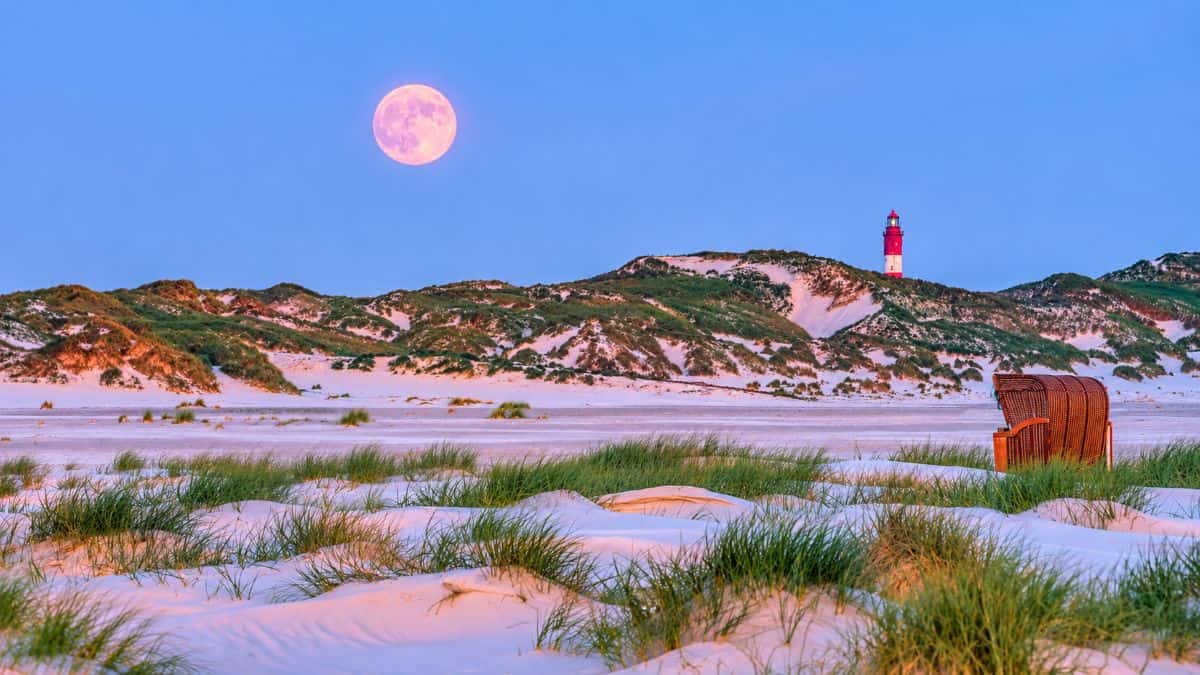
Germany’s North Sea island of Amrum is drawing renewed attention from beach travellers for its extraordinary Kniepsand, a sweeping coastal landscape that stretches for about 15 kilometres along the island’s western side. Reaching up to two kilometres in width at its broadest point, the expansive sandy area offers a distinctive combination of dunes, sea views, walking routes and open space. Its scale has led to the long-standing description of Kniepsand as Europe’s largest bathing beach, although that distinction is not an officially recognised title.
For travellers seeking a quieter alternative to densely developed seaside destinations, Amrum provides an unusual coastal experience. Visitors approach the beach through dune landscapes and wooden boardwalks, while sections of the shoreline support swimming, watersports, beach activities and dedicated areas for dogs and naturists. The breadth of Kniepsand also means that the sea can be several hundred metres from some access points, adding to the impression of an immense natural landscape rather than a conventional resort beach.
Kniepsand Creates An Exceptional North Sea Travel Experience
Kniepsand occupies much of Amrum’s western coastline, beginning in the north and extending towards the southern tip of the island. Its unusual appearance is closely connected with the island’s coastal development. The sandy formation was once a sandbank positioned at an angle to Amrum, but over centuries the influence of tides gradually moved it towards the island until it became closely attached to the coastline.
The result is a landscape where visitors encounter broad stretches of pale sand framed by dunes and coastal vegetation. From elevated areas, the beach can appear almost desert-like, while the North Sea remains visible as a narrow blue horizon beyond the vast sandy foreground. This combination gives Amrum a strong visual identity and makes the island particularly appealing to travellers interested in nature-focused holidays.
Advertisement
Advertisement
A Beach Measured In Kilometres Rather Than Metres
The sheer dimensions of Kniepsand are central to its appeal. At approximately 15 kilometres long and up to two kilometres wide, the beach provides considerable space for long walks, recreation and quiet coastal exploration. The scale is especially noticeable when travellers move away from the busier bathing areas, where the broad shoreline creates a feeling of openness and solitude.
| Feature | Details |
|---|---|
| Location | Amrum, North Sea, Germany |
| Approximate length | 15 kilometres |
| Maximum width | Up to 2 kilometres |
| Main landscape | Sand, dunes and coastal vegetation |
| Swimming | Three supervised bathing beaches |
| Watersports | Surfing, sailing, catamaran sailing and stand-up paddleboarding |
| Other beach areas | Dog-friendly sections and naturist zones |
| Access | Walking and cycling routes through the island |
| Key travel character | Nature, wide-open beaches and long coastal walks |
These dimensions also explain why the beach experience can differ considerably depending on where visitors enter. Some areas are lively during the summer, while others offer the solitude associated with remote coastal scenery.
Advertisement
Advertisement
Summer Brings Swimming And Watersports To Amrum
During the warmer months, Kniepsand becomes a major attraction for holidaymakers. Watersports form an important part of the visitor experience, with opportunities for surfing, sailing, catamaran sailing and stand-up paddleboarding. For traditional beachgoers, the wide sandy environment provides space for recreation away from the water.
Three supervised bathing beaches provide designated swimming opportunities, including an area around Norddorf where lifeguards oversee bathing activity. Beachgoers can also find colourful beach chairs and space for beach volleyball, creating a more active atmosphere in the busier sections.
Advertisement
Advertisement
The enormous width of Kniepsand is an important practical consideration. Travellers should not assume that every point of the sandy area lies immediately beside the water. In some locations, the walk from the access point to the sea can extend for several hundred metres.
Walking Routes Lead Through Dunes And Island Landscapes
Amrum’s beach is not simply a destination reached by car and a short walk. Several beach access routes require visitors to continue on foot or by bicycle after leaving vehicles at a distance. Roads, wooden boardwalks and paths through dunes connect different parts of the island with Kniepsand.
The journey itself forms part of the experience. Depending on the chosen route, travellers can move through forests, heathland and rolling dunes before reaching the beach. Birdwatching and coastal scenery add further interest for visitors who prefer active exploration to conventional sun-and-sea tourism.
One notable route in the north leads towards the Himmelsleiter, a wooden staircase reaching a dune viewpoint. From the elevated platform, travellers can look across the expansive Kniepsand before descending towards the beach. The island’s distinctive lighthouse is another prominent feature visible from parts of the sandy coastline.
Advertisement
Advertisement
The European Beach Claim Comes With An Important Qualification
Despite its reputation, describing Kniepsand as Europe’s largest bathing beach requires some qualification. The designation is not an official European title claimed by Amrum. Local tourism representatives have explained that the expression comes largely from local usage rather than from a formal ranking or internationally recognised measurement.
Other European coastal landscapes complicate any simple comparison. The Curonian Spit, for example, is associated with a much longer sandy coastline, while Schiermonnikoog has a beach that can reach around four kilometres in width. Beaches around St Peter-Ording and the Danish island of Rømø also have substantial dimensions.
For travellers, however, the distinction matters less than understanding what Kniepsand actually offers. Its combination of length, width, dunes and accessible recreational areas makes it one of the most striking beach environments associated with Germany’s North Sea islands.
Amrum Offers More Than A Conventional Beach Holiday
The appeal of Amrum extends beyond swimming and sunbathing. Its green landscapes, dunes, heathland, woodland and coastal paths create opportunities for walking and nature observation. The surrounding environment also provides a different pace from highly urbanised coastal resorts, particularly for travellers interested in landscapes and outdoor experiences.
Dog-friendly beach sections make the island relevant to travellers holidaying with pets, while designated naturist areas provide additional choice for visitors. The availability of different beach environments means that Kniepsand can accommodate both active holidaymakers and those looking for greater tranquillity.
The strongest attraction remains the sense of scale. Walking across the sand with dunes behind and the North Sea ahead creates an experience that is difficult to replicate on smaller, more intensively developed beaches. That spaciousness is central to Amrum’s identity as a nature-oriented destination.
Advertisement
Advertisement
Why Kniepsand Matters For Germany’s Coastal Tourism
Kniepsand illustrates how Germany’s North Sea islands can compete for attention through natural landscapes rather than conventional resort infrastructure. Its vast dimensions, distinctive dune environment and opportunities for walking and watersports provide several reasons for travellers to consider Amrum when planning a coastal escape.
The beach’s reputation should nevertheless be presented accurately. Calling it Europe’s largest bathing beach reflects a popular local description rather than an official continental designation. That distinction does not diminish its physical scale or travel appeal; instead, it provides useful context for visitors comparing major European beaches.
For travellers searching for expansive sands, coastal walks and a quieter island atmosphere, Amrum offers a distinctive North Sea experience where the journey through dunes is almost as memorable as reaching the shoreline.
Frequently Asked Questions
What is Kniepsand?
Kniepsand is the extensive sandy coastal area along much of the western side of Amrum in Germany’s North Sea region.
How long is Kniepsand?
The beach is approximately 15 kilometres long.
How wide is Kniepsand?
At its broadest point, Kniepsand reaches about two kilometres in width.
Advertisement
Advertisement
Is Kniepsand officially Europe’s largest bathing beach?
No. The description is widely used but is not an official title claimed by Amrum.
Can visitors swim at Kniepsand?
Yes. There are three supervised bathing beaches where swimming takes place.
What watersports are available?
Activities include surfing, sailing, catamaran sailing and stand-up paddleboarding.
Can travellers visit Kniepsand with dogs?
Yes. Certain sections of the beach are designated for visitors travelling with dogs.
Are there naturist areas on Kniepsand?
Yes. The beach includes designated FKK areas.
How do visitors reach the beach?
Beach access routes are reached on foot or by bicycle, with paths and wooden boardwalks crossing the island’s dune landscapes.
What makes Amrum attractive for nature travellers?
Amrum combines extensive sandy beaches with dunes, woodland, heathland, coastal walking routes, birdlife and open North Sea scenery.
Advertisement
