
Myanmar Opens Nat Ma Taung Routes to Slow Hikers

Published
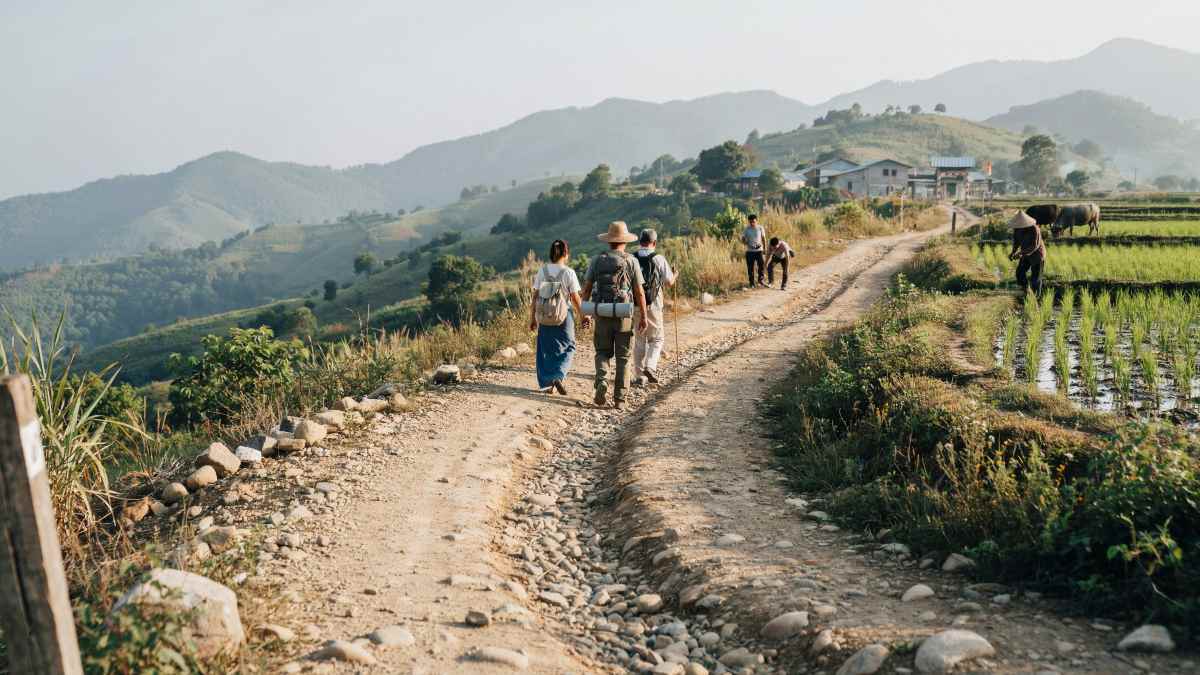
Image generated with Ai
Initiatives have been started to conduct community-based trekking around the Nat Ma Taung National Park, which is situated in the southern part of Chin State. This will give tourists opportunities to explore the highlands of the mountains of Mount Victoria and to connect their mountaineering with the community of the Chins. The tallest peak in the park is Mount Victoria, which rises to the height of 3,053 meters and is an ASEAN Heritage Park. The highland regions of the area consist of pine and rhododendron forests, remote villages and various mountain ecosystems.
Nat Ma Taung Creates Highland Trekking Routes
Nat Ma Taung provides a distinctive setting for multi-day trekking.
The mountain landscape rises above the surrounding Chin highlands, with forested slopes and high-altitude terrain creating routes for experienced walkers and nature-focused travellers.
Community-organised corridors allow trekking itineraries to connect different villages rather than concentrating visitors around a single viewpoint or attraction.
Advertisement
Advertisement
For travellers, multi-day routes provide opportunities to experience the changing landscape at a slower pace, with overnight stays forming an integral part of the journey.
The dry season provides the principal period for trekking activity, when conditions are more suitable for longer mountain excursions.
Advertisement
Advertisement
Mount Victoria Highlights Mountain Biodiversity
Mount Victoria is an important attraction for travellers interested in biodiversity as well as hiking.
The highland environment contains pine and rhododendron vegetation, while the wider protected landscape supports a range of plant and animal species adapted to montane conditions.
Advertisement
Advertisement
This makes Nat Ma Taung particularly relevant to botanical tourism and nature-focused travel.
Guided trekking can provide visitors with opportunities to observe highland vegetation and learn about the ecological characteristics of the mountain environment while following established routes.
The combination of altitude, forest and biodiversity gives the destination a tourism profile distinct from Myanmar’s better-known cultural and urban attractions.
Chin Villages Add Cultural Experiences
The trekking corridors connect remote mountain communities where traditional cultural practices remain part of village life.
Advertisement
Advertisement
Ancestral weaving is among the cultural traditions that can form part of visitor experiences. Travellers staying in local communities can encounter traditional textiles and learn about the skills involved in producing them.
Village-based cultural experiences also add depth to multi-day trekking itineraries by connecting the natural environment with the people who live within it.
Rather than visiting cultural attractions as isolated stops, travellers can encounter traditions as part of a broader journey through the Chin highlands.
Community Homestays Support Longer Visits
Homestays are an important component of the emerging tourism network.
Local households can provide meals and overnight accommodation for trekkers moving through the mountain corridors. This gives visitors a practical way to remain in remote areas while creating direct tourism income for participating communities.
Homestays can also help extend the length of visitor stays. Instead of returning to larger settlements after a single excursion, travellers can undertake several days of trekking between villages.
Advertisement
Advertisement
The arrangement creates a closer connection between accommodation and the landscapes being explored.
Local Guides Lead Mountain Experiences
Community-level guiding is another central element of the trekking model.
Local guides can lead visitors along mountain routes while providing information about the surrounding forests, villages and cultural traditions.
Their knowledge is particularly relevant in remote terrain where established commercial tourism infrastructure is limited.
Using community-based guides also means tourism activity can remain connected to local knowledge and village organisations rather than relying entirely on external operators.
For visitors, this can create more locally focused trekking experiences.
Advertisement
Advertisement
Conservation Funds Support Trail Management
Trail maintenance fees and other visitor contributions are being managed through community-level revolving conservation funds.
These funds create a direct relationship between tourism activity and the maintenance of the natural environment used by trekkers.
Trail upkeep is important in mountainous areas where rainfall, vegetation growth and regular foot traffic can affect walking routes.
Community-managed conservation funding can also support local involvement in protecting the landscapes surrounding the trekking corridors.
Nat Ma Taung Broadens Myanmar Tourism
Nat Ma Taung is adding a highland dimension to Myanmar tourism, offering an alternative to itineraries focused primarily on major cultural sites and established urban destinations.
The combination of mountain trekking, biodiversity, village stays and Chin cultural experiences gives visitors multiple reasons to spend several days in the region.
Advertisement
Advertisement
The destination can particularly appeal to experienced trekkers, botanists and travellers interested in community-based nature tourism.
Its location within an ASEAN Heritage Park also strengthens the connection between tourism and protected-area conservation.
Myanmar Develops Community Highland Travel
Nat Ma Taung’s community treks are building up an organised means of enjoying what is characteristic of a Myanmar highland. It allows visitors to trek through pine and rhododendron forest, live in mountain villages, see weaving skills and learn about biodiversity in Mount Victoria. It is also a good means for the preservation of basic services for tourism at the community level, like guiding, meals and trail management. With the increasing number of treks during the dry season, the Nat Ma Taung National Park is establishing a unique form of tourism involving mountain adventure, the culture of the Chins and biodiversity.
Advertisement
