
Mississippi Aligns with Illinois, North Carolina and More US States Pocketing Cash from Events, Hotels and Attractions, Boosting Tourism Economy

Updated
Published
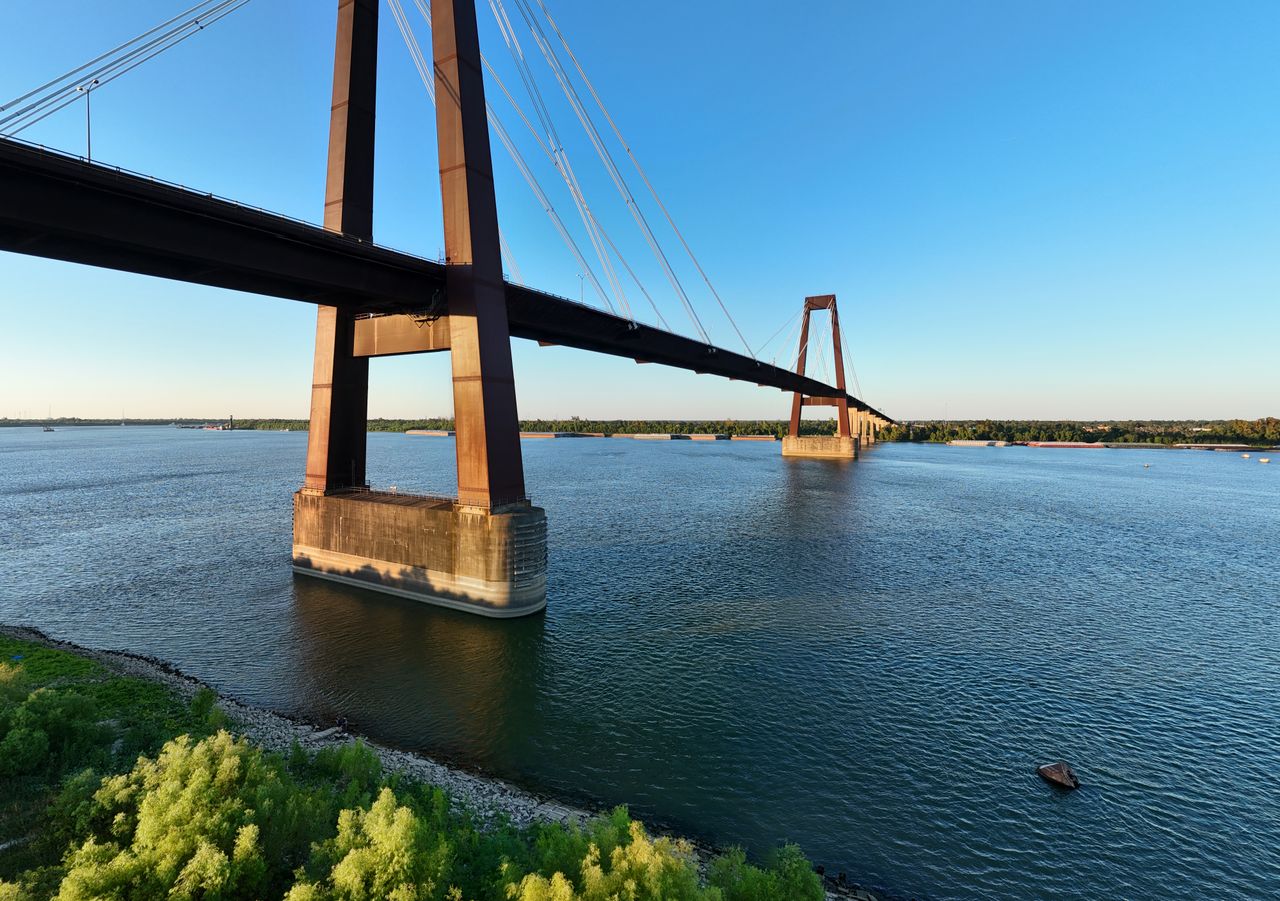
Mississippi aligns with Illinois, North Carolina and more US states, pocketing cash from events, hotels and attractions while boosting its tourism economy through stronger visitor demand.
Mississippi aligns with Illinois, North Carolina and more US states as tourism activity grows. Meanwhile, events attract travellers, hotels capture longer stays, and attractions generate spending. Together, these sectors are pocketing cash and boosting the tourism economy. Across the country, state destinations are using travel demand to strengthen businesses, jobs and communities.
Mississippi Tourism Hits Record 45.5 Million Visitors in 2025, Generating $18.9 Billion for the State
Mississippi tourism reached a historic milestone in 2025, with 45.5 million visitors travelling across the state and generating a record $18.9 billion in total economic activity. The latest figures underline the growing importance of tourism to Mississippi’s hotels, restaurants, attractions, events and local businesses.“Every visitor who chooses Mississippi helps support the local businesses, jobs, places and traditions that define our state,” Hicks said. “Through strategic marketing, destination development and collaboration with our partners, we will continue building on this momentum and sharing Mississippi’s authentic story with the world.”
How Many Visitors Did Mississippi Welcome in 2025?
Mississippi welcomed 45.5 million visitors in 2025, marking a record year for the state’s tourism industry. According to figures announced by Gov. Tate Reeves and highlighted by the Mississippi Tourism Association, travellers generated substantial spending across destinations and communities throughout the state.
Advertisement
Advertisement
The visitor numbers reflect demand across a broad range of tourism experiences, from accommodation and dining to attractions, entertainment, festivals and sporting activities. Tourism therefore continues to extend beyond Mississippi’s major destinations, with smaller communities and locally owned businesses also benefiting from visitor expenditure.
The record also provides a significant boost for Mississippi’s wider visitor economy as the state continues efforts to attract travellers from outside its borders.
Advertisement
Advertisement
How Much Did Tourists Spend in Mississippi?
Visitors spent $12.4 billion directly in Mississippi during 2025, contributing to a total economic impact of $18.9 billion. The spending supported businesses operating throughout the tourism and hospitality ecosystem, including hotels, restaurants, attractions, entertainment venues and other visitor-focused enterprises.
The Mississippi Tourism Association pointed to the practical impact of this expenditure on communities across the state. More hotel stays mean greater demand for accommodation workers, while increased restaurant visits, attraction admissions, events and local shopping create additional opportunities for businesses and employees.
Advertisement
Advertisement
The scale of visitor spending also demonstrates how tourism can influence economic activity beyond the traditional travel sector.
How Many Mississippi Jobs Were Supported by Tourism?
Tourism supported 137,728 jobs across Mississippi in 2025, highlighting the industry’s role as a major source of employment.
The Mississippi Tourism Association stressed that the record figures represent more than visitor statistics and financial totals. Behind the numbers are employees working in hotels, restaurants, attractions, entertainment, events and other businesses that depend on visitor demand.
The association described the results as evidence of tourism’s community-level importance, noting that visitor activity translates into hotel rooms being occupied, meals being served, attractions being visited and festivals being attended.
Advertisement
Advertisement
This employment contribution gives the record tourism performance broader significance for Mississippi communities.
What Is Driving Mississippi’s Tourism Growth?
Statewide tourism promotion and regional storytelling have played an important role in attracting travellers, according to tourism officials. The Mississippi Tourism Association recognised Rochelle Hicks and Visit Mississippi for their work on promotional campaigns and initiatives designed to encourage out-of-state travel.
Such campaigns help destinations communicate Mississippi’s attractions to potential visitors while highlighting experiences available across different regions.
The state’s tourism strategy also extends to the business and meetings market, with industry professionals working to attract conferences and large-scale events that can generate additional visitor spending.
| Rank | US State | Visitor Spending | Year | Change |
|---|---|---|---|---|
| 1 | California | $158.9 billion | 2025 | +1.7% |
| 2 | Illinois | $50.2 billion | 2025 | +3.5% |
| 3 | North Carolina | $37.2 billion | 2025 | +1.3% |
| 4 | Virginia | $36.2 billion | 2025 | +3.1% |
| 5 | Tennessee | $32.5 billion | 2025 | +2.7% |
| 6 | Washington | $25.3 billion | 2025 | +0.9% |
| 7 | Hawaii | $21.75 billion | 2025 | +5.7% |
| 8 | Oregon | $14.6 billion | 2025 | +1.3% |
| 9 | North Dakota | $3.4 billion | 2025 | -1.2% |
What Is Happening at Mississippi’s Governor’s Conference on Tourism?
The record-breaking figures come as tourism and hospitality professionals prepare for the annual Governor’s Conference on Tourism in Oxford.
The event brings together destination marketing organisations, tourism businesses and community leaders to examine industry trends, discuss opportunities and recognise achievements across Mississippi’s visitor economy.
Advertisement
Advertisement
The conference provides an important forum for tourism stakeholders following the state’s record performance in 2025, particularly as destinations assess how to sustain visitor demand and strengthen economic benefits.
The US tourism economy entered a major new phase in 2025, with several states reporting record visitor spending and substantial gains for hotels, restaurants, attractions, transport providers, entertainment businesses and local communities. California remained the largest reported state tourism market, while Illinois, North Carolina, Virginia and Tennessee also recorded billions of dollars in visitor expenditure.
The latest government-reported figures show how differently tourism performs across the United States. Some states benefited from rising domestic travel, others from international demand, and several combined destination marketing, major events, meetings, attractions and outdoor experiences to strengthen their visitor economies.
However, a complete 50-state ranking for 2025 is not yet appropriate because states publish tourism economic-impact studies on different schedules and use different methodologies. The figures below therefore focus on states for which official government sources have reported comparable or clearly defined 2025 visitor-spending data.
Which US State Recorded the Highest Visitor Spending in 2025?
California recorded $158.9 billion in travel spending in 2025, according to the California Governor’s Office, making it the largest reported state tourism economy among the verified 2025 figures reviewed.
The state recorded a 1.7% increase in travel spending compared with 2024, demonstrating continued demand despite changing travel costs and broader economic pressures.
Advertisement
Advertisement
California’s enormous visitor economy extends across major international gateways, coastal destinations, cities, theme parks, national parks, wine regions and convention centres. Los Angeles, San Diego, San Francisco, Anaheim and other destinations collectively contribute to a tourism ecosystem that reaches far beyond accommodation and sightseeing.
The economic importance is also reflected in employment. California reported that tourism supported approximately 1.2 million jobs, underlining how visitor expenditure circulates through hotels, restaurants, attractions, transport companies, retailers and other businesses.
| State | Latest Official Tourism Figure | 2026 Indicator Available | Visitor Spending / Economic Impact | Key 2026 Tourism Development |
|---|---|---|---|---|
| California | 2025: record $158.9B travel spending | 2026 forecast: 275.5M visitors | 2026 spending forecast: $166.5B | FIFA World Cup activity expected to support tourism demand |
| Illinois | 2025: 115M visitors | 2026 major-event year | 2025 spending: $50.2B; economic impact $88B | Route 66 Centennial and America’s 250th anniversary |
| North Carolina | 2025: $37.2B visitor spending | 2026 major-events activity underway | $37.2B in 2025; 230,997 tourism jobs | FIFA World Cup-related events and western NC recovery |
| Virginia | 2025: 46.6M overnight visitors | Hotel demand +3.1% through June 2026 | 2025 spending: $36.2B | Hotel revenue +6.4% through June 2026 |
| Tennessee | 2025: 150M visits | 2026 tourism reporting underway | 2025 direct spending: $32.5B | Tourism remains a major statewide economic sector |
| Washington | 2025 economic-impact data not yet replaced by a full 2026 annual figure | 2026 visitor-economy monitoring underway | 2025 spending: $25.3B | State continues strengthening statewide visitor-economy policy |
| Hawaii | Monthly 2026 data available | 800,554 visitors in May 2026 | May 2026 spending: $1.77B, +5.3% YoY | Average daily visitor spending reached $292, +13.1% |
| Oregon | 2025: $14.6B travel spending | 2026 annual result not yet available | $14.6B in 2025; 122,900 direct travel jobs | 2026 tourism monitoring continues |
| North Dakota | 2025: 25.6M visitors | Early 2026 indicators improving | 2025 spending: $3.4B | Theodore Roosevelt National Park visitation +27.3% YTD through April |
| Mississippi | 2025: 45.5M visitors | 2026 full-year result not yet available | 2025 spending: $12.4B; economic impact $18.9B | New airline connectivity strengthening access |
California’s Tourism Economy Remains a Major US Travel Powerhouse
California’s 2025 performance demonstrates the scale that a diversified tourism market can achieve.
The state’s visitor proposition covers leisure, business travel, meetings and events, entertainment, luxury tourism, road trips, outdoor recreation and international travel. This diversity helps distribute visitor expenditure among different destinations and travel segments.
For the US travel industry, California’s results also demonstrate the importance of maintaining international visibility while retaining strong domestic demand.
The state’s record spending figure does not mean every tourism business or destination experienced identical growth. Instead, it represents the aggregate economic activity generated by travel across California.
Advertisement
Advertisement
California remains the largest tourism economy among the states covered by the latest official figures. The California Governor’s Office reported that travel spending reached a record $158.9 billion in 2025, increasing 1.7% from the previous year.
The outlook for 2026 remains substantial. California’s tourism forecast projects approximately 275.5 million visits and around $166.5 billion in visitor spending during 2026.
California’s strength comes from an unusually diversified tourism portfolio. Los Angeles, San Francisco, San Diego, Anaheim, the Central Coast, wine country and the state’s national parks attract different visitor segments throughout the year.
The 2026 calendar also includes major international travel opportunities, including FIFA World Cup activity, providing additional exposure for California destinations.
Illinois Visitor Spending Surpasses $50 Billion
Illinois recorded $50.2 billion in visitor spending in 2025, becoming the second major state in the verified government data to cross the $50 billion threshold.
The Illinois Governor’s Office reported that visitor spending increased 3.5% during the year, while the state welcomed approximately 115 million domestic and international visitors.
Advertisement
Advertisement
Tourism generated an estimated $88 billion in total economic impact, demonstrating that direct visitor expenditure represents only part of the wider economic contribution.
Chicago remains central to Illinois’s visitor economy, particularly through international tourism, business travel, conventions, major sporting events, cultural attractions, restaurants and entertainment. However, the state’s tourism offer also extends into smaller cities, historic communities, outdoor destinations and regional attractions.
The state’s 2025 figures therefore illustrate the importance of combining metropolitan tourism with broader statewide destination development.
Illinois enters 2026 after recording a major tourism milestone. According to the Illinois Governor’s Office, the state welcomed approximately 115 million visitors in 2025, while visitor spending reached $50.2 billion, an increase of 3.5%.
Tourism generated approximately $88 billion in total economic impact, demonstrating how visitor expenditure extends through accommodation, restaurants, attractions, transportation and other sectors.
Chicago remains the state’s principal international and business-travel gateway, but Illinois is also promoting destinations beyond the metropolitan area.
Advertisement
Advertisement
Two significant themes are shaping Illinois tourism in 2026: the Route 66 Centennial and celebrations connected with the 250th anniversary of the United States. These events provide opportunities for road travel, heritage tourism, cultural tourism and domestic travel.
North Carolina Records $37.2 Billion in Visitor Spending
North Carolina reported $37.2 billion in visitor spending during 2025, an increase of approximately 1.3% from the previous year’s record.
Government figures show that domestic visitors accounted for approximately $36.1 billion, while international travellers contributed another $1.1 billion.
That distinction provides an important insight into the state’s tourism structure. North Carolina’s visitor economy remains overwhelmingly supported by domestic travel, although international tourism provides an additional source of expenditure.
The state’s mountains, coastline, beaches, cities, sporting events, cultural attractions and outdoor experiences create a broad tourism portfolio.
Tourism also supported approximately 230,997 jobs in North Carolina, while visitor activity generated more than $2.7 billion in state and local tax revenue.
Advertisement
Advertisement
For communities across the state, tourism therefore represents more than visitor arrivals; it provides employment and public-sector revenue while supporting businesses that depend on travellers.
North Carolina recorded $37.2 billion in visitor spending in 2025, according to the North Carolina Department of Commerce.
The figure increased 1.3% from the previous year. Domestic travellers generated approximately $36.1 billion, while international visitors contributed another $1.1 billion.
Tourism also supported approximately 230,997 jobs, demonstrating the industry’s importance to the state’s employment base.
North Carolina’s tourism offer is geographically diverse, stretching from the Atlantic coast to the Blue Ridge Mountains. Beaches, outdoor recreation, cities, food, culture and sporting events provide multiple reasons to travel.
In 2026, major international events and continued recovery efforts in western North Carolina are important factors for the state’s tourism industry.
Advertisement
Advertisement
Virginia Tourism Spending Reaches $36.2 Billion
Virginia reported another record year, with $36.2 billion in visitor spending in 2025, representing a 3.1% increase over the previous year.
The Virginia Tourism Corporation reported approximately 46.6 million overnight visitors, highlighting the importance of longer stays to the Commonwealth’s visitor economy.
Virginia’s tourism geography is particularly diverse. Historic destinations, coastal communities, mountain areas, wineries, outdoor attractions and urban centres all contribute to the state’s visitor proposition.
The state’s proximity to Washington, DC, also creates opportunities for leisure tourism, meetings, business travel and international visitors.
Virginia’s results demonstrate how a combination of destination diversity and accessibility can support sustained tourism expenditure across multiple regions rather than concentrating all visitor activity in a single destination.
Virginia finished 2025 with $36.2 billion in visitor spending, up 3.1%, while the state recorded approximately 46.6 million overnight visitors, according to the Virginia Governor’s Office.
Advertisement
Advertisement
More recent 2026 indicators provide evidence of continued activity. Through June 2026, Virginia hotel demand increased 3.1%, compared with 1.8% nationally. Hotel revenue also increased approximately 6.4%.
Virginia benefits from a broad combination of heritage, coastal, outdoor, culinary and wine tourism. Its location close to Washington, DC, also supports business travel and leisure tourism.
The state’s 2026 performance illustrates why hotel demand can be an important early indicator while complete annual visitor-spending figures remain unavailable.
Tennessee Visitor Spending Reaches $32.5 Billion
Tennessee recorded $32.5 billion in direct visitor spending during 2025, according to the Tennessee Department of Tourist Development.
The figure represented a 2.7% increase compared with 2024. The state also reported approximately 150 million visits during the year.
Tennessee’s tourism economy benefits from globally recognised destinations including Nashville, Memphis, the Great Smoky Mountains and other urban and outdoor attractions.
Advertisement
Advertisement
Music tourism remains a major component of the state’s visitor identity, while national parks, cultural attractions, festivals, food and entertainment create additional reasons for travellers to visit.
The state reported approximately $3.3 billion in state and local tax revenue generated by tourism.
This combination of visitor spending, employment and tax generation demonstrates how tourism can operate as a significant economic sector rather than simply a leisure activity.
Tennessee reported 150 million visits in 2025, while direct visitor spending reached a record $32.5 billion, according to the Tennessee Department of Tourist Development.
Visitor spending increased 2.7%, while tourism generated approximately $3.3 billion in state and local tax revenue.
Nashville remains a major driver because of its music, entertainment, meetings and events industries. Memphis adds another internationally recognised cultural destination, while the Great Smoky Mountains support large-scale outdoor and nature-based tourism.
Advertisement
Advertisement
Tennessee’s 2026 annual figures are not yet available, so its 2025 record remains the appropriate full-year benchmark.
Washington Generates $25.3 Billion From Visitors
Washington State recorded approximately $25.3 billion in visitor expenditure during 2025, according to state tourism research.
Visitor spending increased by approximately 0.9%, while the wider visitor economy generated an estimated $41.6 billion when indirect and induced economic activity was included.
Tourism also produced around $3.5 billion in state and local tax revenue.
Washington benefits from a combination of urban tourism in Seattle, outdoor recreation, national parks, wine tourism, coastal travel and regional road trips.
The state’s performance also illustrates why direct visitor spending and total economic impact should not be treated as identical measurements. Direct spending captures money spent by travellers, while broader economic-impact figures include additional activity generated as that spending moves through the economy.
Advertisement
Advertisement
Washington recorded approximately $25.3 billion in visitor expenditure in 2025, with spending increasing around 0.9%.
The state’s tourism economy benefits from the combination of Seattle’s urban attractions and business travel with national parks, outdoor recreation, wine tourism and coastal destinations.
Washington’s tourism performance is particularly relevant to the wider US travel industry because it demonstrates how urban and nature-based tourism can operate together.
Seattle provides a major gateway for international and domestic travellers, while destinations outside the metropolitan area encourage longer itineraries and regional travel.
A complete statewide 2026 economic-impact figure has not yet been published, meaning the 2025 result remains the latest full-year benchmark.
Hawaii Visitor Spending Climbs to $21.75 Billion
Hawaii reported $21.75 billion in visitor spending in 2025, representing an increase of approximately 5.7% compared with 2024.
Advertisement
Advertisement
The Hawaii Department of Business, Economic Development & Tourism reported approximately 9.64 million visitors during the year.
Notably, visitor arrivals declined slightly, by around 0.6%, while total spending increased. This suggests that visitor expenditure can rise even when arrival volumes remain relatively stable, particularly when travellers stay longer, spend more or face higher travel and accommodation prices.
Hawaii’s tourism economy remains closely connected to its hotels, resorts, restaurants, attractions, airlines, ground transportation providers and activity operators.
The state’s results also highlight the importance of monitoring both visitor volume and visitor expenditure when assessing tourism performance.
Hawaii is one of the states with particularly useful current 2026 tourism data because the Hawaii Department of Business, Economic Development & Tourism publishes monthly statistics.
In May 2026, Hawaii recorded approximately 800,554 visitors, representing a 3.8% increase compared with May 2025.
Advertisement
Advertisement
Visitor spending reached approximately $1.77 billion, increasing 5.3%. Average daily visitor spending rose by 13.1% to approximately $292 per person.
The figures illustrate an important trend: tourism performance cannot be measured solely by visitor arrivals. Spending per traveller also matters.
Hawaii’s resort accommodation, aviation connectivity, restaurants, attractions and excursion businesses make visitor expenditure particularly important to the state’s economy.
Oregon Records $14.6 Billion in Travel Spending
Oregon reported approximately $14.6 billion in travel spending in 2025, with non-inflation-adjusted expenditure increasing around 1.3% from the previous year.
The state’s visitor economy benefits from outdoor recreation, Portland, the Oregon Coast, wine tourism, scenic road trips and nature-based travel.
Government research indicates that approximately 55% of visitors came from other US states, while around 5% originated from international markets.
Advertisement
Advertisement
Travel-related employment reached approximately 122,900 jobs, demonstrating the industry’s importance to Oregon’s labour market.
The state’s experience reinforces the continuing importance of domestic road travel and regional tourism, particularly for destinations that combine outdoor experiences with food, wine and cultural attractions.
Oregon recorded approximately $14.6 billion in travel spending in 2025, according to Oregon state government.
Spending increased 1.3%, while direct travel-related employment reached approximately 122,900 jobs.
Oregon’s tourism economy includes Portland, the Oregon Coast, wine country, outdoor recreation and scenic road-trip destinations. Around 55% of visitors came from other US states, while approximately 5% originated from international markets.
The state’s figures underline the importance of domestic travel to regional tourism economies, particularly those accessible through road trips and short-haul journeys.
Advertisement
Advertisement
North Dakota Shows a Different Tourism Trend
North Dakota recorded approximately $3.4 billion in visitor spending in 2025, according to state government research.
Unlike most of the states highlighted above, spending declined by around 1.2% from 2024.
The state attributed part of the weakness to reduced Canadian travel, while domestic tourism continued to represent the larger component of its visitor market.
North Dakota’s results are important because they show that the US tourism recovery is not uniform. Border markets, international travel patterns, economic conditions and destination-specific demand can materially influence individual states.
| State | Visitor Spending | Spending Year |
|---|---|---|
| California | $158.9B | 2025 |
| Illinois | $50.2B | 2025 |
| North Carolina | $37.2B | 2025 |
| Virginia | $36.2B | 2025 |
| Tennessee | $32.5B | 2025 |
| Washington | $25.3B | 2025 |
| Hawaii | $21.75B | 2025 |
| Oregon | $14.6B | 2025 |
| Mississippi | $12.4B | 2025 |
| North Dakota | $3.4B | 2025 |
Why Florida, Texas and New York Need Separate Treatment
Several of the largest US tourism markets have substantial visitor economies, but their latest official state-level economic-impact figures available for comparison are from 2024 rather than 2025.
Florida reported approximately $134.9 billion in out-of-state visitor spending in 2024, while Texas reported approximately $97.5 billion in visitor spending for the same year. New York reported approximately $94 billion in direct visitor spending in 2024.
Advertisement
Advertisement
These numbers are highly significant, but inserting them beside 2025 figures would create a mixed-year ranking.
The same issue applies to Pennsylvania, Georgia and Massachusetts, which have published substantial 2024 visitor-spending figures while their comparable 2025 statewide results are not yet available in the government data reviewed.
What Do the 2025 State Tourism Figures Mean for the US Travel Industry?
The emerging 2025 data shows that tourism remains a major economic engine across the United States, but growth is uneven between destinations.
California’s $158.9 billion figure demonstrates the scale of the country’s largest reported state tourism economy, while Illinois surpassed $50 billion and North Carolina, Virginia and Tennessee each exceeded $30 billion.
Washington, Hawaii and Oregon also generated substantial visitor expenditure, while North Dakota demonstrated how international-border conditions can influence a smaller tourism market.
For hotels, airlines, destination management organisations, attractions, restaurants and meeting planners, the broader lesson is clear: visitor numbers alone do not explain tourism performance. Spending, length of stay, domestic versus international demand, business travel, major events, employment and tax generation all provide important measures of the industry’s economic footprint.
Advertisement
Advertisement
As more states publish their final 2025 economic-impact studies, a complete national comparison should become possible. Until then, government-reported figures should be compared carefully, with the year, definition of visitor spending and methodology clearly identified.
How Is Mississippi’s Airline Network Expanding?
Mississippi’s aviation network is developing across several different markets rather than relying on a single airport or route. Jackson-Medgar Wiley Evers International Airport is strengthening its connections to major hubs, Natchez has regained scheduled commercial service, and Gulfport-Biloxi International Airport is receiving seasonal service from the Upper Midwest.
The Jackson Municipal Airport Authority’s current route network includes nonstop connections to major cities such as Atlanta, Charlotte, Dallas-Fort Worth, Miami, Houston, Washington, DC and Nashville.
These connections are important because Mississippi does not need direct flights to every major US or international destination to offer broad connectivity. Instead, passengers can use large airline hubs to connect onwards to hundreds of destinations across the United States and overseas.
What New Route Has Jackson Added?
One of the most important recent developments at Jackson is the introduction of American Airlines’ nonstop service to Miami International Airport.
The route began on 14 March 2026, providing Jackson with a direct connection to one of the United States’ most important aviation gateways. The Mississippi Airports Association reported that the service was introduced as part of Jackson’s broader efforts to strengthen its air network.
Advertisement
Advertisement
Miami is particularly significant because of its extensive connections to Florida, the Caribbean, Central America and South America. The new service therefore provides Mississippi passengers with another major gateway for onward travel while creating an additional access point for travellers coming into the state.
For tourism, the route is relevant because visitors from Miami and connecting markets can reach central Mississippi more conveniently.
Why Is Nashville Important for Jackson?
Jackson also gained a direct connection to Nashville, Tennessee, when Southwest Airlines added the route in 2025.
The Jackson Municipal Airport Authority said the addition expanded Southwest’s nonstop destinations from Jackson and contributed to an increase in available flight options during the 2025 summer season.
Nashville is a major leisure, entertainment and business destination in its own right, but its importance extends beyond Tennessee. The airport provides access to a broad network of domestic destinations, giving Mississippi passengers additional connecting options.
For inbound travel, the route can also make Mississippi more accessible to visitors already travelling through the Nashville market.
Advertisement
Advertisement
Why Is Natchez Getting Commercial Flights Again?
The return of commercial aviation to Natchez is one of Mississippi’s most significant regional aviation developments.
United Express began daily service between Natchez-Adams County Airport and Houston George Bush Intercontinental Airport on 1 July 2026. The service is operated by SkyWest Airlines for United Airlines using a 50-seat regional aircraft.
According to the official Natchez tourism announcement, the service restores commercial jet connectivity to the destination after an absence of more than 30 years.
The development is particularly important for a historic tourism destination such as Natchez, where accessibility can influence visitors’ decisions about whether to include the city in a Mississippi itinerary.
How Does Houston Connect Natchez to More Travellers?
The importance of the Natchez-Houston route goes beyond the direct connection between the two cities.
Houston George Bush Intercontinental Airport is a major United Airlines hub, allowing passengers arriving from Natchez to connect onwards to numerous destinations across the United States and international markets.
Advertisement
Advertisement
For visitors, this creates the possibility of reaching Natchez without first travelling by road from a distant airport. For local residents, the route provides a direct connection to a major commercial and aviation centre.
The City of Natchez has highlighted the return of commercial aviation as an important development for the community and its wider economy.
What Does the Natchez Route Mean for Tourism?
The new route arrives as Natchez continues to depend heavily on heritage and cultural tourism.
According to the Natchez tourism announcement, Adams County generated approximately $129 million in direct visitor spending during 2024, while tourism produced an estimated $193.9 million in total economic impact.
Improved air access could make it easier for leisure travellers, business visitors and meeting groups to reach the destination.
Natchez’s historic architecture, Mississippi River setting, cultural attractions and heritage experiences give it a distinctive tourism proposition. The challenge has traditionally been accessibility, particularly for visitors travelling from markets beyond driving distance.
Advertisement
Advertisement
The new Houston connection addresses part of that challenge by linking the destination directly with a major national and international aviation hub.
Is Gulf Coast Air Connectivity Also Growing?
Mississippi’s Gulf Coast is also benefiting from additional air service.
Sun Country Airlines is operating seasonal nonstop service between Minneapolis-St. Paul International Airport and Gulfport-Biloxi International Airport during 2026.
The service is scheduled to operate between 10 September and 19 November, with flights on Thursdays and Saturdays, according to Coastal Mississippi.
The connection provides another direct link between the Upper Midwest and Coastal Mississippi.
Gulfport-Biloxi serves a tourism region known for beaches, casinos, golf, restaurants, entertainment and waterfront attractions. Seasonal air service can therefore be particularly useful for leisure tourism, allowing airlines to match capacity with periods of anticipated demand.
Advertisement
Advertisement
What Role Does Tupelo Play in Mississippi’s Air Network?
Tupelo Regional Airport provides another important regional gateway.
The Tupelo Regional Airport currently provides nonstop service to Nashville and Dallas, connecting Northeast Mississippi with two important aviation markets.
These routes demonstrate the importance of regional airports in Mississippi’s tourism and business infrastructure. Smaller airports do not need an extensive list of nonstop destinations when they can connect efficiently with major hubs.
Dallas and Nashville give travellers from Northeast Mississippi access to wider domestic and international networks while providing visitors with practical entry points into the region.
How Could New Airline Routes Boost Mississippi Tourism?
Air connectivity can influence tourism in several ways. The most immediate benefit is accessibility: travellers are more likely to consider destinations that can be reached through convenient nonstop or one-stop journeys.
For Mississippi, that could benefit hotels, restaurants, museums, attractions, tour operators, entertainment businesses and event venues.
Advertisement
Advertisement
The impact may be particularly significant for destinations outside major metropolitan areas. Natchez’s restored commercial service is an example of how aviation can reduce the geographical barriers faced by historic and regional destinations.
Air service can also support meetings, conferences and business travel, which often generate spending across accommodation, food and beverage, transportation and entertainment.
Mississippi’s New and Expanded Airline Routes
| Airline | Mississippi Airport | New / Expanded Route | Destination Airport | Start / Operating Period | Significance |
|---|---|---|---|---|---|
| American Airlines | Jackson-Medgar Wiley Evers International (JAN) | New nonstop service | Miami (MIA) | 14 March 2026 | Connects Jackson with Miami and onward Caribbean, Central American and South American markets |
| Southwest Airlines | Jackson-Medgar Wiley Evers International (JAN) | New nonstop service | Nashville (BNA) | April 2025 | Adds another major domestic connection and wider network access |
| United Express / SkyWest | Natchez-Adams County Airport (HEZ) | Restored daily commercial service | Houston George Bush Intercontinental (IAH) | 1 July 2026 | Restores commercial air service to Natchez after more than 30 years |
| Sun Country Airlines | Gulfport-Biloxi International (GPT) | Seasonal nonstop service | Minneapolis-St. Paul (MSP) | 10 September–19 November 2026 | Strengthens Upper Midwest access to Mississippi’s Gulf Coast |
| Existing regional connectivity | Tupelo Regional Airport (TUP) | Nonstop service | Nashville (BNA) | Ongoing | Connects Northeast Mississippi with a major domestic aviation hub |
| Existing regional connectivity | Tupelo Regional Airport (TUP) | Nonstop service | Dallas (DFW) | Ongoing |
What Does Mississippi’s New Air Connectivity Mean for the State?
Mississippi’s aviation expansion is occurring across several distinct tourism markets.
Jackson is strengthening connections with major hubs including Miami and Nashville, Natchez has regained daily commercial service to Houston, Gulfport-Biloxi is benefiting from seasonal Minneapolis connectivity, and Tupelo continues to link Northeast Mississippi with Nashville and Dallas.
Together, these developments give Mississippi more pathways into the national travel network.
The timing is significant. With 45.5 million visitors generating $18.9 billion in total economic impact in 2025, the state’s tourism industry has already demonstrated substantial economic momentum.
Advertisement
Advertisement
New airline routes cannot guarantee additional visitor growth, but they can reduce travel barriers and give destinations more opportunities to compete for travellers, events and investment.
As Mississippi continues promoting its cities, heritage attractions, coastline, outdoor experiences and cultural destinations, aviation will remain an important part of the state’s wider tourism strategy. Better connectivity gives travellers more ways to reach Mississippi—and gives the state’s tourism businesses more opportunities to convert that accessibility into overnight stays, visitor spending and economic activity.
“Mississippi’s record tourism performance demonstrates how events, hotels, attractions and stronger air connectivity can work together to generate meaningful economic activity. The state’s progress, alongside Illinois, North Carolina and other US destinations, highlights the continuing importance of tourism investment, visitor experiences and strategic destination development.”
— Anup Kumar Keshan, Founder and Editor-in-Chief, Travel And Tour World
How Is Mississippi Supporting Its Hospitality Industry?
Mississippi has also expanded professional development opportunities for tourism and hospitality businesses. The Mississippi Tourism Association recently launched an in-person Master Class series in Jackson, designed to strengthen sales capabilities within the hospitality sector.
The opening session was led by sales executive Rodney Schlosser and included a panel of professional meeting planners. The programme focused on helping hospitality sales teams develop the skills needed to secure large-scale meetings, conferences and events.
As Mississippi prepares for another busy period of tourism activity, these initiatives are intended to strengthen the industry’s ability to convert visitor interest into bookings, events and wider economic activity.
Advertisement
Advertisement
What Does the Record Mean for Mississippi Tourism?
Mississippi’s 2025 tourism figures show the substantial economic footprint created by travel across the state. With 45.5 million visitors, $12.4 billion in direct visitor spending, $18.9 billion in total economic impact and 137,728 supported jobs, tourism has become a significant contributor to Mississippi’s economy.
The challenge for the industry now is maintaining this momentum. Continued destination marketing, workforce development, meetings and events promotion and collaboration between tourism organisations and local businesses will remain important as Mississippi seeks to build on its record-breaking year.
Mississippi aligns with Illinois, North Carolina and more US states as events, hotels and attractions continue pocketing cash from travellers. Consequently, stronger visitor spending is boosting each tourism economy. As travel demand evolves, destinations are expanding connectivity, promoting experiences and supporting businesses, creating wider economic activity across communities and tourism markets.
Image:Pexels
Advertisement
