
US Joins Mexico, UK and More as World Cup Success Sparks Massive Tourism Expansion Across 1,000 Counties

Updated
Published
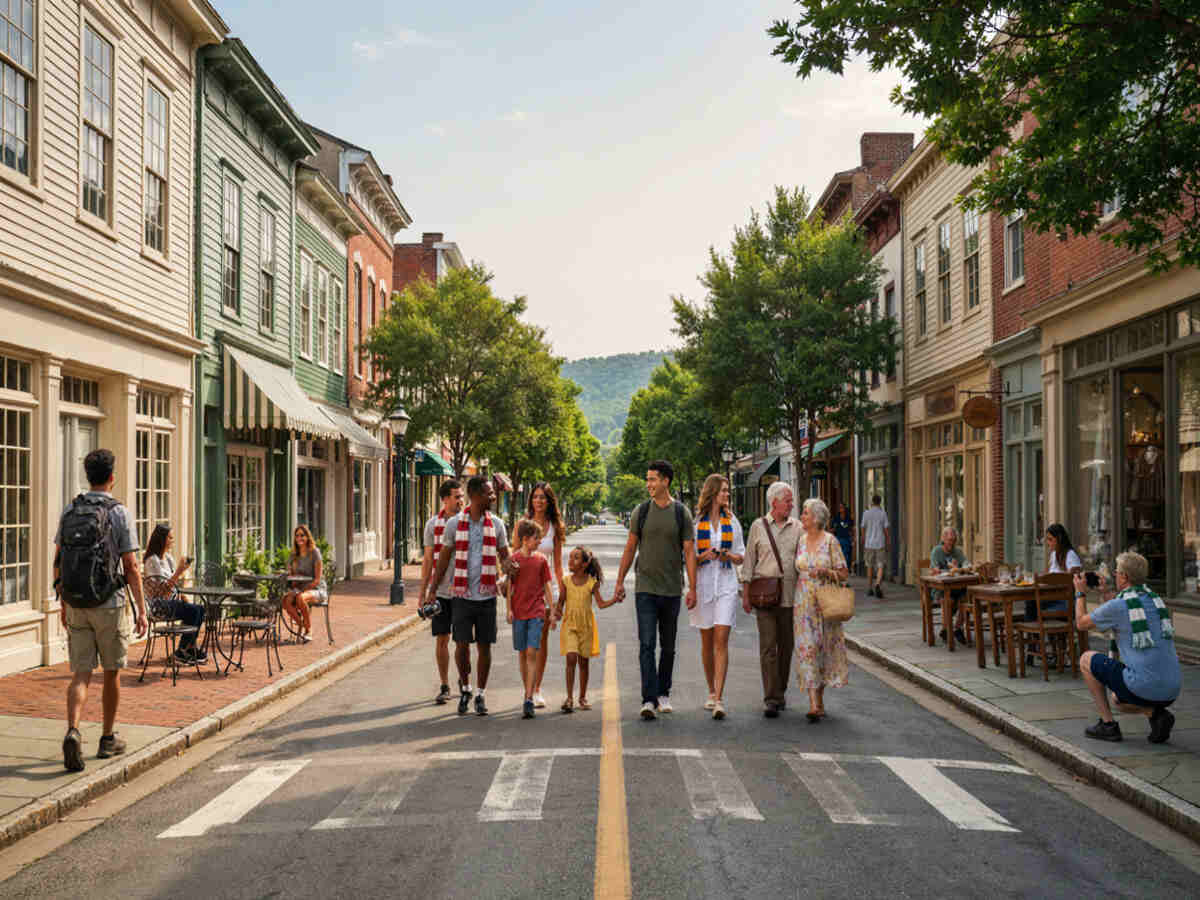
US World Cup tourism boom is generating a slew of novel opportunities as visitors from Mexico, the UK, Canada, and elsewhere are discovering American destinations beyond the football stadiums, creating new business opportunities. The 2026 FIFA World Cup inspired international fans to seek out hidden attractions, small towns, and local culture, with 73% of them going beyond their primary destinations and reaching over 1,000 US counties. The popularity has enhanced America’s tourism ambitions, including an industry target of welcoming 100 million international visitors annually by 2030.
The United States is witnessing a remarkable new chapter in tourism as the success of the 2026 FIFA World Cup brings international visitors from Mexico, the United Kingdom, Canada, India and other countries into communities far beyond the main football venues. According to the U.S. Travel Association, 73% of international fans explored another American destination, while more than 1,000 counties received World Cup travellers. This widespread movement has created fresh opportunities for local businesses and strengthened the country’s ambition to welcome 100 million international visitors annually by 2030.
Advertisement
Advertisement
FIFA World Cup Creates Powerful Tourism Opportunities Across the United States
The 2026 FIFA World Cup did much more than fill football stadiums. It encouraged international visitors to discover American cities, small towns and local attractions.
The United States hosted matches in 11 metropolitan areas. However, the tourism benefits reached much further.
Advertisement
Advertisement
Research from the U.S. Travel Association, published on 18 September 2026, revealed that international football fans travelled through more than 1,000 US counties.
Many visitors explored restaurants, shopping areas, museums and natural attractions outside their main destinations.
Advertisement
Advertisement
These journeys helped spread tourism spending beyond major cities.
The findings suggest that large sporting events can introduce smaller American communities to international travellers who might otherwise never visit them.
Mexico, UK, Canada and India Strengthen America’s International Tourism Market
Mexico, Canada and the United Kingdom remain important sources of international visitors to the United States.
India and Japan also contribute significantly to American tourism demand.
Official figures from the US National Travel and Tourism Office show that Mexico led international arrivals in July 2026, followed by Canada and the United Kingdom.
Together, these markets demonstrate the importance of international travel connections to the American economy.
Advertisement
Advertisement
Although the World Cup united the United States, Mexico and Canada as tournament hosts, the new figures do not indicate a formal tourism partnership with the United Kingdom.
Key Details of the World Cup Tourism Expansion
| Major event | FIFA World Cup 2026 |
| Host countries | United States, Mexico, and Canada |
| US host metropolitan areas | 11 |
| US counties reached by international fans | More than 1,000 |
| International fans visiting another US destination | 73% |
| Americans expressing joy over foreign visitors | 86% |
| Americans expressing national pride | 81% |
| Increase in destination spending by out-of-region visitors | 10% above baseline |
| Increase in hotel revenue per available room | 17.8% across US host markets |
| International arrivals in July 2026 | 6,248,242 |
| Industry’s international visitor target | 100 million annually by 2030 |
| Additional spending if target is achieved | $81 billion (industry estimate) |
Sources: U.S. Travel Association and US National Travel and Tourism Office. World Cup destination spending is measured against a tournament baseline, not the previous year.
Small Businesses Discover New Opportunities Beyond Football Stadiums
The World Cup created opportunities for businesses that had no direct connection with football.
International tourists needed places to eat, shop, stay and explore.
Small restaurants, independent hotels, local guides and transport providers had opportunities to serve these visitors.
The U.S. Travel Association reported that spending by visitors from outside host regions rose 10% above its research baseline.
Advertisement
Advertisement
This matters because tourism spending can reach many different industries.
A traveller visiting a small town may support several businesses during one trip.
However, the research does not establish how much additional revenue each county earned.
The findings show wider visitor movement and spending opportunities rather than equal economic growth everywhere.
American Communities Celebrate International Visitors and Cultural Connections
The tournament also changed how many Americans viewed international tourism.
According to the U.S. Travel Association, 86% of surveyed Americans expressed genuine happiness when they saw foreign visitors exploring the country.
Advertisement
Advertisement
Another 81% reported feeling proud.
International fans shared their experiences through social media, showing local food, attractions and everyday American culture.
These personal experiences became a powerful form of destination promotion.
For tourism businesses, positive visitor experiences can create interest in future holidays.
They may encourage travellers to return or recommend destinations to friends and family.
The World Cup therefore offered more than an immediate economic benefit. It also helped promote America’s image abroad.
Advertisement
Advertisement
Hotel Revenues Rise as World Cup Fans Drive Tourism Spending
Hotels in American host destinations experienced strong revenue growth during the competition.
The U.S. Travel Association reported a 17.8% increase in revenue per available room across the 11 US host markets.
On match days, the increase reached 35.2%.
Higher room rates drove much of this growth.
International inbound travel to host cities also increased by 0.7% during the tournament.
However, the wider national tourism picture remained mixed.
Advertisement
Advertisement
The National Travel and Tourism Office recorded 6.25 million international arrivals in July 2026, a slight decline from July 2025.
These figures show that the tournament strengthened certain destinations without creating uniform growth across the entire country.
United States Targets 100 Million International Visitors by 2030
The tourism industry now wants to turn the World Cup’s success into lasting growth.
Following a White House meeting with President Donald Trump, U.S. Travel Association President and CEO Geoff Freeman proposed an ambitious target.
He wants the country to welcome 100 million international visitors annually by 2030.
The association estimates that reaching this goal could generate $81 billion in additional spending and support more than 400,000 jobs.
Advertisement
Advertisement
However, this remains an industry proposal rather than an official government commitment.
The US Department of Commerce currently forecasts 85.2 million international visitors in 2030.
Achieving the industry’s ambition would therefore require almost 15 million additional arrivals beyond that forecast.
Los Angeles Olympics and Future Sporting Events Offer Fresh Tourism Potential
The United States has further opportunities to attract international travellers.
Los Angeles will host the Summer Olympics in 2028.
The country will also stage the Men’s Rugby World Cup in 2031 and the Winter Olympics in Utah in 2034.
Advertisement
Advertisement
These events could bring new visitors into American destinations.
They may also encourage longer holidays and travel between different states.
However, future success will depend on affordable flights, convenient transport, accommodation availability and welcoming entry policies.
The travel industry must also address concerns about visa costs and international competitiveness.
Without these improvements, major sporting events alone may not deliver sustained tourism growth.
World Cup Legacy Could Transform America’s Long-Term Tourism Future
The 2026 FIFA World Cup has demonstrated the power of international travel to connect countries, communities and local economies.
Advertisement
Advertisement
Visitors from overseas explored places far beyond football stadiums, while American businesses gained valuable exposure to international customers.
The challenge now is maintaining that interest.
A surge in U.S. World Cup tourism is generating new opportunities for visitors from Mexico, the UK, Canada and beyond who are taking in American destinations far and wide, looking beyond the football stadiums, boosting incomes for local communities. The 2026 FIFA World Cup promoted international fans to seek out hidden attractions, small towns and local culture; 73% travelled beyond their main destinations, reaching more than 1,000 US counties. This has boosted America’s ambitions to increase tourism, including a goal to have an industry of 100 million international visitors per annum by 2030.
Advertisement
