
North Macedonia Unites With Albania And More To Boost Travel Across Skopje, Matka Canyon And Ohrid

Published
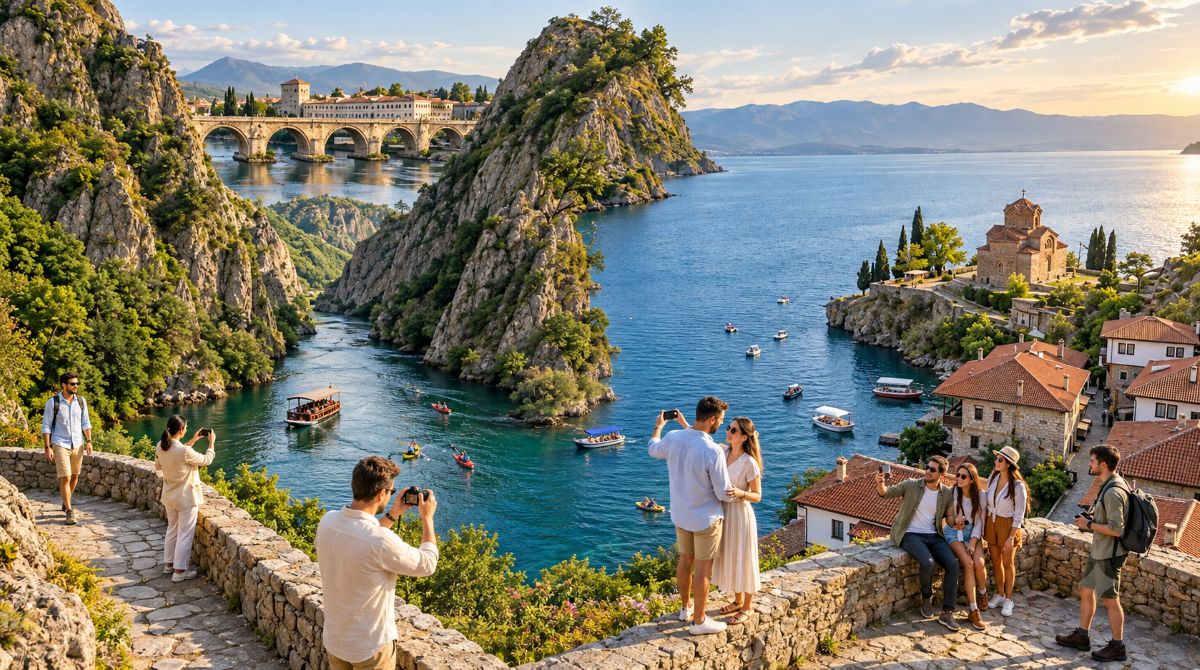
North Macedonia offers travellers a distinctive combination of historic cities, dramatic mountain scenery, lakeside settlements and cultural landmarks. Its capital, Skopje, introduces visitors to a complex architectural heritage, lively markets and contemporary urban life. Beyond the city, Matka Canyon provides opportunities for walking, boating and exploring a landscape shaped by limestone cliffs and water. Further south-west, Ohrid combines centuries of religious history with the natural beauty of one of Europe’s oldest lakes. Together, these destinations create an itinerary that appeals to independent travellers, cultural explorers, outdoor enthusiasts and visitors seeking a different perspective on the Balkan region.
The country’s geographical position also makes it relevant to wider regional travel, particularly journeys involving Albania, Kosovo, Greece, Bulgaria and Serbia. North Macedonia’s appeal rests on the proximity of contrasting experiences rather than a single headline attraction. Visitors can explore urban heritage, spend time beside Lake Ohrid and discover quieter rural landscapes within one trip. Responsible planning remains important, particularly during busy summer periods when lakeside accommodation, popular walking routes and transport connections can experience increased demand. Understanding distances, seasonal conditions, local customs and conservation requirements helps visitors make informed decisions while supporting the communities and environments that sustain the country’s tourism economy.
Skopje Introduces North Macedonia‘s Historical And Contemporary Character
Skopje is the natural starting point for many North Macedonia travel itineraries. Positioned along the Vardar River, the capital brings together historic neighbourhoods, modern public spaces, religious buildings and cultural institutions. Macedonia Square forms a prominent central landmark, while the Stone Bridge provides a recognised crossing between the newer city centre and the Old Bazaar. The contrast between monumental architecture and older streets gives visitors an opportunity to examine the city’s changing identity. Museums, galleries, cafés and restaurants add further depth, making Skopje more than a transit stop on the way to the country’s lakes and mountains.
The Old Bazaar is particularly important for understanding the city’s Ottoman-era heritage. Its narrow streets, traditional shops, craft businesses and historic religious buildings offer a different atmosphere from the broad boulevards around the central square. Nearby attractions include Kale Fortress, which overlooks the city, and the Memorial House of Mother Teresa, commemorating the humanitarian’s connection with Skopje. Travellers should allow enough time to explore these areas on foot rather than attempting to cover every landmark in a rushed visit. Local food, market browsing and conversations with residents can also provide insight into everyday life beyond the familiar tourist viewpoints.
Advertisement
Advertisement
Matka Canyon Offers An Outdoor Escape Near The Capital
Matka Canyon is among the most accessible natural attractions for visitors staying in Skopje. Located south-west of the capital, the area is known for its reservoir, steep limestone cliffs, wooded slopes and the Treska River landscape. Its relatively short distance from the city makes it suitable for a half-day excursion, although visitors interested in hiking, boating or exploring the surrounding environment may prefer to spend longer. The contrast between Skopje’s busy streets and the canyon’s quieter setting gives the destination a significant place in North Macedonia’s outdoor tourism offer.
Activities around Matka Canyon depend on weather, water conditions and the availability of local operators. Visitors may encounter kayaking opportunities, boat excursions towards Vrelo Cave and walking paths along the reservoir. Conditions can vary, so travellers should check access arrangements before departure and avoid entering restricted or unstable areas. Appropriate footwear, drinking water and sun protection are useful, particularly during warmer months. Those planning more demanding walks should assess the route’s difficulty rather than assuming every path is suitable for casual visitors. Respect for wildlife, vegetation and local facilities is essential to preserving the canyon’s appeal.
Advertisement
Advertisement
Ohrid Combines Lakeside Beauty With Centuries Of Cultural Heritage
Ohrid is one of North Macedonia’s most compelling destinations, attracting visitors through its historic architecture, waterfront scenery and long-standing cultural importance. Situated beside Lake Ohrid in the country’s south-west, the town combines narrow streets, traditional houses, churches and viewpoints overlooking the water. Its heritage extends across different historical periods, reflecting the influence of Byzantine, Slavic and Ottoman cultures. For travellers seeking a destination that combines sightseeing with relaxation, Ohrid offers an appealing alternative to larger European resort cities, particularly for those interested in history, photography, architecture and slower-paced holidays.
The town’s most recognisable landmarks include the Church of St John at Kaneo, Samuel’s Fortress and the Church of St Sophia. Walking through the old town allows visitors to discover historic buildings, small museums, independent shops and waterfront cafés. Lake Ohrid also provides opportunities for boat trips, swimming in designated areas and enjoying views of the surrounding mountains. Summer attracts substantial visitor interest, making early morning and evening particularly pleasant times for sightseeing. Travellers should respect religious sites, follow local guidance and check access arrangements for individual attractions, especially when visiting during festivals or other busy periods.
Lake Ohrid Strengthens North Macedonia’s Natural Tourism Appeal
Lake Ohrid is a defining feature of the country’s tourism landscape and an important natural asset shared by North Macedonia and Albania. Recognised for its exceptional biodiversity and cultural significance, the lake supports a distinctive ecosystem that requires careful protection. Its clear waters, surrounding mountains and historic settlements attract visitors interested in nature, recreational activities and cultural exploration. The combination of natural scenery and established lakeside communities gives the region an identity that extends beyond conventional beach holidays, creating opportunities for walking, photography, heritage visits and responsible nature-based tourism.
The lake’s ecological importance means that tourism development must be balanced with conservation. Water quality, waste management, construction pressures and the protection of sensitive habitats are important considerations for the communities surrounding its shoreline. Visitors can contribute by using designated swimming areas, avoiding littering and choosing operators that respect environmental requirements. Boat excursions should follow local regulations, while travellers should avoid disturbing wildlife or removing natural materials. Responsible tourism can help sustain local businesses while protecting the landscapes and biodiversity that make Lake Ohrid internationally significant.
North Macedonia Connects Regional Travel With Albania And Neighbouring Countries
North Macedonia’s location creates opportunities for multi-country Balkan itineraries involving Albania, Kosovo, Greece, Bulgaria and Serbia. Travellers can combine the historic attractions of Skopje with Ohrid’s lakeside setting and, where border arrangements permit, continue towards Albania’s neighbouring lake communities. Such journeys offer a broader understanding of the region’s shared landscapes, culinary traditions and historical connections. However, the practical ease of combining destinations depends on the route, available transport, border procedures and the traveller’s nationality.
Albania is especially relevant to itineraries centred on Lake Ohrid because both countries share the lake and possess distinct cultural attractions along its shores. Visitors may consider combining Ohrid with Pogradec or other suitable destinations on the Albanian side, provided they have sufficient time and confirm cross-border transport options. Journeys involving Greece or Bulgaria can introduce additional historical cities and natural landscapes, although distances and connections should be assessed carefully. Travellers should verify passport validity, visa requirements, vehicle insurance and border-crossing rules before departure rather than assuming that regulations are identical across the region.
Advertisement
Advertisement
Roles of Neighbouring Countries in a North Macedonia Multi-Country Itinerary
- Albania (Lake Shore Extension & Adriatic Transition)
- Shared Lake Ecology: Provides the western shoreline of Lake Ohrid via towns like Pogradec, letting travelers experience the lake’s cultural and natural landscape from both national perspectives.
- Mountain-to-Coast Corridor: Acts as the primary land conduit toward the Adriatic and Ionian coastlines, connecting mountainous inland routes with coastal destinations like Durrës and Sarandë.
- Cultural Contrast: Introduces distinct Illyrian heritage, Cold War bunker architecture, and an Ottoman-Mediterranean culinary tradition right after exploring Macedonia’s Slavic and Byzantine sites.
- Kosovo (Proximity, Day Trips & Shared Heritage)
- Immediate Urban Proximity: Serves as the most accessible international day trip or quick transit point from Skopje, with Pristina reachable in roughly 1.5 to 2 hours and the historic cultural hub of Prizren just beyond.
- Shared Sharr Mountain Landscapes: Shares the rugged Šar/Sharr mountain range, offering cross-border trekking, alpine scenery, and Ottoman-era stone-bridge bazaars that mirror Skopje’s Old Bazaar.
- Modern Balkan Context: Provides firsthand insight into the youngest European state’s vibrant cafe culture, UN-protected medieval Serbian Orthodox monasteries (such as Gračanica), and recent political history.
- Greece (Mediterranean Contrast & Classical Heritage)
- Schengen Southern Gateway: Acts as the entry point into the European Union and the Schengen Area, transitioning travelers from inland Balkan valleys into Aegean plains and coastal regions.
- Thessaloniki & Northern Greece Hub: Extends the historical narrative into ancient Macedon (Pella, Vergina) and links directly with Thessaloniki, a major culinary and Byzantine port city connected by road and rail corridors.
- Landscape Shift: Bridges the continental, rugged mountains of southern North Macedonia with the olive groves, beaches, and Mediterranean climate of the Aegean coast.
- Bulgaria (Eastern Cultural Bridge & Capital-to-Capital Route)
- Shared Slavic & Orthodox Traditions: Deepens historical connections through common linguistic roots, early Cyrillic literary history, and renowned Eastern Orthodox sites like Rila Monastery located between Sofia and the border.
- Direct Capital Connection: Connects Skopje to Sofia along a well-traveled overland corridor, making it a natural leg for itineraries heading further into Eastern Europe or towards the Black Sea.
- High-Altitude Nature: Opens up access to the Pirin and Rila mountain ranges, expanding alpine hiking and winter sports options alongside North Macedonia’s Mavrovo and Pelister national parks.
- Serbia (Northern Highway Backbone & Ex-Yugoslav Context)
- Primary Overland Transit Spine: Forms the main north–south highway axis (Corridor X / E75) connecting Skopje to Niš and Belgrade, serving as the main overland route to Central Europe.
- Shared 20th-Century History: Complements North Macedonia’s modern heritage by contextualizing the Kingdom of Serbs, Croats and Slovenes, socialist Yugoslavia, and modernist Brutalist architecture.
- Culinary & Fortress Trail: Continues the southern Balkan food tradition (grilled meats, ajvar, rakija) while introducing the Danube and Morava river fortresses, spa towns, and central Balkan wine regions.
Key Practical Considerations
- Border Logistics & Entry Status: Greece is a full Schengen member, Bulgaria is in Schengen (with land borders subject to specific travel controls), while Albania, Kosovo, North Macedonia, and Serbia remain non-Schengen. Ensure your visa supports multiple entries if crossing back and forth between Schengen and non-Schengen zones.
- Transit Routing (Kosovo–Serbia): Entering Kosovo directly from North Macedonia and attempting to cross into Serbia can result in entry denial at the Serbian border checkpoint, as Serbia does not view border crossings into Kosovo from third countries as official entry points into Serbia. Travelers typically loop through North Macedonia or Montenegro instead.
- Vehicle Crossings: Rental cars require explicit cross-border authorization from the rental agency and a valid International Green Card (insurance) covering each visited country.
Travel Planning And Transport Options Across North Macedonia
North Macedonia can be explored through a combination of public transport, organised excursions, taxis and rental vehicles. Skopje is the principal transport hub for many international visitors, while Ohrid has its own airport and road connections. Travellers should compare arrival options according to flight schedules, accommodation locations and the number of destinations included in their itinerary. Matka Canyon is generally approached from Skopje, making it relatively straightforward to include as a day trip. Reaching Ohrid requires a longer journey, so visitors should allow adequate time for transfers and avoid building an itinerary around unrealistically short connections.
Road travel offers flexibility for exploring smaller settlements and viewpoints, but drivers should check road conditions, parking arrangements and rental agreements before setting out. Public transport can be economical, although schedules and journey durations may vary. Travellers using buses should confirm departure points, ticket arrangements and seasonal timetables directly with operators. Those arriving late in the day may benefit from arranging accommodation transfers in advance. Mobile connectivity, access to cash and travel insurance are also worth considering, particularly for visitors planning outdoor activities away from major towns.
Best Time To Visit Skopje, Matka Canyon And Ohrid
The most suitable time for a North Macedonia holiday depends on the experience a visitor wants. Spring and early autumn can offer comfortable conditions for walking, urban sightseeing and exploring historic sites, although rainfall and temperatures vary. Summer generally brings warmer weather and greater demand for lakeside accommodation, restaurants and recreational activities around Ohrid. This period can suit visitors interested in swimming and outdoor dining, but popular attractions may become crowded. Winter offers a different perspective on the country’s cities and mountain scenery, although colder conditions and shorter daylight hours can affect outdoor itineraries.
Advertisement
Advertisement
| Destination | Suggested time | Main experience | Planning consideration |
|---|---|---|---|
| Skopje | One to two days | Historic landmarks, museums and markets | Allow time for walking around the Old Bazaar |
| Matka Canyon | Half a day or longer | Scenery, walking, kayaking and boat trips | Check activity availability and trail conditions |
| Ohrid | Two days or more | Historic churches, old town and lakeside recreation | Reserve accommodation early for peak summer |
| Lake Ohrid region | One or more additional days | Nature, villages and cross-border exploration | Check transport and conservation guidance |
Local Food And Accommodation Add Depth To The Visitor Experience
North Macedonia’s food culture provides another way to understand the country. Traditional dishes, seasonal produce, grilled foods, pastries and regional specialities feature across local restaurants and family-run establishments. Skopje offers a broad range of dining choices, while Ohrid’s lakeside restaurants provide opportunities to enjoy meals with views across the water. Visitors should ask about ingredients and preparation methods when dietary restrictions apply. Choosing locally owned businesses can also help distribute visitor spending across the communities that support the tourism sector.
Accommodation ranges from city hotels and guesthouses to apartments and lakeside properties. Skopje is practical for visitors prioritising museums, urban attractions and transport connections, whereas staying in Ohrid allows more time for waterfront walks and historic sightseeing. Matka Canyon is usually better approached as an excursion unless a suitable nearby stay has been arranged. During major holidays and the summer peak, booking ahead can improve choice and reduce last-minute pressure on travel budgets. Travellers should compare cancellation policies, location, accessibility and transport arrangements before confirming reservations.
Sustainable Tourism Matters For North Macedonia’s Future
Tourism can support employment, hospitality businesses, cultural institutions and small enterprises throughout North Macedonia. However, growth also places demands on public infrastructure, historic neighbourhoods, natural habitats and waste-management systems. Skopje must balance visitor activity with everyday urban life, while Matka Canyon requires responsible access to sensitive landscapes. Ohrid faces the challenge of maintaining its historic character and protecting the ecological value of its lake while accommodating seasonal demand. Sustainable planning is therefore central to preserving the qualities that attract visitors in the first place.
Travellers can make a practical contribution by respecting local rules, avoiding litter, using established walking routes and choosing businesses that demonstrate responsible practices. Spending money with local guides, artisans, restaurants and accommodation providers can help communities benefit directly from tourism. Visitors should also approach historic and religious sites with appropriate behaviour and photography etiquette. For tourism authorities and businesses, maintaining accurate visitor information, improving transport connections and protecting cultural and environmental assets can help strengthen the destination’s long-term competitiveness without compromising its distinctive identity.
North Macedonia’s Travel Outlook Extends Beyond Its Best-Known Attractions
Skopje, Matka Canyon and Ohrid provide a strong introduction to North Macedonia, but they represent only part of the country’s wider appeal. Mountain landscapes, smaller historic settlements, monasteries and rural communities offer additional possibilities for visitors who have more time. Exploring beyond the principal attractions can spread tourism expenditure across a wider geographical area and create opportunities for local businesses outside the busiest visitor centres. These experiences require careful planning, particularly where transport is limited or facilities are less developed than in major cities.
For the regional tourism market, North Macedonia’s opportunity lies in presenting a coherent combination of cultural discovery, outdoor recreation and accessible multi-destination travel. Its proximity to Albania and other Balkan countries can encourage longer itineraries, while Lake Ohrid provides a shared natural attraction with international significance. Future success will depend on reliable visitor information, responsible destination management and continued protection of historic and environmental resources. For travellers willing to look beyond Europe’s most familiar holiday destinations, North Macedonia offers a varied journey shaped by history, landscape and the character of its communities.
Advertisement
Advertisement
Frequently Asked Questions About North Macedonia Travel
1. What are the main places to visit in North Macedonia?
Skopje, Matka Canyon, Ohrid and Lake Ohrid are among the country’s principal attractions. Visitors can explore historic markets, religious landmarks, natural scenery and lakeside communities.
2. How many days are needed to explore North Macedonia?
Three to five days can provide an introduction to Skopje, Matka Canyon and Ohrid. A longer stay allows more time for nearby villages, outdoor activities and regional excursions.
3. Is Matka Canyon suitable for a day trip from Skopje?
Yes. Matka Canyon is commonly visited on a half-day excursion from Skopje. Travellers interested in kayaking, boating or longer walks may wish to spend additional time there.
Advertisement
Advertisement
4. Why is Ohrid famous among international travellers?
Ohrid is known for its historic architecture, churches, old town and lakeside scenery. The town and Lake Ohrid are recognised together as a UNESCO World Heritage property.
5. Can travellers combine North Macedonia and Albania in one holiday?
Yes. North Macedonia and Albania share Lake Ohrid, making cross-border itineraries possible. Visitors should verify entry requirements, transport schedules and border arrangements before travelling.
6. When is the best time to visit North Macedonia?
Spring and early autumn are often suitable for sightseeing and walking. Summer is popular for lakeside activities, while winter offers colder conditions and a different experience of the country’s landscapes.
Advertisement
Advertisement
7. What currency is used in North Macedonia?
The official currency is the Macedonian denar. Travellers should check current exchange rates, card acceptance and cash availability before departure.
8. Is public transport available between Skopje and Ohrid?
Intercity bus services and other transport options may be available, depending on the season and operator. Visitors should confirm departure times, journey durations and ticket arrangements in advance.
9. What should visitors know before exploring Matka Canyon?
Visitors should check weather conditions, trail accessibility and the availability of boating or kayaking activities. Suitable footwear, drinking water and respect for environmental restrictions are advisable.
Advertisement
Advertisement
10. How can tourists support sustainable tourism in North Macedonia?
Travellers can support local businesses, follow conservation rules, avoid littering, respect cultural sites and use responsible tour operators. These choices help protect the country’s heritage and natural attractions.
Advertisement
