
Singapore and More Countries are Redefining Asian Travel Through Shorter, Higher-Spend Getaways

Published
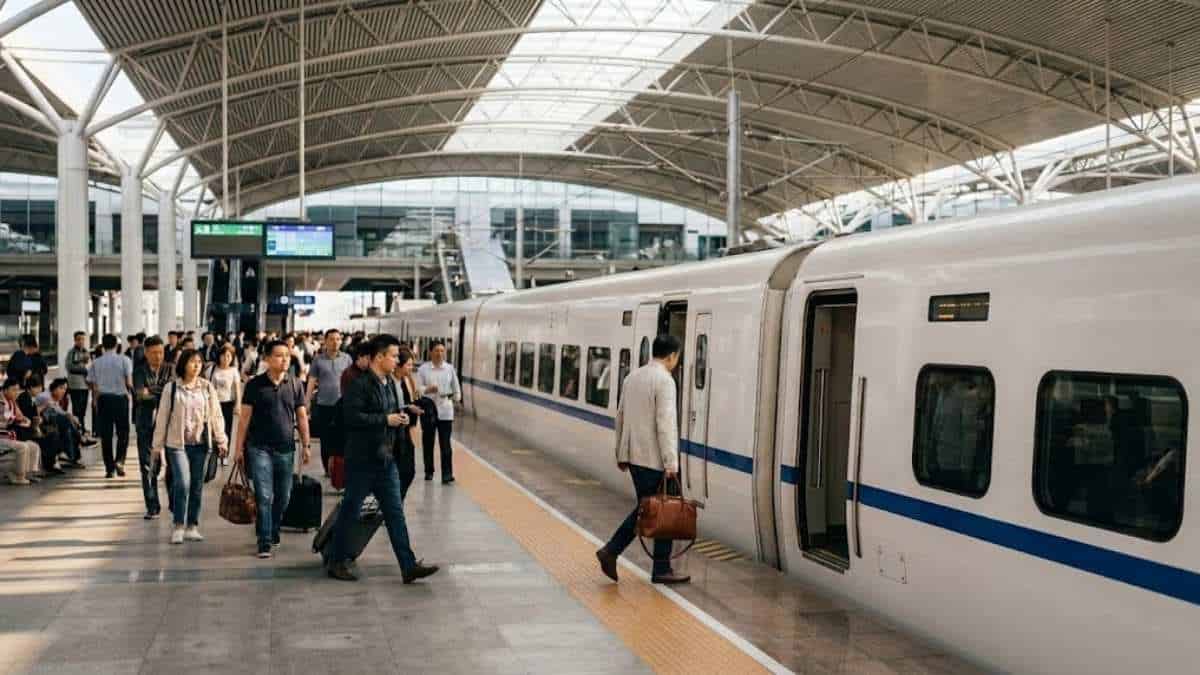
Image generated with Ai
There is an economic shift that occurs within Asia whereby people use weekends for their trips instead of fortnights. The shift is referred to as Great Compression where the basic structures of tourism in Asia are completely transformed. There is reduction of week-long trips for major transportation gateways resulting in the need of tourism ministries, regional airlines, and hotel firms focusing more on per day extraction of revenue rather than total arrivals. Since there are fast trains, airlines’ offers, and tax breaks on islands leading to faster movement of guests, regional destinations have an important priority that they need to face. In order to preserve the GDP contribution, each visitor minute needs to earn money for destinations.
Macroeconomic Reconfiguration of Asian Travel Economics
A structural divergence between physical visitor headcounts and macroeconomic returns has been brought about by the post-pandemic recovery across East and Southeast Asian travel markets. While an expansion of 6% to reach 331 million visitors was recorded in international tourist arrivals across Asia and the Pacific, a decisive shift characterised by volume compression alongside aggressive yield optimisation has been encountered by the regional sector. Rather than destination health being measured solely by aggregate passenger volumes, an environment where visitor duration is contracting across leisure segments is being confronted by national tourism ministries and destination management organisations (DMOs).
Advertisement
Advertisement
It has been indicated in official data published by UN Tourism that global tourism export revenues climbed to USD 2.2 trillion, with higher percentage growth in international receipts than in raw passenger arrivals being consistently recorded by destinations. In the Asia-Pacific basin, deliberate policy architecture and operational restructuring are reflected by this divergence. When municipal infrastructure strain, ecological carrying constraints, and inflation in tourism service delivery were faced, a move away from low-yielding, extended-stay mass tourism in favour of capital-intensive, high-yield guest capture was initiated by statutory authorities.
The financial mechanism behind this compression is governed by the core hospitality yield relationship linking revenue per available room to room rates and occupancy levels. When a decline from historical baselines of four to five nights down to two or three nights is experienced in the average length of stay, higher operational turnover costs per room key are encountered by hotel operators. To ensure margin degradation is prevented, pricing algorithms have been recalibrated by commercial hospitality providers, allowing stable to rising revenue per available room to be secured through double-digit escalations in average daily rates. By having fine dining, private wellness programmes, and curated cultural excursions directly attached to room reservations, daily revenue extraction has been decoupled by operators from room-night accumulation.
Advertisement
Advertisement
| Destination Market | Historical ALOS Baseline (Days) | Compressed ALOS Benchmark (Days) | RevPAR Trajectory vs Pre-Pandemic Baseline | Primary Policy / Market Mechanism |
|---|---|---|---|---|
| Singapore (Gateway Hub) | 4.80 | 3.48 | +22.0% (SGD 306 Peak) | High-yield corporate/MICE capture, premium experiential retail bundling |
| Malaysia (Urban / Resort) | 5.70 | 2.56 | Stable / Positive RevPAR | Domestic micro-vacation surge, LADA charter subsidies, duty-free zones |
| Vietnam (Phu Quoc SEZ) | 4.50 | 2.90 | +16.5% ADR Uplift | 30-day unilateral visa waiver, luxury ecosystem master planning |
| Laos (Transit Corridor) | 3.80 | 1.80 | Reallocated to Daytime F&B | Boten–Vientiane HSR connectivity, excursion packaging |
| Japan (Hokuriku Route) | 2.40 | 1.20 | +18.2% Daytime Retail/F&B | Shinkansen extension to Tsuruga, certified hands-free luggage delivery |
The Intra-ASEAN Micro-Vacation Surge and Daily Yield Extraction
Intra-regional mobility has been transformed into a pattern dominated by high-frequency micro-vacations through the expansion of Southeast Asia’s urban middle class combined with modern corporate workplace flexibility. Single annual fortnight-long holidays are being replaced by urban professionals from primary gateway cities such as Singapore, Kuala Lumpur, Bangkok, and Jakarta with three to four condensed weekend getaways scheduled throughout the calendar year.
This behavioural shift is made evident in national hospitality accounting across Southeast Asia. According to statutory releases from the Singapore Tourism Board (STB), international visitor arrivals of 16.9 million and tourism receipts exceeding SGD 23.88 billion were recorded, reflecting expanding per-capita daily expenditure even as the average length of stay was observed settling to approximately 3.48 days. It was demonstrated by hotel performance benchmarks from institutions such as CDL Hospitality Trusts and Far East Hospitality Trust that while overall occupancy was seen moderating into the upper 70% to 80% range, overall revenue per available room was anchored by elevated average room rates.
Advertisement
Advertisement
Similarly, it was documented by the Department of Statistics Malaysia (DOSM) in its national tourism surveys that domestic travel lengths of stay averaged 2.49 nights and 2.56 nights, confirming that compressed travel cycles had become entrenched across the domestic and transboundary market.
Flight scheduling has been reorganised by aviation networks around this compressed cadence. Seat capacity has been concentrated into high-density trunk corridors by regional low-cost carriers and full-service network carriers, with early morning outbound flights on Fridays and late evening return rotations on Sundays being introduced. Elevated schedule densities have been registered on corridors connecting Singapore to Penang, Bangkok to Ho Chi Minh City, and Kuala Lumpur to Denpasar, operating effectively as regional transit shuttles.
To ensure bottom-line operating margins are insulated against the friction of shorter guest occupancies, structured revenue engineering has been instituted by the regional hotel sector:
- High-margin gastronomic programming, in which fine dining and curated chef collaborations are pre-booked as non-refundable accommodation inclusions.
- Dedicated wellness retreats, delivering condensed half-day therapeutic protocols by which traditional multi-week spa packages are compressed into premium 48-hour modules.
- Direct VIP attraction partnerships, guaranteeing rapid entry to major cultural and leisure installations so that effective recreation hours are maximised for time-constrained travellers.
Secondary Island Diversion Policies: Cashing In on Overtourism Spillover
Critical thresholds have been reached by the strain of uncontrolled mass arrivals across Asia’s flagship island destinations. Extreme traffic congestion, freshwater depletion, and local environmental strain have been encountered by established hubs like Bali and Phuket. In response, targeted fiscal, regulatory, and aviation incentives are being implemented by provincial and national governments so that overtourism spillover can be channelled away from saturated gateways toward secondary island clusters.
In Indonesia, a mandatory foreign tourist levy of IDR 150,000 (approximately USD 10) per foreign arrival was instituted by the Bali Provincial Government under Bali Provincial Regulation No. 6 of 2023. Formally operationalised via the Love Bali digital portal, the collected proceeds are legally ring-fenced for heritage conservation, cultural preservation programmes, and municipal waste management infrastructure. A conscious policy transition toward “quality tourism” championed by the Ministry of Tourism was reflected by this regulatory initiative, signalling that an inclination to price out low-spending visitors was held by destinations to safeguard ecological carrying capacity.
Concurrently, diversion initiatives are being capitalised on by secondary island ecosystems through structured legislative benefits.
Advertisement
Advertisement
Vietnam: Phu Quoc’s 30-Day Visa Exemption and Aviation Subsidies
Phu Quoc has been converted by Vietnam into a flagship model for secondary island diversion. Operating under special provisions ratified via Government Resolution No. 80 and the Law on Entry, Exit, Transit, and Residence of Foreigners, an exclusive 30-day visa exemption is granted to foreign passport holders entering Phu Quoc directly by air or sea, bypassing standard mainland visa processing.
To institutionalise this advantage, charter flight subsidy arrangements that absorb handling costs for international carriers delivering direct, long-haul visitors were sanctioned by the Ministry of Culture, Sports and Tourism alongside Kien Giang provincial authorities. Capital investments have been concentrated on the island by enterprise developers like Sun Group and Vinpearl through the deployment of fully integrated hospitality and entertainment complexes. An expanding portfolio preparing for major multilateral showcases like APEC 2027 is incorporated within Sun Group’s hospitality footprint alone, maintaining average daily room rate levels while the mainland gateways of Hanoi and Ho Chi Minh City are insulated from seasonal capacity crunches.
Malaysia: Langkawi Duty-Free Framework and LADA Flight Incentives
In Malaysia, its historic duty-free status is leveraged by the island of Langkawi to capture high-margin expenditure while domestic travel leakage is countered. The targeted Langkawi Charter Flight Programme Incentive was introduced by the Langkawi Development Authority (LADA) to stimulate international route development.
Operating on a performance-based framework, airlines and global tour operators are reimbursed by the subsidy for launching non-scheduled and direct inaugural scheduled flights into Langkawi International Airport. The destination is shielded by this mechanism from domestic aviation bottlenecks, enabling luxury room rates tailored to international eco-tourists and upscale regional escapists to be sustained by five-star properties such as The Datai and Four Seasons.
Philippines: Carrying-Capacity Governance in Siargao and Palawan
An alternative approach focused on ecological carrying capacity and low-density yield extraction has been instituted by the Department of Tourism (DOT) of the Philippines under the direction of Secretary Christina Garcia Frasco. Under the National Tourism Development Plan (NTDP) 2023–2028, carrying-capacity baselines were mandated by the DOT across fragile destinations such as Siargao Island and El Nido in Palawan.
Rather than unrestricted runway expansions being permitted to accommodate wide-body airliners, controlled runway configurations catering primarily to turboprop and regional jet feeder aircraft were maintained at Sayak Airport in Siargao by the Department of Transportation and the Civil Aviation Authority of the Philippines. Visitor headcounts are purposefully limited by this structural constraint, empowering boutique eco-lodges and luxury surf camps to charge elevated average daily rates that exceed nationwide hospitality averages, proving that per-visitor economic yields can be enhanced by planned capacity caps without municipal infrastructure collapse being triggered.
Advertisement
Advertisement
The High-Speed Rail Effect: Network Speed vs Hotel Room-Nights
The single most influential physical catalyst compressing visitor night accumulation is represented by the rapid expansion of cross-border and domestic high-speed rail (HSR) networks across Asia. While rapid point-to-point transit between major metropolitan clusters is facilitated by aviation, intermediate sub-regions are integrated by high-speed rail networks, accelerating ground journey times. In doing so, traditional secondary-city overnight accommodation economics are altered by modern rail infrastructure.
When travel times between a gateway metropolis and regional cultural hubs collapse below the psychological boundary of two hours, multi-night hotel reservations are converted by travellers into intensive, single-day return excursions.
The Laos Transit Corridor: Boten–Vientiane Railway Disruptions
Mobility along the north-south Lao corridor has been completely transformed by the deployment of the 422-kilometre Boten–Vientiane Railway—the key link connecting Yunnan Province, China, with Laos. With CR200J “Fuxing” electric multiple-unit (EMU) trainsets running at speeds up to 160 km/h, over 480,000 cross-border international passengers representing 112 countries and regions have been carried by the railway since transboundary service was inaugurated.
Significant economic consequences are borne by intermediate heritage destinations like Luang Prabang and Vang Vieng. Prior to the rail link, seven to nine hours of arduous bus travel were required to traverse the mountainous 13 North highway between Vientiane and Luang Prabang, making a minimum two-night stay mandatory for visitors.
That journey has been compressed into approximately two hours by the high-speed rail line. Consequently, daylight arrival peaks accompanied by a drop in average hotel nights per visitor have been documented by the Lao Ministry of Information, Culture and Tourism. Same-day itineraries are executed by independent travellers and regional group tours from Kunming or Vientiane—arriving on the morning express, touring the UNESCO World Heritage town centre or Kuang Si Falls, and departing via the late afternoon train.
Business models have been adapted by hoteliers across Luang Prabang to survive this compression. A transition towards day-use monetisation has been made by properties that formerly relied on overnight room revenue. Half-day pool access, day-room changing suites, and curated dining itineraries designed for rail passengers awaiting outbound evening train services are packaged by establishments along the Mekong waterfront.
Advertisement
Advertisement
Japan’s Shinkansen Extensions: The Hokuriku Route and Pass-Through Tourism
A comparable structural adjustment has emerged in Japan following the opening of the Hokuriku Shinkansen extension from Kanazawa to Tsuruga in Fukui Prefecture. By the construction of high-speed tracks along this corridor, Fukui was brought within direct bullet-train connectivity of Tokyo, eliminating legacy rail transfers and reducing journey times to approximately two hours and 50 minutes.
According to railway operational data and surveys conducted under the auspices of the Japan Tourism Agency (JTA) and the Ministry of Land, Infrastructure, Transport and Tourism (MLIT), a noticeable “pass-through” phenomenon was observed as a result of the rapid accessibility of Fukui. Fukui and the coastal port of Tsuruga are treated by metropolitan visitors from Tokyo and the Kansai region as daytime cultural stops—where the Fukui Prefectural Dinosaur Museum or Eihei-ji Temple are visited—before a return is made to primary accommodation hubs in Tokyo, Kyoto, or Kanazawa.
To counteract this contraction in overnight hotel bookings, rapid day-spend initiatives were engineered by local governments and prefectural DMOs:
- High-value culinary dining programmes centring on Echizen crab and regional soba noodles, driving substantial daytime expenditure across station-adjacent dining precincts.
- Expanded implementation of MLIT-certified Hands-Free Travel facilities. Through official logistics partnerships with parcel carriers like Yamato Transport, luggage is checked at arrival stations by international and domestic visitors and forwarded directly to onward destinations, unlocking unrestrained daytime foot traffic across retail districts.
- Regional artisan craft packaging, linking visits to traditional Echizen lacquerware and paper workshops with direct tax-refund points.
Under the MLIT-certified Hands-Free Travel operational framework, regional stations are reached by incoming bullet train passengers and heavy baggage is deposited at certified transit counters. The luggage is forwarded directly to the visitor’s final hotel in a tertiary destination by logistics providers. Unencumbered by bags, high-expenditure daytime sightseeing, dining, and craft shopping are conducted by the traveller across intermediate municipal districts before an evening high-speed train is boarded, reuniting the guest with their luggage upon check-in at their final destination.
Multimodal Integration: Thailand’s Ignite Tourism Framework
In Thailand, this yield-driven mobility architecture has been formalised by the government and the Tourism Authority of Thailand (TAT) through the “Ignite Thailand’s Tourism” strategy. Transit links connecting Tier 1 gateways (Bangkok, Chiang Mai, Phuket) to Tier 2 secondary destinations (such as Lamphun, Lampang, and Sukhothai) are structured under this master plan by national tourism policymakers.
With the recognition that sufficient five-star hotel inventories cannot instantly be built out by secondary cities, transit connectivity has been prioritized by the Ministry of Tourism and Sports. Multi-modal transport integration linking regional airports with state railway lines and modern bus rapid networks is promoted by the strategy, enabling daytime expenditure to be injected into local communities by international visitors without extensive hotel developments being required.
Advertisement
Advertisement
The Commercial Hospitality Pivot: Monetising the Transit Traveller
Fundamentally different operational strategies are required for destination management under compressed timelines compared to traditional slow-travel models. When room-night inventory ceases to be the sole vehicle for monetization, business models must be overhauled by hospitality groups, aviation consortia, and DMOs to capture maximum per-diem visitor expenditure.
Under legacy volume-driven frameworks, gross arrival headcounts, multi-week stays, and discount charter traffic were prioritised by public and private stakeholders, often creating severe municipal bottlenecks and low per-capita local spending. Conversely, reliance is placed under the emerging yield-driven framework on daily available spend, per-hour discretionary expenditure, curated experiential bundling, and managed tourist throughput, ensuring ecological balance alongside robust economic margins.
Day-Cation Architecture and Amenity Segmentation
Properties are being redesigned across Asia by hotel developers to facilitate multi-tiered daily monetization. Rather than hotel amenities being kept closed to non-residential guests, time-segmented access passes are sold by upscale properties through direct digital channels:
- Morning wellness access: Pools, hydrothermal facilities, and fitness clubs are unlocked to day visitors between 07:00 and 12:00.
- Executive workspace lounges: Mid-tier inventory is converted into bookable private offices and meeting suites for remote professionals executing transboundary business trips.
- Destination dining and retail integrations: Lobby concepts are structured into high-end retail showrooms where regional craft goods, certified single-origin teas, and artisanal souvenirs are sold directly to departing transit passengers.
Dynamic Aviation Banking and Peak Weekend Yields
A shift from high-capacity weekly schedules to dynamic high-frequency flight banks has been executed by airlines across the Asia-Pacific network. Flight frequencies are structured by low-cost carriers like AirAsia, Scoot, and VietJet to maximize weekend utilization. By positioning narrow-body aircraft (such as Airbus A321neos) on dense two-hour corridors, high-frequency regional shuttle loops are operated by carriers.
Departures on Friday evenings and returns on Sunday nights are priced at substantial premiums by yield management systems, extracting maximum fares from regional professionals who are time-constrained but price-inelastic.
Next-Generation Tourism KPIs
Reporting frameworks are being updated by statutory destination management organisations to reflect compressed travel dynamics. Rather than simple arrival headcounts being relied upon, economic intensity metrics are monitored by tourism authorities:
Advertisement
Advertisement
- Revenue Per Available Day: Total visitor spend across retail, food, transport, and leisure per 24-hour block spent within municipal boundaries is gauged.
- Environmental Load Per Dollar Generated: Municipal water and electricity consumption, along with carbon emissions, are measured relative to gross visitor expenditure.
- Regional Leakage Coefficients: The proportion of tourist capital remaining within locally owned businesses versus exiting via international travel platforms and foreign supply chains is evaluated.
Policy Implications and Strategic Outlook for Regional Tourism Boards
Permanent policy adjustments rather than temporary tactical patches are required by the structural compression of Asian travel patterns. High-speed rail construction across Southeast Asia continues to accelerate, with lines linking China, Laos, Thailand, and eventually Malaysia steadily advancing toward regional integration. Simultaneously, fuel-efficient narrow-body airliners configured for high-frequency point-to-point routes are being received by regional budget carriers. Under these conditions, traveller velocity will continue to be elevated, consolidating 24-to-72-hour stays as the default leisure itinerary across Asia’s urban centres and surrounding secondary destinations.
To ensure tourism’s gross domestic product contributions are maintained, three synchronized regulatory policies are being pursued by regional authorities:
- Arrival-volume targets are being replaced by destination managers with certified net per-diem yield metrics, establishing strict carrying-capacity thresholds across sensitive natural and cultural heritage zones.
- Transport infrastructure is being tied directly to local commerce by statutory departments via certified hands-free luggage transit, seamless cross-border digital payment agreements (such as QR-code payment linkages across ASEAN), and tax-free regional craft hubs.
- Specific tax shelters, localized visa exemptions, and charter subsidies are being designed for secondary destinations to attract high-margin private capital without triggering the ecological and infrastructural congestion seen in primary resort gateways.
By aligning fiscal incentives, multimodal transport networks, and hotel revenue algorithms toward daily visitor yield rather than sheer volume accumulation, local economies can be insulated by Asian travel destinations against shrinking visit durations, establishing a durable paradigm for regional mobility.
The outdated measures for visitors need to be discarded by the statutory agencies and hospitality operators in lieu of aggressive daily yield management to succeed in this compressed setting. The coupling between revenue growth and physical room nights can be broken away from through the combination of day-use hospitality facilities, quality culture programming and efficient luggage logistics. With the ongoing acceleration of regional mobility through infrastructure corridors, the economics of tourism in Asia will forevermore be shaped by this paradigm shift, making sure that robust tourism models are created by national economies to exploit their full potential.
Advertisement
