
Spain Aligns With France And More To Deploy Smart Tourism For Sustainable Travel

Published
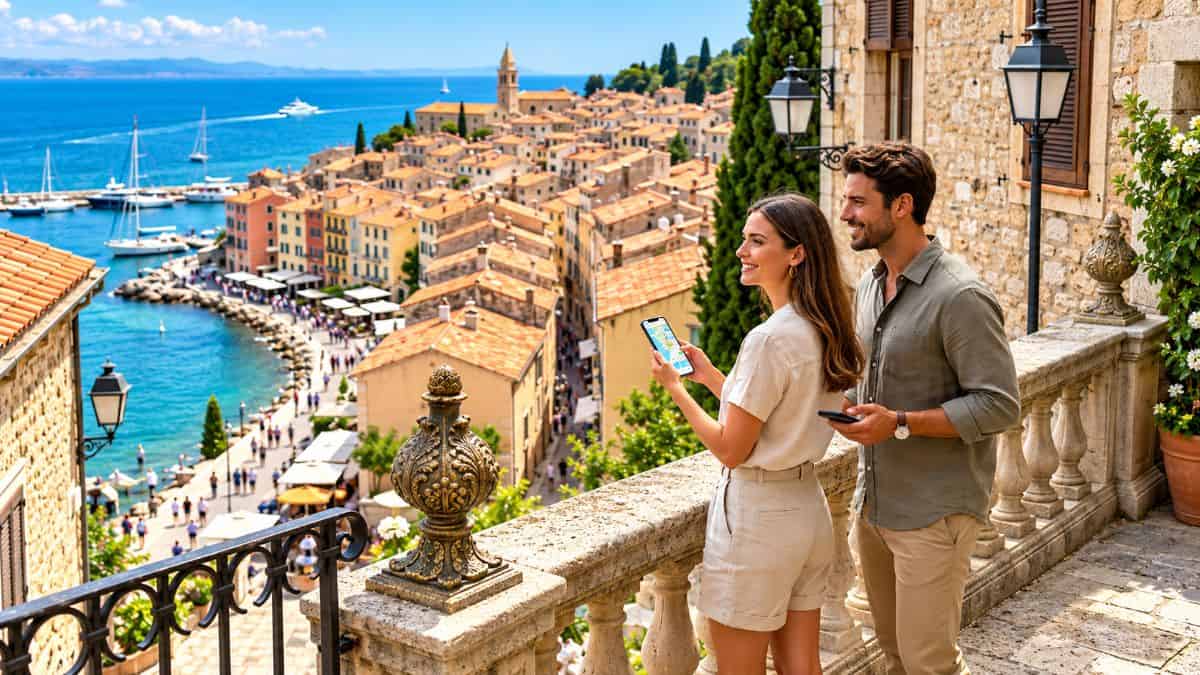
Image generated with Ai
Spain and France have formally advanced a joint smart tourism initiative alongside several partner nations across Southern Europe, establishing a unified approach to managing tourist densities through rapidly deployable Internet of Things infrastructure. The strategic alliance comes at a transformative time for the continental leisure economy, which faces significant pressures from surging international passenger arrivals, urban congestion, and delicate microclimates in historic city centres. By integrating interoperable environmental monitoring and crowd analytics, municipal authorities aim to preserve cultural landmarks while creating smoother, higher-quality journeys for holidaymakers seeking responsible travel experiences.
The bilateral project focuses on rapid technological execution, introducing lightweight sensor arrays and data-management platforms capable of rolling out across regional destinations within mere weeks rather than multi-year procurement cycles. Destination marketing organisations, transport operators, and heritage bodies will gain real-time visibility into footfall patterns, atmospheric parameters, and parking saturation. This coordinated effort marks a transition from passive holiday marketing toward active, data-driven stewardship that protects resident wellbeing and ensures travellers enjoy uncrowded, environmentally sound holidays across Europe.
Advertisement
Advertisement
Accelerating Smart Destination Deployment Across Cross-Border Corridors
The primary objective of the alliance is the rapid operational rollout of modular sensor networks that address immediate travel friction points without demanding invasive civil engineering works. For decades, tourist boards evaluated seasonal success almost exclusively through aggregate passenger headcounts and accommodation booking statistics. However, that retrospective approach routinely left local infrastructure vulnerable to sudden saturation during peak holiday bank holidays and summer months. By deploying wireless Internet of Things platforms, municipal planners in Spanish and French border regions can observe real-time crowd dynamics across pedestrianised historic districts, popular beaches, and transit hubs.
These deployable frameworks capture pedestrian density via wireless mesh scanners and acoustic monitors, allowing transit authorities to re-route electric shuttle buses, open additional ticket barriers, and update dynamic tourist apps before congestion reaches uncomfortable levels. Because the hardware relies on solar-assisted power packs and plug-and-play gateway connections, local governments avoid disruptive street excavations, ensuring ancient Roman streets, medieval ramparts, and fragile coastal promenades remain physically undisturbed during system setup.
Advertisement
Advertisement
Elevating The Visitor Journey Through Active Environmental Monitoring
Holiday satisfaction hinges fundamentally on the live quality of the travel environment. Dense urban heat islands, unexpected exhaust pollution in narrow alleyways, and deafening evening noise levels degrade the overall holiday experience, turning picturesque European breaks into stressful encounters. Under the coordinated framework, environmental sensor nodes continuously record nitrogen dioxide, particulate matter, relative humidity, and ambient decibel metrics outside major heritage sites and hospitality precincts.
When sensors detect declining air quality or elevated noise thresholds along congested pedestrian thoroughfares, municipal platforms can activate micro-climate cooling misters, re-sequence regional traffic lights, or issue automated recommendations through regional visitor applications. Travellers receive gentle nudges directing them toward lesser-known leafy courtyards, seaside walks, or alternative cultural venues located only a short stroll away. This automated redistribution safeguards vulnerable architecture from accelerated particulate degradation while ensuring guests encounter a clean, calm holiday atmosphere.
Advertisement
Advertisement
Technical Frameworks Powering Interoperable Destination Architecture
To facilitate seamless cross-border coordination, the technical implementation relies on unified sensor types and standardised software layers capable of sharing contextual travel data between Spanish and French regional authorities.
| Operational Module | Sensor Mechanism | Target Tourism Metric | Visitor Benefit |
|---|---|---|---|
| Pedestrian Flow Tracking | Optical sensors and wireless signal scanners | Footfall density and dwell time | Reduced attraction queues and crowd-free sightseeing |
| Environmental Air Quality | Electrochemical particulate and gas monitors | PM2.5, PM10, and nitrogen dioxide levels | Healthier walking tours and cleaner urban surroundings |
| Acoustic Disruption Control | Calibrated multi-directional sound meters | Decibel thresholds in hospitality zones | Tranquil accommodation areas and protected residential sleep |
| Parking Occupancy Guidance | Sub-surface magnetic ground sensors | Bay vacancy and vehicle transit duration | Rapid vehicle parking with minimised engine idling |
| Water Resource Management | Ultrasonic level and flow monitors | Public fountain and coastal beach usage | Uninterrupted clean water amenities and green parklands |
Alleviating Overtourism Pressures In Sensitive Coastal And Island Regions
Coastal enclaves and island archipelagos face acute ecological and logistical vulnerabilities during high summer holiday periods, requiring targeted management interventions. Mediterranean destinations in eastern Spain, the Balearic Islands, and southern French maritime provinces experience sharp seasonal influxes that double local populations overnight. Without live operational insight, pristine cove beaches face acute environmental degradation, and mountain villages lose their rural charm under the strain of gridlocked rental vehicles.
Advertisement
Advertisement
Using integrated magnetic parking sensors and entry-exit counters, regional authorities can communicate live capacity levels directly to electronic highway gantries and mobile navigation apps. When coastal parking areas approach eighty-five percent capacity, drivers are alerted miles before arrival and directed to secure park-and-ride facilities served by electric transport. By removing the frustrating search for elusive parking spaces, destinations reduce tailpipe emissions, eliminate bottlenecks on single-lane seaside roads, and restore peaceful seaside conditions for bathers and local communities alike.
Empowering Local Hospitality Providers With Actionable Intelligence
Smart destination architecture delivers substantial commercial advantages to private travel trade stakeholders, including independent hoteliers, restaurateurs, tour guides, and transport providers. Rather than guessing daily guest footfall based on historical seasonal trends, regional businesses can access centralised dashboard summaries that detail current tourist volumes and forecast movement across neighbourhood quarters. This actionable data allows family-run bistros to order fresh produce accurately, avoiding food waste and improving operational margins.
Furthermore, heritage attractions and private tour operators can schedule off-peak departures and introduce flexible pricing incentives based on live flow patterns. Guests who prefer tranquil experiences can book early morning access or twilight heritage tours, spreading footfall evenly throughout the day. This operational transparency builds deep trust between private hospitality operators, municipal leaders, and discerning international visitors, demonstrating that holiday destinations can remain economically vibrant without compromising cultural or environmental integrity.
Preserving Living Heritage Through Intelligent Civic Space Management
Historic architecture and fragile cultural monuments require delicate physical protection from the cumulative impact of mass international tourism. Stone monuments, delicate tapestries, and timber framing in cathedrals deteriorate quickly when exposed to uncontrolled indoor humidity, body heat, and external vibrations caused by passing traffic. Through subtle indoor environmental monitors, museum curators can automatically modulate air exchange systems, ensuring interior conditions stay within optimal preservation thresholds even during sold-out gallery exhibitions.
Advertisement
Advertisement
In open civic spaces, the data gathered by public space saturation modules informs long-term urban planning decisions. Local councils can identify which pedestrian thoroughfares suffer from bottlenecking, enabling them to expand pavement boundaries, introduce shade canopies, or redesign plaza furniture to facilitate natural crowd movement. As visitors navigate these thoughtfully managed public realms, they encounter a harmonious blend of venerable history and modern technological convenience, ensuring destinations remain culturally genuine for future generations of curious travellers.
Frequently Asked Questions
What is smart tourism technology? Smart tourism technology encompasses interconnected digital tools, including Internet of Things sensors, cloud analytics, and mobile interfaces, that gather and process live destination data to manage crowds, optimize public transport, and enhance the overall holidaymaker experience.
How does this international alignment benefit everyday travellers? Holidaymakers encounter shorter queues at famous monuments, cleaner air along popular walking routes, readily available parking spaces, and well-timed public transport, resulting in a significantly more relaxed and enjoyable vacation.
Why are Spain and France partnering on smart destination deployments? Spain and France share extensive land borders, heavy cross-border leisure travel traffic, and similar climate pressures, making shared, interoperable data systems essential for managing joint transit routes and regional tourism corridors smoothly.
Can these digital systems be deployed in historic cities without causing damage? Yes, modern Internet of Things sensors are compact, battery- or solar-operated, and connect wirelessly, meaning they can be attached discreetly to existing street lighting or informational posts without any destructive excavation work.
How do environmental sensors reduce holiday overcrowding? When sensors detect elevated footfall, heat, or noise levels in specific streets, destination algorithms trigger digital updates that recommend pleasant, uncrowded alternative sights and walking routes to visitors in real time.
Advertisement
Advertisement
Does smart tourism monitoring infringe upon personal passenger privacy? No, the systems do not capture private identifiers or record personal information; they operate strictly by detecting anonymous aggregate device signals and physical ambient parameters to assess overall group density.
How do local businesses utilise smart destination data? Restaurateurs, hoteliers, and tour operators review real-time density and predictive forecasts to manage staffing levels effectively, reduce food waste, and design tailored holiday itineraries during quieter periods of the day.
What role does intelligent parking management play in regional travel? Surface sensors identify open vehicle bays and beam availability metrics to roadside displays and navigation apps, preventing traffic queues, cutting vehicle emissions, and easing stress for holidaymakers driving rental cars.
How do rapid deployments differ from conventional urban infrastructure projects? Traditional urban transformation projects often require years of civil construction, whereas rapid smart frameworks deploy modular, pre-configured sensor nodes and cloud software capable of going live within several weeks.
Will other European nations adopt this smart tourism framework? Yes, this initiative is built on open European Union data standards, allowing Mediterranean neighbours and Central European destinations to integrate their own municipal networks into the shared destination framework easily.
Advertisement
