
Italy Aligns with Greece, Spain and Other European Nations for New Summer Border Changes as EU Rejects EES Suspension Despite Airport Queue Warnings: What Should Travellers Expect?

Published
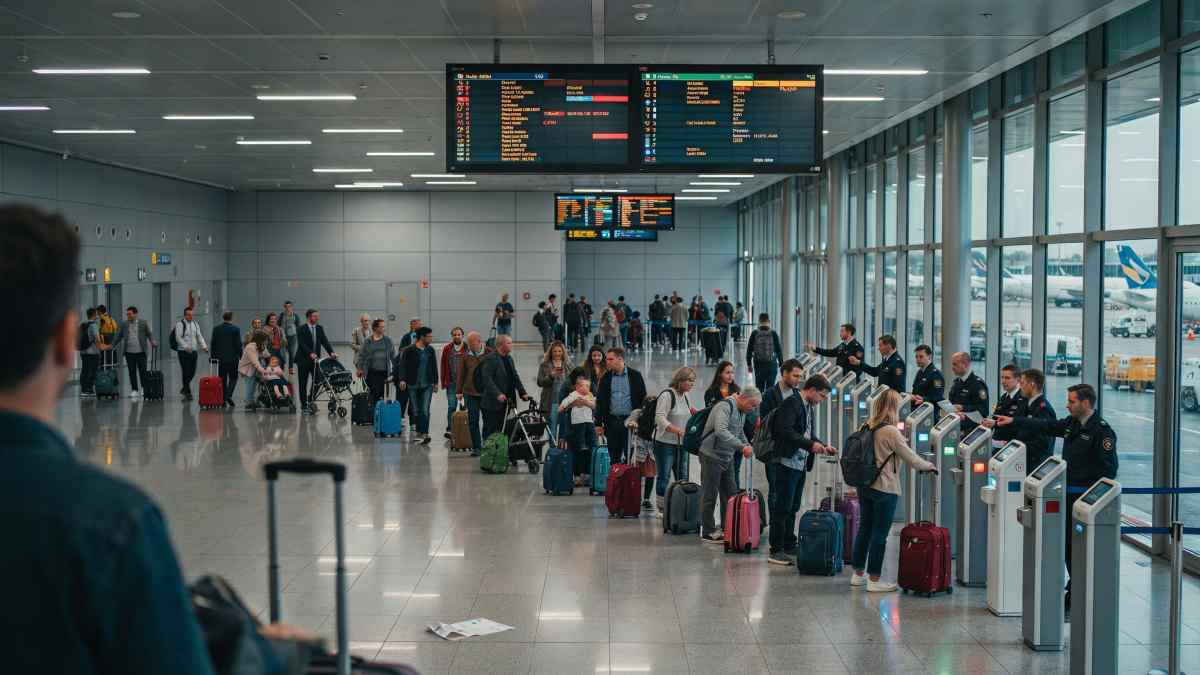
Spain and the wider European Union are moving ahead with the implementation of the Entry/Exit System (EES) despite growing concerns from airlines and airport operators about potential congestion during the busy summer travel season. Industry organisations, including the International Air Transport Association (IATA), had urged the European Union to temporarily suspend the rollout, warning that additional biometric border procedures could create long queues at major holiday gateways such as Málaga, Alicante, Palma de Mallorca and several regional ports. However, the European Commission has confirmed that the EES will remain in place, while the launch of the European Travel Information and Authorisation System (ETIAS) has been postponed to allow additional time for technical infrastructure and operational readiness.
Europe Stands Firm on the Entry/Exit System
Let’s be honest—few travellers want to begin their holiday standing in lengthy immigration queues.
That concern has become one of the aviation industry’s biggest talking points as Europe prepares for one of its busiest summer travel seasons.
The European Union has made it clear that the Entry/Exit System (EES) remains a central part of its long-term border modernisation strategy. Despite calls from airlines and airport operators for a temporary suspension, European authorities have confirmed that biometric border checks will continue rather than being paused during peak holiday months.
Advertisement
Advertisement
The decision reflects the EU’s commitment to strengthening border management while gradually modernising entry procedures across the Schengen Area.
What Is the Entry/Exit System?
The Entry/Exit System represents one of the most significant changes to European border management in decades.
Advertisement
Advertisement
Instead of relying solely on passport stamps, eligible non-EU travellers entering or leaving the Schengen Area will have biometric information, including facial images and fingerprints, recorded electronically.
The digital system is designed to:
- Replace manual passport stamping.
- Improve border security.
- Monitor authorised lengths of stay.
- Detect overstays more efficiently.
- Modernise immigration processing across participating Schengen countries.
Although the registration process is expected to take slightly longer during a traveller’s first entry, future crossings should become more streamlined once biometric records are established.
Airlines Warn About Summer Congestion
The aviation industry has voiced concerns about how the new procedures could affect passengers.
Industry organisations, including IATA, along with airport operators, have argued that introducing additional biometric processing during one of Europe’s busiest travel periods could increase waiting times at immigration checkpoints.
Popular holiday destinations such as:
Advertisement
Advertisement
- Málaga
- Alicante
- Palma de Mallorca
have been highlighted as locations where particularly heavy passenger volumes could lead to longer queues during peak arrival periods.
Regional ferry ports handling large numbers of international visitors have also been identified as potential congestion points.
The EU Rejects Calls for Suspension
Here’s where the story takes an important turn.
Despite industry concerns, European authorities have rejected proposals to delay or suspend the Entry/Exit System during the summer.
Officials maintain that the system forms an essential part of the EU’s long-term border management strategy and that implementation should continue while operational improvements are introduced where necessary.
Rather than postponing the programme, authorities are working with border agencies, airports and transport operators to manage passenger flows as efficiently as possible.
Advertisement
Advertisement
ETIAS Launch Delayed
While the EES continues moving forward, another major European travel initiative has been delayed.
The European Travel Information and Authorisation System (ETIAS), which will require eligible visa-exempt travellers to obtain travel authorisation before entering participating European countries, has been postponed.
European authorities explained that additional time is needed to ensure supporting IT systems are fully operational and capable of integrating effectively with the Entry/Exit System.
The delay provides governments, airlines and border agencies with additional preparation time before both systems operate together.
Summer Tourism Continues at Record Levels
The decision arrives as Southern Europe prepares for another exceptionally busy holiday season.
Spain, Italy, Greece and other Mediterranean destinations continue expecting millions of international visitors throughout the summer.
Advertisement
Advertisement
Airports are already handling record passenger volumes, making efficient border processing increasingly important for maintaining positive traveller experiences.
Although some passengers may experience longer processing times during initial implementation, tourism demand remains exceptionally strong across Europe.
Travellers Should Prepare Before Departure
Preparation can make a significant difference.
Travellers visiting the Schengen Area should ensure passports remain valid, arrive at airports earlier during busy travel periods and follow guidance issued by airlines and border authorities.
First-time users of the Entry/Exit System should also expect biometric registration procedures when entering participating countries.
Allowing additional time at border control can help reduce unnecessary stress, particularly during weekends and school holiday peaks.
Advertisement
Advertisement
Digital Borders Represent the Future
The introduction of biometric border management reflects a broader global trend.
Countries around the world continue investing in facial recognition, digital identity verification and automated immigration systems to improve efficiency while strengthening security.
Europe’s Entry/Exit System forms part of this wider transformation, creating a more modern border management framework capable of handling growing international travel demand.
Although implementation may present short-term operational challenges, the system is expected to support more efficient border processing over the longer term.
Key Stats
- The EU has confirmed that the Entry/Exit System (EES) will remain in operation during the summer travel season.
- Airlines and airport operators, including IATA, requested a temporary suspension because of concerns about passenger queues.
- Málaga, Alicante and Palma de Mallorca are among the airports expected to experience particularly heavy passenger volumes.
- ETIAS has been postponed to allow additional time for IT infrastructure and operational readiness.
- The Entry/Exit System replaces manual passport stamping with biometric border registration for eligible non-EU travellers.
FAQ
1. Will the Entry/Exit System be suspended during summer?
No. The European Union has confirmed that the biometric Entry/Exit System will continue operating throughout the peak travel season.
2. Why has ETIAS been delayed?
European authorities postponed ETIAS to provide additional time for IT infrastructure, system integration and operational preparation.
Advertisement
Advertisement
3. Should travellers expect longer border queues?
Some first-time travellers using the Entry/Exit System may experience additional processing while biometric information is registered, particularly during busy holiday periods.
Timeline and Events
Summer 2026 – The European Union confirms that the Entry/Exit System (EES) will remain operational despite industry requests for a temporary suspension.
Following EES implementation – The rollout of ETIAS is postponed to allow additional time for IT infrastructure and system integration.
Conclusion
The European Union’s decision to proceed with the Entry/Exit System despite concerns over airport congestion marks a significant milestone in the modernisation of Schengen border management. While airlines and airports continue preparing for increased passenger volumes at popular holiday destinations such as Málaga, Alicante and Palma de Mallorca, travellers can expect biometric border checks to become an increasingly familiar part of entering Europe. With ETIAS delayed to ensure technical readiness, authorities are focusing on implementing the new border framework while supporting smooth travel during one of the busiest tourism seasons on record.
Advertisement
