
Edinburgh Captivates Europe as Scotland’s Welcoming Capital Blends Heritage, Culture and Timeless Charm: All You Need to Know

Published
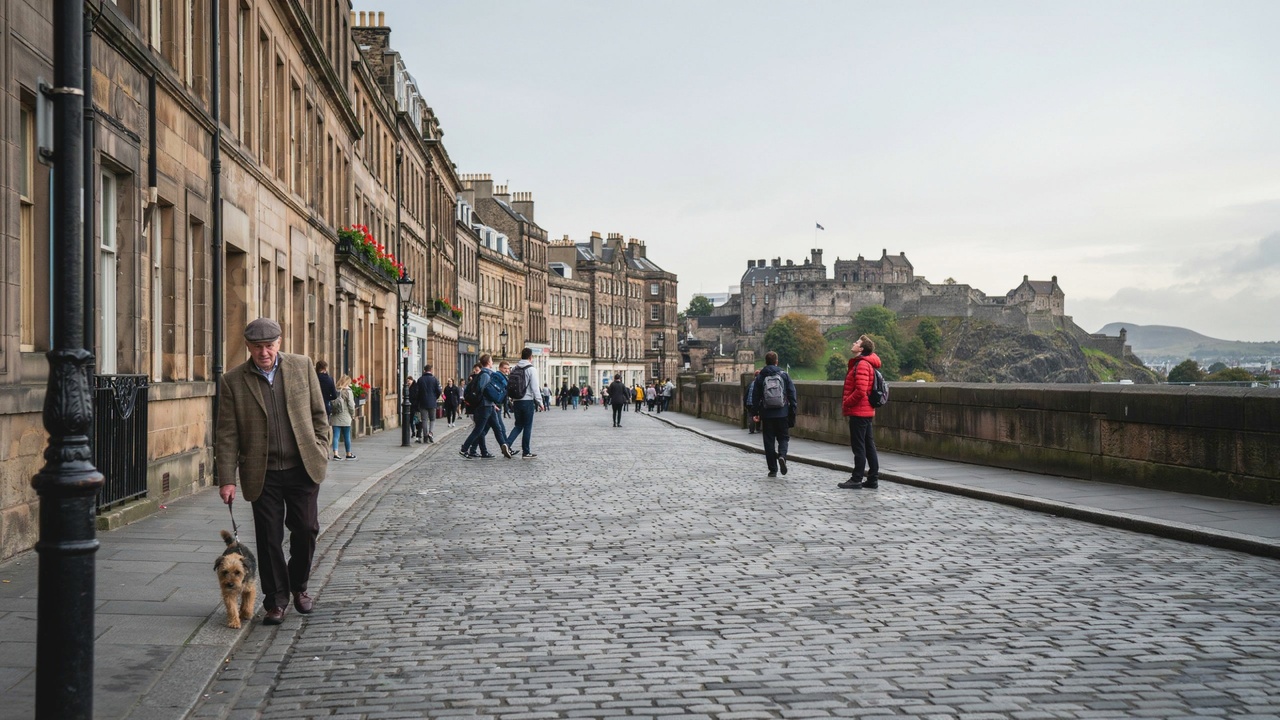
Edinburgh continues to strengthen its reputation as one of Europe’s most welcoming city destinations. Scotland’s capital combines historic streets, dramatic architecture, cultural attractions, green spaces, major festivals and a lively food scene within a compact and highly walkable city.
The city attracts millions of visitors each year, drawn by landmarks such as Edinburgh Castle, the Royal Mile, Arthur’s Seat and the historic Old and New Towns. Its blend of heritage and modern city life has helped Edinburgh become one of the most recognised urban destinations in the United Kingdom.
Advertisement
Advertisement
Why Edinburgh Feels So Welcoming to International Travellers?
Edinburgh offers visitors an easy introduction to Scotland.
Much of the historic centre can be explored on foot, allowing travellers to move naturally between castles, museums, cafés, shops and public squares.
Advertisement
Advertisement
The city also has a strong social character. Traditional pubs, independent restaurants, neighbourhood cafés and cultural venues create an atmosphere where visitors can experience local life without travelling far from the main attractions.
Edinburgh’s manageable size also makes it less overwhelming than many larger European capitals. Travellers can experience major sights while still finding quieter streets, parks and neighbourhoods away from the busiest visitor areas.
Advertisement
Advertisement
Edinburgh Castle Remains the City’s Most Powerful Landmark
Edinburgh Castle dominates the skyline from its position on Castle Rock.
The fortress is one of Scotland’s best-known historic attractions and offers sweeping views across the city.
From the castle, visitors can follow the Royal Mile through the heart of Edinburgh’s Old Town.
The route connects many of the city’s historic buildings, narrow closes, museums, churches, restaurants and shops.
At the opposite end of the Royal Mile lies the Palace of Holyroodhouse, creating one of Europe’s most distinctive historic walking routes.
For first-time visitors, this area provides a strong introduction to Edinburgh’s history and architectural character.
Advertisement
Advertisement
The Royal Mile Brings Edinburgh’s History to Life
The Royal Mile remains one of the busiest and most recognisable streets in Scotland.
Its stone buildings, narrow passageways and historic landmarks reflect centuries of Edinburgh’s development.
Visitors can explore museums, traditional shops, restaurants and historic attractions without leaving the central Old Town.
The surrounding closes and side streets reveal quieter corners of the city and provide a deeper look at Edinburgh’s medieval character.
Walking the Royal Mile also allows travellers to experience the contrast between Edinburgh’s historic architecture and its modern cultural life.
Edinburgh’s Old and New Towns Create a Unique Cityscape
Edinburgh stands out because two very different historic districts sit side by side.
Advertisement
Advertisement
The Old Town is defined by narrow streets, medieval buildings and dramatic architecture.
The New Town offers wider streets, elegant Georgian buildings, gardens and open squares.
Together, these areas create one of Europe’s most distinctive urban landscapes.
Travellers can move between centuries of architectural history within minutes.
This contrast gives Edinburgh a strong visual identity and makes the city particularly attractive to visitors interested in photography, architecture and heritage travel.
Arthur’s Seat Gives Travellers a Wild Escape Inside the City
One of Edinburgh’s greatest advantages is its easy access to nature.
Advertisement
Advertisement
Arthur’s Seat rises above Holyrood Park and provides panoramic views across the city and surrounding landscape.
The climb is popular with visitors looking to combine sightseeing with outdoor activity.
From the summit, travellers can see Edinburgh Castle, the city centre, the coastline and distant hills.
Few major European cities offer such a dramatic natural viewpoint within walking distance of their historic centre.
This connection between city life and open landscapes adds significantly to Edinburgh’s appeal.
Edinburgh’s Festivals Transform the City Every Year
Edinburgh is internationally known for its festival calendar.
Advertisement
Advertisement
During peak festival periods, the city fills with performers, artists, musicians, writers and visitors from around the world.
Streets, theatres, temporary venues and public spaces become part of a much larger cultural programme.
The busiest period usually arrives in summer, when accommodation demand rises sharply and central Edinburgh becomes especially lively.
Travellers who prefer a calmer experience may consider visiting in spring, autumn or winter.
Each season offers a different atmosphere, allowing visitors to choose between major events and quieter city exploration.
Edinburgh’s Food and Pub Culture Add Local Character
Food plays an increasingly important role in Edinburgh tourism.
Advertisement
Advertisement
The city offers traditional Scottish dishes alongside modern restaurants, international cuisine and independent cafés.
Travellers can try local specialities while exploring both central districts and residential neighbourhoods.
Traditional pubs remain another important part of Edinburgh’s social atmosphere.
Many combine historic interiors with Scottish drinks, live music and casual dining.
For visitors, these places provide an opportunity to experience local culture beyond museums and major attractions.
Edinburgh Airport Keeps Expanding International Access
Edinburgh’s growing air connections have made the city easier to reach from Europe, North America and other international markets.
Advertisement
Advertisement
Direct flights support both short city breaks and longer holidays across Scotland.
For overseas travellers, Edinburgh can work as a starting point for a wider Scottish itinerary.
Visitors can continue from the capital towards the Highlands, Glasgow, St Andrews and other destinations.
Better air connectivity therefore strengthens Edinburgh not only as a city destination but also as an important gateway to Scotland.
A Visitor Levy Now Forms Part of Edinburgh Travel Costs
Travellers staying overnight in Edinburgh should now include the city’s visitor levy when planning their accommodation budget.
The levy applies to eligible paid overnight stays and is calculated as a percentage of the accommodation cost for a limited number of nights.
Advertisement
Advertisement
The money is intended to support services and facilities connected with the city’s visitor economy.
For travellers, the most important step is checking the final accommodation price before booking.
Hotels and other accommodation providers should clearly explain the additional charge where it applies.
Why Travellers Should Explore Beyond Edinburgh’s Old Town?
The Royal Mile and castle attract most first-time visitors, but Edinburgh offers much more beyond its historic centre.
Neighbourhoods such as Stockbridge, Leith and areas around Bruntsfield and Morningside offer a different side of the city.
These districts feature restaurants, cafés, independent shops, green spaces and a more residential atmosphere.
Advertisement
Advertisement
Exploring beyond the main tourist corridor can also help travellers discover quieter areas and more varied local experiences.
For longer stays, neighbourhood exploration can make Edinburgh feel less like a traditional sightseeing destination and more like a living city.
Edinburgh Works Well for Short and Long City Breaks
Edinburgh is particularly well suited to weekend travel because many major attractions are located relatively close together.
A short stay can include Edinburgh Castle, the Royal Mile, Holyrood, museums and central restaurants.
Travellers with more time can add Arthur’s Seat, coastal areas, neighbourhood exploration and day trips beyond the city.
This flexibility makes Edinburgh suitable for different types of travellers.
Advertisement
Advertisement
Couples, families, solo visitors, culture lovers, history enthusiasts and outdoor travellers can all build very different itineraries around the same destination.
Edinburgh’s Tourism Appeal Goes Beyond Its Famous Landmarks
The strength of Edinburgh lies in the way its attractions connect.
Historic architecture sits beside modern cultural venues.
Busy streets quickly lead into parks and open spaces.
Traditional pubs operate alongside contemporary restaurants.
Major festivals coexist with quieter neighbourhood life.
Advertisement
Advertisement
This variety gives travellers several reasons to extend their stay rather than treating Edinburgh as a one-day sightseeing destination.
It also helps explain why the city continues to attract strong international attention.
What Travellers Should Know Before Visiting Edinburgh?
| Travel Detail | Useful Information |
|---|---|
| Country | Scotland, United Kingdom |
| Main city attraction | Edinburgh Castle |
| Famous street | Royal Mile |
| Outdoor highlight | Arthur’s Seat |
| Historic districts | Old Town and New Town |
| Best for | Heritage, culture, festivals, food, city breaks |
| Main airport | Edinburgh Airport |
| Getting around | Walking, bus and tram |
| Popular seasons | Spring, summer, autumn and festive winter period |
Edinburgh Combines Scottish Heritage With Modern European City Travel
Edinburgh continues to stand out as one of Scotland’s strongest tourism destinations because it offers much more than historic architecture.
Travellers can experience castles, museums, neighbourhoods, festivals, restaurants, parks and dramatic viewpoints without travelling far.
Its compact layout makes sightseeing simple, while expanding international air links make the city increasingly accessible.
For visitors looking for a European city break filled with character, history and culture, Edinburgh offers a balanced mix of famous landmarks and authentic local experiences.
Advertisement
Advertisement
Frequently Asked Questions
1. Is Edinburgh easy to explore on foot?
Yes. Many of the main attractions in the Old Town and New Town are within walking distance, although the city has several steep streets and hills.
2. What is Edinburgh most famous for?
Edinburgh is best known for Edinburgh Castle, the Royal Mile, its historic Old and New Towns, major festivals and dramatic city views.
3. How many days are enough for Edinburgh?
Two to three days can cover the main attractions. Four or five days allow more time for neighbourhoods, museums, outdoor areas and nearby excursions.
4. Is Arthur’s Seat close to central Edinburgh?
Yes. Arthur’s Seat lies inside Holyrood Park and can be reached relatively easily from the Old Town.
5. Is Edinburgh suitable for winter travel?
Yes. Winter brings festive events, atmospheric streets and seasonal experiences, although travellers should prepare for colder weather and shorter daylight hours.
Advertisement
