
Argentina Loses Its Budget Travel Appeal as Rising Food and Hotel Prices Push Up Holiday Costs

Updated
Published
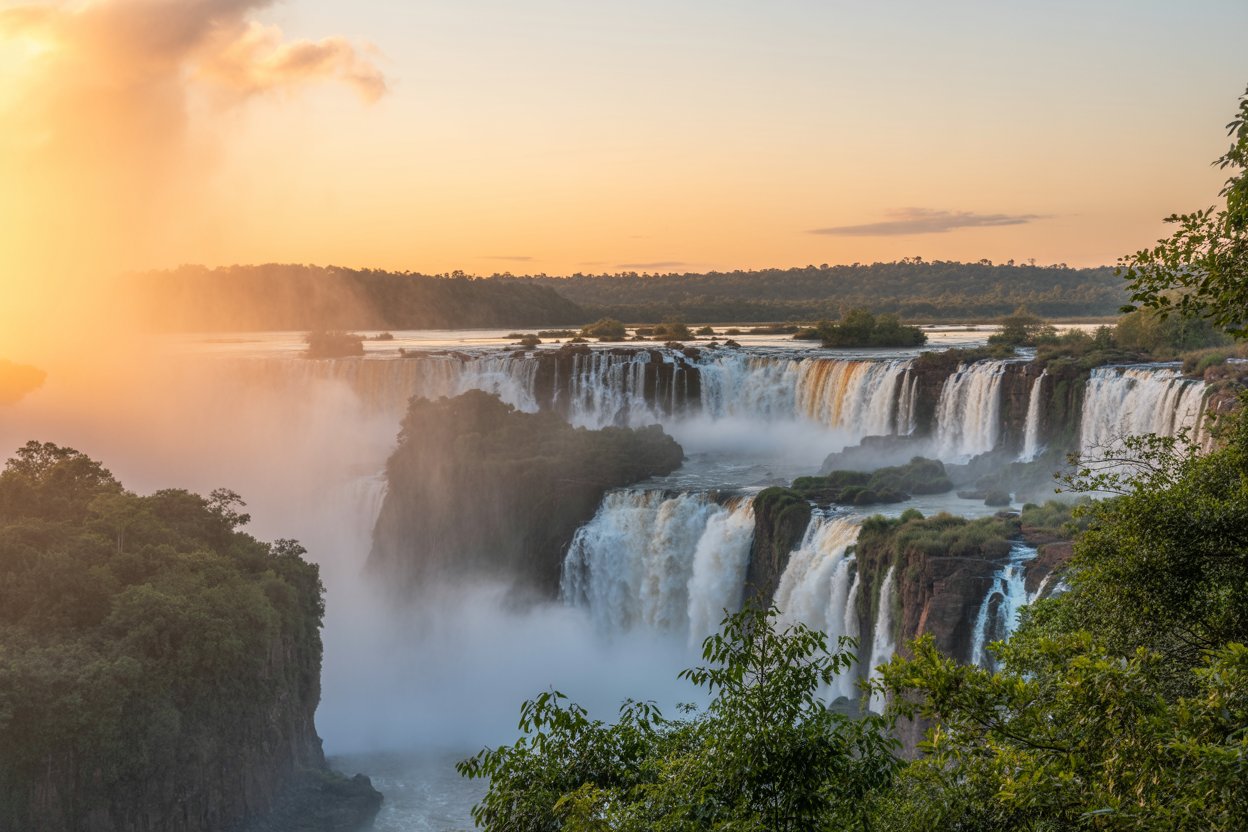
Argentina loses its budget travel appeal as rising food and hotel prices push up holiday costs, changing how international visitors plan their trips. Years of inflation, changing exchange rates and higher operating expenses have reduced some of the price advantages that once made Argentina an attractive destination for travellers seeking affordable accommodation, dining and sightseeing.
For years, international tourists associated Argentina with exceptional value. Visitors carrying US dollars or euros could often enjoy quality restaurants, boutique hotels, cultural attractions and long-distance journeys at prices substantially below those in many established international destinations.
Advertisement
Advertisement
However, Argentina’s tourism economy has undergone significant changes. Domestic prices have increased sharply, while movements in the peso’s exchange rate have not always provided foreign visitors with equivalent savings.
As a result, travellers visiting Buenos Aires, Mendoza, Patagonia and other popular destinations increasingly need to assess accommodation rates, restaurant prices and transport costs before making reservations.
Advertisement
Advertisement
The country remains an important South American tourism destination, but its affordability can no longer be taken for granted.
How Inflation Has Changed Argentina’s Tourism Economy
Argentina has experienced prolonged economic instability, with inflation becoming one of the country’s most significant financial challenges.
Advertisement
Advertisement
Rising prices have affected everyday products and services, including groceries, restaurant meals, accommodation, fuel and transport.
For tourism businesses, these changes have increased the cost of maintaining properties, purchasing supplies, paying employees and delivering services.
Hotels and restaurants must account for higher operating expenses when setting prices. Consequently, visitors may encounter accommodation and dining costs that are considerably higher than those advertised during previous years.
However, inflation alone does not determine whether Argentina is expensive for international tourists.
The relationship between domestic inflation and currency movements is equally important.
When Argentine prices rise faster than the peso depreciates against major foreign currencies, international travellers can experience higher costs even when paying in dollars or euros.
Advertisement
Advertisement
This helps explain why Argentina can become more expensive for overseas visitors despite continuing to experience domestic inflation.
Why Foreign Tourists Are Finding Argentina Less Affordable
Argentina’s previous reputation as a budget destination was partly supported by favourable exchange rates.
During periods of significant peso depreciation, foreign visitors could exchange their currencies for substantial amounts of local money.
This made restaurants, hotels and tourism services relatively affordable for many international travellers.
However, changes in currency policy, exchange-rate movements and domestic prices have altered that relationship.
Several factors now influence the cost of visiting Argentina:
Advertisement
Advertisement
- Higher restaurant expenses: Food prices, labour costs and commercial operating expenses affect dining bills.
- Increasing accommodation rates: Hotels adjust prices to cover maintenance, utilities, staffing and other expenses.
- Currency movements: The purchasing power of foreign currencies depends on prevailing exchange rates.
- Transport expenses: Domestic flights, fuel prices and long-distance travel can significantly affect holiday budgets.
- Seasonal demand: Popular destinations may charge higher rates during holidays and peak tourism periods.
- Regional price differences: Buenos Aires, Mendoza and Patagonia have different accommodation and dining markets.
These factors mean that Argentina’s affordability varies considerably according to destination, season, travel style and currency conditions.
Latest Inflation Figures Show Prices Are Still Increasing
Official figures from Argentina’s National Institute of Statistics and Censuses (INDEC) show that consumer prices continued to increase during 2026, although the pace of inflation was considerably lower than the extreme levels recorded in earlier years.
In September 2026, consumer prices increased by 1.9% compared with August. Annual inflation reached 33.4%, while cumulative inflation during the first nine months of 2026 stood at 23.6%.
These figures indicate that inflation has moderated but has not disappeared. Slower inflation means prices are increasing less rapidly; it does not mean that accommodation, meals or other travel services have returned to their previous prices.
Argentina Inflation Indicators
| Economic indicator | Reported figure | Period |
|---|---|---|
| Monthly consumer inflation | 1.9% | September 2026 |
| Annual consumer inflation | 33.4% | September 2026 |
| Cumulative inflation | 23.6% | January–September 2026 |
| Monthly consumer inflation | 1.7% | August 2026 |
| Restaurant and hotel price inflation | 1.1% | September 2026 |
Source: INDEC official consumer price statistics, September 2026. These are national price indicators, not average tourist expenditure or hotel room rates.
The restaurant and hotel category recorded a monthly increase of 1.1% in September, below the overall consumer inflation rate. This distinction is important because it shows that different parts of the economy are experiencing different rates of price growth.
Advertisement
Advertisement
Buenos Aires and Patagonia Reflect Different Holiday Costs
The effect of higher prices is not identical across Argentina’s major tourism destinations.
Buenos Aires offers a broad selection of accommodation, restaurants, public transport and cultural attractions. Travellers can still find relatively affordable experiences, particularly when using public transport and exploring neighbourhood restaurants.
However, visitors seeking centrally located hotels, premium dining and organised excursions may face substantially higher expenses than expected from Argentina’s former budget-friendly reputation.
Patagonia presents different financial considerations. Travelling to destinations such as El Calafate, Ushuaia and Bariloche can involve additional domestic flights, long-distance transfers and guided outdoor activities.
Seasonal demand can further increase accommodation costs, particularly during popular skiing and trekking periods.
Mendoza, meanwhile, attracts visitors interested in vineyards, gastronomy and mountain scenery. Although the region offers different accommodation categories, organised winery experiences and private transfers can add considerably to holiday expenditure.
Advertisement
Advertisement
How Rising Costs Affect Popular Destinations
| Destination | Main tourism attractions | Important budget considerations |
|---|---|---|
| Buenos Aires | Culture, tango, gastronomy, architecture | Hotels, restaurants and entertainment |
| Mendoza | Wine tourism, vineyards, Andes excursions | Winery visits, private transport and accommodation |
| Bariloche | Lakes, mountains and skiing | Seasonal hotels, ski activities and transport |
| El Calafate | Perito Moreno Glacier and Patagonia excursions | Guided tours, accommodation and transfers |
| Ushuaia | Tierra del Fuego and Antarctic gateways | Flights, excursions and seasonal demand |
| Salta | Colonial heritage, landscapes and regional cuisine | Regional transport and organised tours |
Destination-level planning guidance. Costs depend on travel dates, availability and the services selected.
What Argentina’s Higher Prices Mean for International Tourism
Argentina’s changing price structure has implications for its position within South America’s tourism market.
International travellers frequently compare destinations based on the total cost of accommodation, food, transport and activities.
When one destination becomes more expensive, some visitors may reconsider their length of stay, accommodation category or travel itinerary.
However, higher prices do not automatically mean that Argentina is losing its overall tourism appeal.
The country continues to offer distinctive attractions, including the landscapes of Patagonia, Buenos Aires’ cultural heritage, Mendoza’s wine regions and the natural beauty surrounding Iguazú Falls.
Advertisement
Advertisement
These experiences can attract visitors even when travel expenses rise.
The more significant change concerns how Argentina competes for price-sensitive travellers. Rather than assuming that the country offers consistently low prices, tourists increasingly need to compare actual travel costs against those of alternative destinations.
How Travellers Can Manage Holiday Expenses in Argentina
Although Argentina is no longer consistently inexpensive for foreign visitors, careful planning can help reduce unnecessary spending.
Travellers should consider several practical measures before departure:
- Compare accommodation rates across different neighbourhoods and property categories.
- Check exchange rates close to the booking and payment dates.
- Compare domestic flight prices with available long-distance transport options.
- Review restaurant menus and prices before choosing dining establishments.
- Consider travelling outside peak holiday periods where practical.
- Book major excursions after comparing operators, inclusions and cancellation policies.
- Allow additional room in travel budgets for unexpected price changes.
Travellers should also distinguish between prices quoted in Argentine pesos and those advertised in foreign currencies.
For accommodation and organised tours, the final amount payable may depend on the booking currency, payment method, applicable taxes and exchange-rate arrangements.
Advertisement
Advertisement
Conclusion: Argentina Loses Its Budget Travel Appeal as Rising Food and Hotel Prices Push Up Holiday Costs
Argentina loses its budget travel appeal as rising food and hotel prices push up holiday costs, reflecting the combined effects of years of inflation, currency movements and changing tourism operating expenses.
Although inflation has slowed considerably, accumulated price increases continue to influence what international visitors pay for accommodation, dining and travel services.
Argentina remains an attractive destination for cultural tourism, gastronomy, wildlife, wine experiences and outdoor adventures. However, travellers can no longer rely on its historical reputation as one of South America’s inexpensive holiday choices.
For visitors planning a trip in 2026, the most reliable approach is to compare current prices, monitor currency conditions and prepare a realistic budget before departure.
Advertisement
