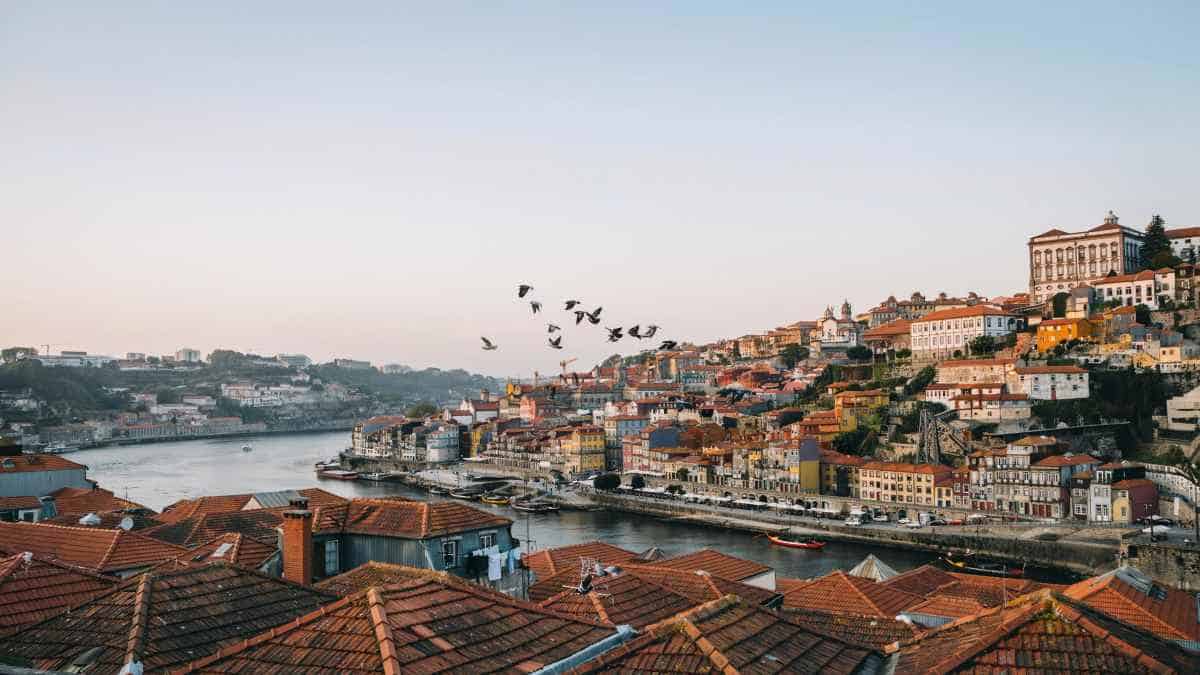
Image generated with Ai
Portugal is continuing to strengthen its sustainable tourism strategy as municipalities across the country expand or adjust overnight tourist taxes to help manage rising visitor numbers and improve local infrastructure. Popular destinations including Lisbon, Porto, Sintra and several municipalities across the Algarve now charge accommodation levies that generally range between €2 and €4 per person per night, depending on the destination and local regulations. Revenue generated from these municipal visitor taxes is being directed towards public transport improvements, heritage conservation, environmental protection and tourism infrastructure, helping communities accommodate increasing numbers of domestic and international travellers. As Portugal continues to welcome record tourism, these locally administered taxes are becoming an increasingly important part of the country’s long-term destination management strategy.
Portugal has experienced sustained growth in international tourism over the past decade.
Advertisement
Cities such as Lisbon and Porto, along with UNESCO-listed destinations like Sintra and the beaches of the Algarve, regularly welcome millions of visitors every year.
While tourism contributes significantly to the national economy, it also places additional pressure on public transport, historic neighbourhoods, waste management, public spaces and cultural landmarks.
Advertisement
Advertisement
Municipal tourist taxes provide local authorities with dedicated funding to maintain essential services while preserving the quality of life for residents and improving the visitor experience.
Rather than relying solely on local taxpayers, these accommodation levies allow visitors to contribute directly to the destinations they enjoy.
As Portugal’s capital and busiest tourism hub, Lisbon has been at the forefront of introducing municipal visitor taxes.
Revenue collected from overnight stays supports a wide range of public initiatives, including improvements to public transport, urban maintenance, tourism facilities and the preservation of the city’s historic districts.
Advertisement
Advertisement
Lisbon’s iconic neighbourhoods, historic tram network, riverfront areas and cultural attractions require continuous investment to accommodate increasing visitor demand while protecting their historic character.
The tourism levy plays an important role in helping fund these long-term improvements.
Portugal’s second-largest city has also adopted accommodation taxes as part of its broader tourism management strategy.
Known for its historic riverside district, wine cellars and UNESCO World Heritage-listed city centre, Porto continues investing in heritage conservation, visitor services and urban infrastructure.
Municipal tourism revenue helps support restoration projects, public facilities and improvements that benefit both residents and international visitors.
As Porto’s popularity continues to grow, sustainable funding mechanisms are becoming increasingly important.
Located just outside Lisbon, Sintra remains one of Portugal’s most visited cultural destinations.
Its famous palaces, gardens and forested hills attract travellers from around the world.
Tourism-related funding helps preserve historic monuments, maintain walking routes, improve transport access and manage visitor flows around heavily visited attractions.
Given Sintra’s unique cultural landscape and UNESCO World Heritage status, ongoing conservation requires substantial investment throughout the year.
Portugal’s southern Algarve region welcomes millions of holidaymakers seeking beaches, golf resorts and coastal villages.
Several Algarve municipalities have introduced or adjusted overnight visitor taxes as tourism continues expanding.
Revenue generated supports:
The approach aims to ensure tourism growth remains environmentally and economically sustainable while preserving the Algarve’s natural beauty.
The expansion of municipal tourist taxes coincides with Portugal’s broader efforts to manage short-term accommodation.
Holiday apartments, guesthouses and licensed local accommodation providers generally collect the applicable overnight tax on behalf of municipal authorities.
This creates a more consistent approach across hotels and licensed short-term rentals while ensuring visitors contribute equally regardless of where they stay.
The broader regulatory framework also seeks to balance tourism growth with local housing needs in heavily visited urban areas.
Most visitors will encounter the tourist tax during hotel check-in or as part of their accommodation booking.
Depending on the municipality, charges generally range from €2 to €4 per person per night, with maximum stay limits often applying under local regulations.
Although the additional cost is relatively modest compared with overall travel expenses, travellers should factor it into their accommodation budget before arrival.
Because individual municipalities establish their own policies, the exact amount, collection method and exemptions may vary between destinations.
Major Destinations Applying Tourist Taxes:
Typical Overnight Tax:
Collected By:
Revenue Supports:
Currency:
Why does Portugal charge a tourist tax?
The tax helps municipalities fund public transport, preserve cultural heritage, maintain infrastructure and manage the impact of increasing visitor numbers.
How much is the tourist tax?
Most participating municipalities charge between €2 and €4 per person per night, although the exact amount depends on local regulations and accommodation type.
Do short-term rentals also collect the tax?
Yes. Licensed short-term accommodation providers generally collect the applicable municipal tourist tax in the same way as hotels and guesthouses.
Portugal’s municipal tourist taxes represent a growing commitment to sustainable tourism and responsible destination management. By asking visitors to make a modest contribution during their stay, cities such as Lisbon, Porto, Sintra and popular Algarve municipalities are securing additional funding for public transport, heritage preservation, environmental protection and improved visitor services. While the overnight charges add a small cost to accommodation, they play an important role in safeguarding Portugal’s historic landmarks, vibrant communities and natural landscapes for future generations. As tourism continues to thrive, these locally managed levies are likely to remain a key element of Portugal’s strategy for balancing economic growth with long-term sustainability.
Advertisement
Tags: algarve, Algarve tourism, Faro, Lisbon, Lisbon tourist tax
Advertisement
Advertisement













Friday, September 4, 2026
Friday, September 4, 2026

Friday, September 4, 2026

Friday, September 4, 2026

Thursday, September 3, 2026

Wednesday, September 2, 2026

Friday, September 4, 2026