
Wales Emerges as a Must-Visit UK Escape with Eryri, Cardiff, Pembrokeshire and More: Everything You Need to Know

Published
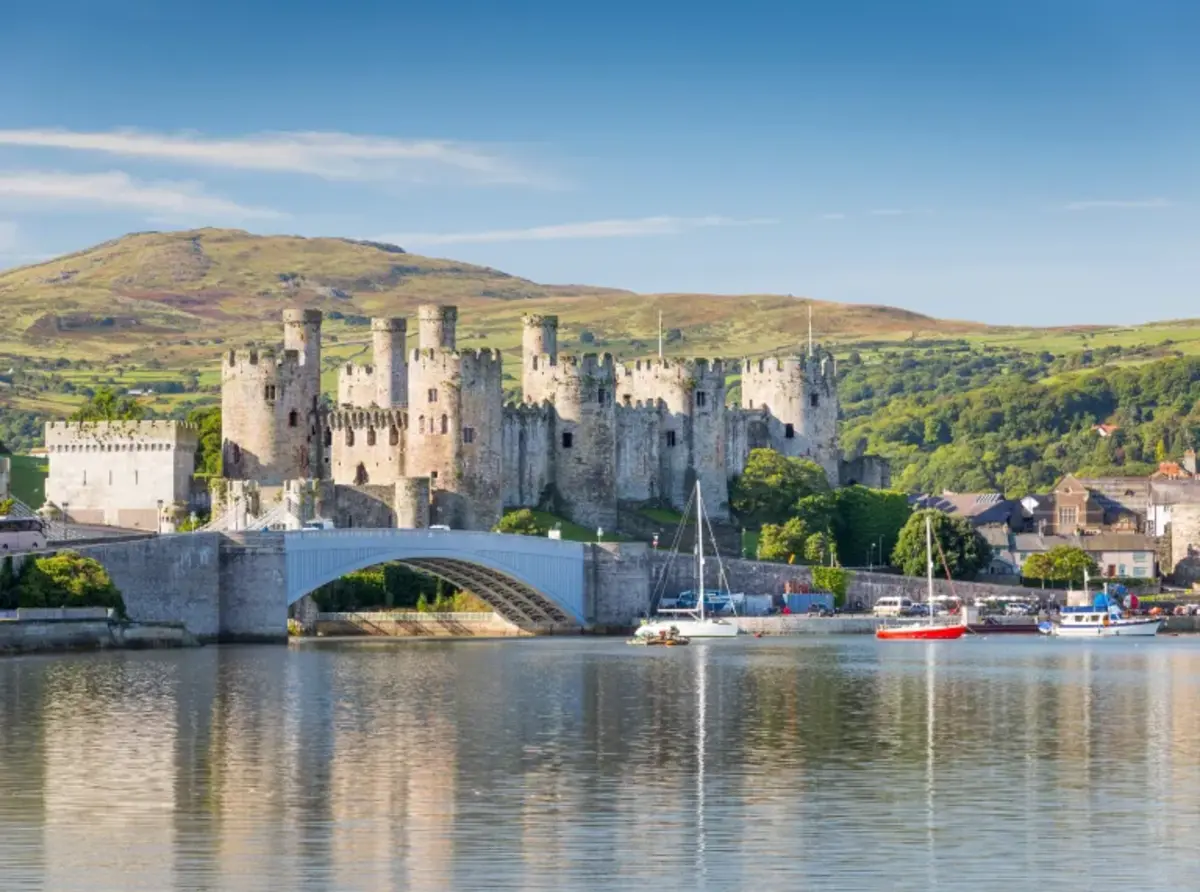
Wales can feel remarkably large for a country that is relatively compact. One journey can move from Cardiff’s castle-lined city centre to high mountain trails, sweeping beaches, medieval fortresses and tiny coastal communities where the sea is never far away.
That variety is the real strength of a Welsh holiday. Travellers do not have to choose between culture and countryside. Wales combines both, often within surprisingly manageable distances. Visit Wales divides the country into North, Mid, West and South Wales, with each region offering a markedly different experience.
Advertisement
Advertisement
For travellers planning a first visit or returning to explore deeper, these destinations reveal why Wales deserves much more than a hurried weekend.
Where Should Travellers Go in Wales?
| Destination | Region | Best Known For | Ideal For |
|---|---|---|---|
| Cardiff | South Wales | Castle, museums, sport, Cardiff Bay | City breaks, culture |
| Eryri National Park | North Wales | Mountains, lakes, walking | Hiking, nature |
| Pembrokeshire Coast | West Wales | Coast Path, beaches, wildlife | Coastal escapes |
| St Davids | Pembrokeshire | Cathedral city, coastal setting | Heritage, walking |
| Tenby | Pembrokeshire | Harbour, beaches, seaside atmosphere | Families, coastal breaks |
| Gower Peninsula | West Wales | Beaches, cliffs, walking | Nature, surfing |
| Conwy | North Wales | Medieval heritage and castle landscape | History |
| Ynys Môn (Anglesey) | North Wales | Coast, communities, landscapes | Road trips, walking |
| Bannau Brycheiniog | Mid/South Wales | Mountains, countryside, outdoor recreation | Hiking, stargazing |
| Hay-on-Wye | Mid Wales | Books and literary culture | Culture, slow travel |
| Portmeirion | North Wales | Distinctive architecture and coastal setting | Photography, architecture |
| Llandudno | North Wales | Traditional seaside character | Classic coastal holidays |
Cardiff Brings Welsh History Into a Modern Capital
Cardiff is an excellent starting point because it delivers several sides of Wales without requiring lengthy travel.
Advertisement
Advertisement
Cardiff Castle occupies the centre of the city and traces its origins back to Roman times. Its interiors were dramatically transformed during the nineteenth century, while visitors can climb the keep for views across the capital. National Museum Cardiff adds major art and natural-history collections, while St Fagans National Museum of History provides another route into Welsh social history.
The city is unusually manageable for a capital. Visit Wales describes the centre as compact, with Cardiff Bay and surrounding countryside accessible through public transport.
Advertisement
Advertisement
Victorian arcades, independent businesses, food markets, music and major sporting events add contemporary energy. Cardiff therefore works particularly well for travellers who want Welsh heritage without surrendering the conveniences of an urban break.
Eryri Delivers Wales at Its Most Dramatic
North Wales changes the scale completely.
Advertisement
Advertisement
Eryri National Park brings together mountains, lakes, valleys and an exceptionally strong Welsh cultural identity. It contains Wales’ highest peak, Yr Wyddfa, as well as Llyn Tegid, the country’s largest natural lake.
Walking is central to the experience. The National Park Authority maintains information covering 1,497 miles of approved paths, ranging from relatively gentle routes to strenuous mountain expeditions.
Eryri’s popularity also makes preparation important. Around four million visits are recorded annually, with April through September particularly busy. The authority recommends advance research, early accommodation bookings and consideration of quieter travel periods.
Travellers who associate Eryri only with reaching the summit of Yr Wyddfa risk missing much of its character. Beddgelert, Betws-y-Coed, Bala, Harlech, the Mawddach Estuary and other locations make longer exploration worthwhile.
Advertisement
Advertisement
Pembrokeshire Turns the Welsh Coast Into an Adventure Route
For sea views and outdoor travel, Pembrokeshire is difficult to overlook.
Pembrokeshire Coast National Park is unlike the mountain-centred image many travellers associate with national parks. Here, cliffs, beaches, offshore islands, wildlife and small communities form the landscape.
Its headline walking experience is the Pembrokeshire Coast Path, a 186-mile, or 299-kilometre, National Trail. The wider park contains more than 600 miles of public footpaths and bridleways.
Activities extend well beyond walking. Surfing, coasteering, wildlife watching and other water-based adventures are promoted throughout the park.
The wildlife dimension can be equally compelling. Harbour porpoises and several dolphin species occur in surrounding waters, while seasonal marine life can include larger visitors.
This makes Pembrokeshire particularly rewarding for travellers who want a holiday built around the outdoors rather than a checklist of conventional attractions.
Advertisement
Advertisement
St Davids Packs Heritage Into a Tiny Coastal Destination
St Davids provides an appealing base for exploring the Pembrokeshire coast.
Its appeal lies in contrast. Historic and religious heritage sits close to wild coastal scenery, allowing visitors to move quickly from built heritage into walking country.
The Pembrokeshire Coast National Park Authority operates Oriel y Parc National Park Discovery Centre in St Davids, providing a practical starting point for understanding the surrounding landscape and planning activities.
Nearby coastal routes and access to marine activities make St Davids useful for travellers who want to combine history with outdoor exploration rather than treating the two as separate holidays.
Tenby Delivers the Classic Welsh Seaside Escape
Tenby represents another face of Pembrokeshire.
Its harbour, beaches and compact streets make it particularly suited to travellers looking for an accessible seaside break. It also works naturally as part of a wider Pembrokeshire itinerary, allowing visitors to combine traditional coastal-town atmosphere with national-park landscapes.
Advertisement
Advertisement
Rather than racing between attractions, Tenby rewards a slower rhythm: walking, beach time, harbour views and excursions into the surrounding coastline.
Pairing Tenby with St Davids creates an especially useful introduction to Pembrokeshire because visitors experience two very different communities within the same coastal county.
Gower Shows Why South Wales Is About More Than Cardiff
Head west from Cardiff and the urban landscape eventually gives way to one of Wales’ celebrated coastal regions.
The Gower Peninsula brings beaches, cliffs, walking country and open landscapes within reach of Swansea. Visit Wales identifies West Wales as a region where colourful seaside communities meet some of the UK’s notable beaches.
Gower suits travellers who want a flexible coastal holiday. A day might revolve around walking, surfing, photography or simply finding a beach and slowing down.
It also pairs effectively with Swansea, giving travellers an itinerary that combines city facilities with immediate access to nature.
Advertisement
Advertisement
Conwy Brings Medieval Wales Into Sharp Focus
North Wales is particularly rewarding for castle enthusiasts, and Conwy is one of its defining heritage destinations.
The wider region combines World Heritage, Welsh language and dramatic landscapes, making historic sites feel connected to living culture rather than isolated monuments. Visit Wales specifically highlights North Wales for its distinctive culture and World Heritage attractions.
Conwy can also form part of a wider North Wales journey incorporating Llandudno, Eryri and Ynys Môn.
That geographical concentration is useful for visitors with limited time: coast, mountains and medieval heritage can all fit into one regional itinerary.
Ynys Môn Offers a Slower Island Side of North Wales
Ynys Môn, or the Isle of Anglesey, provides a change of pace from the busier mountain destinations.
The island belongs naturally in a North Wales road trip, particularly for visitors interested in coastline, walking, small communities and landscapes rather than dense sightseeing schedules.
Advertisement
Advertisement
Its position also makes it easy to combine with mainland North Wales.
A journey pairing Eryri’s mountains with Anglesey’s coast creates one of the strongest contrasts available within a relatively compact area of Britain.
Bannau Brycheiniog Opens the Door to Wild Mid Wales
Bannau Brycheiniog, historically known in English as the Brecon Beacons, offers another major mountain experience.
This is territory for long walks, waterfalls, open countryside and quieter rural journeys. Visit Wales highlights Bannau Brycheiniog among the defining outdoor landscapes of Mid Wales.
Its location also makes it particularly useful for travellers beginning in South Wales. A Cardiff holiday can therefore expand into a countryside escape without requiring a journey to the far north.
That makes the region a strong choice for travellers wanting to mix an urban weekend with hiking and open landscapes.
Advertisement
Advertisement
Hay-on-Wye Gives Book Lovers Their Own Welsh Pilgrimage
Not every memorable Welsh destination revolves around mountains or beaches.
Hay-on-Wye has developed an international identity around books and ideas. Visit Wales highlights the town’s transformation into a major gathering point for literature enthusiasts during the Hay Festival, when talks, workshops and performances bring an international cultural audience to the area.
Outside festival periods, its book-town identity makes Hay an attractive slow-travel stop.
It fits particularly well into an itinerary through Mid Wales or the Welsh borders, where the emphasis shifts from major attractions towards independent businesses, landscape and local character.
Portmeirion Adds an Unexpected Architectural Twist
Portmeirion demonstrates how quickly Wales can overturn expectations.
Instead of another medieval fortress or mountain village, travellers encounter a highly distinctive architectural environment set against the North Wales landscape. Visit Wales specifically features Portmeirion among the country’s unusual visitor experiences.
Advertisement
Advertisement
Its visual character makes it especially attractive for architecture enthusiasts and photographers.
Portmeirion can also be incorporated into a broader Eryri itinerary, providing an architectural counterpoint to the mountains, lakes and walking trails dominating much of the surrounding region.
Llandudno Keeps the Traditional Seaside Holiday Alive
Llandudno brings another dimension to North Wales.
The resort works particularly well for travellers attracted to traditional British seaside architecture and coastal promenades but who also want access to the wider landscapes and historic destinations of the north.
Its strategic advantage is location. Travellers can use the coast as a base while exploring Conwy and moving towards the mountain landscapes of Eryri.
This ability to combine several different experiences is one reason North Wales works so effectively for longer itineraries.
Advertisement
Advertisement
How Should First-Time Visitors Build a Wales Itinerary?
A short trip should concentrate on one region rather than attempting the whole country.
For a city-and-nature combination, Cardiff can be paired with the South Wales coast or Bannau Brycheiniog. A North Wales itinerary can connect Conwy, Llandudno, Eryri, Portmeirion and Ynys Môn. Travellers prioritising beaches and walking can concentrate on Pembrokeshire, using Tenby and St Davids as contrasting bases.
Visitors with more time can link several regions, but Wales rewards depth. Staying longer in one area allows travellers to explore walking routes, small communities and landscapes that disappear from rushed itineraries.
Frequently Asked Questions
1. What is a good destination in Wales for first-time visitors?
Cardiff works well for travellers prioritising culture and urban convenience, while Eryri and Pembrokeshire are strong choices for outdoor-focused trips.
2. Where should hikers go in Wales?
Eryri, Pembrokeshire Coast and Bannau Brycheiniog provide extensive walking opportunities. Eryri alone has 1,497 miles of approved paths.
3. Where can travellers combine beaches and walking?
Pembrokeshire and Gower are particularly suitable. The Pembrokeshire Coast Path provides a 186-mile National Trail through varied coastal landscapes.
Advertisement
Advertisement
4. Can Wales work without a car?
Some destinations can. Cardiff is easy to explore on foot and public transport, while Pembrokeshire has rail, coach and ferry connections. Remote rural itineraries require more careful transport planning.
5. When is Eryri busiest?
April through September is the most popular period, according to the National Park Authority. Visitors considering peak-season trips should plan accommodation, transport and parking early.
6. Is Wales only suitable for outdoor holidays?
No. Cardiff provides museums, music, sport and food, while Hay-on-Wye has a strong literary identity. Castles, heritage attractions and cultural experiences are spread throughout the country.
Wales Rewards Travellers Who Look Beyond a Single Landmark
Wales makes its strongest impression when travellers stop treating it as one destination.
Cardiff delivers contemporary culture beside centuries of history. Eryri pushes journeys upwards into mountains and around vast lakes. Pembrokeshire turns the coastline into a walking and wildlife adventure. Conwy reconnects visitors with medieval Wales, while Hay-on-Wye, Portmeirion, Gower, Ynys Môn and Bannau Brycheiniog reveal entirely different personalities.
The distances may look modest on a map, but the experiences change dramatically.
That is precisely why Wales deserves time. The most rewarding trip is not about collecting as many places as possible. It is about allowing mountains, coast, language, communities and heritage to become part of the journey.
Advertisement
