
Jupiter Aligns Honolulu, San Diego and Other Places to Empower Spectacular Eco Snorkelling Tours

Published
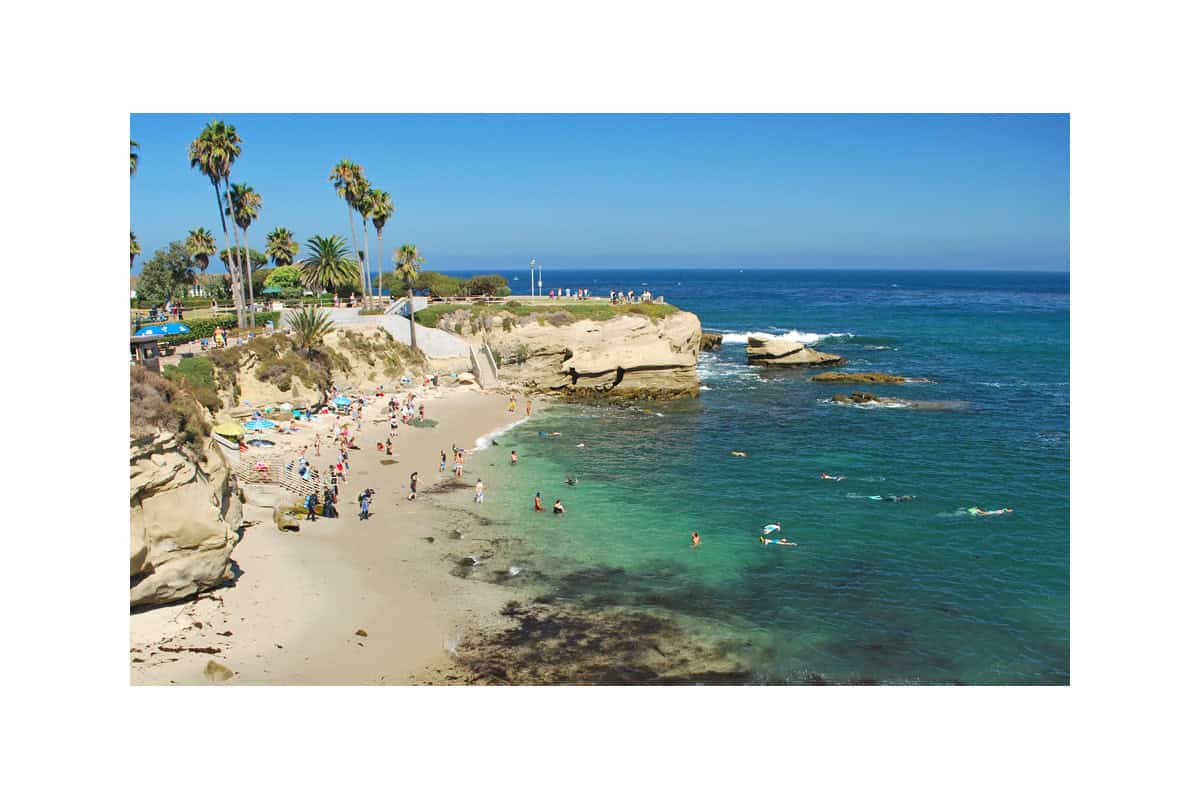
The United States is emerging as a major force in eco-friendly snorkelling tourism in 2026, with coastal destinations increasingly combining spectacular marine adventures with conservation, wildlife protection and responsible visitor management.
From the protected waters of Key Largo and Jupiter in Florida to the volcanic coastline of Kailua-Kona and Honolulu in Hawaii, and the marine habitats of San Diego and Panama City Beach, travellers are being offered experiences designed to bring them closer to fragile ecosystems without placing unnecessary pressure on them.
The trend mirrors a wider international movement towards conservation-led marine tourism, with destinations such as Barbados and Martinique also promoting responsible ocean experiences. Across these markets, the modern snorkelling excursion is increasingly being presented not simply as a recreational activity, but as an opportunity to experience marine environments while respecting the ecosystems that make them attractive.
Why Are US Snorkelling Destinations Becoming More Eco-Friendly?
Marine tourism can generate significant economic value for coastal communities, but poorly managed visitor activity can place pressure on coral reefs, wildlife and sensitive coastal habitats.
Advertisement
Advertisement
The response has increasingly centred on low-impact tourism.
Operators are using smaller groups, designated access areas, educational interpretation, non-invasive wildlife encounters and environmentally conscious boating practices to reduce the physical footprint of marine excursions.
Advertisement
Advertisement
Catamarans and clear kayaks can also provide alternative ways of experiencing coastal environments without requiring visitors to interact directly with fragile reef structures.
The objective is straightforward: allow travellers to experience spectacular marine ecosystems while reducing the risk of damage caused by tourism itself.
Advertisement
Advertisement
How Is Key Largo Protecting Its Coral Reef Experiences?
Key Largo is one of Florida’s most important destinations for marine-based tourism and sits alongside the waters of the Florida Keys National Marine Sanctuary.
Eco-oriented snorkelling and clear-kayak experiences are increasingly being positioned around education and low-impact exploration.
Rather than encouraging visitors to touch coral, stand on reef structures or interact aggressively with wildlife, responsible excursions can focus on observing marine environments from the surface or at carefully managed distances.
The approach is particularly relevant in reef environments, where seemingly minor physical contact can damage delicate organisms.
Advertisement
Advertisement
For travellers, the experience can therefore combine recreation with greater awareness of the ecological importance of the Florida Keys.
Why Is Jupiter Becoming an Eco-Adventure Hub?
Jupiter, Florida, offers a different form of marine tourism, with eco-adventures extending into coastal mangroves and shallow-water habitats.
Clear kayaks and paddle-based experiences provide visitors with opportunities to observe wildlife without relying exclusively on conventional motorised excursions.
Mangrove ecosystems are particularly important because they provide nursery habitats for numerous marine species while helping protect coastlines.
Low-impact exploration can allow visitors to appreciate these environments without generating the same level of disturbance associated with larger vessels.
The growing popularity of such experiences also illustrates how eco-tourism can diversify Florida’s coastal tourism economy beyond conventional beach holidays.
Advertisement
Advertisement
Why Is Hawaii Tightening Marine Tourism Management?
Hawaii remains one of the most closely associated destinations with marine adventure tourism in the United States, but its most popular coastal environments also face significant pressure from visitors.
As a result, marine tourism increasingly operates within a framework of visitor management, conservation rules and controlled access.
Honolulu’s Hanauma Bay is a prominent example of a destination where visitor activity has been managed to reduce environmental pressure.
Limits on visitor numbers and regulations governing marine interaction are designed to protect the bay’s ecological environment while continuing to provide access to one of Hawaii’s most recognised snorkelling locations.
For eco-conscious travellers, the appeal lies in experiencing a spectacular marine environment while recognising that access itself must be carefully managed.
What Makes Kailua-Kona’s Manta Ray Experience Special?
Kailua-Kona has become internationally recognised for its manta ray night snorkelling experiences.
Advertisement
Advertisement
The encounters provide a dramatic example of wildlife-focused tourism in which visitors can observe marine animals in their natural environment.
The experience also demonstrates why responsible operator behaviour is essential.
Manta rays are wild animals, and tourism activities must be managed in ways that minimise unnecessary disturbance. Education, controlled interaction and appropriate boating practices can help ensure that commercial tourism does not undermine the very wildlife attraction on which it depends.
The broader lesson is increasingly relevant across marine tourism: wildlife encounters are most sustainable when the animals remain the priority rather than becoming props for visitors.
How Are Coral Reefs Being Protected From Boats?
One of the most important environmental considerations in reef tourism is anchoring.
Anchors and chains can physically damage coral formations when deployed over sensitive reef areas.
Advertisement
Advertisement
Eco-conscious operators therefore increasingly favour designated moorings or other boating practices that avoid direct contact with the seabed.
In destinations where coral reefs are a central tourism asset, this simple operational change can have significant environmental importance.
The principle is particularly relevant to catamaran and boat-based snorkelling, where vessel management becomes an essential component of reef conservation.
Why Is San Diego Turning Snorkelling Into Wildlife Tourism?
San Diego, California, offers a very different marine environment from the tropical reefs of Florida and Hawaii.
Its coastal tourism ecosystem includes La Jolla Cove, an area recognised for its marine wildlife and protected coastal environment.
Snorkelling and guided marine experiences in the region can expose visitors to species including leopard sharks and sea lions.
Advertisement
Advertisement
The emphasis on smaller groups and non-invasive observation reflects a wider movement towards wildlife tourism that prioritises distance and minimal disturbance.
Instead of encouraging visitors to chase or touch animals, responsible marine tourism is increasingly based on observation.
That approach can make wildlife encounters more sustainable while also giving travellers a more authentic understanding of coastal ecosystems.
Can Panama City Beach Offer an Alternative to Reef Tourism?
Panama City Beach, Florida, demonstrates how eco-tourism can move beyond traditional saltwater attractions.
The region provides access to freshwater environments including Cypress Springs, where visitors can experience exceptionally clear water and natural surroundings away from heavily developed coastal areas.
Eco-adventure experiences involving non-motorised kayaks and other low-impact equipment can reduce the environmental footprint associated with conventional water recreation.
Advertisement
Advertisement
The appeal is also closely connected to visitor distribution.
When travellers are encouraged to explore alternative natural attractions, pressure can potentially be reduced at more heavily visited coastal locations.
Freshwater tourism therefore provides another avenue through which Florida can expand its nature-based tourism proposition.
What Can Travellers Expect From Eco Catamaran Snorkelling?
The modern eco-snorkelling experience is increasingly focused on more than simply reaching a reef.
Travellers can expect greater emphasis on environmental education, controlled wildlife encounters, responsible boating and conservation awareness.
In some destinations, the experience may involve a catamaran journey followed by guided snorkelling. In others, visitors may use clear kayaks or paddle craft to explore shallow coastal habitats.
Advertisement
Advertisement
The common element is the attempt to reduce direct environmental impact.
Travellers are consequently being encouraged to observe rather than touch, maintain appropriate distances from wildlife, follow designated routes and respect local conservation rules.
How Does Eco Tourism Benefit Coastal Communities?
Responsible marine tourism can create economic benefits while supporting conservation objectives.
Boat operators, guides, hotels, restaurants, equipment providers and local tourism businesses can all benefit from demand for nature-based experiences.
When conservation becomes part of the tourism product, maintaining healthy marine environments also becomes economically important.
Healthy reefs, wildlife populations, mangroves and clear waterways are not merely ecological assets. They are also tourism assets capable of attracting visitors and generating employment.
Advertisement
Advertisement
This creates a potential feedback loop in which tourism revenue supports local economies while conservation helps preserve the natural resources on which tourism depends.
Which US Destinations Stand Out for Eco-Snorkelling?
| Destination | Signature Experience | Conservation Focus |
|---|---|---|
| Key Largo, Florida | Reef and clear-kayak experiences | Coral reef protection and low-impact exploration |
| Jupiter, Florida | Mangrove and coastal eco-adventures | Wildlife and habitat protection |
| Kailua-Kona, Hawaii | Manta ray night snorkelling | Responsible wildlife encounters |
| Honolulu, Hawaii | Hanauma Bay snorkelling | Visitor management and marine conservation |
| San Diego, California | La Jolla Cove marine experiences | Wildlife observation and habitat protection |
| Panama City Beach, Florida | Cypress Springs eco-adventures | Freshwater ecosystem protection |
Is Sustainable Snorkelling Becoming the Future of Marine Tourism?
The development of eco-focused marine experiences across the United States indicates that sustainability is becoming increasingly integrated into coastal tourism.
The shift is particularly visible in destinations where coral reefs, wildlife and sensitive habitats are central to the visitor experience.
Florida’s reef and mangrove ecosystems, Hawaii’s marine environments and San Diego’s coastal wildlife all require tourism operators to balance commercial demand with environmental protection.
That balance is becoming increasingly important as global travellers seek experiences that are both spectacular and responsible.
US Marine Tourism Moves Towards Conservation-Led Experiences
The growth of eco catamaran snorkelling and low-impact marine adventures is changing how visitors experience America’s coastal destinations.
Advertisement
Advertisement
Key Largo and Jupiter are showcasing Florida’s reef and mangrove environments through lower-impact excursions. Kailua-Kona and Honolulu are combining marine tourism with stronger wildlife and visitor-management principles. San Diego is emphasising responsible encounters with coastal wildlife, while Panama City Beach demonstrates how freshwater ecosystems can become part of the eco-adventure economy.
The wider international movement involving destinations such as Barbados and Martinique reinforces the same direction: marine tourism is increasingly being built around conservation rather than unrestricted access.
For travellers, the message is increasingly clear. The most memorable snorkelling experience may not be the one that gets visitors closest to coral or wildlife, but the one that allows them to witness spectacular ecosystems while leaving them as undisturbed as possible.
In 2026, eco-tourism is becoming a defining part of the US marine adventure market, turning snorkelling from a simple holiday activity into a more conservation-conscious form of travel.
Advertisement
