
European Countries Unveil Magical Christmas Markets for Unforgettable Winter Escapes Beyond Famous Tourist Cities

Published
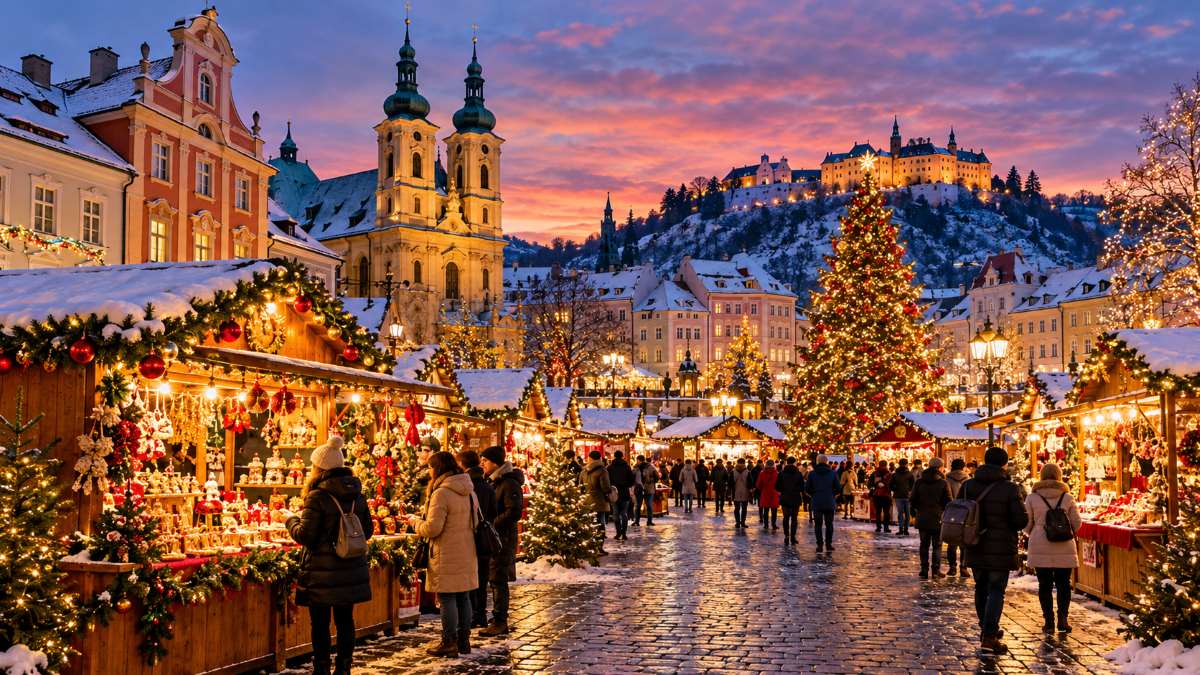
European countries are preparing to welcome the festive season with magical Christmas markets, dazzling decorations and unforgettable winter experiences. While famous destinations often attract the largest crowds, several lesser-known cities offer equally enchanting celebrations, rich local traditions and distinctive seasonal flavours. These hidden gems give travellers an opportunity to explore a different side of Europe without following the usual tourist trail. Moreover, colourful market stalls, beautifully illuminated streets, traditional crafts and regional delicacies create a festive atmosphere that appeals to families, couples and culture lovers alike. For those planning winter escapes, these destinations promise memorable experiences beyond the familiar Christmas capitals. However, choosing the right city can make all the difference to a holiday. Travel And Tour World invites readers to discover the European countries and remarkable destinations that deserve a place on their winter travel lists. Read the full story to uncover these magical Christmas markets, explore their unique attractions, and find inspiration for an unforgettable festive getaway.
Forget Vienna and Prague: 10 Offbeat European Cities With Spectacular Christmas Markets That Are Hidden Gems
Europe’s Christmas season offers far more than the famous markets of Vienna, Prague and Strasbourg. Across the continent, smaller cities transform historic squares, riverside promenades and medieval streets into festive destinations filled with illuminated decorations, regional food, handmade gifts and seasonal traditions. Some offer elaborate displays that rival those of better-known capitals. Others stand out for their intimate atmosphere, distinctive architecture or unexpected location.
Advertisement
Advertisement
For travellers planning a winter escape in 2026, these destinations provide a different way to experience the festive season. Craiova in Romania has attracted attention for its elaborate Christmas installations, while Varaždin in Croatia offers a more intimate historic setting. Vilnius brings creative design to the Baltic region, and Rovinj presents a coastal alternative to the snow-covered landscapes often associated with Christmas travel.
Not every destination is completely undiscovered. Tallinn, Ljubljana and Linz already attract international visitors, while Merano has an established reputation among Alpine holidaymakers. However, they remain useful alternatives for travellers who want to explore beyond Europe’s most heavily promoted festive destinations.
Advertisement
Advertisement
Anup Kumar Keshan, Founder and Editor-in-Chief of Travel And Tour World, said, “Europe’s Christmas markets offer far more than familiar festive destinations. From Craiova’s spectacular displays to Rovinj’s Adriatic charm, these cities reveal the continent’s remarkable diversity. Travellers can discover authentic traditions, regional flavours and unforgettable winter experiences beyond Europe’s best-known Christmas capitals.”
1. Craiova, Romania: A Christmas spectacle beyond the usual European favourites
Craiova has emerged as one of Europe’s most exciting festive destinations, attracting attention for its ambitious decorations, themed displays and lively Christmas market. Located in southern Romania, the city offers an alternative to the traditional markets of Germany and Austria.
Advertisement
Advertisement
The 2026 edition will run from 13 November to 3 January 2027, with the central area hosting the celebrations. The main theme is the Land of the Elves, promising a festive setting built around imaginative decorations and seasonal attractions. Craiova’s growing reputation follows its recognition as Europe’s Best Christmas Market in a 2025 public vote.
What makes Craiova particularly interesting is the scale of its ambition. Instead of relying solely on rows of wooden stalls, the city combines Christmas shopping with visual displays and entertainment. This approach appeals to visitors who want a destination that feels like a complete festive attraction rather than a market confined to one square.
Advertisement
Advertisement
Travellers can explore the central streets, sample seasonal food and browse gifts while enjoying the illuminated surroundings. The market also creates an opportunity to discover a Romanian city that many international visitors might otherwise overlook.
However, Craiova is no longer an entirely undiscovered destination. Its growing profile means travellers should plan accommodation and transport carefully, particularly around popular weekends. Its real appeal lies in the combination of regional character and large-scale festive presentation.
2. Varaždin, Croatia: Baroque beauty and an intimate Advent atmosphere
Northern Croatia offers a different kind of Christmas escape in Varaždin, a historic city known for its baroque architecture and elegant old town. While Dubrovnik and Zagreb receive more international attention, Varaždin provides a smaller setting for travellers interested in historic streets and seasonal celebrations.
Its Advent atmosphere centres on the city’s architectural heritage. Historic buildings, decorated streets and festive installations create a backdrop that feels different from the larger commercial markets found in major European capitals. The city’s established Advent programme makes it an appealing option for visitors who prefer to explore at a relaxed pace.
Advertisement
Advertisement
The attraction is not simply the presence of Christmas stalls. Varaždin’s architecture gives the celebrations a strong sense of place. Visitors can combine market visits with walks through the historic centre, discovering the city’s cultural identity along the way.
The smaller-city setting may also appeal to couples seeking a winter break without building their entire itinerary around a crowded central square. Cafés, local restaurants and historic landmarks can form part of the experience, although visitors should check seasonal opening hours before travelling.
Varaždin is best understood as a destination for atmosphere rather than spectacle. It may not compete with Europe’s largest markets in scale, but its architectural character offers a more intimate alternative.
3. Vilnius, Lithuania: Creative Christmas design in the Baltic region
Vilnius combines a historic old town with a contemporary approach to Christmas celebrations. Lithuania’s capital is known for its baroque architecture, cobbled streets and distinctive public spaces, which provide an attractive setting for its winter festivities.
The main Christmas market will operate in Cathedral Square from 28 November to 27 December 2026. The city’s Christmas tree lighting is scheduled for 28 November, while the festive ice rink at Town Hall Square is due to open on 29 November and remain in operation until 25 January 2027.
The Christmas tree is one of Vilnius’s most recognisable seasonal attractions. Rather than treating it as a simple decoration, the city has developed a reputation for ambitious designs that become a focal point of its festive programme.
Advertisement
Advertisement
Market stalls provide opportunities to browse gifts and sample seasonal refreshments. Visitors can also explore the surrounding historic centre, where churches, courtyards and architectural details offer plenty to discover between market visits.
Vilnius stands out because it combines tradition with creative presentation. Its celebrations feel connected to the city’s wider cultural identity rather than existing as an isolated tourist attraction.
Winter conditions can make the experience even more atmospheric, but snow is never guaranteed. Visitors should pack for cold weather and allow time for indoor attractions if temperatures fall or conditions become uncomfortable.
For travellers looking beyond the most familiar Central European destinations, Vilnius offers a distinctive blend of heritage, design and winter entertainment.
4. Ljubljana, Slovenia: Festive lights along a picturesque river
Ljubljana offers a compact city break with a particularly attractive riverside setting. Slovenia’s capital is known for its bridges, pedestrian-friendly centre and architectural landmarks, all of which contribute to the atmosphere during the festive season.
The city’s Festive December programme is scheduled to run from 27 November 2026 to 14 January 2027. Christmas markets, illuminated public spaces and free events across the historic centre form part of the celebrations.
Advertisement
Advertisement
One of Ljubljana’s greatest advantages is how easily visitors can combine different activities. They can browse the stalls, walk along the Ljubljanica River, cross the illuminated bridges and stop at cafés without needing to travel long distances between attractions.
The market also forms part of a wider city celebration. Public squares host concerts and other seasonal events, while the riverfront becomes a natural meeting point for visitors and residents.
This gives Ljubljana an appealing social atmosphere. Rather than focusing exclusively on shopping, the experience encourages people to spend time outdoors, enjoy the decorations and discover the city on foot.
Its compact layout makes it particularly suitable for a short winter break. Travellers can explore the central sights over a few days while leaving enough time for leisurely meals and evening walks.
Ljubljana is not entirely unknown to international visitors, but it remains a compelling alternative for those who want a festive European capital without choosing one of the usual headline destinations.
5. Tallinn, Estonia: A medieval setting for a traditional Christmas
Tallinn brings a distinctly historic character to the Christmas market experience. Estonia’s capital has a remarkably well-preserved medieval old town, with narrow streets, historic buildings and a central square that becomes especially atmospheric during winter.
Advertisement
Advertisement
The Christmas market in Town Hall Square is scheduled to run from 20 November 2026 to 6 January 2027. Its traditional setting, festive stalls and central Christmas tree make it one of the Baltic region’s most recognisable seasonal attractions.
The surroundings are a major part of its appeal. Visitors can browse market stalls before exploring the old town’s lanes, historic churches and viewpoints. The compact centre allows travellers to experience much of the festive atmosphere on foot.
Food also helps give the market its regional identity. Visitors can look for traditional Estonian seasonal dishes, baked goods and warm drinks, alongside handicrafts and locally inspired gifts.
Tallinn’s northern location adds another dimension to the experience. Winter days are short, and temperatures can be low, so visitors should plan outdoor activities around daylight and dress appropriately. Snow may enhance the medieval scenery, but it should not be treated as a certainty.
The destination is more established than a true hidden gem, yet it remains a strong choice for travellers who want history and Christmas traditions to shape their trip.
6. Bratislava, Slovakia: Local flavours in a historic city centre
Bratislava offers a festive experience that combines traditional food, handmade gifts and historic squares. Slovakia’s capital is smaller than neighbouring Vienna, making it a useful alternative for visitors interested in Central European Christmas traditions.
Advertisement
Advertisement
The 2026 Christmas markets are scheduled to run from 26 November to 3 January 2027, with Main Square and Hviezdoslav Square serving as important locations. The programme includes food stalls, crafts, cultural performances and festive decorations.
Food is one of the most appealing reasons to explore the market. Traditional Slovak dishes include kapustnica, a sauerkraut soup often associated with the Christmas season. Visitors can also encounter regional pastries, warm drinks and other seasonal specialities.
The stalls provide opportunities to find candles, decorations and handmade gifts. Cultural performances add another dimension, allowing visitors to experience the celebrations beyond the shopping areas.
Bratislava’s historic centre also rewards exploration away from the market. Travellers can walk through its old streets, visit museums and admire the city’s architecture before returning to the illuminated squares in the evening.
Its location makes it possible to include Bratislava in a wider Central European itinerary. However, travellers should resist treating it merely as a brief stop between better-known cities. Spending time in the centre allows the local traditions and atmosphere to become part of the experience.
7. Arezzo, Italy: Tuscan architecture meets Alpine Christmas traditions
Arezzo offers an unusual combination of Italian heritage and Alpine-inspired festive attractions. Located in Tuscany, the city is known for its historic buildings and Piazza Grande, a striking square that provides a memorable setting for seasonal events.
Advertisement
Advertisement
The city’s Christmas programme, marketed as Arezzo Città del Natale, is scheduled to begin on 14 November and continue until 27 December 2026. The programme includes the Tyrolean Village in Piazza Grande, illuminated projections and other festive attractions.
The market’s appeal comes from the contrast between its surroundings and its festive influences. Visitors encounter the architecture and atmosphere of a Tuscan city alongside market traditions inspired by the Alpine region.
Piazza Grande provides the central setting for browsing stalls and enjoying seasonal food. Other attractions, including themed installations and illuminated displays, extend the experience beyond conventional Christmas shopping.
Arezzo also has a wider cultural appeal. Visitors can explore historic streets, discover local restaurants and appreciate the city’s artistic heritage during the same trip. This makes the destination suitable for travellers who want festive activities without giving up sightseeing.
The contrast is especially valuable for a travel itinerary. Instead of choosing between an Italian cultural holiday and a Christmas market break, visitors can combine both.
Arezzo deserves attention because it offers a distinctive regional interpretation of Christmas, rather than attempting to replicate the markets of northern Europe.
Advertisement
Advertisement
8. Rovinj, Croatia: A coastal Christmas beside the Adriatic
Rovinj presents a different vision of the festive season. Situated on Croatia’s Istrian coast, the town is known for its waterfront, Venetian-influenced architecture and narrow streets. During Advent, these surroundings take on a seasonal character through decorations, market stalls and cultural events.
Advent in Rovinj is scheduled to run from 28 November 2026 to 10 January 2027. The programme includes festive markets, local delicacies, handmade gifts, music and family activities across parts of the town centre and waterfront.
Its coastal setting makes Rovinj particularly interesting for travellers who associate Christmas markets with snow-covered squares and Alpine villages. Here, the festive atmosphere unfolds beside the Adriatic, with illuminated buildings and waterfront walks providing a different backdrop.
Visitors can browse stalls, sample local food and explore the historic centre. Performances and family activities add variety, while the town’s architecture remains a major part of its visual appeal.
The weather will not necessarily resemble a traditional winter postcard. Coastal conditions can be milder than those in northern or Alpine Europe, but rain, wind and cold evenings remain possible.
Rovinj’s strength is its contrast. It offers Christmas traditions in a setting where the sea, historic streets and regional culture play as much of a role as the market itself.
Advertisement
Advertisement
For travellers seeking something different, that combination can be more memorable than choosing another famous square filled with wooden chalets.
9. Linz, Austria: A quieter alternative to the country’s famous markets
Austria has some of Europe’s best-known Christmas market destinations, but Linz offers a different option from Vienna and Salzburg. The city combines historic architecture with several festive locations, giving visitors more than one setting to explore.
Its main square market, the Volksgarten Christmas Market and the Advent market at Domplatz are scheduled to operate from 21 November to 23 December 2026. The markets offer handicrafts, seasonal food and decorations, while the Volksgarten location includes family attractions and festive displays.
The variety of locations gives Linz a distinctive advantage. Visitors can browse artisan products in the historic centre, then explore a park setting with attractions aimed particularly at families. The Domplatz market adds another option, with a focus on food, crafts and a quieter Advent atmosphere.
The main square is framed by historic buildings, creating a traditional backdrop for the stalls and Christmas tree. Meanwhile, the city’s wider cultural attractions offer alternatives when visitors want a break from outdoor activities.
Linz is not an undiscovered destination, but it can be overlooked by travellers who concentrate on Austria’s better-known Christmas markets. Its appeal lies in offering several festive experiences within one city without requiring a complicated itinerary.
Advertisement
Advertisement
Visitors should note that the principal markets are scheduled to close before Christmas Eve. Anyone planning to arrive in late December should check the individual event calendars carefully.
10. Merano, Italy: Alpine scenery and South Tyrolean traditions
Merano, in South Tyrol, offers one of the most distinctive settings among these destinations. The town combines an Alpine landscape with Italian surroundings and a strong regional identity shaped by German-speaking and Italian cultural influences.
The Merano Christmas Markets are scheduled to run from 26 November 2026 to 6 January 2027. Their programme includes wooden chalets, regional food, handmade products, musical performances and seasonal activities across different parts of the town.
The riverside promenade is an important part of the experience. Market stalls and festive lights sit against a backdrop of mountains and historic buildings, giving visitors a sense of place that differs from the large urban markets of Central Europe.
Regional cuisine adds to the appeal. Visitors can look for South Tyrolean specialities and locally made products while exploring the stalls. Ice skating and other seasonal activities provide additional options, depending on the programme and conditions.
Merano is particularly suitable for travellers who want to combine Christmas shopping with outdoor scenery. The surrounding mountains create opportunities to explore the wider region, although visitors should plan transport and activities according to winter weather.
Advertisement
Advertisement
Snow can enhance the landscape, but it is not guaranteed in the town itself during a particular visit. Travellers should check forecasts and local conditions rather than assuming that every market day will bring a snowy setting.
Merano’s combination of Alpine surroundings, regional food and festive traditions makes it a strong choice for a winter escape with more than one attraction.
Choosing the right destination for a festive European escape
These ten cities demonstrate that Christmas markets are not a single, uniform experience. Some destinations prioritise spectacular decorations, while others place greater emphasis on historic architecture, local food or the surrounding landscape.
Craiova is a strong option for travellers drawn to elaborate displays. Varaždin offers a smaller historic setting, while Vilnius combines festive design with Baltic heritage. Ljubljana appeals to visitors who enjoy riverside walks and a compact city centre, and Tallinn brings medieval architecture into the heart of its celebrations.
Bratislava and Linz provide opportunities to discover regional traditions in Central European settings. Arezzo combines festive attractions with Tuscan culture, while Rovinj offers a coastal alternative. Merano, meanwhile, is particularly appealing to travellers who want an Alpine backdrop alongside regional food and crafts.
Practical planning remains important. Market dates differ, and some events finish before Christmas while others continue into January. Visitors should confirm opening hours, transport arrangements and accommodation availability before booking. Winter weather also varies considerably, so snow should be treated as a possibility rather than a promise.
Advertisement
Advertisement
The best destination is ultimately the one that matches the experience a traveller wants. For some, that means grand decorations and lively entertainment. For others, it means quiet streets, regional specialities and time to appreciate a city’s history.
Looking beyond Europe’s most famous festive capitals opens up a broader range of experiences. These cities show that the spirit of Christmas can flourish in medieval squares, coastal towns, riverside centres and Alpine communities, each with its own traditions and atmosphere.
Advertisement
