
The Valley Teams Up With West End and More as Anguilla’s Hidden Caribbean Escapes Take Centre Stage for Global Travellers

Published
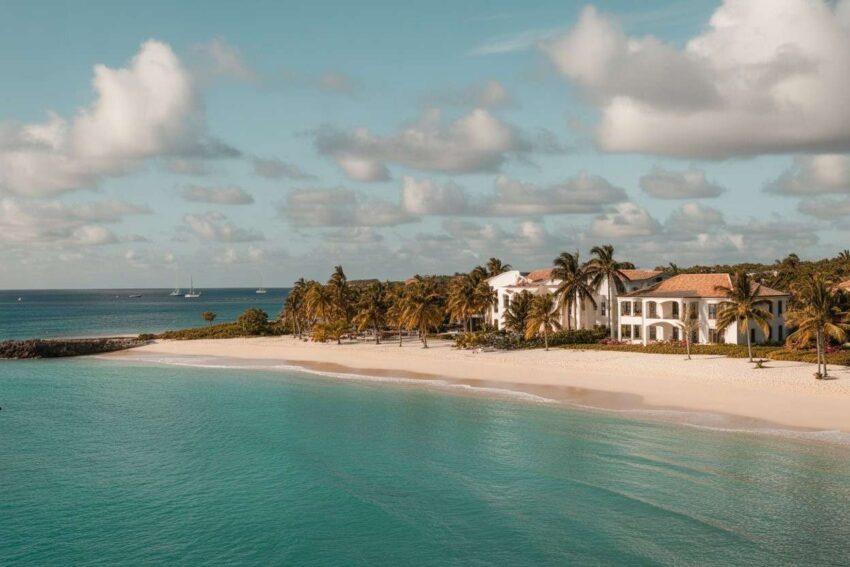 Image generated with Ai
The Valley Teams Up With West End and more as Anguilla’s hidden Caribbean escapes take centre stage for global travellers. The Valley and West End reveal a different side of Anguilla, where hidden escapes meet vibrant island experiences. Meanwhile, global travellers can discover Caribbean beauty beyond familiar holiday scenes. From The Valley’s local character to West End’s coastal charm, these destinations create memorable journeys across Anguilla. Moreover, hidden Caribbean escapes offer beaches, culture, dining and peaceful moments. Travel And Tour World brings this evolving Anguilla story closer to travellers seeking fresh Caribbean experiences. Read the entire story to uncover how The Valley, West End and more shape unforgettable escapes.
Anguilla Beyond the Record: Six Underrated Places, Detailed Tourism Data and a Traveller’s Island Guide
Anguilla’s latest tourism figures tell only part of the island’s travel story. The destination recorded 81,907 stayover visitors between January and June 2026. Every month in that six-month period established a new monthly stayover record. The first quarter produced 46,691 stayover visitors, while the second quarter added another 35,216. June alone recorded 11,067 stayover visitors. Total visitor arrivals, including excursionists, reached 171,143 during the first half of 2026. That compared with 126,841 during the same period of 2025.
Advertisement
Advertisement
For travellers, however, the more interesting story begins beyond the headline number. Anguilla is not simply about its internationally recognised beaches and luxury resorts. The island has fishing communities, historic settlements, small bays, offshore cays, local restaurants and quieter coastal areas that can create a more intimate itinerary.
Anguilla Tourism Data at a Glance
The Anguilla Statistics Department defines tourism statistics through several categories. These include stayover tourists, excursionists, country of residence, intended length of stay, passenger movements, tourism expenditure and accommodation occupancy. The underlying arrival source is the Immigration Department, and tourism data is released monthly.
Advertisement
Advertisement
| Tourism indicator | Latest available figure | What it means for travellers |
|---|---|---|
| Stayover visitors, Jan–Jun 2026 | 81,907 | Overnight tourism performance |
| Stayover visitors, Jan–Jun 2025 | 68,287 | Previous-year comparison |
| Year-on-year change | +19.9% | Stronger first-half stayover demand |
| Q1 2026 stayover visitors | 46,691 | 24.6% above Q1 2025 |
| Q2 2026 stayover visitors | 35,216 | 14.3% above Q2 2025 |
| June 2026 stayover visitors | 11,067 | Monthly record |
| June 2026 excursionists | 15,771 | Day-trip arrivals |
| Total June 2026 visitors | 26,838 | Stayover plus excursionist arrivals |
| Total Jan–Jun 2026 visitors | 171,143 | Combined visitor arrivals |
| Jan–Jun 2025 total visitors | 126,841 | Previous-year comparison |
| U.S. stayover visitors, Jan–Jun 2026 | 60,415 | 73.8% of stayover arrivals |
| U.S. share in June 2026 | 79% | Strong concentration in June |
The United States remains Anguilla’s dominant source market. American residents accounted for 60,415 stayover visitors during the first six months of 2026. That represented 73.8% of all stayover arrivals. In June, 8,746 U.S. visitors represented 79% of the monthly stayover total.
Five-Year Tourism Comparison: 2021 to 2025
The five-year period shows how sharply Anguilla moved from pandemic disruption into recovery and then record tourism performance.
Advertisement
Advertisement
The 2021 total was 28,696 visitors. The Anguilla Statistics Department recorded 6,698 visitors in December alone, taking the annual total to 28,696. The year remained heavily affected by international travel restrictions and reopening conditions.
By 2023, total visitor arrivals had reached 155,732. Stayover arrivals reached 95,944, establishing an annual record for that category at the time. The Eastern Caribbean Central Bank also reported visitor expenditure of EC$460.8 million for the year.
For 2024, official regional economic reporting puts stayover arrivals at 110,666. The completed annual total is approximately 206,600 when the 2025 year-on-year annual release is used as the comparison base. The 2025 official figure was 229,734 total visitors.
| Year | Total visitor arrivals | Stayover visitors | Excursionists / day visitors | Key comparison |
|---|---|---|---|---|
| 2021 | 28,696 | 28,376 | Approx. 320 | Pandemic-affected year |
| 2022 | Approx. 95,800 | Recovery year | Recovery year | Major reopening rebound |
| 2023 | 155,732 | 95,944 | 59,788 | 62.6% above 2022 |
| 2024 | Approx. 206,600 | 110,666 | Approx. 95,900 | Continued recovery |
| 2025 | 229,734 | 114,965 | 114,769 | Highest annual total in 33 years |
The 2022 figure is shown as approximate because the available official comparison release reports the 2023 total as 62.6% above 2022, while the exact annual series is not exposed in the same accessible official document. Likewise, the 2024 total is rounded from the published 2025 year-on-year comparison rather than presented as an independently verified annual total.
The pattern is still clear. Anguilla moved from severe pandemic-era disruption in 2021 to a major tourism recovery by 2023 and a record annual performance in 2025. The Anguilla Tourist Board reported 229,734 total visitors in 2025, including 114,965 stayover visitors and 114,769 excursionists.
The 2025 Tourism Picture in Greater Detail
The 2025 result is particularly important because the island’s two major visitor categories were almost evenly divided.
Advertisement
Advertisement
| 2025 category | Visitors | Share of total |
|---|---|---|
| Stayover visitors | 114,965 | 50.0% |
| Excursionists | 114,769 | 50.0% |
| Total | 229,734 | 100% |
The contrast with 2019 is also significant. Anguilla recorded 166,351 total visitors in 2019. By 2025, the figure had reached 229,734. That represented 63,383 additional visitors compared with the pre-pandemic benchmark. Stayover arrivals moved from 95,375 in 2019 to 114,965 in 2025. Excursionists moved from 70,976 to 114,769.
| Indicator | 2019 | 2025 | Difference |
|---|---|---|---|
| Total visitors | 166,351 | 229,734 | +63,383 |
| Stayover visitors | 95,375 | 114,965 | +19,590 |
| Excursionists | 70,976 | 114,769 | +43,793 |
| Total increase | — | — | +38.1% |
This distinction matters when planning a trip. The headline visitor number does not mean that all visitors stay overnight. A substantial share consists of day visitors, particularly travellers arriving through regional maritime connections.
Six Underrated Anguilla Destinations Travellers Can Explore
Anguilla’s official tourism portal divides the island into recognisable travel areas rather than conventional cities. The following six places are therefore best understood as villages, communities or coastal destinations.
1. The Valley: Anguilla’s Historic and Cultural Core
The Valley is the island’s capital and administrative centre. It sits near the middle of Anguilla and provides a useful starting point for travellers who want to understand the island beyond its beaches. The official tourism guide identifies the area as home to government offices, commerce, the Clayton J. Lloyd International Airport and the Anguilla Tourist Board. It also contains Wallblake House, built in 1785 and described by the tourism authority as the island’s only surviving plantation house.
For travellers, The Valley works particularly well as a half-day cultural stop. Begin with Wallblake House and explore the surrounding historic area. The Old Valley contains older buildings and religious landmarks, including Ebenezer Methodist Church. The area is also close to Crocus Hill and Crocus Bay, making it easy to combine heritage sightseeing with a coastal afternoon. The official tourism guide lists Lloyd’s B&B and other accommodation options around the Valley, while the official accommodation directory includes independent properties near the area.
Food here is more local and casual than the formal resort experience. English Rose Restaurant in The Valley is listed by Visit Anguilla as an Anguillian restaurant serving American and Caribbean dishes, including fish and chips.
Advertisement
Advertisement
Travellers should allow at least four hours for this area. A practical plan is breakfast locally, Wallblake House and Old Valley exploration in the morning, lunch in The Valley, followed by Crocus Bay or another nearby beach. Staying around The Valley can also shorten airport transfers and provide convenient access to different parts of the island.
2. Island Harbour: A Fishing Village With a Different Rhythm
Island Harbour sits on Anguilla’s eastern side and provides one of the clearest opportunities to experience the island’s fishing heritage. The official tourism guide describes it as a quaint fishing village, with colourful boats gathered around a protected cove. A fishing pier extends toward Scilly Cay, a small offshore island associated with seafood lunches and boat transfers.
The area is ideal for travellers who prefer a slower morning. Walk around the harbour, watch fishing activity and arrange a boat trip towards Scilly Cay. The official tourism portal also highlights Festival del Mar, an Easter-period event involving seafood, culinary activities, swimming, fishing and boat racing.
Food is one of the strongest reasons to visit. Scilly Cay is associated with grilled lobster, crayfish, snapper and chicken. The tourism portal says the island’s restaurant serves seafood and provides a setting for swimming and snorkelling. Falcon’s Nest in Island Harbour is another official tourism listing, described as a beach bar and seafood restaurant.
Accommodation in the area is generally more intimate than the large luxury-resort experience. The official tourism directory lists waterfront suites and villas, including properties overlooking the harbour. Wesley House, for example, is a private villa on the eastern side with broad sea views and an infinity pool.
A good Island Harbour plan takes one full day. Start with a harbour walk, continue with a boat trip to Scilly Cay, have a long seafood lunch, then return for an eastern-coast sunset. Travellers should check restaurant and boat operating days before setting out.
Advertisement
Advertisement
3. Sandy Ground: Anguilla’s Waterfront Social Hub
Sandy Ground is one of the island’s most useful bases for travellers who want local dining, nightlife and easy access to the water. The village sits around Road Bay and has a different personality from the resort areas of the western coast.
The official tourism portal describes Sandy Ground as a nightlife area, with beach bars, music and waterfront venues. It is also a convenient location for travellers who want to combine daytime swimming with evening entertainment.
The beach itself is sheltered by Road Bay. The official tourism accommodation directory notes that Edwards Inn, formerly Sydans Apartments, sits about one minute from Sandy Ground Beach. The property description highlights the sheltered nature of the beach and its suitability for families and sailors.
Food options range from casual seafood to more creative dining. Roy’s Bayside Restaurant is listed in Sandy Ground and is known for fish and chips. Johnno’s is another long-established beachfront venue, with whole fresh snapper and a relaxed atmosphere.
For a traveller, Sandy Ground can be used as a two-night base. Spend the first morning swimming or taking a boat excursion. Use the afternoon for nearby beaches. Return to Sandy Ground for dinner and music.
Accommodation includes smaller inns, apartments and villas. La Vue Boutique Inn is a particularly practical option for travellers wanting proximity to Sandy Ground while remaining within easy driving distance of the island’s beaches, airport, ferry terminal and heritage sites.
Advertisement
Advertisement
The best approach is not to treat Sandy Ground as merely a place to sleep. Its value lies in combining beach time, local food, harbour atmosphere and evening activity in one compact area.
4. Little Harbour: A Quiet Southern-Coast Escape
Little Harbour is an excellent choice for travellers seeking privacy and a slower coastal setting. It lies on Anguilla’s southern side and has a strong villa presence. The official tourism directory describes the area through private properties, sea views and proximity to small beaches.
The destination is particularly suitable for couples, families and small groups who prefer self-contained accommodation. Properties listed through the official tourism portal include villas with private pools, kitchens, outdoor spaces and views towards neighbouring St. Martin.
Bella Constantina is another official tourism-listed accommodation option in Little Harbour. It is described as a quiet village property within walking distance of Elsie Bay, with four two-bedroom villa units.
Little Harbour is less about a long list of attractions and more about how travellers structure their day. Start with a quiet breakfast at the villa. Spend the morning at a nearby coastal spot. Use midday for a long lunch elsewhere on the island. Return in the afternoon for swimming, reading or sunset views.
For food, travellers should explore the wider southern and central island rather than expecting a large restaurant cluster inside Little Harbour itself. This makes a rental car useful. It also allows visitors to combine Little Harbour with Sandy Ground, The Valley and Island Harbour without changing accommodation.
Advertisement
Advertisement
A two-night stay works particularly well. Day one can focus on nearby beaches and relaxation. Day two can include Island Harbour and Scilly Cay before returning south. Travellers should confirm road access, property check-in procedures and restaurant opening days before arrival.
Little Harbour’s appeal is its residential atmosphere. It gives visitors a different perspective on Anguilla’s accommodation landscape, where private villas form an important part of the destination’s tourism product.
5. Blowing Point: The Gateway for Island-Hopping Travellers
Blowing Point is more than a transport point. It is one of the most useful areas for travellers arriving from St. Martin or St. Maarten.
The Government of Anguilla identifies the Blowing Point Ferry Terminal as a major entry point. The terminal handles ferry traffic between Anguilla and neighbouring St. Martin.
This makes Blowing Point particularly valuable for multi-island holidays. A traveller can combine Anguilla with St. Martin rather than planning the two destinations as completely separate trips.
The official tourism guide also highlights Blowing Point Beach and the surrounding villa estates. The area includes accommodation at different price levels, including smaller beachfront properties.
Advertisement
Advertisement
For activities, travellers can use the area as a base for water excursions. Blowing Point is also associated with Dolphin Discovery, while the ferry terminal provides direct access to regional connections.
Food planning is simple. Travellers can stay in Blowing Point and drive to nearby dining areas in Sandy Ground, The Valley or the western resort district. The official tourism accommodation directory lists multiple villa and apartment-style options around the wider area.
A practical itinerary begins with arrival from St. Martin, followed by a relaxed afternoon around Blowing Point Beach. The next morning can be dedicated to a boat excursion or island exploration. Travellers can then move towards Sandy Ground or Island Harbour for dinner.
Blowing Point is particularly useful for first-time visitors who want to understand Anguilla’s regional geography. It shows how the island functions as part of a wider Caribbean travel network rather than as an isolated resort destination.
6. East End and Island Harbour Coast: The Quieter Eastern Route
The eastern end of Anguilla offers travellers a useful alternative to the better-known western resort corridor. The official tourism guide describes the eastern end as an alternative tourism centre, anchored by Shoal Bay East and surrounded by restaurants, beach bars and smaller accommodation properties.
Shoal Bay East is the obvious starting point. Travellers can spend the morning swimming, snorkelling or walking along the beach before moving farther east toward Island Harbour.
Advertisement
Advertisement
The route works especially well for travellers who want variety in a single day. Begin at Shoal Bay East. Continue to Island Harbour. Have lunch near the water. Then explore the fishing village and arrange a short boat trip where available.
Accommodation options include villas, guesthouses and boutique-style properties. The official tourism directory lists several independent properties in the eastern part of the island, including waterfront accommodation and villas overlooking the sea.
Dining is another reason to explore the east. Island Harbour provides access to seafood restaurants and small beach bars. Scilly Cay adds an offshore dining experience featuring grilled seafood and other Caribbean dishes.
A full-day eastern itinerary should start early. Morning beach time is followed by lunch, a harbour visit and an optional boat excursion. Return before sunset or continue towards another eastern viewpoint.
The eastern route is particularly useful for repeat visitors. Instead of spending every day around the western resorts, travellers can experience fishing culture, smaller communities, independent accommodation and a more locally oriented rhythm.
Comparing the Six Underrated Areas
| Destination | Main travel character | Best for | Key attraction | Food focus | Stay style |
|---|---|---|---|---|---|
| The Valley | Heritage and local life | Culture travellers | Wallblake House | Caribbean and casual local food | B&Bs, villas, apartments |
| Island Harbour | Fishing village | Seafood and boat trips | Scilly Cay | Lobster, snapper, crayfish | Waterfront suites, villas |
| Sandy Ground | Beach and nightlife | Couples, families, social travellers | Road Bay | Seafood, fish and chips, beach dining | Inns, apartments, villas |
| Little Harbour | Quiet coastal living | Couples and groups | Elsie Bay area | Villa dining and nearby restaurants | Private villas |
| Blowing Point | Gateway and watersports | Island-hoppers | Ferry terminal, beach | Nearby local dining | Beach apartments, villas |
| East End | Beaches and local coastline | Repeat visitors | Shoal Bay East, Island Harbour | Seafood and beach bars | Villas, boutique stays |
What Travellers Should Eat in Anguilla
Anguilla’s food culture is closely connected with the sea. Seafood appears repeatedly across the island’s official tourism listings.
Advertisement
Advertisement
Travellers should look for grilled snapper, lobster, crayfish, conch and other locally inspired seafood preparations. The official tourism portal specifically highlights Scilly Cay for lobster, crayfish, snapper and chicken.
Sandy Ground provides a different dining atmosphere. Roy’s Bayside Restaurant is associated with fish and chips, while Johnno’s offers beachfront dining centred on fresh snapper.
For a more local restaurant experience, English Rose in The Valley offers Caribbean and American dishes in a casual setting.
| Food experience | Suggested area | What travellers can look for |
|---|---|---|
| Grilled seafood | Island Harbour | Lobster, crayfish, snapper |
| Beachfront fish | Sandy Ground | Fresh snapper and fish dishes |
| Casual Caribbean | The Valley | Local-style meals |
| Island lunch | Scilly Cay | Seafood and grilled dishes |
| Beach-bar dining | Eastern Anguilla | Seafood and casual plates |
| Villa cooking | Little Harbour | Fresh ingredients prepared independently |
A Seven-Day Anguilla Travel Plan
A week allows travellers to combine the major beaches with the island’s quieter communities.
| Day | Morning | Afternoon | Evening |
|---|---|---|---|
| Day 1 | Arrive and settle in | Explore nearby beach | Local dinner |
| Day 2 | The Valley and Wallblake House | Crocus Bay area | Dinner in The Valley |
| Day 3 | Sandy Ground Beach | Road Bay activities | Waterfront dining |
| Day 4 | Island Harbour | Scilly Cay excursion | Seafood dinner |
| Day 5 | Shoal Bay East | Eastern coastline | Beach-bar evening |
| Day 6 | Little Harbour | Southern coast | Villa dinner or local restaurant |
| Day 7 | Blowing Point | Ferry or final beach time | Departure preparation |
Travellers arriving through St. Martin can reverse the itinerary. The Government of Anguilla confirms the importance of Blowing Point as a ferry gateway, making an island-hopping itinerary practical when schedules align.
A More Detailed Three-Day Alternative
Travellers with limited time can concentrate on three geographical clusters.
Advertisement
Advertisement
Day One: Central Anguilla
Begin in The Valley. Visit Wallblake House and explore the historic area. Continue towards Crocus Bay before lunch.
Spend the afternoon at a nearby beach. Finish with dinner in The Valley or Sandy Ground.
Day Two: Eastern Anguilla
Start at Shoal Bay East. Allow several hours for swimming, snorkelling and walking.
Continue to Island Harbour around lunchtime. Choose a seafood restaurant or arrange a visit to Scilly Cay.
Return through the eastern communities before sunset.
Day Three: Southern and Western Anguilla
Explore Little Harbour in the morning. Continue towards Blowing Point and the ferry area.
Advertisement
Advertisement
Use the afternoon for a final beach visit. Finish with dinner around Sandy Ground or another accessible dining district.
Tourism Records Are Changing the Traveller Conversation
The latest numbers suggest that Anguilla’s tourism story is no longer limited to its traditional winter season.
June 2026 produced 11,067 stayover visitors, the highest June total recorded by the island. The month also registered 15,771 excursionists. Total visitor arrivals reached 26,838.
The first-half picture is equally notable.
| 2026 period | Stayover visitors | Change from previous year |
|---|---|---|
| Q1 | 46,691 | +24.6% |
| Q2 | 35,216 | +14.3% |
| January–June | 81,907 | +19.9% |
| June | 11,067 | +13.0% |
The United States supplied 60,415 stayover visitors during January through June. That means travellers from other international markets represented approximately 21,492 stayover arrivals during the same period.
For the traveller, the significance is not simply that more people are arriving. The figures show that Anguilla’s tourism season is extending across more months.
Advertisement
Advertisement
That makes shoulder-season planning increasingly relevant. Travellers considering summer or early-autumn trips can examine the island beyond the traditional winter holiday window.
Anguilla’s Tourism Scale in Context
Anguilla’s population is small compared with the number of visitors it receives. The Statistics Department lists an estimated population of 16,010 as of December 2024.
Against that resident base, the 229,734 visitors recorded in 2025 represent a substantial annual tourism footprint.
| Measure | Figure |
|---|---|
| Estimated population, Dec. 2024 | 16,010 |
| Total visitors, 2025 | 229,734 |
| Stayover visitors, 2025 | 114,965 |
| Excursionists, 2025 | 114,769 |
| 2025 visitors compared with 2019 | +38.1% |
| 2025 stayovers compared with 2019 | +20.5% |
| 2025 excursionists compared with 2019 | +61.7% |
The figures also explain why responsible travel matters. A small island receiving a large visitor population needs travellers to respect beaches, marine habitats, local communities and cultural sites.
The Government of Anguilla’s tourism vision places beaches, resorts, restaurants, tranquillity, cultural heritage and the environment at the centre of the destination identity.
Practical Advice for Global Travellers
Travellers should build flexibility into an Anguilla itinerary. Ferry services, restaurants, boat excursions and smaller properties can have schedules that differ by day or season.
Advertisement
Advertisement
A rental vehicle is useful for travellers planning to visit multiple communities. It makes it easier to combine The Valley, Island Harbour, Little Harbour, Sandy Ground and the eastern beaches without depending on a single resort area.
Travellers should also check entry requirements, ferry schedules and transport arrangements before departure. The Government of Anguilla identifies Blowing Point as a major ferry gateway, while Clayton J. Lloyd International Airport handles air passengers.
Beach planning should also include environmental awareness. Anguilla has official beach protection measures covering several coastal areas. Visitors can help protect the destination by respecting local regulations and avoiding damage to coastal ecosystems.
The Bigger Travel Picture
Anguilla’s record tourism numbers offer global travellers a reason to look more closely at the island.
Yet the strongest travel story is not limited to 81,907 stayover visitors or 229,734 annual visitors.
It is found in the contrast between the communities.
Advertisement
Advertisement
The Valley reveals Anguilla’s history. Sandy Ground delivers waterfront energy. Island Harbour showcases fishing culture. Little Harbour offers privacy. Blowing Point connects the island with neighbouring St. Martin. The eastern coast provides beaches, seafood and smaller-scale experiences.
Together, these areas create a more complete Anguilla itinerary.
For travellers who want more than a resort holiday, the island can be explored through its villages, bays, restaurants, heritage sites, ferry routes and offshore cays.
The latest statistics show that international interest is strong. The quieter communities show why a visit can still feel personal.
That combination gives Anguilla a distinctive proposition for global travellers: a Caribbean destination where the record-breaking tourism story can be experienced without limiting a holiday to the most famous beach.
Conclusion
The Valley Teams Up With West End and more to showcase Anguilla’s diverse Caribbean character. Together, these destinations offer global travellers a mix of beaches, culture, local flavours and memorable island experiences. The Valley adds heritage and everyday island life, while West End brings coastal beauty and a relaxed holiday atmosphere. Meanwhile, other hidden Caribbean escapes reveal quieter experiences worth discovering. Therefore, travellers looking beyond familiar Caribbean holidays can explore Anguilla from several distinctive perspectives. Travel And Tour World encourages readers to explore the entire story and discover how The Valley, West End and more can shape an unforgettable Anguilla getaway.
Advertisement
