
Puerto Rico Keeps Pace With Curaçao and Jamaica as Electric Road Trips Spark Caribbean Travel and More

Published
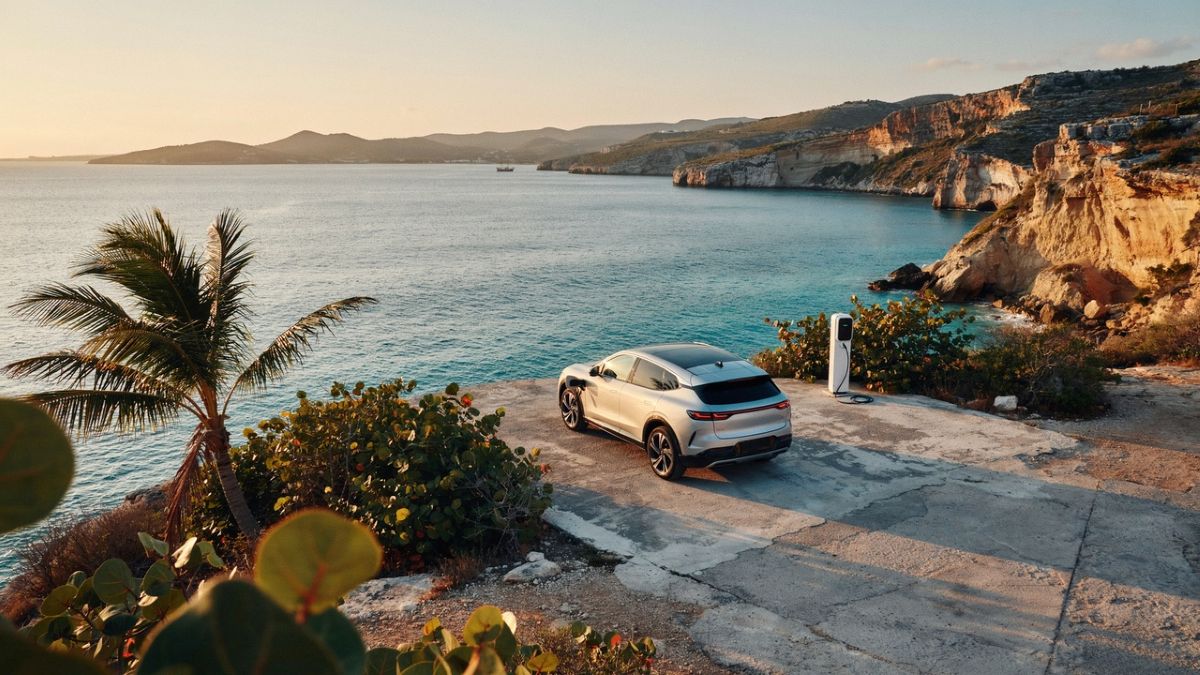
Electric car road trips are starting to change the Caribbean travel map. For years, visitors needed petrol cars to explore beaches, hills, small towns and coastal roads. Now, a growing number of islands offer public charging, hotel charging and EV rental options. This gives travellers a cleaner way to see more of the region.
Autumn is an exciting time for an electric-car escape. The summer crowds begin to ease in some places. Resorts become calmer. Roads feel less busy. Yet visitors must plan carefully. The Atlantic hurricane season runs until 30 November. Travellers should follow weather alerts, choose flexible bookings and avoid long drives during severe rain.
Not every Caribbean island is ready for an EV holiday. A single charger near an airport does not create a useful road trip. The best EV destinations have chargers across key visitor areas, short driving distances and good places to stay overnight. Curaçao, Aruba, the Dominican Republic, Jamaica, Grand Cayman and Puerto Rico are now among the most practical choices.
Curaçao Leads the Caribbean EV Drive
Curaçao stands out as the strongest Caribbean island for an electric-car road trip. It has a wider public charging presence than many nearby destinations. The D-Point network has 32 locations across the island. This gives travellers more confidence when leaving Willemstad for quieter beaches and rural landscapes.
A good route starts in Willemstad. Visitors can explore the colourful capital, then drive towards Jan Thiel and Spaanse Water. The next day can take them west towards Cas Abao, Grote Knip and Westpunt. The road from Willemstad to Westpunt is about 45 km. It is not a huge distance, but it takes time because parts of the route are two-lane roads.
This is why Curaçao suits an EV. Visitors do not need to rush. They can charge near their hotel, stop for lunch, enjoy a beach and continue later. The island offers a real road-trip feeling without forcing drivers to cover huge distances. It is ideal for a two- or three-night self-drive stay.
Aruba Makes EV Travel Feel Easy
Aruba is the easiest option for first-time EV visitors. The island is only about 20 miles long and six miles wide. A drive from one end to the other can take less than 45 minutes. This means an electric car can easily cover a full day of sightseeing without range fear.
Aruba’s electricity provider ELMAR lists 11 public ChargeUp locations. They include areas near the airport, Palm Beach, Noord, Oranjestad, Paradera, Pos Chiquito and San Nicolas. This spread matters because tourists do not stay in only one part of the island.
A strong Aruba route begins in Oranjestad and heads north to Eagle Beach, Palm Beach and California Lighthouse. It then travels south through San Nicolas to Baby Beach. The return drive creates a full island loop of around 70 to 90 km, depending on detours.
Aruba works because the distances are small and the charging points are placed around key visitor areas. Visitors should still confirm the car’s charging connector before booking. They should also avoid unpaved routes if the rental agreement does not allow them.
Dominican Republic Offers a Bigger EV Adventure
The Dominican Republic is different. It is not a quick island loop. It offers a larger and more ambitious electric road trip. Evergo says it has more than 500 charging stations across the country. Its network includes stations in cities and on strategic routes.
The best route for visitors links Santo Domingo, La Romana, Bayahibe and Punta Cana. It brings together the old streets of the capital, beach resorts, golf areas, island boat trips and the eastern coast. A return journey can cover roughly 380 to 420 km, depending on stops and hotel choices.
This route gives the Dominican Republic a major advantage. It can offer a true multi-day EV holiday rather than a short sightseeing drive. However, it also demands stronger planning. Travellers should charge whenever they stop for a meal or overnight stay. They should choose hotels that confirm EV charging. They should also identify a backup charger before starting each section.
The country is becoming an important Caribbean test case. It shows that EV tourism can move beyond small-island driving and support longer visitor journeys.
Advertisement
Advertisement
Jamaica Builds a Practical North Coast Route
Jamaica is building a stronger EV network for both residents and visitors. Jamaica Public Service has expanded its Charge ’N Go charging network across major areas. The network covers parishes including St James, St Ann, Kingston and St Andrew, Westmoreland, Clarendon and Portland. Evergo charging locations add further support.
The north coast offers the most practical visitor route. Travellers can begin in Montego Bay, drive through Discovery Bay and Drax Hall, and continue to Ocho Rios. The full return journey can be around 210 to 260 km, depending on stops.
This route offers beaches, waterfalls, local food, resort stays and scenic coastal views. It is also useful because drivers can break the journey into small pieces. They do not need to cross the island in one day.
Jamaica remains a destination where EV rental availability must be checked before travel. Charging is improving, but visitors should not assume every rental company has electric cars ready at the airport. A confirmed booking is essential.
Grand Cayman Suits Slow and Relaxed EV Touring
Grand Cayman is perfect for travellers who do not want long driving days. A route from Seven Mile Beach to Rum Point is about 45 km each way. The return trip is close to 90 km. This makes it easy for most EVs.
The island has public charging locations, including free Level 2 chargers. There are no Level 3 fast chargers on Grand Cayman. This is the key fact visitors must know. Charging takes longer, so the island works best for guests staying at one hotel, resort or apartment for several nights.
A traveller can leave Seven Mile Beach with a full battery, visit George Town, continue through the eastern districts and spend time at Rum Point. Then the car can charge overnight. This is not a fast-driving holiday. It is a calm island escape where the journey itself becomes part of the experience.
Puerto Rico Brings Variety and Longer Drives
Puerto Rico gives electric-car visitors more variety. The island is about 110 miles long and 35 miles wide. It has charging stations around the island and a growing fast-charging network. It also has mountains, beaches, historic towns and rainforest roads.
One of the most practical routes runs from San Juan to Luquillo, Fajardo and Ceiba. It suits travellers who want beaches, food stops and easy access to El Yunque. Visitors can also explore Puerto Rico over several days instead of trying to drive around the island at once.
Mountain routes need extra care. Roads can be winding and slower than they look on a map. Drivers should begin with a strong battery and avoid leaving charging until the last minute.
The Caribbean EV story is no longer only about green promises. In these destinations, it is becoming a real travel choice. Curaçao and Aruba are the easiest island escapes. Jamaica and Grand Cayman suit careful, relaxed touring. The Dominican Republic and Puerto Rico offer the biggest road-trip potential.
Advertisement
Advertisement
Advertisement
