
SriLankan Airlines Flight Suspension Hits Saudi Arabia as Riyadh and Dammam–Colombo Services Halt Until 18 October

Published
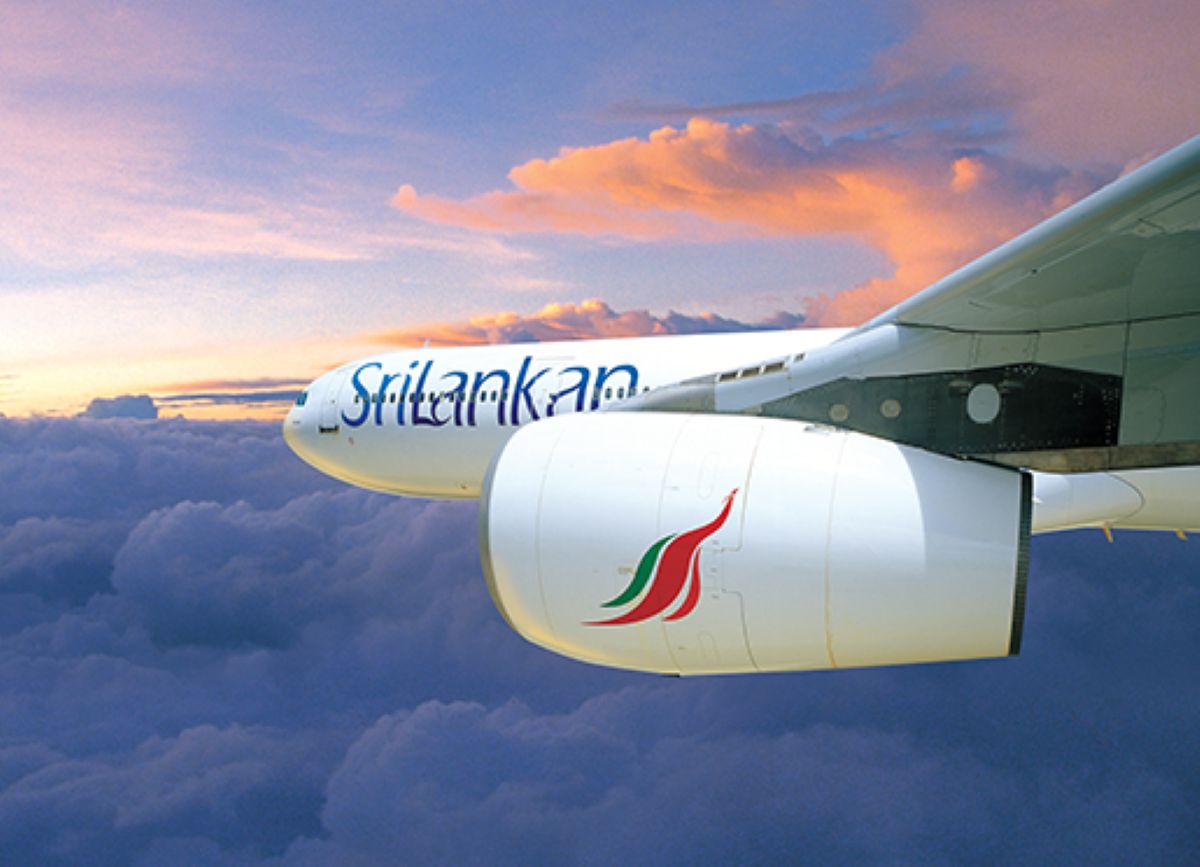
SriLankan Airlines has temporarily suspended flights from Riyadh and Dammam to Colombo until 18 October 2026, raising fresh concerns for passengers travelling between Saudi Arabia and Sri Lanka. The airline’s operational announcement cites prevailing conditions and makes passenger and crew safety its overriding priority. However, it does not guarantee that services will resume automatically on the stated date. Travellers must therefore confirm individual bookings, revised schedules and available alternatives before making airport transfers or onward travel arrangements.
The disruption places two important direct air corridors under scrutiny, particularly for families, business travellers and passengers connecting through Colombo. Its wider significance extends beyond immediate cancellations to regional aviation resilience, alternative routing and the reliability of provisional restart dates. Understanding the affected routes, passenger options and official travel updates will help travellers make informed decisions while the airline assesses when commercial operations can safely resume.
Regional Security Turns Two Direct Routes Into a Travel Planning Challenge
The immediate trigger is a deteriorating regional security environment rather than an ordinary timetable adjustment. SriLankan Airlines’ notice dated 12 October explicitly cites the prevailing security situation for Dammam, while its 10 October notice identifies a security incident affecting Riyadh airport. Both notices make resumption conditional on operational safety assessments.
The disruption also coincides with restrictions affecting other international carriers. Reuters reported on 12 October that airlines including Air India, IndiGo, Etihad Airways, Lufthansa, Qatar Airways and Philippine Airlines had suspended or modified selected Saudi services. These decisions differ by carrier, destination and duration, so travellers must check their own flight rather than assume a uniform regional shutdown.
Advertisement
Advertisement
The European Union Aviation Safety Agency has issued a separate warning concerning Saudi Arabian airspace. Its Conflict Zone Information Bulletin, revised on 9 October and valid until 16 November unless reviewed earlier, identifies heightened risks from missile and drone activity. It also describes attacks reaching areas beyond southern Saudi Arabia, including the Riyadh region.
Importantly, the EASA bulletin applies to operators within its specified regulatory scope. It is not a blanket instruction that every airline worldwide must cancel every Saudi flight. Nevertheless, the advisory demonstrates why airlines may conduct additional risk assessments, alter routings or suspend particular services while conditions remain volatile.
Advertisement
Advertisement
Route Data Reveals the Cost of Losing Non-Stop Connectivity
The two affected corridors share a significant characteristic: published October schedules identify SriLankan Airlines as the only non-stop operator on each route. That concentration makes the suspension particularly relevant to passengers who value direct journeys, predictable arrival times and fewer transfer requirements.
| Route indicator | Riyadh–Colombo | Dammam–Colombo |
|---|---|---|
| Saudi departure airport | King Khalid International Airport | King Fahd International Airport |
| Airport code | RUH | DMM |
| Colombo arrival airport | Bandaranaike International Airport | Bandaranaike International Airport |
| Arrival airport code | CMB | CMB |
| Published distance | 4,038 km | 3,833 km |
| Typical direct flight time | 5 hours 20 minutes | 5 hours 10 minutes |
| Published weekly frequency | 5 flights | 5 flights |
| Listed non-stop operator | SriLankan Airlines | SriLankan Airlines |
Published schedule data updated on 13 October 2026. Distances and durations are approximate; frequencies describe the published schedule, not completed flights during the suspension.
Advertisement
Advertisement
The combined timetable indicates 10 scheduled weekly departures across the two routes under the published pre-disruption pattern. However, that figure is not a confirmed count of cancellations, since actual operating schedules may change and the suspension covers only a defined period. A precise disruption total requires checking individual flight numbers and dates against the airline’s operational records.
The direct journey also has practical value beyond saving time. Every additional connection introduces another departure to monitor, another boarding process and potentially another baggage-transfer arrangement. Where travellers hold separate tickets, a delay on the first flight can create further costs if the next carrier treats the missed connection as a separate booking.
Colombo’s Aviation Network Provides Wider Context
Colombo matters because Bandaranaike International Airport serves as Sri Lanka’s principal international gateway. The airport links inbound travellers with the country’s wider tourism network, including Colombo, the south-western coastline, cultural attractions and inland destinations. Consequently, disruption on an international route can affect more than the flight itself when visitors have already booked accommodation, tours or onward transport.
Official figures from Airport and Aviation Services Sri Lanka show that the country’s airport network handled 10,214,391 passenger movements in 2025. The same source recorded 95,629 aircraft movements, 193,873 metric tonnes of cargo movements and 946,811 transit passenger movements. These figures provide a national aviation baseline, not an estimate of passengers affected by the current suspensions.
Advertisement
Advertisement
| Sri Lanka airport-network indicator | 2025 reported figure |
|---|---|
| Passenger movements | 10,214,391 |
| Aircraft movements | 95,629 |
| Cargo movements | 193,873 metric tonnes |
| Transit passenger movements | 946,811 |
Source: Airport and Aviation Services Sri Lanka’s official key figures. Passenger movements and transit movements are separate statistical categories and should not be added without checking the reporting methodology.
The transit figure is particularly relevant to understanding the airport’s broader role, although it does not show how many travellers use Saudi routes. Passengers connecting through Colombo from another international service may face additional complications if a suspended flight forms part of a larger itinerary. Those holding through-tickets should contact the ticketing carrier, while people travelling on separate bookings should check each segment independently.
Alternative Hubs Offer Options, Not Guaranteed Replacements
Travellers may consider connecting through another Gulf or regional hub, but a possible routing is not the same as a confirmed alternative. Published schedules show multiple airlines operating direct services between Dubai and Colombo, including Emirates, flydubai and SriLankan Airlines. That establishes Dubai as a potential connection point for some itineraries, but it does not establish available seats or an operational connection from either affected Saudi airport.
A practical comparison must therefore consider the entire journey, not simply the destination shown on the second ticket. Travellers should verify departure availability from Saudi Arabia, minimum connection times, transit and entry rules, baggage arrangements and the operating status of each flight. They should also compare the total fare after baggage charges, overnight accommodation and ground transport.
A connection through another hub may add several hours or require an overnight stay. Moreover, a route that appears available in an online search may not offer a protected connection on a single ticket. Travellers should obtain confirmation from the airline or booking agent before paying for a replacement itinerary, particularly while operational restrictions remain fluid.
Passenger Rights Depend on the Ticket and Applicable Conditions
SriLankan Airlines directs affected customers to its international contact centre, travel agents or official website for assistance. Its published conditions of carriage also set out options when the airline cancels a flight, including alternative carriage or rerouting, subject to the applicable conditions. Passengers should request written confirmation of the remedy offered for their specific booking.
Advertisement
Advertisement
| Passenger situation | Recommended action |
|---|---|
| Ticket booked directly with SriLankan Airlines | Contact the airline and request confirmed rebooking or refund options. |
| Ticket purchased through a travel agent | Contact the agent and the operating airline before changing the booking. |
| Connecting flight included on the same ticket | Ask the ticketing carrier to confirm the status of every segment. |
| Separate tickets for onward travel | Contact each carrier and assess the risk of missed connections. |
| Hotel or tour already booked | Check cancellation deadlines and seek flexibility before incurring additional costs. |
The contractual position depends on the ticket, applicable conditions and relevant law. Passengers should not assume that every expense, hotel night or replacement ticket will automatically qualify for reimbursement. Equally, they should not purchase expensive replacement travel before checking the options available under their existing booking.
SriLankan Airlines lists +94 11 777 1979 for international enquiries and +94 74 444 1979 for WhatsApp chat assistance. The airline also directs customers to their travel agents for further information. Travellers should use these official channels to verify any changes rather than relying solely on third-party timetable listings.
Saudi Airport Closures Require Separate Checks
Riyadh and Dammam should not be treated as interchangeable departure points. Reuters reported on 12 October that King Khalid International Airport in Riyadh remained closed until at least 17 October under the arrangements reported at that time. SriLankan Airlines separately suspended its Riyadh and Dammam services through 18 October. The airline’s deadline does not independently establish that both airports will reopen on the same date.
| Operational question | What travellers should establish |
|---|---|
| Airport reopening | Check the relevant airport’s official operational notice. |
| Airline restart | Confirm the specific flight number with SriLankan Airlines. |
| Replacement departure | Verify that the alternative flight is ticketed and operating. |
| Transit eligibility | Check the destination and transit authorities’ current requirements. |
| Final travel decision | Reconfirm the itinerary shortly before leaving for the airport. |
This distinction matters because airport reopening, airspace risk assessments and individual airline schedules follow different operational processes. An airport may resume some activity while particular airlines continue to suspend selected routes. Similarly, a scheduled departure does not guarantee that an aircraft will operate if conditions change.
The Next Operational Update Will Shape Travel Plans
The suspension exposes a broader challenge for international travel: passengers often plan around fixed dates, while airlines must respond to changing safety assessments. The direct routes from Riyadh and Dammam normally offer journeys of roughly five hours, but alternative itineraries may require additional connections and more complicated arrangements. The precise passenger impact remains unquantified because the airline has not published a total for affected bookings or cancelled departures.
For Sri Lanka, the episode highlights the importance of maintaining reliable international access to its principal gateway. However, one temporary suspension cannot establish a long-term decline in tourism, a permanent route withdrawal or a measurable economic loss. Those conclusions require subsequent traffic figures, restored schedules and evidence of changes in bookings or visitor arrivals.
For travellers, the essential distinction is between a suspension deadline and a confirmed resumption. SriLankan Airlines has set 18 October as the current deadline, but its notices make safe operating conditions the deciding factor. Passengers should therefore verify their individual bookings, keep alternative arrangements flexible and follow official updates before travelling to either Saudi airport.
Advertisement
