
Detroit Emerges Alongside Liverpool and Memphis as Motown Museum Expansion Puts Music Heritage Tourism in the Global Spotlight

Published
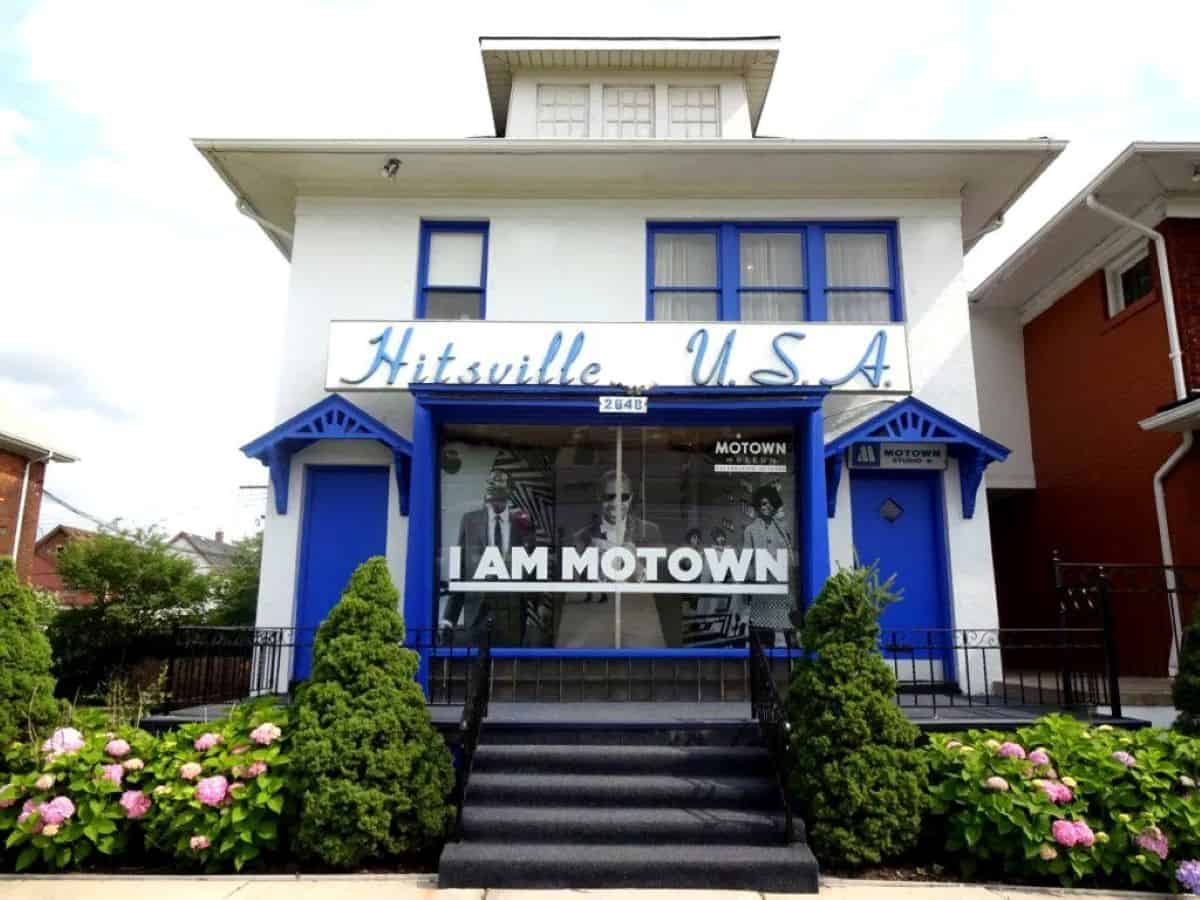
Detroit’s Motown Museum expansion is positioning the city for a new chapter in cultural tourism, with its $75 million redevelopment set to create a nearly 50,000-square-foot entertainment and education destination. Guided tours at the historic Hitsville U.S.A. site paused on 20 January 2026, ahead of a planned reopening in spring 2027. Meanwhile, Liverpool, Nashville and Memphis demonstrate how recording studios, music archives, museums and live venues can turn musical heritage into a year-round visitor proposition. Nashville recorded $11.6 billion in visitor spending during 2025, while Liverpool’s Beatles legacy generated an estimated £81.9 million in net additional annual economic value in an earlier study. These contrasting models raise a crucial question: which city extracts the greatest lasting tourism value from its musical past?
Detroit’s Motown Expansion Sets a New Benchmark
The redevelopment of Motown Museum represents more than an enlargement of one of Detroit’s best-known cultural attractions. Its $75 million investment aims to transform the historic Hitsville U.S.A. campus into a more comprehensive destination, combining musical history with education, creative development and visitor experiences. The project centres on preserving the legacy of a record label that helped shape American popular music and carried Detroit’s cultural identity worldwide.
The expanded campus is planned to include immersive exhibitions, programme spaces, retail facilities, a theatre and facilities supporting music-making and entrepreneurship. Its Hitsville NEXT initiative also aims to connect the institution’s heritage with education and community engagement. This broader offer could encourage visitors to spend longer at the attraction and explore more of Detroit beyond its established cultural landmarks.
The opening timetable has changed since the museum announced a summer 2026 target in September 2024. Its current visitor notice states that guided tours paused in January 2026 as construction continued, with reopening planned for spring 2027. Travellers should therefore check the museum’s official updates before arranging a visit, rather than assume the historic recording house currently operates its usual tours.
Advertisement
Advertisement
The economic opportunity extends beyond admission revenue. Longer visits could support neighbourhood restaurants, hotels, transport providers, independent retailers and other cultural organisations. However, those benefits will need to be measured through actual visitor spending and accommodation data, rather than inferred from the project’s capital investment alone.
The expansion also offers Detroit an opportunity to strengthen its international music-tourism profile. Visitors interested in Motown could combine the museum with other city attractions, architecture, food and Black cultural history. The challenge is to turn an iconic recording address into a compelling multi-day itinerary.
Advertisement
Advertisement
Liverpool Turns Beatles History into a Wider Visitor Economy
Liverpool provides the clearest established example of music heritage generating measurable economic value beyond individual attraction tickets. A university-led assessment commissioned by Liverpool City Council estimated that Beatles-related activity contributed £81.9 million in net additional economic value annually, supporting 2,335 jobs. The study examined direct business activity, supply-chain effects and wider benefits associated with tourism and the band’s international reputation.
The assessment used 2014 economic data and was published in 2016. It remains a useful benchmark, but it should not be mistaken for Liverpool’s current annual music-tourism revenue. Inflation, changing visitor behaviour and subsequent developments mean that a fresh assessment would be necessary for a contemporary comparison.
Advertisement
Advertisement
Liverpool’s strength lies in the geographical spread of its musical story. The Beatles Story at Royal Albert Dock offers an immersive museum experience, while Mathew Street connects visitors with the Cavern Club and the Liverpool Beatles Museum. Guided excursions extend the itinerary to Penny Lane, Strawberry Field and the childhood homes of John Lennon and Paul McCartney.
This network encourages visitors to experience music heritage across multiple locations rather than treating it as a single afternoon attraction. It also creates opportunities for spending on transport, meals, accommodation and other cultural activities. For travellers, that means a Beatles-focused visit can readily become part of a wider weekend in Liverpool.
The city’s offer also extends beyond the Fab Four. The British Music Experience explores British popular music through costumes, instruments, interactive galleries and performance installations. Its wider historical perspective gives visitors another reason to explore Liverpool’s music scene, even if they are not dedicated Beatles fans.
The industry lesson is that a famous musical legacy becomes more commercially resilient when attractions reinforce one another. Liverpool’s model combines a globally recognised story with guided experiences, live performance and an accessible urban itinerary. Its next challenge is to maintain authenticity while ensuring that the benefits reach businesses and communities beyond the best-known tourist sites.
Advertisement
Advertisement
Nashville Builds a High-Volume Music Experience
Nashville demonstrates a different model, combining musical heritage with a much larger visitor economy. Davidson County recorded $11.6 billion in visitor spending during 2025, an increase of 3.5% from 2024. The figure includes tourism across multiple purposes and cannot be attributed solely to music history, but it illustrates the commercial environment supporting Nashville’s cultural attractions.
The Country Music Hall of Fame and Museum provides a more focused measure of heritage engagement. It welcomed 1,370,128 visitors in 2025, presented 21 exhibitions and hosted 1,531 events. Its education programmes reached 125,056 participants in person and online, while 66,758 students took part in school programmes.
The institution also reported that 79,866 visitors toured Historic RCA Studio B during 2025. The studio, built in 1957, became a recording home for artists including Elvis Presley, Chet Atkins and Roy Orbison. Its history offers visitors an opportunity to understand the recording process and the development of the Nashville Sound.
The museum’s online archive adds another dimension. It listed 205,887 archival files, with 134,167 individuals accessing photographs, recordings and documents. Such resources extend the institution’s reach beyond people who can visit in person, while supporting research, education and future trip planning.
Nashville’s commercial advantage comes from the connections between these experiences and the city’s contemporary performance scene. Visitors can combine museum galleries and historic studios with live venues, music-related retail, restaurants and accommodation. That breadth creates several spending opportunities within one trip.
However, the city’s headline tourism receipts require careful interpretation. Nashville’s $11.6 billion figure measures its entire visitor economy, not the isolated contribution of heritage attractions. A valid comparison with Detroit or Liverpool would require visitor surveys identifying the main trip purpose, attraction spending and additional nights attributable to music history.
Advertisement
Advertisement
Memphis Connects Music Pilgrimages with Overnight Stays
Memphis offers a particularly useful case study because its tourism reporting provides both visitor motivations and accommodation indicators. The city recorded 13.1 million visitors in 2024, while domestic visitors generated an estimated $4 billion in annual economic impact. Tourism also supported 44,100 leisure and hospitality jobs across Shelby County.
Music plays a significant role in the city’s appeal. Memphis Travel reports that nearly two-thirds of surveyed attraction visitors considered the city’s distinctive music an important reason for choosing the destination. More than 60% of surveyed visitors experienced live music during their trip, linking historic interest with contemporary entertainment.
The city’s attractions span several musical traditions. Sun Studio interprets early rock ’n’ roll history, the Stax Museum celebrates soul music, and Graceland draws visitors interested in Elvis Presley. Beale Street adds live performances and nightlife, creating a bridge between historical attractions and the city’s active music culture.
Accommodation data helps explain why this mix matters. Memphis Travel reports an average stay of 3.8 nights among overnight travel parties, with 79% of surveyed travel parties staying overnight. Those figures cover the wider visitor population, not music tourists alone, but they offer a useful baseline for further research.
The tourism organisation’s SoulTrip campaign provides a more specific marketing measure. Its 2024 annual report attributed more than $17.4 million in direct visitor spending to digital content highlighting Memphis music heritage. The figure reflects spending influenced by campaign content, rather than the complete economic contribution of music tourism.
That distinction matters for destination marketers. Campaign attribution can help evaluate which creative messages encourage travel, while broader economic studies measure the contribution of an entire visitor segment. Used together, these methods can show how heritage storytelling translates into bookings, overnight stays and local expenditure.
Advertisement
Advertisement
Memphis’s opportunity is to connect music attractions with food, civil rights history, neighbourhood experiences and live entertainment. Such combinations may encourage visitors to stay longer and distribute spending across the city. Yet a definitive assessment requires research isolating the behaviour of music-motivated travellers from that of other visitors.
Four Cities Reveal Different Tourism Economics
The available figures demonstrate why no single attendance total can determine which destination extracts the greatest value from its musical heritage. Each city measures a different part of the visitor economy, while the reporting periods and definitions also vary. The following comparison separates established figures from the evidence still needed.
| City | Verified indicator | Reporting period | What it reveals |
|---|---|---|---|
| Detroit | $75 million expansion investment | Current project | Scale of planned cultural infrastructure |
| Liverpool | £81.9 million net additional economic value; 2,335 jobs | Study published 2016, using 2014 data | Heritage-related economic contribution |
| Nashville | $11.6 billion visitor spending | 2025 | Overall destination spending power |
| Nashville | 1,370,128 museum visitors; 79,866 Studio B visitors | 2025 | Direct engagement with music heritage |
| Memphis | 13.1 million annual visitors; $4 billion domestic visitor economic impact | 2024 | Wider destination scale |
| Memphis | 3.8-night average stay; 79% overnight travel parties | Latest published visitor profile | Accommodation potential across the visitor economy |
The figures come from official attraction and tourism reporting, alongside Liverpool’s university-led economic assessment. They should not be added together or ranked as equivalent measures.
A more rigorous comparison would measure heritage-related spending per visitor, the share of visitors staying overnight and the number of nights attributable to music-related activities. It would also estimate how much revenue reaches locally owned businesses, rather than relying exclusively on gross spending or headline economic-impact figures.
Detroit’s future performance could then be assessed against its pre-expansion baseline. Liverpool could update its heritage-economic assessment, while Nashville and Memphis could publish clearer estimates of music-motivated visitors and their expenditure. Consistent definitions would allow tourism authorities to identify which investments produce the strongest returns.
The Concert Economy Is Not the Whole Story
Major concerts can generate substantial short-term spending, but they do not provide a complete picture of cultural tourism. Event attendance can be concentrated around particular dates, while historic studios, museums, archives and guided tours offer experiences throughout much of the year. Their economic value depends on demand, operating costs, repeat visits and their ability to encourage overnight stays.
Advertisement
Advertisement
Detroit has a useful example of the distinction. The city’s 2024 NFL Draft generated a reported $213.6 million in regional economic impact, including $161.3 million associated with visitor spending. The event attracted 775,000 attendees, although that attendance figure included different visitor types and should not be treated as a count of overnight tourists.
The Draft illustrates the economic power of a major event, but it does not measure music heritage. The Motown Museum requires a separate evaluation based on admissions, visitor origins, accommodation nights and spending beyond the attraction. Otherwise, the city risks confusing the publicity surrounding a major event with the sustained contribution of cultural tourism.
Liverpool offers a different approach because Beatles-related businesses, tours and cultural attractions form an established network. Nashville integrates museums and historic studios into a broad entertainment destination, while Memphis connects music history with live performance and other cultural experiences. These models suggest that the most durable tourism strategy combines event-led peaks with bookable experiences throughout the year.
For destination managers, this distinction affects investment decisions. A venue designed around occasional headline events has different operating requirements from a museum attracting visitors daily. Cultural institutions can also serve educational groups, researchers and families, broadening demand beyond concert audiences.
What the Evidence Means for Travellers
For travellers, the comparison offers a practical way to choose a destination according to interests and available time. Detroit is particularly relevant to Motown fans and visitors exploring the city’s musical and African American cultural history, although the museum’s current construction schedule must be checked before travel. Its planned reopening in spring 2027 could create a new focal point for future itineraries.
Liverpool suits travellers who want to combine museum interpretation with historic streets, guided excursions and live music. Nashville offers a broad programme of country-music history, recording heritage and contemporary performances. Memphis is well suited to visitors combining historic studios, soul and rock ’n’ roll attractions with live entertainment and regional food.
Advertisement
Advertisement
| Destination | Suggested itinerary focus | Practical planning point |
|---|---|---|
| Detroit | Motown history, city culture and neighbourhood exploration | Verify the museum’s spring 2027 reopening updates |
| Liverpool | Beatles Story, Cavern Quarter and guided heritage tours | Group nearby attractions to reduce travel time |
| Nashville | Country Music Hall of Fame, RCA Studio B and live venues | Check tour schedules and bundled admission options |
| Memphis | Sun Studio, Stax Museum, Graceland and Beale Street | Allow time for attractions in different parts of the city |
Travellers should check official attraction websites for current admission prices, tour times, accessibility arrangements and booking conditions. Studio tours may have limited capacity, while historic homes and guided excursions can require advance reservations. Combining nearby experiences also leaves more time for restaurants, independent venues and other neighbourhood attractions.
The most useful trip-planning principle is to build an itinerary around several complementary experiences. A museum visit can provide historical context, a studio tour can explain recording techniques, and a live performance can connect that history with contemporary musical life. This approach makes the destination more rewarding while spreading expenditure across different local businesses.
Detroit Must Measure the Returns
Detroit’s opportunity is to turn Motown’s global recognition into a connected visitor economy, rather than relying on the museum’s reopening as an isolated milestone. The $75 million investment provides a substantial platform, but its long-term success will depend on attendance, visitor satisfaction, repeat demand and the spending generated beyond the museum campus. Liverpool, Nashville and Memphis demonstrate different ways to connect historic collections with tours, education, hospitality and contemporary performance.
The leading music city cannot yet be identified conclusively because the available economic figures do not measure equivalent activities. Liverpool offers the clearest published heritage-specific benchmark, Nashville demonstrates the greatest documented overall visitor-spending scale, and Memphis supplies useful evidence about overnight travel and music-related marketing. Detroit’s next task is to establish comparable performance data after reopening. For travellers, all four destinations offer distinctive musical journeys; for the tourism industry, their success will depend on turning cultural memory into lasting local value.
Advertisement
