

Cape Town Steps Up With São Paulo As Tourism Partnership Accelerates African Travel Growth Through New Air Links And Luxury Experiences

Published
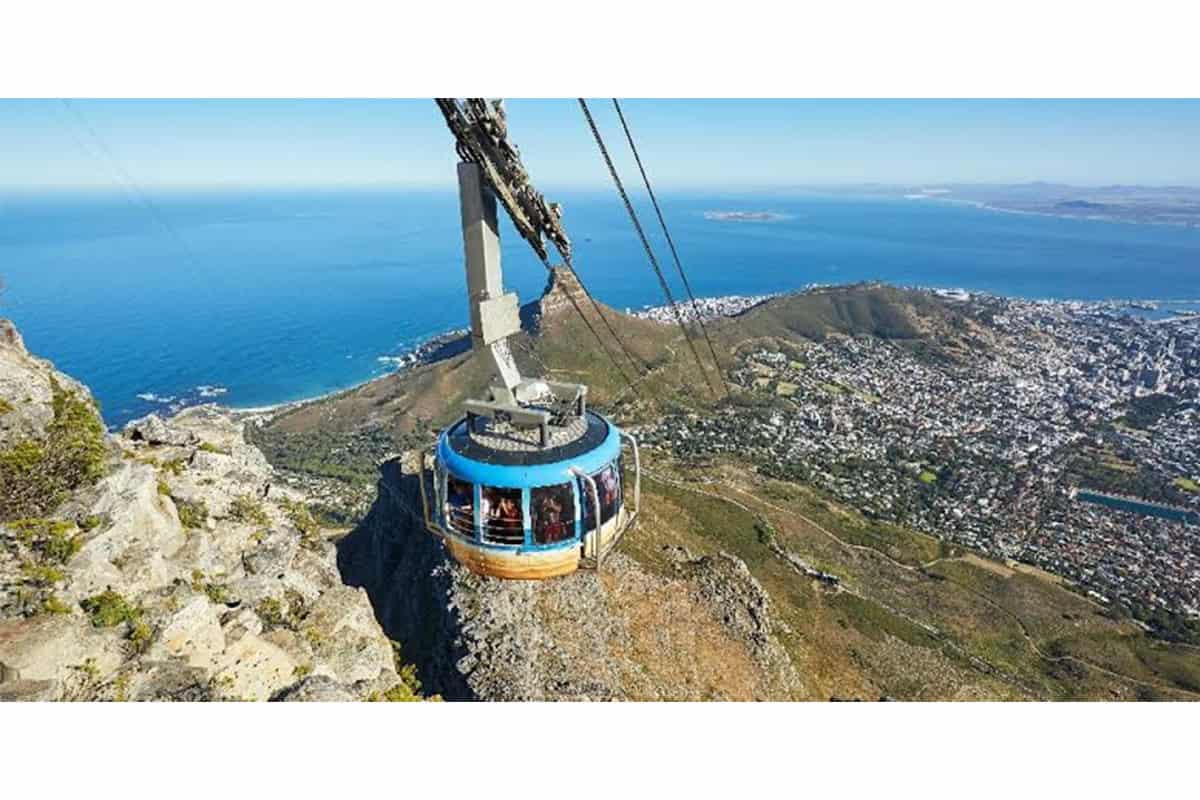
Cape Town steps up with São Paulo as a landmark trans-Atlantic aviation and tourism initiative redefines trade and visitor movement across the Global South. By establishing direct air corridors connecting South America to Southern Africa, this strategic alignment significantly reduces travel times and unlocks key international markets. Tourism remains an indispensable engine of macroeconomic growth for South Africa, driving job creation and foreign currency inflows. This deep cross-continental synergy accelerates regional tourism recovery, connects high-value luxury travellers to pristine African destinations, and establishes a highly lucrative trade highway across the South Atlantic ocean.
Background: Bridging the South Atlantic Ocean
For decades, long-haul travel routes between South America and Africa were severely restricted by limited direct flight options, forcing passengers into long, circuitous detours through European or Middle Eastern aviation hubs. This structural bottleneck constrained commercial trade, diplomatic engagement, and cross-border leisure travel between two prominent economic zones of the Global South. Recognizing the vast untapped potential of direct trans-Atlantic travel, South African tourism authorities, economic development agencies, and aviation stakeholders prioritized establishing permanent air corridors.
Advertisement
Advertisement
The initiative gains momentum under the strategic framework of South-South cooperation. The Western Cape government, operating through Wesgro—the official tourism, trade, and investment promotion agency for Cape Town and the Western Cape—alongside the City of Cape Town and Cape Town Air Access, initiated long-term diplomatic and commercial negotiations to re-establish non-stop flight routes connecting Brazil directly to the mother city.
                               SOUTH ATLANTIC AIR BRIDGE

  +-----------------------+                               +-----------------------+
  |   São Paulo (GRU)     |==============================>|   Cape Town (CPT)     |
  |   Brazil, S. America  |<==============================|   South Africa        |
  +-----------------------+     ~7 hr 10 min Outbound     +-----------------------+
                                ~9 hr 00 min Inbound
By connecting São Paulo’s Guarulhos International Airport (GRU) with Cape Town International Airport (CPT), regional tourism planners have successfully established a direct gateway that drastically cuts transit times to approximately seven hours. As a result, Cape Town steps up with São Paulo to lead a dynamic new chapter in intercontinental travel and economic integration.
Advertisement
Advertisement
Latest Official Developments & Aviation Milestones
The formal integration of these two global powerhouses achieved a major structural milestone with the official launch of direct flights operated by LATAM Airlines Group. Initially scheduled for late-season implementation, the service was brought forward to July following overwhelming demand and high advance booking volumes highlighted by South African government Cabinet briefings.
+-----------------------------------------------------------------------------------+
|                        DIRECT TRANS-ATLANTIC ROUTE SPECS                          |
+----------------------------------+------------------------------------------------+
| Carrier                          | LATAM Airlines Group                           |
| Origin / Destination             | São Paulo (GRU) <---> Cape Town (CPT)          |
| Aircraft Type                    | Boeing 787-9 Dreamliner                        |
| Outbound Duration (GRU -> CPT)   | ~7 Hours 10 Minutes                            |
| Inbound Duration (CPT -> GRU)    | ~9 Hours 00 Minutes                            |
| Regional Connectivity            | Airlink, TAAG Angola Codeshare Networks        |
+----------------------------------+------------------------------------------------+
Operating state-of-the-art Boeing 787-9 Dreamliner aircraft, the non-stop route delivers optimal passenger comfort, reduced carbon emissions, and expanded belly-hold freight capacity. This expanded connectivity is further enhanced by strategic regional partnerships. Extensive feeder networks operated by regional carriers, including Airlink and TAAG Angola Airlines, enable seamlessly integrated onward travel. Through comprehensive codeshare arrangements, travelers from more than 50 South American cities can now seamlessly connect through São Paulo to Cape Town and onwards to premier safari and luxury destinations across Southern Africa.
Advertisement
Advertisement
Government Announcements & Policy Integration
The South African National Department of Tourism, working alongside the Department of Home Affairs, has introduced targeted policy updates aimed at maximizing the economic benefits of this route. Central to this strategy is the ongoing modernization of immigration procedures and the rollout of streamlined electronic visa (e-Visa) systems for key South American feeder markets.
According to official updates from the South African Presidency and Cabinet statements, international tourism expansion is classified as a primary catalyst for national economic growth. Government policies are explicitly structured to achieve several core objectives:
- Targeted Visa Modernization: Streamlining visa processing for Brazilian and South American tourists to remove administrative barriers to travel.
- Inter-Ministerial Safety Initiatives: Deploying dedicated tourism safety monitors across key heritage sites, national parks, and urban transit corridors to protect international visitors.
- Aviation Capacity Expansion: Supporting route development initiatives managed by Cape Town Air Access to expand seasonal and year-round flight frequencies.
- Collaborative Destination Marketing: Aligning global campaign strategies, such as the This Is Cape Town initiative, with international diplomatic missions and trade expos in Latin America.
This multi-pronged policy stance ensures that increased seat capacity directly translates into higher visitor numbers and long-term economic returns.
Statistical Overview & Market Performance
Official statistical disclosures published by Statistics South Africa (Stats SA) and the Department of Tourism demonstrate impressive growth in international tourist arrivals. The arrival data underlines a swift, robust structural rebound across key leisure and business segments.
| Indicator / Metric | Official Reported Performance | Key Source / Agency |
| Monthly Tourist Arrivals (Peak Period) | 989,329 arrivals recorded | Statistics South Africa |
| Year-on-Year Growth Rate | 12.8% expansion in international arrivals | Stats SA / Tourism Reports |
| Additional Seasonal Air Capacity | ~250,000 two-way international seats | Cape Town Air Access / Wesgro |
| International Air Routes Operating | 38 routes, 26 airlines, 255 weekly flights | Wesgro Air Access Data |
| South American Network Reach | 57 Brazilian cities linked via codeshare | TAAG / LATAM Official Filings |
The influx of South American travelers has proven particularly valuable due to their higher-than-average length of stay and substantial per-person expenditure across hospitality, eco-tourism, and retail sectors.
Economic Implications & Industry Impact
The economic ripple effects of the restored South Atlantic route extend well beyond direct airline ticket revenue. The sustained inflow of international capital stimulates multiple connected sectors throughout the Western Cape and broader Southern African economies.
Advertisement
Advertisement
                  ECONOMIC VALUE CHAIN MULTIPLIER

+------------------------+      +------------------------+
|  Direct Passenger Flow | ===> | Aviation & Airport Ops |
+------------------------+      +------------------------+
            ||                               ||
            \/                               \/
+------------------------+      +------------------------+
| Luxury Accommodation   |      | High-Value Trade Cargo |
| & Gastronomy           |      | (Perishables/Goods)    |
+------------------------+      +------------------------+
            ||                               ||
            \/                               \/
+--------------------------------------------------------+
| Sustainable Local Employment & Regional SMME Expansion |
+--------------------------------------------------------+
Hospitality and High-End Luxury Tourism
Cape Town’s luxury hospitality market—comprising world-class boutique hotels, private game reserves, fine dining establishments, and winelands estates—has recorded significant uplift. High-net-worth travelers arriving from South America demonstrate strong preferences for premium, multi-destination itineraries that blend urban luxury experiences in Cape Town with high-end wildlife safaris in the Kruger National Park or regional destinations like Victoria Falls and Botswana.
Freight and Commercial Cargo Growth
Direct flights operated by wide-body Dreamliners provide substantial belly-hold cargo space. This infrastructure facilitates efficient, direct trade in high-value, time-sensitive commodities—including pharmaceutical supplies, specialized agricultural goods, electronics, and automotive components—eliminating intermediate handling costs and transit delays.
Regional Job Creation and Business Investment
Tourism remains a labor-intensive sector capable of driving broad-based job creation. Increased visitor demand directly supports employment for tour guides, hospitality staff, transport operators, and local artisans. Furthermore, enhanced connectivity encourages cross-border corporate investments, real estate acquisition, and diplomatic commerce between Latin American corporations and African markets.
Multi-Destination African Travel Expansion
A key benefit of the São Paulo–Cape Town route is its role in driving multi-destination travel across Southern Africa. Rather than visiting a single city, modern international tourists increasingly seek comprehensive multi-stop itineraries.
Through strategic regional air routes managed by Airlink and regional partners, travelers arriving in Cape Town can easily connect to regional hubs including:
- Victoria Falls (Zimbabwe/Zambia): Direct, convenient connections for iconic nature and adventure experiences.
- The Okavango Delta (Botswana): Premium eco-tourism and wilderness safaris accessible through regional feeder flights.
- Tropical Indian Ocean Islands: Recently launched direct services connecting Cape Town to destinations such as Mauritius and Zanzibar allow tourists to combine bush, city, and beach experiences in a single trip.
- Greater Kruger National Park: Quick domestic transfers linking Western Cape urban luxury with premier private game reserves.
This hub-and-spoke connectivity strengthens Southern Africa’s position as a premier global travel destination.
Advertisement
Advertisement
Official Statements & Industry Perspectives
In official communications released by government representatives and industry leaders, the strategic alignment between South Africa and South America has been lauded as a transformative development for Southern Hemisphere travel.
During formal route launches and diplomatic engagements, official representatives highlighted the broader socio-economic significance of the air corridor. Executive leadership at Wesgro noted that establishing direct air links with Brazil fulfills a long-standing strategic objective to diversify market reliance away from traditional European markets and tap into rapidly growing emerging economies.
Similarly, South African Cabinet updates formally acknowledged that expanded international aviation connectivity directly reinforces the national economic recovery plan, stating that record-breaking monthly arrivals reflect strong international confidence in the country’s tourism infrastructure, safety measures, and global appeal.
Future Outlook & Long-Term Strategic Sustainability
Looking ahead, the long-term outlook for the South Atlantic travel corridor remains exceptionally bright. Aviation analysts and destination management organizations project steady growth in passenger throughput, driven by expanding trade relationships within the BRICS+ alliance and growing consumer appetite for luxury eco-tourism.
Future strategic goals for the partnership include:
- Increasing Flight Frequencies: Expanding seasonal non-stop operations to full year-round daily frequencies as passenger demand continues to build.
- Expanding Joint Marketing Campaigns: Scaling up global promotional campaigns across secondary South American cities, including Rio de Janeiro, Brasília, and Buenos Aires.
- Promoting Sustainable Eco-Tourism: Positioning the South Atlantic corridor as a leader in environmentally sustainable, low-impact luxury travel.
- Enhancing MICE Business Travel: Leveraging direct connectivity to attract major international conferences, incentive travel groups, and corporate expos to Cape Town’s world-class convention facilities.
Through sustained public-private collaboration, robust policy support, and targeted route development, Cape Town and São Paulo are building an enduring air bridge that will drive economic prosperity across both continents for years to come.
Advertisement
