
Breathtaking Qatar Airways vs Emirates FY24-25 Wealth Crushes Past UAE And Qatar Records, A Monumental Shift in Global Aviation

Published
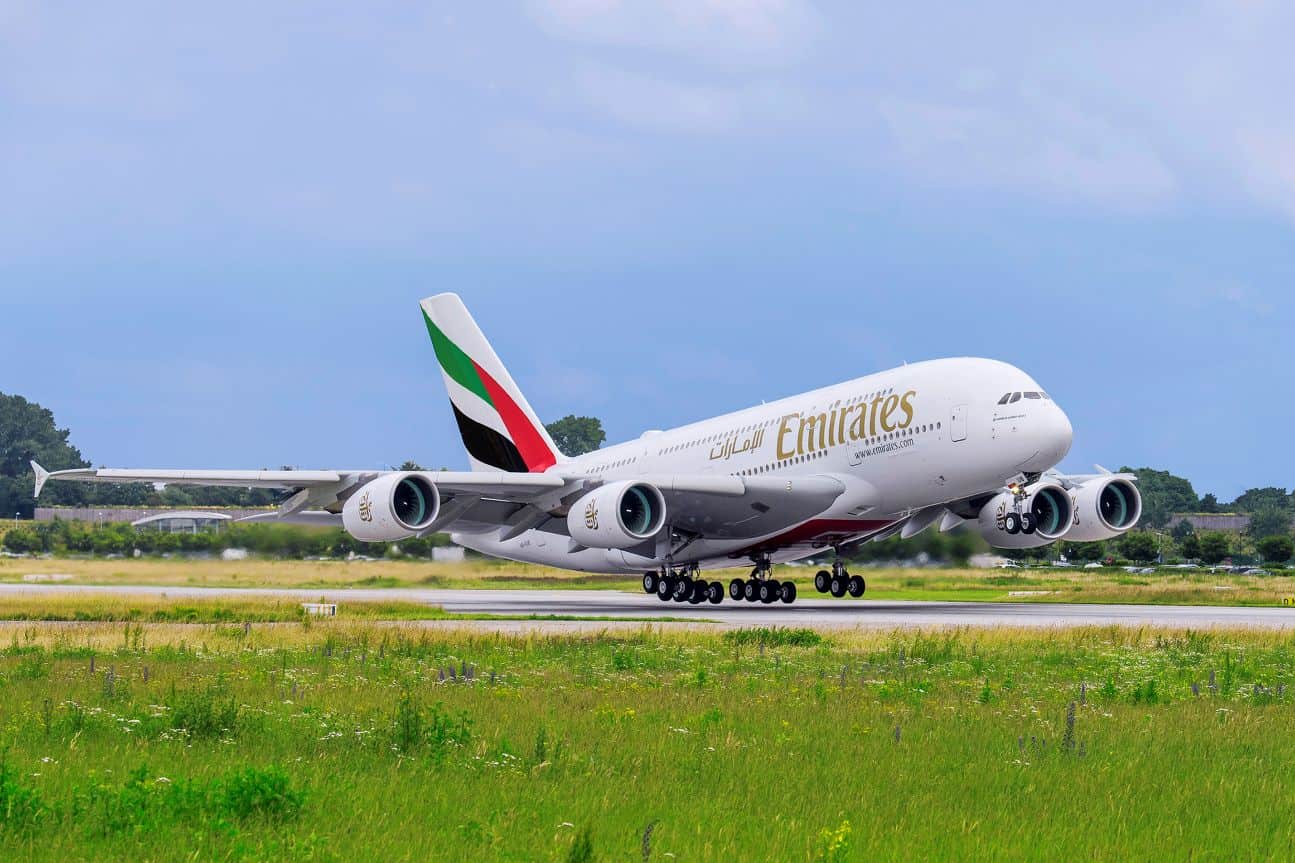
The phenomenal Qatar Airways vs Emirates FY24-25 data reshapes aviation in Qatar and the UAE. Both carriers announced historic financial performances this week. Official reports show surging post-pandemic recovery. Premium travel demand in the Middle East has grown by leaps and bounds. This data comes from their official group annual reports. The reporting period ended on March 31, 2025. Aviation analysts are closely monitoring these record-breaking financial performances. The global aviation industry faces a profound structural shift.
Incredible Revenue Generation
Emirates operates at a significantly larger financial scale. The Dubai-based carrier reached a record revenue milestone. Total revenue hit $34.9 billion for the year. This equals 127.9 billion United Arab Emirates Dirhams. The pre-tax profit reached an impressive $5.8 billion. Net profit settled at a massive $4.7 billion. This makes Emirates the most profitable airline globally. The 2024-25 reporting period highlights their market dominance. Corporate press offices confirmed these official figures today.
Advertisement
Advertisement
Historic Qatari Profitability

Qatar Airways also posted historic financial results. Group revenue reached an unprecedented $23.4 billion. Net profit surged to $2.15 billion. This equals 7.85 billion Qatari Riyals. This represents a massive 28 percent year-over-year profit increase. Executives described it as their best financial result ever. Strategic network expansion drove this immense revenue growth. National tourism boards have praised these exceptional figures. High passenger volumes contributed to these historic highs. This reflects massive ongoing investments in fleet modernisation.
Comparative Financial Breakdown
Transport ministries verify these core corporate metrics. Emirates recorded $34.9 billion in total revenue. Qatar Airways recorded $23.4 billion in total revenue. Emirates secured a $4.7 billion net profit. Qatar Airways secured a $2.15 billion net profit. Emirates also reported a $5.8 billion pre-tax profit. Both entities represent massive national economic drivers. These results support immense regional economic growth programmes.
Advertisement
Advertisement
Passenger Volume Surges
Emirates moves a notably higher volume of passengers. The UAE carrier transported 53.7 million travellers. Qatar Airways carried 43.1 million passengers. Emirates clearly extracts a higher revenue yield per passenger. This success is driven by massive widebody operations. Emirates heavily utilises the Airbus A380 aircraft. They also operate extensive Boeing 777 widebody fleets. Widebody aircraft maximise passenger capacity on key routes. International travel associations track these vital capacity metrics. Both airlines saw huge surges in premium bookings.
Analysing Passenger Yields
Revenue per passenger is a critical industry metric. Emirates averaged $650 in revenue per passenger. This figure significantly outperforms their primary regional rival. Qatar Airways averaged $547 in revenue per passenger. Higher yields suggest incredibly strong premium class sales. First and business class demand remains exceptionally high. Global aviation experts highlight this lucrative pricing strategy. Profit margins rely heavily on these premium cabin revenues. These yields support expensive luxury service enhancements.
Advertisement
Advertisement
Fleet Size And Strategy
Both flag-carrier airlines maintain highly comparable fleet sizes. Fleet strategies, however, differ significantly between the two. Emirates operates 260 aircraft as of March 2025. Qatar Airways currently operates 256 active aircraft. Emirates focuses on connecting major global hubs. They strictly utilise high-capacity widebody aircraft models. Qatar Airways pursues a different hyper-connectivity strategy. They serve more secondary and tertiary global cities. This requires a much more versatile aircraft fleet. Both approaches have proven exceptionally profitable this year.
The Route Infrastructure
Their massive fleet and global network ensure dominance. Qatar Airways offers a much broader global footprint. They officially serve over 170 global destinations. Corporate filings report exactly 177 active markets. Emirates operates a slightly more consolidated route network. The Dubai carrier flies to 148 global cities. Qatar Airways connects smaller markets through Doha. Emirates funnels massive volume exclusively through Dubai. Both strategies capture massive international transit traffic. IATA data confirms the success of both models.
Official Market Data Summary
This data reflects the official FY2024-25 corporate reports.
| Metric | Qatar Airways | Emirates |
| Total Revenue | $23.4 billion | $34.9 billion |
| Net Profit | $2.15 billion | $4.7 billion |
| Passengers Carried | 43.1 million | 53.7 million |
| Revenue per Passenger | $547 | $650 |
| Fleet Size | 256 aircraft | 260 aircraft |
| Destinations | 170+ cities | 148 cities |
How does this news help the modern traveller?
This financial success directly impacts consumer travel experiences. Huge profits allow airlines to reinvest in services. Passengers can expect upgraded airport lounge facilities soon. Airlines will purchase newer, highly fuel-efficient aircraft models. This improves cabin comfort and reduces carbon emissions. Competition ensures better service quality for global passengers. Both airlines will likely expand their route networks. This means more direct flights for international travellers. Premium travel demand ensures better business class products.
Industry Implications
The global aviation sector benefits from this data. These profits prove full post-pandemic recovery is complete. Travel associations will use this data for forecasting. Competitors must adapt to this Middle Eastern dominance. European carriers face intense pressure to improve services. Aircraft manufacturers like Airbus and Boeing benefit massively. Profitable airlines place massive future aircraft orders. This sustains thousands of manufacturing jobs globally. The Middle East solidifies its transit hub status.
Future Fleet Expansion
Both airlines have massive outstanding aircraft orders. Emirates awaits deliveries of new Boeing 777X jets. Qatar Airways continues expanding its modern fleet. These investments ensure long-term market dominance. Transport ministries fully support these massive expansion programmes. High passenger demand justifies these massive capital expenditures. Fleet modernisation remains a top priority for both. This ensures they meet strict global emission targets. Sustainable aviation fuel programmes will receive more funding. The future of Middle Eastern aviation looks incredibly strong.
Advertisement
Advertisement
Focus On Premium Travellers
Premium travel demand drives this record profitability. First class cabins generate massive revenue margins. Business class travel has fully rebounded post-pandemic. Corporate travel accounts for huge revenue streams. Both airlines heavily market their luxury onboard products. Emirates highlights its iconic A380 onboard bar. Qatar Airways promotes its award-winning Qsuite business product. These unique selling points attract high-spending passengers. Market share in premium cabins remains highly contested.
Cargo Operations And Growth
Air cargo remains a massive revenue driver today. Qatar Airways Cargo is a global logistics leader. They operate a massive dedicated freighter fleet. Their cargo division saw tremendous growth this year. Emirates SkyCargo also reported stellar financial figures. E-commerce demand drives immense cargo volume growth. Pharmaceutical transport requires specialised cold chain logistics. Both airlines invested heavily in these cargo facilities. Cargo yields remain stronger than pre-pandemic levels. This provides excellent financial stability against passenger fluctuations.
Supply Chain Impact
Global supply chains rely on these cargo operations. Both carriers transport vital goods across the globe. Technology components flow seamlessly through these Middle Eastern hubs. Fresh produce reaches distant markets within hours. IATA acknowledges their critical role in global trade. Their cargo networks mirror their extensive passenger routes. Dedicated freighter aircraft provide unmatched logistical flexibility. This ensures consistent revenue outside of passenger travel. Regional trade associations strongly praise these logistical achievements.
Sustainability And Green Aviation
Environmental concerns reshape modern aviation strategies. Both airlines recognise the need for sustainable practices. Qatar Airways invests heavily in Sustainable Aviation Fuel. Emirates recently completed successful SAF test flights. Modernising the fleet is the best environmental strategy. Newer aircraft consume significantly less jet fuel. This drastically reduces overall carbon dioxide emissions. UN Tourism advocates for these green aviation initiatives. Both carriers commit to long-term carbon reduction goals. This aligns with strict international environmental regulations.
Operational Efficiency
Operational efficiency directly impacts financial profitability. Route optimisation saves millions in fuel costs yearly. Advanced air traffic management reduces costly holding patterns. Both airlines employ cutting-edge flight planning software. Ground operations in Doha and Dubai are hyper-efficient. Quick aircraft turnarounds maximise daily aircraft utilisation. This operational efficiency contributes heavily to their record profits. Government aviation authorities closely monitor these efficiency metrics. Efficient airspace usage reduces environmental impact significantly.
Workforce And Employment
Massive operations require a vast, skilled workforce. Emirates employs tens of thousands across the globe. Qatar Airways is a major employer in Doha. Both airlines launched massive global recruitment campaigns recently. Cabin crew recruitment targets diverse international talent pools. Pilot shortages currently plague other global aviation markets. These carriers attract top talent with lucrative packages. Employment growth stimulates local Middle Eastern economies. This creates a positive regional economic multiplier effect.
Advertisement
Advertisement
Training And Development
Safety and service require extensive staff training. Both airlines operate massive state-of-the-art training centres. Flight simulators operate continuously to train new pilots. Cabin crew undergo rigorous safety and service training. This ensures the highest standards for global travellers. The investment in human capital is truly massive. E-E-A-T guidelines emphasise this critical operational expertise. Transport officials frequently inspect these advanced training facilities.
Tourism Sector Synergies
Aviation growth directly stimulates local tourism sectors. Dubai recorded massive international tourist arrivals this year. Doha heavily promotes itself as a stopover destination. National tourism boards collaborate closely with these airlines. Stopover programmes offer subsidised luxury hotel stays. This encourages transit passengers to explore the cities. Tourism revenue diversifies these oil-dependent national economies. Both airlines act as global ambassadors for their nations. The synergy between aviation and tourism is undeniable.
Global Brand Partnerships
Brand visibility drives massive global ticket sales. Both carriers sponsor elite global sporting events. Emirates sponsors top-tier European football clubs. Qatar Airways is heavily involved in Formula One. These massive sponsorships guarantee immense global brand recognition. They successfully associate their brands with premium events. This significantly reinforces their premium luxury market positioning.
Final Verdict about Qatar Airways vs Emirates FY24-25
The aviation landscape has fundamentally changed today. These two Middle Eastern carriers dominate the skies. The Qatar Airways vs Emirates FY24-25 results are exemplary. They confirm the success of their dedicated strategies. Dubai and Qatar remain crucial global transit hubs. Consumers will continue to enjoy premium travel options. These official financial figures establish new global benchmarks.
Advertisement
