

United Kingdom Walks Alongside Norway And More To Revive Travel Prospects Amid Barrow’s Regeneration Drive

Updated
Published
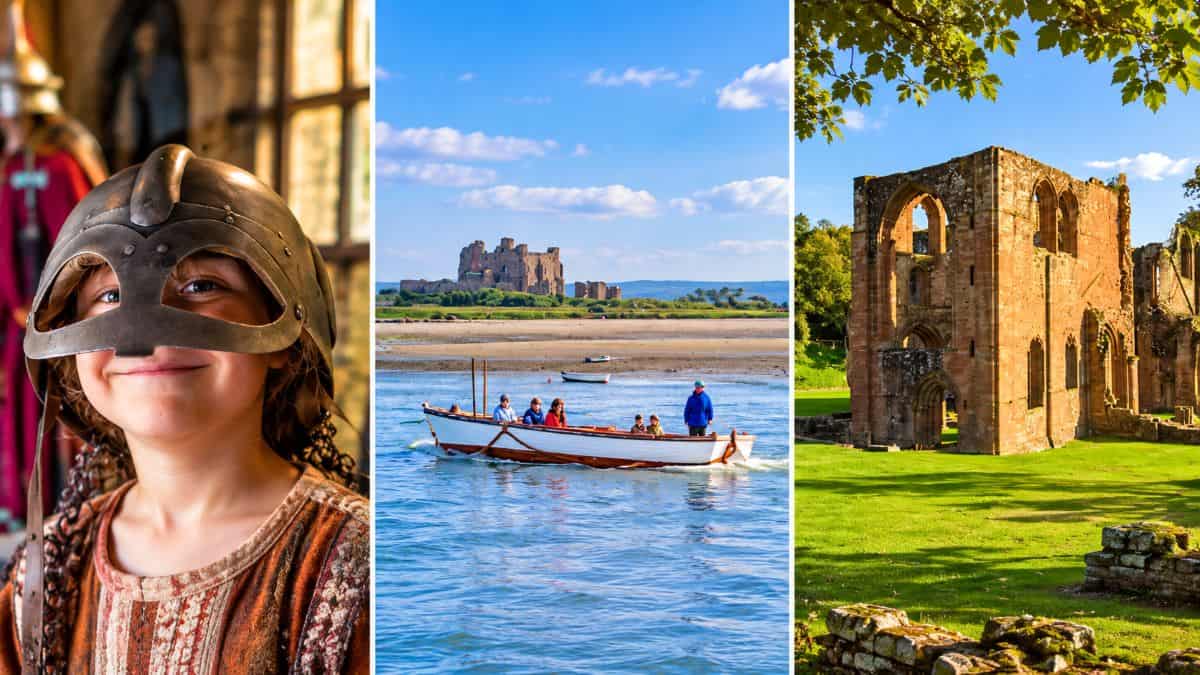
Barrow-in-Furness, a historic industrial town in Cumbria, is confronting a complicated challenge as regeneration ambitions meet longstanding concerns about deprivation, declining high-street activity and the condition of its urban centre. Once recognised for shipbuilding and steel production, the town remains strategically significant to Britain’s defence industry. Yet industrial importance has not necessarily translated into a uniformly improved experience for residents, businesses or visitors. Efforts to revitalise Barrow therefore raise wider questions about how regional investment can support community wellbeing while creating opportunities for heritage tourism and local economic development.
The town’s experience also offers a broader perspective on travel across the United Kingdom, where industrial heritage, coastal landscapes and historic communities can attract visitors but require investment in infrastructure, public spaces and services. Regeneration could help Barrow develop a stronger visitor proposition, although tourism should complement rather than replace established employment. Its longer-term prospects will depend on whether investment generates tangible benefits for local people, strengthens independent businesses and improves the environment in which residents and visitors move through the town.
Barrow’s Industrial Heritage Shapes Its Future
Barrow-in-Furness developed around heavy industry, particularly shipbuilding and steelmaking, which shaped its workforce, architecture and civic identity. Its shipyard continues to play an important role in Britain’s submarine programme, giving the town a strategic economic position that extends beyond Cumbria. This industrial foundation distinguishes Barrow from destinations whose economies depend primarily on leisure and hospitality. It also creates an opportunity to interpret the town’s working history through museums, heritage experiences and carefully developed visitor attractions. Any such strategy must respect the continuing role of industry and the everyday needs of the people who live and work there.
Why Regeneration Matters For Travel And Tourism
A successful visitor destination requires more than an attractive landscape or an interesting history. Accessible transport, welcoming public spaces, well-maintained streets, accommodation, food businesses and reliable visitor information all influence whether people choose to stay longer and spend locally. Barrow’s reported town-centre difficulties therefore matter beyond retail performance. Vacant premises and neglected public areas can weaken perceptions of a place, while improvements to buildings, pedestrian routes and cultural facilities may create opportunities for residents and visitors alike. Regeneration can support tourism, but its impact will depend on delivery, maintenance and the quality of experiences available once projects are completed.
Advertisement
Advertisement
Key Economic And Tourism Considerations
| Area | Current challenge or opportunity | Potential benefit |
|---|---|---|
| Industrial heritage | A strong shipbuilding identity | Heritage interpretation and educational visits |
| Town centre | Concerns about vacant shops and declining activity | More attractive public spaces and independent businesses |
| Coastal setting | Access to the wider Furness peninsula | Links between town visits and regional exploration |
| Local employment | The importance of major industrial employers | Opportunities for local suppliers and hospitality businesses |
| Public realm | The need for maintained, accessible streets | A more welcoming environment for residents and visitors |
| Regeneration | The challenge of converting investment into visible improvements | Long-term economic and community benefits |
Turning Investment Into Community Benefits
Regeneration programmes are most effective when their results can be seen in everyday life. For Barrow, that means examining whether investment improves public spaces, supports local enterprise and expands opportunities for people who have experienced economic hardship. New developments may create construction work and business opportunities, but the wider benefits depend on local recruitment, accessible training and procurement arrangements that allow smaller companies to participate. A stronger town centre could also provide a better setting for cafes, restaurants, accommodation providers and cultural organisations. These businesses can serve visitors while meeting the needs of residents, helping create activity throughout the year rather than during occasional tourism peaks.
Tourism Must Complement Barrow’s Industrial Economy
Barrow should not be expected to replace manufacturing with tourism. Its shipbuilding industry remains central to its economic identity, and the town’s future resilience may depend on maintaining a diverse employment base. Tourism can contribute additional income by encouraging visitors to explore local history, coastal scenery and cultural attractions, but it cannot independently resolve complex problems involving poverty, housing or public services. A balanced strategy would connect heritage interpretation with local businesses and the wider Furness area. Such an approach could distribute spending across different communities while allowing industrial employment and visitor activity to develop alongside one another.
Advertisement
Advertisement
Measuring Whether Regeneration Is Working
The success of Barrow’s regeneration should be assessed through evidence rather than announcements alone. Relevant indicators include changes in vacant commercial premises, new business openings, town-centre footfall, employment opportunities, visitor numbers and the duration of visitor stays. Resident satisfaction and perceptions of public safety also matter because a destination’s reputation is influenced by the experience of the people who live there. Transparent reporting would help distinguish completed improvements from proposed projects and demonstrate whether investment is producing lasting results. Regular assessments could also reveal which interventions need adjustment, ensuring that regeneration responds to changing economic conditions and community priorities.
Industrial Transition Versus Travel Potential
Barrow-in-Furness faces a structural challenge in converting its industrial importance into sustained tourism growth. Its accommodation and hospitality markets have historically served business travellers, contractors and workers connected with major industrial and defence projects. This demand can support mid-week occupancy, but it does not automatically generate a strong weekend leisure market. Expanding tourism would require accommodation providers, restaurants and attractions to develop experiences that appeal to visitors travelling for heritage, coastal exploration and short breaks. However, the extent of this business-travel pattern and its effect on weekend occupancy should be verified through local accommodation data rather than assumed.
Geographical accessibility presents another challenge. Barrow occupies a coastal position on the Furness peninsula and is not typically encountered as an incidental stop on many journeys through Cumbria. Visitors often need to plan their trips specifically, making the reliability and convenience of road and rail connections important to destination development. The A590 provides a key road corridor, while the Furness Line connects Barrow with the wider rail network. Improving visitor information, transport coordination and links between attractions could help reduce travel friction and encourage longer stays.
Key Barriers And Opportunities
| Factor | Current challenge | Potential tourism response |
|---|---|---|
| Corporate-focused accommodation | Business demand may be concentrated during working weeks, depending on industrial activity. | Develop attractive weekend packages and leisure-focused accommodation offers. |
| Weekend hospitality demand | Limited leisure demand could constrain investment in restaurants and visitor services. | Promote local food, cultural experiences and heritage-led itineraries. |
| Geographical isolation | Barrow is not a natural pass-through stop for many travellers. | Position the town as a planned destination within wider Cumbria itineraries. |
| Road connectivity | The A590 is an important access route, making journey reliability significant. | Provide clear travel information and coordinate destination marketing with transport conditions. |
| Rail connectivity | The Furness Line is important for visitors arriving without a car. | Improve connections between rail services, town-centre attractions and accommodation. |
| Industrial identity | The town’s economic profile may overshadow its visitor appeal. | Present shipbuilding heritage, local history and coastal experiences as complementary attractions. |
The International Linkage And Decarbonisation
International collaboration on maritime industries, offshore wind energy and decarbonisation offers Barrow-in-Furness an additional pathway to strengthen its economic profile and develop new forms of visitor interest. Its industrial identity extends beyond shipbuilding to the offshore renewable energy sector, particularly around Walney Island in the Irish Sea. The Walney Extension is a major offshore wind farm, reflecting the region’s role in the development of renewable electricity. Connections with North Sea partners, including Norway, could create opportunities for knowledge exchange, professional events and corporate visits focused on clean energy, maritime engineering and sustainable industrial development. However, these opportunities would require organised programmes, suitable facilities and cooperation between industry, public authorities and tourism organisations.
- Offshore wind energy: The wind farms off the Cumbrian coast provide a foundation for communicating the region’s contribution to renewable energy and the wider energy transition.
- International industrial cooperation: Collaboration with Norway and other offshore energy markets could encourage technical exchanges, business delegations and professional conferences centred on renewable energy and maritime innovation.
- Green-industrial tourism: Carefully developed visitor experiences could explain offshore wind technology, engineering and the transition towards lower-carbon energy systems, subject to site access, safety requirements and operator permissions.
- Corporate and educational visits: Universities, industry groups and energy-sector organisations could explore opportunities for study visits, technical workshops and professional events linked to the region’s industrial expertise
- Decarbonisation and destination development: Integrating sustainability into transport, accommodation and visitor services could help Barrow align its tourism ambitions with wider environmental objectives.
The strategic opportunity is to connect Barrow’s industrial capabilities with a broader visitor economy that includes professional travel, educational exchanges and renewable-energy events. Such development should complement conventional heritage and coastal tourism rather than be presented as an established tourism market. Its long-term value would depend on industry participation, environmental safeguards and demonstrable benefits for the local community.
Barrow-in-Furness Tourism Strategy Gains New Momentum As £200 Million Regeneration Plans Target Coastal Heritage
Barrow-in-Furness is positioning itself as a potential destination for visitors interested in industrial heritage, coastal wildlife and maritime history, as a major regeneration programme creates new possibilities for the town centre. The opportunity is not simply to attract more tourists, but to encourage longer stays, connect existing attractions and increase spending with local businesses. Barrow already offers access to Morecambe Bay, the Duddon Estuary, Victorian architecture and protected wildlife habitats. Its challenge is to translate these assets into a coherent visitor experience while retaining the industrial employment that continues to shape the local economy
Advertisement
Advertisement
The latest regeneration developments provide an important update to the tourism outlook. In October 2026, an emerging vision for the Heart of Barrow included proposals for a theatre venue, housing, retail and commercial space, improved public areas and additional cultural and leisure opportunities. These remain evolving concepts rather than a completed visitor offer. Team Barrow has committed an initial £22.9 million from the Barrow Transformation Fund to support the first phase, within a wider ten-year investment programme valued at £200 million.
New Regeneration Plans Could Reshape The Visitor Experience
The Heart of Barrow programme is significant because it addresses a weakness that tourism development alone cannot resolve: the quality and usefulness of the town centre. In March 2026, Westmorland and Furness Council approved the outline business case for the project’s first phase, covering enabling works, land assembly and temporary cultural activity while longer-term plans are developed. The council also confirmed that demolition proposals for the ageing Forum and indoor market hall had formed part of the redevelopment approach. The future cultural offer remains subject to further planning, funding and delivery decisions.
For visitors, the implications extend beyond retail. A more active centre could provide spaces for performances, food markets, exhibitions and community events, creating reasons to visit outside the summer season. However, tourism benefits will depend on the final mix of facilities, the quality of programming and the ability of local businesses to remain active throughout construction. The proposed Market Village and temporary cultural venue could help maintain activity during the transition, but their contribution should be measured through footfall, participation and spending rather than assumed in advance.
Barrow’s Tourism Transition In Numbers
The following indicators combine confirmed investment announcements, established visitor assets and recent wildlife evidence. They distinguish current data from future ambitions.
| Indicator | Latest available evidence | Tourism significance |
|---|---|---|
| Wider regeneration | £200 million investment programme over ten years | Creates a long-term framework for town-centre improvements |
| Initial Heart of Barrow funding | £22.9 million committed towards Phase One | Supports the enabling phase of the redevelopment |
| Emerging town-centre vision | Theatre venue, housing, retail, commercial space, public areas and leisure proposals | Could expand the range of reasons to visit, subject to delivery |
| South Walney grey seals | Record count of 563 seals in early 2025 | Strengthens the area’s nature-tourism appeal |
| South Walney conservation | Public access to the seal haul-out beach is prohibited | Responsible wildlife viewing must take priority over visitor proximity |
| Existing visitor attractions | Dock Museum, Furness Abbey, Barrow Park, Piel Castle and coastal nature reserves | Supports heritage, family, educational and nature-based itineraries |
| Transport access | A590 road corridor and Furness Line rail services | Important for connecting Barrow with the wider Cumbria visitor market |
Wildlife Tourism Offers A Distinctive Coastal Advantage
- Barrow’s coastline offers a potentially valuable alternative to the Lake District’s established mountain and lake experiences. South Walney Nature Reserve is particularly significant because its grey seal colony recorded 563 animals in early 2025, surpassing previous counts of 518 in 2021, 483 in 2019 and 360 in 2018. The figures demonstrate the site’s conservation importance, although seal counts alone cannot establish visitor demand or economic impact.
- Wildlife tourism must also be managed carefully. Visitors cannot access the beach where the seals haul out, and marine users are advised to maintain a distance of at least 100 metres from the colony. Viewing opportunities from designated locations, nature interpretation and educational activities offer ways to develop visitor interest without increasing disturbance. The priority should be conservation-led tourism, with any expansion assessed against habitat condition and wildlife welfare.
- Beyond South Walney, the Furness peninsula provides opportunities to connect coastal walks, birdwatching, beaches and estuary landscapes. Linking these experiences with cafes, accommodation and local transport could encourage visitors to stay longer. A practical tourism strategy would develop clear itineraries, explain seasonal access conditions and help travellers understand how to reach attractions without depending entirely on private cars.
Industrial Heritage Can Become A Visitor Asset
Barrow’s industrial history offers a second pillar for destination development. The Dock Museum interprets the area’s maritime and manufacturing past, while the town’s Victorian sandstone architecture reflects its nineteenth-century expansion. Furness Abbey adds a major medieval heritage attraction, and Piel Island combines coastal access with the ruins of Piel Castle and a distinctive local tradition.
These attractions could be presented as a connected itinerary rather than isolated stops. For example, a short break might combine the Dock Museum and historic town centre with a visit to Furness Abbey, followed by coastal exploration around Walney Island. Seasonal ferry access to Piel Island requires visitors to check local operating arrangements before travelling.
Advertisement
Advertisement
The offshore energy industry also creates scope for educational visits and professional events focused on renewable energy and maritime engineering. Such activity could complement leisure tourism, but access to operational facilities would depend on permissions, safety requirements and industry cooperation. International partnerships with offshore-energy regions, including Norway, could support technical exchanges and conferences, although these should be treated as development opportunities rather than an established tourism market.
Turning Visitor Interest Into Local Economic Benefits
- Barrow’s tourism strategy should focus on converting visits into spending that supports the local economy. Attractions can generate interest, but visitors also need suitable accommodation, food services, accessible streets and clear transport information. Improving connections between the railway station, town centre, waterfront and cultural sites would make the destination easier to navigate, particularly for visitors arriving by train.
- The town should also avoid measuring success solely through headline visitor numbers. Day visitors who spend little locally may contribute less than travellers who stay overnight, eat in independent restaurants and visit several attractions. Monitoring accommodation occupancy, average length of stay, visitor expenditure, business openings and employment would provide a more complete picture of tourism performance.
How Barrow Should Measure Tourism Success
| Priority | Proposed measure | Intended outcome |
|---|---|---|
| Town-centre vitality | Footfall, commercial vacancy and business openings | A more active centre for residents and visitors |
| Overnight tourism | Weekend occupancy and length of stay | Stronger leisure demand alongside business travel |
| Local spending | Visitor expenditure and independent-business performance | More economic value retained in the community |
| Heritage tourism | Attraction visits and participation in cultural events | Greater use of existing assets |
| Sustainable transport | Rail arrivals and walking or cycling connections | Easier access without a car |
| Nature conservation | Wildlife counts, habitat condition and disturbance incidents | Visitor growth compatible with environmental protection |
Barrow-in-Furness has a credible opportunity to strengthen its position as a coastal heritage destination within Cumbria. Its industrial identity, historic buildings, maritime collections and wildlife habitats distinguish it from more conventional Lake District destinations. The £200 million regeneration framework and the initial £22.9 million commitment to Heart of Barrow provide an important context for potential change, but the eventual tourism impact will depend on delivery, accessibility and the quality of the visitor experience.
The most sustainable approach is to make tourism complementary to industry, conservation and community needs. If regeneration creates welcoming public spaces, strengthens local businesses and connects attractions through practical travel options, Barrow could develop a more resilient visitor economy. The decisive measure will be whether these changes produce demonstrable benefits for residents as well as travellers.
Barrow’s Prospects Within The Wider UK Travel Market
Cumbria is widely associated with outdoor recreation and the Lake District, giving Barrow an opportunity to broaden the region’s visitor offer through its industrial history and coastal setting. However, attracting travellers requires clear reasons to visit, convenient connections and experiences that justify spending time in the town. Partnerships among local authorities, cultural organisations, transport providers and independent businesses could help develop itineraries linking industrial heritage with the peninsula’s wider attractions. These possibilities remain opportunities rather than guaranteed outcomes. Their viability will depend on visitor research, appropriate investment and sustained cooperation between organisations responsible for tourism, infrastructure and local economic development.
Frequently Asked Questions
1. Where Is Barrow-in-Furness Located?
Barrow-in-Furness is an industrial and coastal town in Cumbria, in north-west England, on the Furness peninsula.
Advertisement
Advertisement
2. Why Is Barrow-in-Furness Historically Important?
The town developed as a major centre for steelmaking and shipbuilding, industries that shaped its economy, workforce and built environment.
3. Why Has Barrow Faced Economic Challenges?
Industrial change, deprivation and concerns about town-centre conditions have contributed to its challenges, despite the continuing importance of its shipbuilding industry.
4. How Could Regeneration Improve Barrow?
Regeneration could improve public spaces, support businesses, encourage investment and create a more accessible and attractive town centre.
Advertisement
Advertisement
5. Can Tourism Help Barrow’s Local Economy?
Tourism could generate additional spending for hospitality businesses, shops and cultural attractions, although its contribution would complement rather than replace industrial employment.
6. What Could Attract Visitors To Barrow-in-Furness?
Industrial heritage, local history, cultural experiences and access to the wider Furness peninsula could provide reasons for visitors to explore the town.
7. Does Barrow’s Industrial Importance Guarantee Local Prosperity?
No. The economic benefits of major industries depend on how employment, investment and business opportunities are distributed throughout the community.
Advertisement
Advertisement
8. How Can Local Businesses Benefit From Regeneration?
Improved public spaces and increased town-centre activity could support independent retailers, cafes, restaurants and other service providers.
9. How Should Barrow Measure Tourism Growth?
Useful indicators include visitor numbers, overnight stays, tourism spending, business performance, employment and feedback from residents and visitors.
10. What Will Determine Barrow’s Long-Term Prospects?
Its prospects will depend on sustained investment, effective delivery, a diversified economy, improved public spaces and evidence that regeneration benefits local communities.
Advertisement
