
Air Canada Sees Record Fall Revenue as Premium Travellers Shift From Summer Heat to Europe and Japan

Published
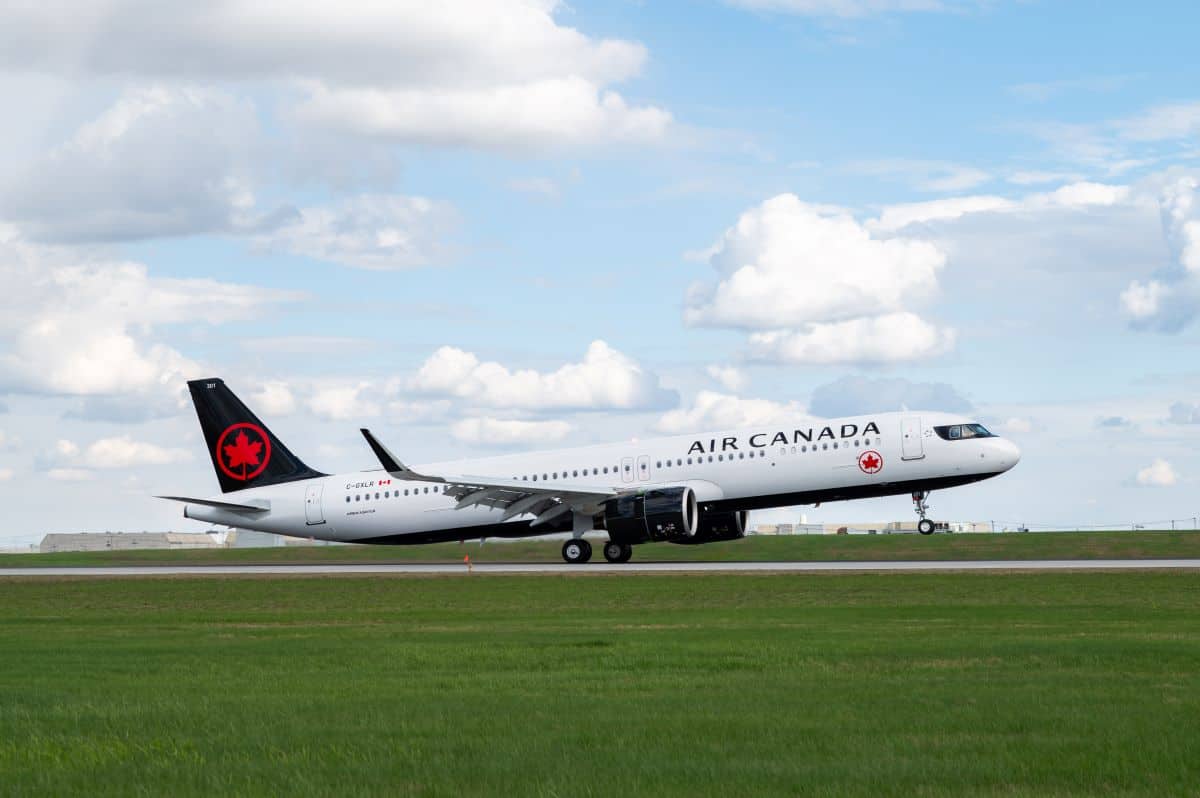
Air Canada expects its September and October 2026 revenues to reach new highs as high-end travellers move their flying during the summer holiday months to the shoulder months of autumn. Air Canada is targeting flying to Italy, Spain, France, the Mediterranean, and Japan. Air traffic to these places will be thicker during shoulder months. Rising corporate travel demand and bookings in Air Canada’s business travel class have made shoulder months at Air Canada major travel months.
This shift is a result of changes in travel behavior worldwide, where high-end travelers avoid months of July and August because of peak season temperatures and crowded destinations. Air Canada said travelers are now also expecting greater comfort. This travel avoidance behavior has been occurring over the last two to three years and is now extending into November.
Advertisement
Advertisement
Premium Travellers Drive New Autumn Travel Growth
Air Canada’s latest outlook highlights the growing influence of premium passengers on airline and tourism markets. The carrier expects its strongest-ever September and October revenue performance as demand increases among travellers purchasing business-class and higher-value products. The airline has identified strong demand for premium travel to major leisure destinations across Europe and Asia. Italy, Spain, France, the wider Mediterranean region and Japan are among the markets benefiting from the seasonal shift.
Unlike traditional summer holiday patterns, premium travellers often have greater flexibility when selecting travel dates. This has allowed them to avoid extreme summer conditions while still accessing international destinations during periods with improved weather conditions and fewer crowds. The trend is particularly important for airlines because premium cabins generate higher revenue per passenger. North American carriers have increasingly focused on premium customers, corporate accounts and loyalty programme members as key sources of financial stability.
Advertisement
Advertisement
Europe and Japan See Changing Tourism Seasons
The changing demand pattern is closely linked to climate conditions affecting popular destinations. During summer 2026, parts of Europe experienced intense heat, drought conditions and wildfires, creating additional challenges for visitors. Japan has also faced periods of extreme temperatures, with some areas recording temperatures above 40 degrees Celsius. These conditions are influencing travellers who prefer more comfortable conditions for sightseeing, cultural experiences and outdoor activities.
Advertisement
Advertisement
For destinations such as Italy, Spain, France and Japan, the growth of autumn travel provides an opportunity to strengthen tourism beyond the traditional peak season. A stronger September and October market can support hotels, attractions, restaurants, tour operators and local businesses by extending the period of high-value visitor spending. The development also reflects a broader industry movement towards shoulder-season travel, where destinations attempt to balance visitor demand throughout the year rather than relying heavily on short summer peaks.
Air Canada Expands Network to Capture Shoulder-Season Demand
Air Canada is adjusting its network strategy to match evolving traveller behaviour. The airline has already expanded services to European leisure destinations including Sicily and Mallorca, with schedules designed to capture demand beyond the traditional summer period. The carrier expects future aircraft deliveries to create additional opportunities for route expansion, particularly during spring and autumn seasons.
Air Canada is also reviewing aircraft maintenance planning to better manage seasonal demand. Traditionally, airlines use quieter periods for aircraft maintenance. However, changing passenger behaviour is encouraging carriers to consider summer maintenance schedules so more aircraft remain available during stronger autumn demand periods. This operational adjustment shows how changing tourism patterns are influencing airline capacity planning, fleet management and route development.
Advertisement
Advertisement
Corporate Travel Recovery Adds Additional Momentum
Alongside premium leisure demand, corporate travel is also supporting Air Canada’s expectations for a stronger autumn season. Business travel traditionally slows during peak summer holiday months as corporate activity decreases. However, the return of business meetings, international conferences and commercial travel is contributing to stronger September and October demand.
The combination of corporate travel recovery and premium leisure demand is reducing the traditional gap between peak and off-peak aviation periods. This trend is also being observed across other major North American airlines, with increased autumn demand reported for lucrative European routes.
Advertisement
Advertisement
Tourism Industry Faces New Opportunities Beyond Peak Summer
The rise of autumn travel creates new opportunities for tourism destinations seeking longer and more sustainable visitor seasons. European destinations that have historically depended on July and August arrivals may benefit from stronger demand during September and October. Cooler temperatures can improve visitor experiences while reducing pressure on infrastructure during the busiest months.
For Japan, autumn has long been associated with seasonal attractions, cultural experiences and natural landscapes. Increased international demand during this period could further strengthen its position as a year-round tourism destination. Travel companies, airlines and hospitality providers are increasingly adapting products around changing passenger preferences. Longer operating seasons, expanded flight schedules and targeted premium experiences are becoming important strategies for attracting higher-value travellers.
Air Canada’s Revenue Outlook Reflects Broader Aviation Transformation
Air Canada’s forecast illustrates the change in international travel preferences. Premium travelers prioritize traveling at the optimal time, instead of traveling at peak times because of demand. As the travel preferences of premium travelers have changed, an opportunity has emerged for travel destinations and businesses to increase spending by international travelers.
Air Canada’s forecasted record-breaking September and October travel has been mirrored across the industry. Traditionally peak summer travel months are being challenged by autumn travel as a major contributor to the airline industry’s revenue. For the travel sector, this shift means that the traditional peak travel months may not draw the majority of travel, and the off-travel months may be targeted for the annual international travel calendar.
Image: Air Canada
Advertisement
