

New York and Philadelphia Match Other Major US Cities as Thanksgiving Tourism Intensifies Over Parade Demand, Hotel Rates and Family Value

Published
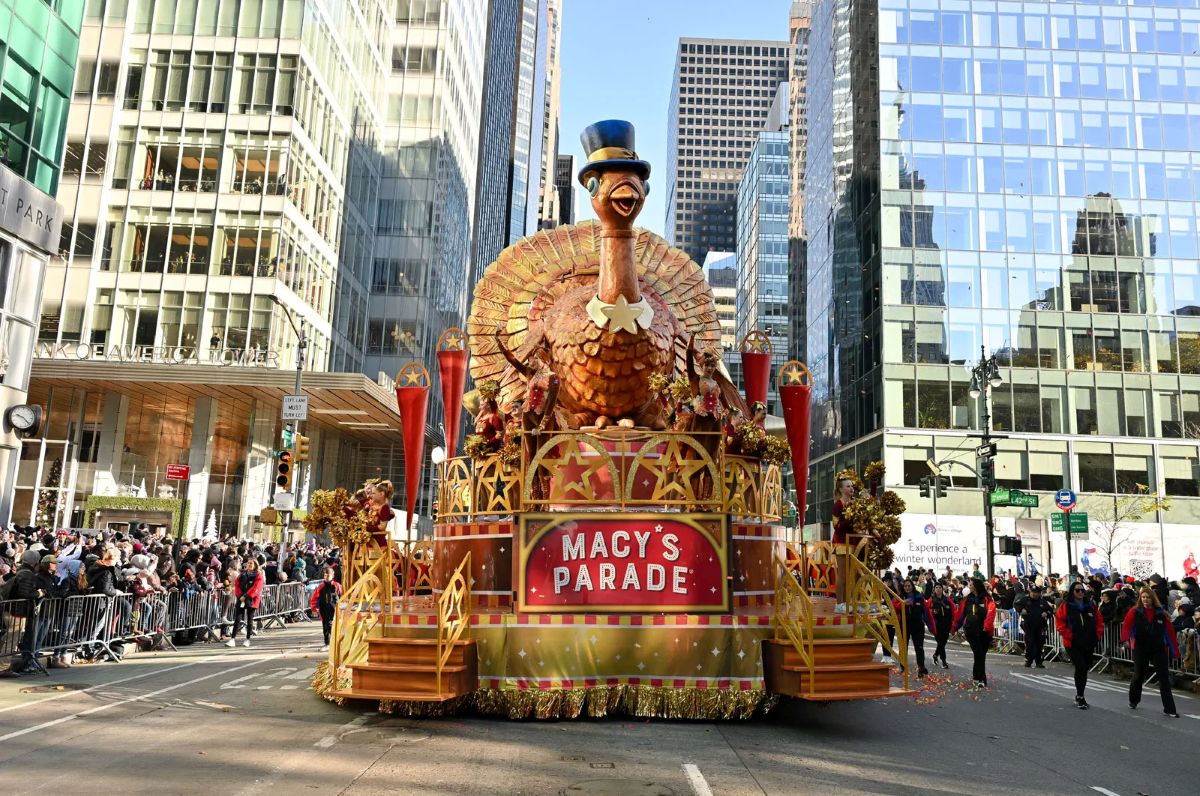
New York, Chicago and Philadelphia are preparing for a major Thanksgiving tourism contest on Thursday, 26 November 2026, when three celebrated American parades will attract families, holidaymakers and domestic visitors. New York’s 100th Macy’s Thanksgiving Day Parade gives the city an exceptional anniversary advantage, while Chicago’s 92nd parade and Philadelphia’s historic procession offer competing experiences. However, the most expensive destination may not deliver the best overall holiday, particularly when accommodation, transport, meals and attraction tickets are included. New York expects 8.1 million visitors across its five boroughs during the 2026 holiday season. The crucial question is whether families can find better-value alternatives without sacrificing festive experiences.
A Centennial Parade Raises New York’s Stakes
New York enters the Thanksgiving tourism contest with a milestone that extends beyond a single morning’s entertainment. The Macy’s Thanksgiving Day Parade will celebrate its 100th edition on 26 November, bringing giant character balloons, elaborate floats, marching bands and live performances through Manhattan. The anniversary strengthens the city’s appeal to domestic visitors and international travellers seeking an iconic American holiday experience.
Advertisement
Advertisement
The parade traditionally begins near West 77th Street and Central Park West before travelling towards Macy’s Herald Square flagship store. Macy’s reports that the annual spectacle attracts more than 3.5 million spectators in New York and 35 million television viewers. Those figures demonstrate the event’s extraordinary reach, although they should not be mistaken for a verified forecast of attendance in 2026.
New York City Tourism + Conventions expects approximately 8.1 million visitors across the five boroughs during the 2026 holiday season. This forecast covers a broader seasonal period rather than Thanksgiving weekend alone. Nevertheless, it illustrates the commercial opportunity for hotels, restaurants, retailers, museums and cultural attractions during one of the city’s busiest visitor periods.
Advertisement
Advertisement
The anniversary could influence booking decisions well beyond parade morning. Families may arrive earlier to explore museums, see Broadway productions or visit seasonal attractions before the holiday. Consequently, accommodation demand could reflect the combined appeal of the parade and the wider festive programme, rather than the procession alone.
Chicago’s Free Parade Strengthens Its Value Proposition
Chicago offers a different proposition for families who want a large-scale parade without paying for general admission. Its 92nd Thanksgiving Parade will take place on State Street on 26 November, travelling from Ida B. Wells Drive towards Randolph Street. The official visitor guide lists a morning programme featuring marching bands, cultural performances, floats, equestrian groups and giant helium balloons.
Advertisement
Advertisement
The event began during the Great Depression, when organisers sought to lift public spirits through a shared civic celebration. Today, its free public viewing creates an immediate advantage for budget-conscious visitors, although optional VIP seating carries additional costs. Families should arrive early for favourable viewing positions and check the latest route information before travelling.
Chicago’s wider hotel market also shows substantial tourism momentum. Choose Chicago reported 11.9 million hotel room nights in 2025, representing a 2.3% annual increase. Leisure demand reached a record 8.21 million room nights, up 4.6%, while overall hotel occupancy averaged 69.2%.
Advertisement
Advertisement
The same report recorded an average daily room rate of $243.10, up 0.6% from 2024. Hotel revenue reached $2.89 billion, increasing 2.9%, while revenue per available room rose to $168.15. These figures suggest a resilient leisure market, but they do not establish the price of a Thanksgiving booking.
That distinction matters when families compare destinations. Chicago’s annual hotel average is a useful benchmark, not a quotation for 25–28 November. The final price will depend on room availability, location, cancellation terms and the number of guests sharing accommodation.
Philadelphia Pairs Parade History With Seasonal Attractions
Philadelphia brings a strong historical identity to the competition, alongside a broader programme of festive activities. Its 6abc Dunkin’ Thanksgiving Day Parade is promoted as the country’s oldest Thanksgiving parade, with the tradition dating to 1920. The city’s official November calendar also features seasonal markets, illuminated attractions and family entertainment.
One major advantage is the timing of Christmas Village in Philadelphia, scheduled from 21 November to 27 December 2026. The open-air market at LOVE Park and City Hall brings together more than 100 vendors, seasonal food and gifts, while nearby attractions include a Ferris wheel and carousel. The market offers families another reason to stay beyond Thanksgiving morning.
Advertisement
Advertisement
The Made in Philadelphia Holiday Market is scheduled to run from 13 November 2026 to 1 January 2027, with free admission. Families can therefore combine parade viewing with browsing local crafts and seasonal food without paying an entry charge for the market itself. Individual purchases, rides and other attractions may still increase the daily budget.
Philadelphia also has an established tourism research programme covering visitation, accommodation and the wider economic impact of travel. Its official research directory lists a 2025 hotel-performance report, providing an important source for comparing room rates, occupancy and market trends with New York and Chicago. However, annual performance data must not be presented as a Thanksgiving-specific forecast.
For families, Philadelphia’s strongest proposition may be the ability to assemble a varied holiday itinerary around a relatively concentrated central area. Visitors can explore historic sites, markets, museums and seasonal displays during the same stay. Whether that translates into the lowest overall bill still depends on accommodation quotations and each family’s choice of activities.
Hotel Economics Reveal Three Different Markets
The hotel figures illustrate why travellers should avoid ranking destinations using a single statistic. New York’s average daily rate reached $334 in 2025, while Chicago recorded $243.10. Philadelphia’s official research directory publishes comparable annual performance material, but a verified figure from that report is required before making a three-city numerical ranking.
| Hotel indicator | New York City | Chicago |
|---|---|---|
| 2025 average daily rate | $334.00 | $243.10 |
| 2025 average occupancy | 84.2% | 69.2% |
| 2025 room nights sold | 38.1 million | 11.90 million |
| Annual hotel revenue | Not shown in the cited summary | $2.89 billion |
New York’s occupancy rate exceeded Chicago’s by 15 percentage points in 2025. Its average daily rate was also approximately 37% higher, based on the two reported figures. This difference indicates a higher general accommodation price level in New York, but it does not prove that every New York hotel costs more than every Chicago property.
The supply picture adds another layer. New York reported approximately 124,000 hotel rooms across its five boroughs in 2025, with inventory increasing 2% year on year. The city also reported 24 hotel projects in active development through 2028, representing 5,778 additional rooms. More capacity can improve choice over time, although its effect on holiday pricing depends on demand and where new rooms open.
Advertisement
Advertisement
For industry analysts, the critical variable is not simply the number of visitors. It is the relationship between room demand, available inventory, booking lead times and the share of visitors requiring overnight accommodation. A major event can stimulate spending across hotels and restaurants, but its precise effect on rates requires date-specific evidence.
The Full Family Bill Matters More Than Room Rates
A meaningful comparison must calculate the entire cost of a family getaway rather than focus on accommodation alone. For this analysis, a consistent benchmark would be two adults and two children staying three nights, from 25 to 28 November 2026. The calculation should include a comparable hotel room, local transport, meals, event access and selected family attractions.
The following table establishes the spending categories that should guide the final booking decision. These are research requirements, not quoted trip prices; publishing an unsupported total would mislead readers.
| Cost component | New York | Chicago | Philadelphia |
|---|---|---|---|
| Parade admission | General public viewing | General public viewing | Confirm official viewing arrangements |
| Hotel | Three-night quotation | Three-night quotation | Three-night quotation |
| Local transport | Subway, bus and airport transfer | CTA services and airport transfer | SEPTA services and airport transfer |
| Seasonal attractions | Museums, performances and holiday displays | Museums, cultural attractions and holiday displays | Markets, museums and seasonal displays |
| Meals | Comparable daily family allowance | Comparable daily family allowance | Comparable daily family allowance |
| Final comparison | Total for four people | Total for four people | Total for four people |
This framework should use identical dates, guest numbers and room standards. It should also include mandatory taxes and fees, distinguish refundable from non-refundable rates, and account for breakfast where one property includes it. Families should compare the final payable amount rather than headline prices that omit important charges.
For Thanksgiving travel costs, the most revealing calculation is the difference between staying near the parade and choosing a less expensive property farther away. A hotel outside the central area may offer substantial savings, but additional transport expenses and longer journeys could erode that advantage. The best-value option is the one that balances accommodation, access and time.
A second calculation should examine whether extending the trip by one night provides worthwhile additional experiences. If a family has already paid for travel, a fourth night might unlock more attractions without requiring another journey. However, the extra room charge, meals and transport must remain below the value the family places on those additional experiences.
Advertisement
Advertisement
Public Transport Can Change the Final Ranking
New York’s extensive subway network can help visitors reach Manhattan attractions without relying on taxis. From 4 January 2026, the standard subway and local bus fare increased to $3 per journey, while the weekly fare cap rose to $35 under the Metropolitan Transportation Authority’s revised fare structure. Visitors should check current eligibility and fare-capping rules before travelling.
Chicago’s CTA network connects major downtown destinations with both airports. Its 2026 budget proposed standard bus fares of $2.50 and rail fares of $2.75 from 1 February, alongside changes to passes and other ticket products. Travellers should verify the final applicable fare and any pass restrictions through the official operator before budgeting.
Philadelphia’s SEPTA system provides bus, subway, trolley and regional rail services. Regional Rail fares vary by zone, payment method and journey, while weekend fares apply on Thanksgiving and other designated holidays. A family travelling from Philadelphia International Airport should therefore calculate the actual airport-to-hotel fare rather than assume the cost matches a central-city journey.
| Transport consideration | New York | Chicago | Philadelphia |
|---|---|---|---|
| Key central transport | Subway and local buses | CTA trains and buses | SEPTA subway, buses and trolleys |
| Main planning issue | Parade-area access and street closures | State Street diversions and bus changes | Rail-zone fares and parade access |
| Budgeting priority | Multiple journeys and airport transfer | Airport connections and downtown travel | Airport fare and weekend pricing |
Transport access is particularly important for families with young children or mobility needs. A slightly more expensive hotel within walking distance may be worthwhile if it reduces transfers and makes returning for rest easier. Conversely, a well-connected hotel farther away can deliver savings when its transport links remain practical during parade closures.
Overnight Stays Extend the Tourism Dividend
The economic value of a parade depends partly on whether visitors remain in the city after the event. Overnight guests can generate additional spending through accommodation, restaurants, retail, museums and entertainment. Nevertheless, an event’s spectator count does not reveal how many people travelled from elsewhere or how many nights they booked.
New York’s 2025 tourism report provides useful context. The city welcomed 65 million visitors, generating $55.6 billion in direct visitor spending and $84.7 billion in total economic impact. Tourism also supported approximately 397,000 jobs and generated $7.5 billion in tax revenue. These annual figures demonstrate tourism’s wider economic importance, but they cannot be attributed to the Thanksgiving parade alone.
Advertisement
Advertisement
Chicago’s 2025 hotel performance offers another perspective. Its leisure segment generated a record 8.21 million room nights, illustrating the importance of non-business visitors to the accommodation market. The city’s wider tourism economy therefore provides a strong foundation for holiday travel, even though the available annual statistics do not isolate parade-related stays.
For all three destinations, a stronger assessment would compare hotel occupancy and average daily rates across Thanksgiving week with equivalent dates in November. It would also examine visitor surveys, average length of stay and hotel booking patterns. Without those specific observations, claims that one parade generates more overnight stays than another would remain unproven.
Practical Booking Advice for Families
Families planning a 2026 trip should compare refundable hotel options before committing to a fixed itinerary. They should also check the official parade route, viewing guidance, transport diversions and seasonal attraction schedules shortly before departure. Event arrangements and transport operations can change, so previously published details should not replace final checks.
The anniversary year gives New York a particularly compelling reason to attract visitors. However, families who prioritise free public entertainment may find Chicago attractive, while Philadelphia offers several seasonal activities around the same period. The most appropriate destination will depend on whether the family values the spectacle itself, the wider holiday programme or the lowest total expenditure.
Travellers should also compare arrival and departure times. A cheaper flight that arrives after the parade begins may undermine the purpose of the trip, while a late departure could allow another day of sightseeing. These scheduling decisions can influence the practical value of a holiday as much as the room rate.
Which City Offers the Best Value?
The evidence points towards three distinct strengths rather than one universal winner. New York combines a landmark centennial with extensive cultural attractions, but its 2025 hotel averages indicate a relatively expensive accommodation market. Chicago offers a free parade and strong leisure demand, while Philadelphia combines parade heritage with seasonal markets and other family attractions.
Advertisement
Advertisement
A definitive affordability ranking requires matched Thanksgiving 2026 hotel quotations and a completed transport-and-attractions budget. The annual statistics provide useful context, but they cannot substitute for that calculation. Families should compare the full cost of three nights, including taxes, meals, local journeys and paid activities, before choosing a destination. The centennial makes New York especially newsworthy, yet Chicago and Philadelphia remain compelling alternatives for different travel priorities. Ultimately, the strongest holiday is not necessarily the cheapest room or the largest parade, but the experience that delivers the greatest value for the family’s budget.
Advertisement
