

Orlando, Los Angeles and Philadelphia Keep Pace With Leading Halloween Destinations as Theme Parks and Historic Haunts Battle for Visitors

Published
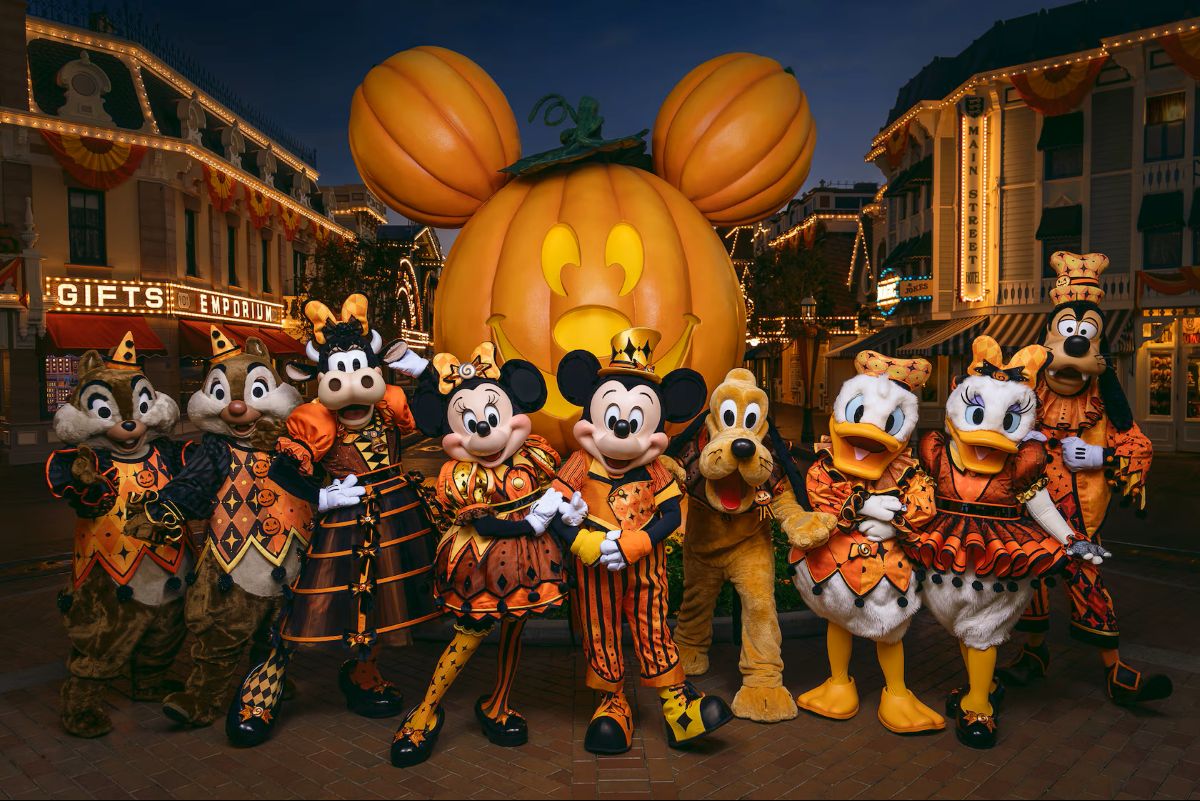
Florida, California and Pennsylvania are presenting three distinct versions of America’s Halloween tourism economy in 2026, with extended event calendars, immersive attractions and competing visitor experiences. Orlando’s Halloween Horror Nights runs for 49 select nights from 28 August to 1 November, featuring 10 haunted houses. Southern California’s Universal Studios Halloween Horror Nights operates from 3 September to 1 November, with eight haunted houses and the Terror Tram. Meanwhile, Philadelphia’s Halloween Nights at Eastern State Penitentiary runs on select nights through 7 November, combining five haunted houses with historic tours.
The competition extends beyond ticket sales. Travellers must weigh accommodation costs, transport, attraction access and the number of nights needed to experience each destination. California recorded $158.9 billion in visitor spending in 2025, while Pennsylvania generated $49.9 billion in visitor spending during 2024. However, neither figure isolates Halloween revenue, making a definitive statewide economic ranking premature.
Orlando Extends the Season for Theme-Park Enthusiasts
Orlando has a compelling advantage for travellers seeking a holiday built around major attractions. Universal Orlando’s Halloween Horror Nights celebrates its 35th year in 2026, offering 10 haunted houses, scare zones, live entertainment and themed food across 49 select operating nights. The season began on 28 August and continues through 1 November, giving visitors several opportunities to plan around school holidays and autumn travel schedules.
The event is separately ticketed, so visitors should budget for admission rather than assume their regular theme-park ticket includes evening access. Universal also warns that the experience may be too intense for children under 13. Families seeking gentler entertainment should therefore compare the horror event with Orlando’s dedicated family Halloween programmes before booking.
Advertisement
Advertisement
Disney’s Mickey’s Not-So-Scary Halloween Party provides a contrasting proposition. The event runs on selected nights from 7 August to 31 October, with admission priced between $119 and $229 per ticket, plus tax. Visitors can enter Magic Kingdom from 4pm, although the party itself runs from 7pm until midnight. Disney’s official website reports that all 2026 dates have sold out, underlining strong demand for this particular experience.
The two events serve different audiences despite sharing the same destination. Universal concentrates on elaborate scares and horror franchises, while Disney offers parades, character encounters, trick-or-treating and family entertainment. Travellers should compare the cost of admission, transport and accommodation before choosing either experience, particularly when planning a multi-night stay.
Advertisement
Advertisement
Hollywood and Buena Park Build a Multi-Attraction Horror Holiday
Southern California offers a different commercial model, bringing several major Halloween attractions within a broader Los Angeles and Orange County itinerary. Universal Studios Hollywood’s Halloween Horror Nights operates on selected dates from 3 September to 1 November 2026. Its programme includes eight haunted houses, scare zones and the Terror Tram, creating a concentrated evening experience for visitors seeking cinematic horror.
Knott’s Scary Farm in Buena Park adds another major attraction to the regional mix. Its official ticket page lists single-night admission from $69, with taxes potentially applying. Visitors can also consider an all-inclusive bundle from $229, which combines event admission, general parking, a meal and Fright & Fast Lane access. These prices are starting points rather than guaranteed rates for every date.
This regional concentration creates an opportunity for visitors to experience different horror productions during one trip. However, the financial advantage depends on how efficiently travellers move between attractions and where they stay. Los Angeles traffic, parking charges and late-night transport can increase costs, while accommodation near one attraction may not suit an itinerary covering several locations.
Universal Studios Hollywood also sells multi-night passes and premium experiences, including Express access and R.I.P. Tours. These options may appeal to enthusiasts planning several visits, but the value depends on the number of nights used and the time saved. Travellers should compare the full cost of admission and upgrades rather than focus on the headline ticket price alone.
Pennsylvania Puts History at the Heart of Halloween
Pennsylvania’s strongest distinction lies in its combination of historic settings, ghost stories, seasonal festivals and traditional haunted attractions. Philadelphia’s Halloween Nights at Eastern State Penitentiary returns for its 35th season in 2026, operating on selected nights from 2 October through 7 November. Its programme includes five haunted houses, historic tours, museum experiences, live performances and themed food and drink across an 11-acre historic site.
The event offers a different atmosphere from a conventional theme park. Visitors can combine Halloween entertainment with Philadelphia’s historic districts, museums, restaurants and cultural attractions, potentially creating a more varied city break. The extended schedule also allows some travellers to visit after 31 October, although individual operating nights and ticket availability must be checked before departure.
Advertisement
Advertisement
Pennsylvania’s appeal extends beyond Philadelphia. Rural autumn attractions, farms, hayrides, seasonal markets and regional ghost tours provide alternatives for visitors who prefer a slower itinerary. Nevertheless, the state should not automatically be labelled the cheapest option. Rural activities may require a hire car, while hotel prices in popular areas can rise during major events.
For travellers seeking a heritage-led Halloween holiday, Pennsylvania offers a distinctive combination of history and seasonal entertainment. Its strongest selling point is variety rather than a proven lead in attendance or tourism revenue. A fair comparison must still examine admission prices, hotel rates and transport costs for specific destinations and dates.
Three Tourism Economies Tell Different Stories
The wider visitor economy helps explain why Halloween matters to destinations, but statewide tourism figures cannot establish the size of the Halloween market. California’s 2025 travel spending reached $158.9 billion, an increase of 1.7% over 2024. The sector supported approximately 1.17 million jobs and generated $13.6 billion in state and local tax revenue. These figures illustrate the breadth of California’s tourism industry, not the amount attributable to haunted attractions.
Pennsylvania’s 2024 tourism report recorded 201.6 million visitors and $49.9 billion in visitor spending. The industry generated $83.9 billion in total economic impact, supported 514,261 jobs and contributed $5 billion in state and local taxes. Visitor spending rose 4.2% year on year, highlighting the importance of travel to businesses across the Commonwealth.
These figures use different reporting years and measures, so they cannot support a direct ranking against one another. A state’s total tourism expenditure includes business travel, summer holidays, sporting events, visiting friends and relatives, and numerous other activities unrelated to Halloween.
Florida’s comparison requires the same discipline. Orlando’s major theme parks create a substantial Halloween proposition, but event attendance, ticket revenue and incremental visitor expenditure must be separated from annual statewide tourism totals. Without comparable Halloween-specific figures, declaring Florida the largest Halloween tourism economy would go beyond the available evidence.
Advertisement
Advertisement
Ticket Prices Reveal the Cost of Halloween Thrills
Admission prices provide the clearest starting point for a practical comparison, although they do not represent the complete holiday budget. The following table uses published 2026 prices where available, distinguishing starting rates from date-dependent prices and separately ticketed experiences.
| Attraction | 2026 operating period | Published admission information |
|---|---|---|
| Universal Orlando Halloween Horror Nights | 28 August–1 November, select nights | Separately ticketed; 10 haunted houses |
| Disney’s Mickey’s Not-So-Scary Halloween Party | 7 August–31 October, select nights | $119–$229, plus tax; all dates reported sold out |
| Universal Studios Hollywood Halloween Horror Nights | 3 September–1 November, select nights | Separately ticketed; eight haunted houses |
| Knott’s Scary Farm, Buena Park | Check official calendar for selected dates | Single-night tickets from $69, plus applicable taxes |
| Halloween Nights, Eastern State Penitentiary | 2 October–7 November, select nights | Ticket prices depend on the selected date and product |
The table highlights why admission alone cannot determine the winner. A family of four purchasing Disney’s party tickets would pay $476–$916 before tax at the published per-person rates, assuming four guests pay the same price. That calculation excludes accommodation, transport, meals and any additional daytime park admission.
Similarly, two adults attending Knott’s Scary Farm at the published starting rate would pay at least $138 before applicable taxes. The all-inclusive bundle begins at $458 for two, before any additional costs, but includes parking, a meal and priority access. The comparison shows how optional extras can materially change the cost of a horror-focused evening.
Hotel Demand Could Change the Final Ranking
Accommodation is essential to any credible comparison of Halloween destinations. A low admission price may offer little value if visitors must pay premium room rates, travel long distances between attractions or remain an extra night to complete their itinerary.
The decisive indicators are hotel occupancy, average daily rate and revenue per available room. These measures reveal different aspects of demand: occupancy tracks the proportion of available rooms sold, average daily rate measures the price of rooms sold, and revenue per available room combines room pricing with occupancy.
A robust investigation should compare September and October 2026 with the same months in 2025, using matched geographic areas around Orlando, Universal Studios Hollywood and Buena Park, and Philadelphia. Event-night rates should also be compared with ordinary weekdays and weekends to determine whether major attractions coincide with unusually strong accommodation demand.
Advertisement
Advertisement
However, no comparable set of verified October 2026 hotel figures is established by the event and tourism data cited here. Consequently, it would be misleading to assign an occupancy percentage, hotel-price premium or room-revenue ranking to any of the three destinations.
The same caution applies to average length of stay and visitor spending. Statewide visitor expenditure does not show how much Halloween guests spend, while attraction attendance does not establish how many visitors stay overnight. The strongest future analysis would combine destination-level hotel data with visitor surveys and event-specific spending research.
A Fairer Way to Measure Visitor Spending
The economic comparison should distinguish direct revenue from broader economic impact. Ticket sales, hotel expenditure, restaurant spending and transport purchases represent different components of visitor expenditure, while economic-impact estimates may also include indirect and induced activity.
| Measure | What it establishes | What it cannot establish alone |
|---|---|---|
| Attraction attendance | Event popularity | Total destination spending |
| Ticket revenue | Direct admission income | Hotel and restaurant expenditure |
| Hotel occupancy and room rates | Accommodation demand and pricing | Halloween-specific visitor numbers |
| Visitor spending | Expenditure within a defined area and period | Halloween’s share without further analysis |
| Economic impact | Wider economic contribution under a stated methodology | Comparable Halloween revenue across states |
| Airline searches | Travel interest and possible booking intent | Confirmed passengers or completed trips |
Airline searches could provide another useful signal, especially for Orlando, Los Angeles and Philadelphia during October. However, search volumes should be paired with available air capacity, fares and confirmed booking data where accessible. A rise in searches alone cannot demonstrate that Halloween events generated additional flights or overnight stays.
The analysis should also distinguish domestic visitors from international travellers. Domestic families may drive to regional attractions, while overseas visitors may combine Halloween events with longer American holidays. Their accommodation choices, spending patterns and average stays can differ substantially.
Which Destination Suits Each Traveller?
The most useful verdict depends on the traveller rather than a single statewide ranking. Orlando is a strong choice for visitors who want major theme parks, multiple entertainment options and a family-friendly Halloween alternative. Disney’s sold-out 2026 party dates also demonstrate the importance of booking early for popular experiences, although they do not establish Orlando’s overall attendance lead.
Advertisement
Advertisement
Southern California is particularly attractive to horror enthusiasts who want to combine several major haunted attractions. Universal Studios Hollywood and Knott’s Scary Farm offer different experiences, but visitors should calculate transport time and premium-access costs before planning consecutive evenings.
Pennsylvania suits travellers who prefer historic settings, ghost stories and seasonal activities alongside conventional haunted attractions. Philadelphia offers an opportunity to combine Halloween Nights with museums, historic neighbourhoods and dining, while rural excursions can add a different autumn dimension. Its value depends on accommodation location and the transport needed to reach outlying attractions.
The table summarises the editorial assessment without claiming an unsupported economic winner.
| Traveller priority | Strongest starting choice | Main consideration |
|---|---|---|
| Families seeking themed entertainment | Orlando | Separate-ticket costs and age suitability |
| Dedicated horror enthusiasts | Southern California | Multiple admissions, upgrades and transport |
| History and ghost-tour enthusiasts | Pennsylvania | Regional distances and event schedules |
| Visitors seeking a longer event season | Orlando or Pennsylvania | Operating nights and selected-date availability |
| Travellers seeking the lowest total cost | No verified overall winner | Compare live transport, accommodation and admission prices |
Practical Booking Advice for October Travellers
October visitors should check event calendars before confirming flights and hotels. Many attractions operate only on selected nights, while Halloween itself can attract concentrated demand and limited ticket availability. Travellers should confirm admission conditions, cancellation policies, age recommendations and any restrictions on costumes before purchasing tickets.
For Orlando, families should compare dedicated Halloween parties with daytime park visits and avoid assuming that one ticket covers every experience. Horror enthusiasts should examine Southern California’s multi-night options and calculate whether priority access offers sufficient value for their itinerary. In Philadelphia, visitors should verify the dates for Halloween Nights and allow enough time for other historic attractions.
Accommodation location deserves equal attention. A hotel close to one attraction may prove inconvenient when the itinerary includes several venues, while a cheaper room farther away could generate additional parking or rideshare costs. Travellers should also budget for meals, taxes and late-night transport rather than relying solely on advertised entry prices.
Advertisement
Advertisement
International visitors should check current US entry requirements and airline baggage rules independently of attraction booking. Anyone planning around Halloween should also verify weather forecasts and local transport arrangements closer to departure.
What the Evidence Says About Halloween’s Future
Halloween has become a multi-format travel proposition, combining theme-park entertainment, horror productions, historic attractions and seasonal activities. The 2026 calendars show that visitors can plan experiences from early August into November, but operating dates alone do not measure the financial contribution of those events.
California’s visitor-spending figures and Pennsylvania’s tourism statistics demonstrate the scale of the wider travel industries supporting these experiences. Nevertheless, the available evidence does not establish which state generates the most Halloween-specific revenue, attracts the most Halloween visitors or delivers the lowest average holiday cost. Those conclusions require comparable event attendance, hotel performance and visitor expenditure data.
For readers planning a trip, the practical winner is the destination that best matches their preferred experience and budget. Orlando offers a compelling theme-park holiday, Southern California suits multi-attraction horror trips, and Pennsylvania provides a distinctive heritage-led alternative. A reliable economic ranking must wait for comparable evidence rather than promotional claims.
Advertisement
