
Kenya and Tanzania are Great Places to Blend Coffee Tourism With Safaris and See More on Your Next Trip

Published
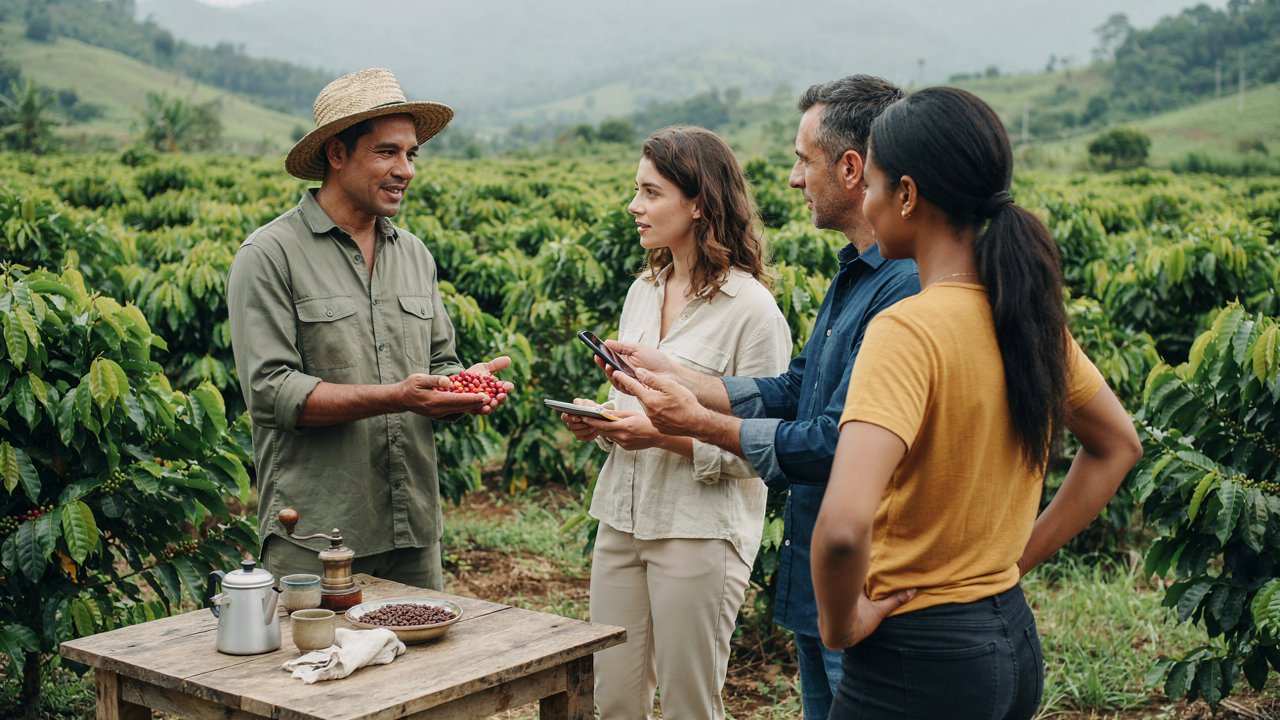
Kenya and Tanzania offer travellers ways to combine Coffee Tourism With Safaris, with official listings confirming farm visits and cultural activities. Information checked on 23 October 2026 identifies experiences in Kiambu and Arusha, alongside documented coffee visits in the Kilimanjaro region. National tourism authorities promote these activities as destination experiences. Travellers can consider them when planning wildlife or mountain holidays, subject to individual booking arrangements. The evidence concerns established attractions, rather than a new regional programme, a proven booking surge or a coffee-related immigration change.
Coffee Tourism: What the Verified Evidence Establishes
The central story concerns practical opportunities to connect farming and local culture with wider holidays. The table separates that confirmed offer from national economic context and routine travel preparation. Its percentages represent an editorial assessment of the story’s focus, not official tourism statistics, visitor shares or measured economic contributions. They total 100%. Greater weight goes to the experiences themselves because these have the clearest connection to the article’s subject. Entry requirements receive a smaller share because no related border-policy change has been identified.
Advertisement
Advertisement
| News Component | Share of Story | Officially Verified Finding | Relevance to Travellers | Official Source Link |
|---|---|---|---|---|
| Farm experiences | 35% | A promoted Kiambu farm experience includes a tour and coffee-making class. | Provides an activity to investigate around Nairobi. | Official farm listing |
| Cultural and safari connections | 30% | Official Arusha destination coverage includes coffee tours among cultural attractions. | Supports planning an additional cultural stop. | Official destination information |
| National tourism context | 20% | Tanzania recorded 2,294,495 international tourist arrivals in 2025. | Shows market scale, without measuring demand for farm visits. | Official visitor survey |
| Entry preparation | 10% | Tanzania visa applicants need six months’ passport validity and an unused visa page. | Requires checks against nationality and itinerary. | Official visa guidance |
| Confirmed industry activity | 5% | A tourism trade exhibition is scheduled in Dar es Salaam for 23–25 October 2026. | Provides industry context, not a guaranteed coffee-package launch. | Official event schedule |
The evidence establishes that Coffee Tourism is a real destination offer within specific locations. It does not establish nationwide availability or measured growth attributable to coffee experiences. For travellers, the immediate benefit is a wider choice of activities to investigate. For tourism businesses, the possible benefit involves selling or supplying an additional service. Neither conclusion justifies claims that bookings, hotel occupancy or community earnings have already increased because of these visits.
Understanding the Context Behind the Development
Farming Heritage and Earlier Travel Plans
Official historical records place Kenya’s first coffee planting at Bura in 1893, followed by Kibwezi in 1900 and Kikuyu in 1904. These dates provide agricultural background, rather than the launch dates of visitor experiences. More directly relevant, a June 2025 government announcement described a planned Kilimanjaro expedition incorporating Tarangire, Materuni Waterfalls and coffee plantations. It documented one itinerary, not a permanent public package. By the current verification date, official destination listings also described farm learning in Kiambu and coffee tours around Arusha.
Advertisement
Advertisement
Existing Attractions Explain the Travel Connection
No official evidence reviewed identifies a single new decision that created this combination. The strongest explanation is the availability of established agricultural and cultural activities near places used for wider holidays. In tourism terms, agritourism means visiting farms to learn about agriculture. That can complement wildlife viewing without requiring a newly created regional programme. The connection is supported by listings and documented itineraries, while claims about rising demand remain unproven. Differences between Kenya’s and Tanzania’s entry systems also mean a combined holiday needs separate administrative checks.
Coffee Tourism With Safaris: Growth Figures Need Careful Reading
Tanzania’s official 2025 survey recorded international arrivals rising from 2,141,895 in 2024 to 2,294,495, an increase of approximately 7.1%. Tourism earnings increased from US$3,903.1 million to US$4,410.6 million, or approximately 13.0%. Average spending rose from US$243 to US$289 per person per night. That represents approximately 18.9%, calculated from the published amounts. All three comparisons cover Tanzania nationally and the same annual periods. They are not figures for coffee farms, northern safari routes or a particular accommodation category.
Advertisement
Advertisement
These results establish growth in the wider market, but they cannot identify the contribution of individual experiences. A national spending average is neither a farm-tour price nor a recommended travel budget. Commercially, an additional excursion could bring payments to guides, growers, transport providers or cafés. However, visitors might replace another activity rather than extend their holiday. Evidence of extra hotel nights or local income would require separate booking and payment data. The distinction matters when evaluating investment proposals or claims of community benefit. The overall survey cannot show whether visitors chose a destination primarily for coffee or encountered it during an unrelated trip.
What Travellers Should Check Before Booking
Travellers planning Coffee Tourism With Safaris should confirm both the activity and the documents needed for their itinerary. Kenya requires an electronic travel authorisation, or eTA, from travellers who are not exempt. This allows travel but does not guarantee admission at the border. Tanzania’s visa requirements depend on nationality and category. There is no verified coffee-related reason to change an existing holiday, but booking a farm visit does not remove normal immigration requirements. The following checks address the practical issues identified in official guidance.
Advertisement
Advertisement
- Kenya documents: Prepare a passport with six months’ validity and one blank page, a photograph, itinerary and accommodation confirmation.
- Kenya timing: Apply at least two weeks before travel, as officially recommended; the standard eTA is listed at US$30.
- Tanzania documents: Check nationality-based eligibility and provide the required passport validity, unused visa page and return ticket.
- Tanzania fees: The ordinary visa costs US$50 where applicable; US tourists require the US$100 multiple-entry category.
For the farm visit, request written confirmation of transport, duration, included activities and cancellation conditions. A tasting, plantation walk and brewing class describe different services. Confirm walking surfaces and access arrangements before booking, particularly where mobility requirements affect participation. Official listings do not establish common accessibility standards or guaranteed accommodation availability. Travellers should continue checking applicable official entry guidance while confirming individual bookings. The evidence reviewed does not support a blanket recommendation to cancel, delay or substantially change travel plans.
Confirmed Next Steps and the Limits of Growth Claims
The tourism trade exhibition scheduled in Dar es Salaam for 23–25 October 2026 includes destination promotion, business networking and cultural exchange. Its published programme establishes an industry meeting, rather than a dedicated coffee initiative. Any package, partnership or accommodation development arising from that activity would need separate confirmation before travellers could rely on it. No coffee-specific expansion deadline or related immigration reform was identified in the reviewed announcements.
For businesses, the analytical opportunity lies in clear, reliably delivered experiences linked to existing holiday plans. The unresolved questions concern participation, profitability and payments reaching communities. A rural setting alone does not prove environmental benefits or fair income distribution. Future reporting should test those claims against measured results. Until such evidence becomes available, the most defensible direction is continued promotion of established activities, with any wider commercial outcome remaining uncertain.
Coffee Tourism Offers Choice, While Growth Remains Unmeasured
Kenya and Tanzania provide confirmed opportunities to connect coffee farms, local culture and wider holidays. Official listings establish available experiences, while national statistics describe a broader tourism market. They do not demonstrate a separate coffee-driven increase in bookings, earnings or overnight stays. For travellers considering Coffee Tourism With Safaris, the immediate task is to confirm the chosen activity and each country’s entry requirements. For businesses, credible development depends on reliable services and evidence of local benefits. No dedicated expansion timetable has been confirmed. Travellers should follow official updates and judge future announcements against clear dates, practical details and measurable results.
Advertisement
