

Saudi Arabia Flight Changes Leave Asian Workers Pilgrims and Families Unsure What Comes Next

Updated
Published
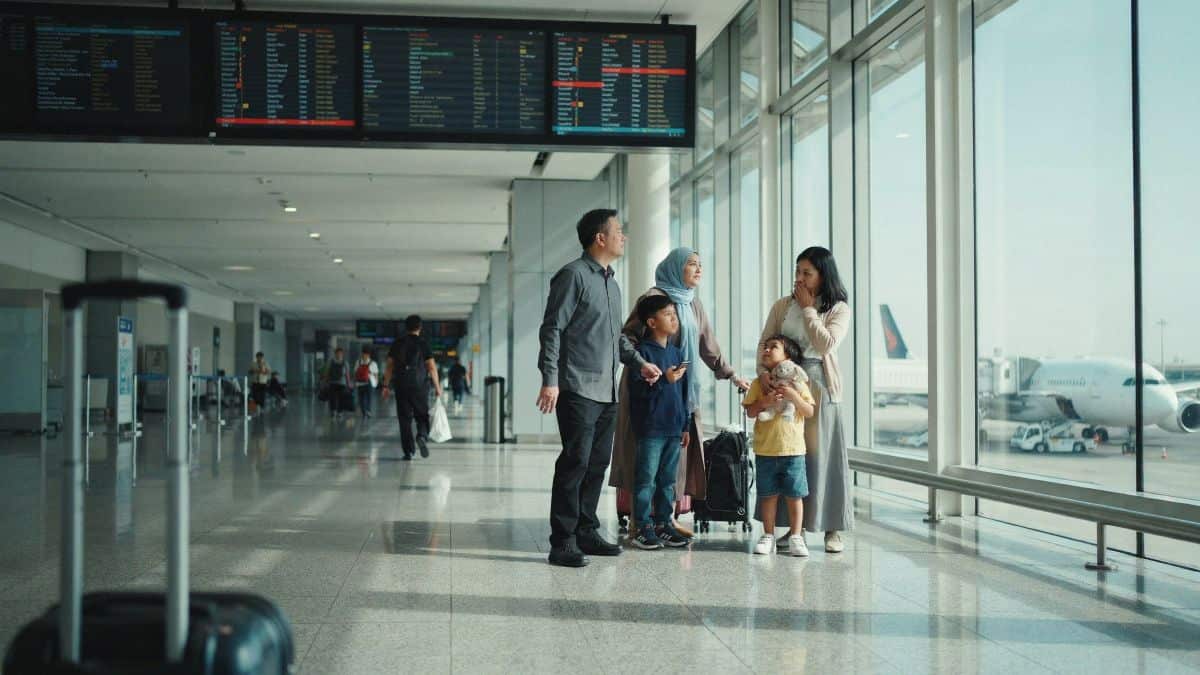
A travel alert from Saudi Arabia brings attention to the issue of pilgrimage and family travel due to flight cancellations. However, not all connections are cut off. The travelers have to confirm their trips prior to departure. According to SriLankan Airlines, its flights to Riyadh will be cancelled until 18 October. The same is true for Philippine Airlines, which announced its decision in connection with the flights until 11 October. On the other hand, Indian citizens and Filipino workers depend on flights from Saudi Arabia in connection with employment, visits and pilgrimage. The flights from Riyadh of Singapore demonstrate the growth of Asian connections.
A warning puts parts of Saudi airspace in focus
The European Union Aviation Safety Agency, known as EASA, revised its Saudi Arabia warning on 9 October 2026. It advises airlines under its rules to avoid defined parts of Saudi airspace and to use caution in the rest of Jeddah flight information region.
Advertisement
Advertisement
The notice is due to remain active until 16 November unless it changes earlier. It tells airlines to keep assessing risk and prepare for sudden instructions from authorities. It does not close all Saudi airspace. This distinction matters. A safety warning can change how some airlines plan flights, while other services may continue under different rules and assessments.
Why an airspace warning matters to passengers
A flight needs a safe route from take-off to landing. Airlines plan that route using airspace, airport conditions and instructions from authorities. When risks rise, they may change a route, delay a flight or cancel it.
Advertisement
Advertisement
A warning can affect more than a flight to the place named in a passenger’s booking. A longer journey may pass through nearby airspace. A change to one part of the route can affect the timing of a connection or the return leg. Passengers should therefore check each flight in their booking. They should also look for updates from the airline that operates each part of the journey.
Riyadh cancellations put dates in the spotlight
Several airline notices show how quickly the situation can change. SriLankan Airlines announced on 10 October that it had suspended flights to Riyadh until 18 October. The airline said any return to service depends on whether conditions are suitable for commercial flights.
Advertisement
Advertisement
Philippine Airlines issued a separate notice on 9 October. It covered flights PR654 and PR655 from 9 to 11 October. The company said it would assess safety before resuming service. That notice does not confirm whether those flights operate or remain cancelled on 12 October. Passengers need a newer update before making plans.
Sri Lankan travellers face a published pause
SriLankan Airlines’ Riyadh suspension gives travellers a clear date to watch. It reaches through 18 October 2026. But that date is not a promise that flights will restart the next day. The airline says it will first assess conditions.
Advertisement
Advertisement
This matters for passengers travelling to Saudi Arabia for work, family or other reasons. They may need to adjust hotel bookings, ground transport or onward flights. Some may also have work or family plans tied to a fixed date. Travellers should wait for the airline’s latest confirmation before going to the airport or booking a separate replacement ticket.
Philippine passengers need a fresh status check
Philippine Airlines’ notice covered three days, from 9 to 11 October. It named two Riyadh services, PR654 and PR655. The airline said it would tell affected passengers about cancellations and travel options.
The notice provides a useful example of why passengers should check when an announcement was issued and which dates it covers. A notice that expired on 11 October cannot confirm the status of a flight on 12 October. A traveller should check the airline’s current flight status and contact the carrier about the options attached to their booking. A past suspension is not proof of a present one.
Saudi Arabia is a major destination for Filipino workers
The story has a powerful human dimension in the Philippines. Preliminary figures published in October estimate that 2.05 million overseas Filipino workers were working abroad during April to September 2025. Saudi Arabia was the leading Asian destination. It accounted for 24.1 per cent of the total.
Advertisement
Advertisement
These figures do not show how many people have had a flight cancelled. They do show why Saudi routes matter to Filipino families. A cancelled journey can affect workers returning to their jobs, people planning leave and relatives hoping to see one another. For many passengers, the flight is part of a wider family and work plan.
The journey home can matter as much as the holiday
Airline disruption is often described through destinations and flight numbers. For a worker, however, a ticket may mark the end of a visit home or the start of a new job shift. For a family, it may be the only chance to spend time together for months.
A delayed return can create pressure at both ends of the journey. A passenger may need more time away from work, while relatives may need to change transport or care plans. These are possible effects, not confirmed outcomes for every passenger. Still, they show why an Asian story about Saudi flights should look beyond holiday travel and examine the human plans behind each booking.
India’s links include work, family and faith
India has extensive connections with Saudi Arabia. An Indian government brief estimates that about 2.74 million Indians live in the Kingdom. It also says an average of 1.5 million Indian pilgrims perform Umrah each year. India’s annual Hajj quota stands at 175,025.
These figures describe the scale of the relationship. They do not measure how many people have been affected by the present airspace warning. They do help explain why changes to Saudi flights draw close attention in India. Residents, workers, families and pilgrims may all depend on regular air links, but their routes and travel needs can differ.
Pilgrimage journeys need careful route checks
A cancellation involving Riyadh should not be taken as proof that all pilgrimage travel has stopped. Pilgrims may travel through different airports, use different airlines and rely on ground transfers to reach their final destination.
Advertisement
Advertisement
Each journey needs its own check. Travellers should confirm the departure airport, the airport where they arrive, the operating airline and the return flight. They should also ask their tour organiser how it will manage a missed connection or a change to the itinerary. A group booking may involve several services. If one changes, the effect on the rest of the trip will depend on the booking and the airlines involved.
Singapore’s new connection faces a fresh test
Singapore Airlines announced four weekly direct flights between Singapore and Riyadh for 2026. The service was planned to use an Airbus A350-900 with 303 seats. The schedule showed the route as a new link between the two cities.
That announcement offers a useful angle on how airlines build connections as travel demand grows. It is a schedule baseline, however, not proof that every flight is operating today. Travellers should check the latest status with the airline. The wider question is how a new connection can remain dependable when conditions change and safety reviews may affect planned routes.
Codeshare tickets can make the picture harder
Some travellers book through one airline but fly on an aircraft operated by another. This is called a codeshare. Air India and Singapore Airlines have a partnership that includes Saudi destinations in their existing network. They have also announced plans to explore closer cooperation, subject to approvals and further agreements.
This can create questions when one flight changes. Passengers should find out which airline operates each section and which company will manage a rebooking. They should also check whether all parts of the trip are on one ticket. Several flight numbers do not always mean several separate bookings, and a change to one leg may affect what happens next.
A different airport may not be an easy answer
When a direct flight changes, passengers may look for another airport or a route with an extra stop. But a different airport does not automatically provide a safe or practical alternative. The airline must operate the service, a seat must be available, and the passenger must be able to make the connection.
Advertisement
Advertisement
Some routes may also take longer if an aircraft avoids certain airspace. An added stop can change arrival time and affect onward travel. Passengers should ask the airline to confirm the full itinerary before buying a separate ticket. They should also check whether a replacement flight is covered by the original booking.
The wider region also needs attention
Saudi Arabia is not the only part of the region covered by aviation guidance. EASA also has active notices for Jordan and parts of the Persian Gulf and Gulf of Oman. The recommendations differ by area. Some concern defined airspace over water, while others include advice for airspace over land.
This does not mean every airport in the region is closed. It does mean that travellers should check the route they will actually take. A connection through another Gulf airport may have different conditions from a direct flight to Riyadh. The airline’s latest notice and the details in the booking matter more than a general assumption about the whole region.
Asian embassies remain an important source of help
Flight updates and consular help serve different needs. Sri Lanka’s embassy in Riyadh has advised nationals to remain alert, avoid unnecessary travel and follow instructions from Saudi authorities. It has also said the embassy in Riyadh and the consulate in Jeddah continue to operate.
Passengers with travel problems should contact their airline about tickets and flight changes. People who need help while living in Saudi Arabia should also know how to reach their own country’s embassy or consulate. Keeping these roles clear can help travellers find the right support and avoid relying on unverified messages circulating online.
A past disruption shows how routes can change
Earlier in 2026, Air India’s travel updates described changes to some West Asia services. The airline reported using alternative routings and, on some journeys, technical stops. Those changes show how carriers may respond when airspace conditions shift.
Advertisement
Advertisement
They do not confirm what Air India or other airlines are doing in October. Each period has its own conditions, approvals and flight schedules. Travellers should not rely on an old announcement to decide whether a current flight will operate. They need a fresh notice for their date and route.
The tourism impact is not yet clear
The present information confirms safety warnings and dated airline suspensions. It does not establish a measured fall in Asian tourism, a region-wide rise in fares or a total number of travellers affected.
Those questions need more evidence. Tourism agencies, airlines and hotels would need to report changes in bookings and travel patterns. Until then, it is more accurate to discuss risks to connectivity than claim a tourism collapse. Passengers may face delays, cancellations or longer journeys, but the effects will vary by route, date and airline.
Travellers should check the details before leaving
Passengers with upcoming trips should check the status of every flight, including the return journey and any connection. They should confirm which airline operates each leg and whether the booking offers rebooking or refund options. If a flight changes, they should keep the airline’s messages and ask for written details of the available choices.
Anyone travelling with a group or tour should contact the organiser as well. Plans can change quickly, and a new route may affect ground transport or accommodation. A check before leaving home can prevent a wasted airport journey and give travellers more time to make a new plan.
Asia’s Saudi connections now face a practical test
The airspace alert from Saudi Arabia is a new cause for fear among Asia’s workers, families, and pilgrims; however, this alert does not imply that all the routes have been closed. On the contrary, travellers should look at the situation with an airline assessing every trip and making announcements about it. SriLankan Airlines has stopped flying to Riyadh until 18 October, while Philippine Airlines informed its clients of stopping flights to Saudi Arabia up to 11 October. Therefore, people should know the latest information prior to travelling. At the same time, the Indian community in Saudi Arabia and the pilgrimages to this country are examples showing that reliable connections are needed not only for tourism purposes. The scheduled flights from Singapore to Riyadh give another addition to Asia’s connections. However, a timetable cannot prove that a certain flight operates. Travellers who are going back to work, meet their relatives, or plan the further journey have many questions. Which flight should they take and what will happen to their connection?
Advertisement
