
Royal Caribbean’s Bahamas Cruise Diverts to Canada, Leaving 5,000 Passengers Facing Halifax’s Autumn Chill

Published
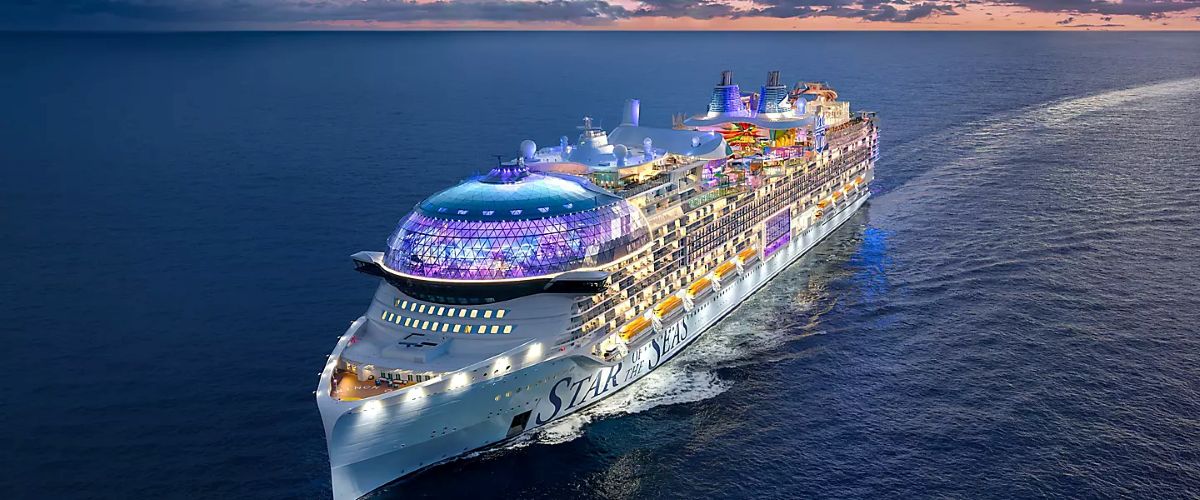
Royal Caribbean’s Bahamas cruise aboard Oasis of the Seas took an unexpected turn on 18 October 2026, when more than 5,000 passengers departed New Jersey expecting sunshine, Florida stops and tropical beaches. Instead, forecasts of stormy weather off the US East Coast prompted an itinerary change, sending the ship north to Halifax, Nova Scotia. The Canadian port offered roughly 24 hours ashore, but autumn temperatures brought a sharp contrast to the warm-weather holiday many passengers had planned. The ship was scheduled to return to New Jersey on Sunday, 25 October, following three days at sea. The sudden change highlights an important cruise-planning reality: published itineraries can change when weather threatens safe operations.
Three Planned Stops Disappear From the Itinerary
The original seven-night sailing was scheduled to visit Port Canaveral in Florida, Perfect Day at CocoCay and Nassau in the Bahamas. Instead, the ship redirected towards Atlantic Canada after the cruise line assessed developing weather conditions along the East Coast.
Advertisement
Advertisement
The change affected more than the destination list. It transformed the holiday’s character, replacing beach excursions and Caribbean sightseeing with a short visit to a historic Canadian port. Passengers also faced a different climate, different clothing requirements and fewer opportunities to experience the destinations they had selected.
The revised schedule included a Halifax call and several consecutive days at sea. The vessel was expected to return to Cape Liberty, New Jersey, on 25 October. The cruise therefore retained its broad seven-night duration, despite losing all three planned southern port calls.
Advertisement
Advertisement
| Original plan | Revised arrangement |
|---|---|
| Departure | Cape Liberty, Bayonne, New Jersey |
| Cruise duration | Seven nights, 18–25 October 2026 |
| Florida stop | Port Canaveral removed |
| Bahamas stops | Perfect Day at CocoCay and Nassau removed |
| Replacement destination | Halifax, Nova Scotia |
| Time ashore | Approximately 24 hours, according to the supplied report |
| Return | Cape Liberty, scheduled for 25 October |
The distinction matters for travellers assessing the value of their holiday. A cruise can maintain its departure and return dates while delivering a substantially different destination experience. Passengers who selected specific ports, booked independent excursions or travelled long distances to reach the departure terminal may feel the greatest impact.
Why Storm Forecasts Changed the Route
Weather-related diversions are an established feature of cruise operations. Ships must account for wind, wave conditions, storm development, port accessibility and the comfort of passengers and crew. When forecasts threaten the planned route, the captain and cruise operator may need to reconsider the itinerary.
Advertisement
Advertisement
In this case, the cruise line reportedly monitored adverse weather off the US East Coast before directing the vessel towards Halifax. The decision illustrates the difference between a cruise itinerary and a guaranteed sequence of destinations. Although passengers purchase a holiday with a published route, maritime conditions can make the original plan impractical.
Royal Caribbean’s published guidance explicitly allows itinerary changes because of weather, mechanical difficulties and other circumstances. Its UK website also states that the company may substitute ports or alter scheduled calls without prior notice. It warns that such changes do not automatically create an entitlement to a fare refund or additional compensation.
For travellers, this does not mean every change is inconsequential or every compensation question is settled. The applicable booking terms, the circumstances of the disruption and any specific commitments made by the cruise line remain important. Passengers should therefore retain itinerary notices, booking confirmations and receipts for affected excursions.
Halifax Offers a Different Kind of Escape
Halifax was an unexpected substitute for the Bahamas, but it was not an improvised destination without tourism infrastructure. Nova Scotia’s capital is an established cruise port, known for its waterfront, maritime heritage, museums, shops and access to wider regional attractions.
The Port of Halifax opened its 2026 cruise season on 7 April and scheduled it to run through 5 November. Its published outlook anticipated 189 cruise calls from 28 cruise lines and approximately 363,000 guests during the season. The port also cited research estimating that cruise activity generates nearly C$200 million annually and supports close to 1,000 jobs in Nova Scotia.
Those figures help explain why Halifax could accommodate a large ship carrying thousands of visitors. However, a port’s capacity to welcome cruise passengers does not make it an equivalent replacement for a Caribbean beach itinerary. Travellers expecting swimming, tropical weather and resort-style excursions would encounter a different set of attractions.
Advertisement
Advertisement
The short visit also imposed a practical limit. Passengers had little time to plan extensive sightseeing, particularly if they had packed for warm weather and learned about the change shortly before departure. A waterfront walk, a harbour excursion or time exploring the city centre could prove more realistic than a full-day trip into the surrounding region.
The change nevertheless offered an unexpected opportunity. Travellers willing to adapt could discover Halifax’s historic streets, maritime culture and local food scene. The experience was different from the one advertised in their holiday plans, but it could still provide a memorable visit.
Autumn Temperatures Expose a Packing Problem
The most immediate contrast was the weather. The supplied report placed daytime temperatures in Halifax in the upper 40s to low 50s Fahrenheit, with overnight lows in the 30s. Those conditions can feel particularly uncomfortable for passengers who packed swimwear, sandals and lightweight clothing for a tropical holiday.
Long-term Canadian climate data confirms that October is a distinctly cooler month in the Halifax region. Environment and Climate Change Canada’s 1991–2020 climate normals record an average daily temperature of 9.2°C at Halifax Stanfield Airport, with an average daily maximum of 13.7°C and minimum of 4.7°C. These are historical averages, not measurements of the specific days in question.
| Weather consideration | What travellers should know |
|---|---|
| Daytime conditions | Cool autumn weather may require a warm outer layer |
| Evenings | Temperatures can fall sharply after sunset |
| Waterfront visits | Wind can make conditions feel colder |
| Rain | A waterproof jacket helps protect against changing coastal conditions |
| Footwear | Comfortable, closed shoes are more versatile than beach sandals |
| Excursions | Check local forecasts before committing to outdoor activities |
For future autumn sailings from New Jersey, travellers should pack for both the advertised destination and plausible weather-related alternatives. A compact waterproof jacket, a warm layer, long trousers and comfortable walking shoes take up relatively little luggage space. They can also make an unexpected northern port call considerably easier to enjoy.
Passengers should avoid assuming that a forecast for the original destination will describe conditions throughout the voyage. Weather can vary dramatically between the Caribbean and Atlantic Canada, particularly during the autumn transition.
Advertisement
Advertisement
Passengers React to the Sudden Change
The reactions reflected a familiar tension in travel: the difference between an unexpected adventure and a holiday that no longer matches its purpose.
New Jersey resident Marie Durning reportedly questioned whether the announcement was a joke. She also described scrambling to prepare warmer clothing, despite having a winter hat and earmuffs available. Her reaction captured the difficulty of adapting to a major destination change with little advance notice.
Other passengers adopted a more positive outlook. Jim Matthews, who lives near Paterson, New Jersey, said he intended to make the best of the situation and described Halifax as beautiful. By contrast, Nicholas Meli, who reportedly drove seven hours from Toronto with his family, expressed disappointment at missing the Bahamas.
These reactions reveal why cruise diversions cannot be judged solely by whether the replacement destination is attractive. A traveller who welcomes an opportunity to explore a new city may view the change differently from someone who selected the voyage for a beach holiday or a particular family experience.
The short notice also raises a customer-communication issue. Passengers need clear information about cancelled ports, revised arrival times, excursion refunds and any assistance available. Even when a safety-led change is justified, timely communication can help travellers make practical decisions and manage expectations.
What Compensation Can Passengers Expect?
Compensation is likely to be a central concern for affected travellers. Reports about the sailing described refunds for shore excursions cancelled at the original ports and a future-cruise voucher worth 50% of the affected passengers’ fare. Other cruise-industry coverage also described refundable onboard credits, with amounts varying by accommodation category.
Advertisement
Advertisement
These forms of assistance serve different purposes. A refund for an excursion addresses a service that can no longer be delivered. Onboard credit helps cover eligible spending during the current voyage, while a future-cruise credit encourages a subsequent booking.
However, a future-cruise credit is not the same as a cash refund. Travellers should confirm the amount, eligibility rules, expiry date and booking restrictions before treating it as equivalent to money returned to their original payment method.
| Compensation type | What it generally means | What passengers should verify |
|---|---|---|
| Shore-excursion refund | Money returned for eligible cancelled excursions | Whether the excursion was booked through the cruise line or independently |
| Onboard credit | Credit for eligible purchases during the sailing | Whether it is refundable, transferable or subject to spending conditions |
| Future-cruise credit | Credit towards a subsequent eligible booking | Expiry, exclusions, eligible fares and passenger requirements |
| Fare refund | Money returned against the cruise fare | Whether the booking terms or applicable law provide an entitlement |
| Travel insurance claim | Potential reimbursement for covered losses | Policy wording, exclusions, evidence requirements and claim deadlines |
Passengers should request written confirmation of every offer. They should also distinguish between the cruise line’s voluntary assistance and any legal entitlement under the applicable contract or consumer-protection rules.
The UK-facing itinerary guidance published by Royal Caribbean provides a useful starting point, but travellers should consult the precise terms applicable to their own reservation. Different booking jurisdictions and contract versions can affect the relevant provisions.
How Cruise Policies Affect Holiday Planning
This diversion highlights a central challenge for cruise customers: the advertised route can be a major part of the purchase, yet the operator retains flexibility to change it. Travellers should therefore assess both the itinerary and the conditions governing possible alterations.
The distinction becomes particularly important when a sailing includes private islands, specific beaches or destinations that passengers cannot easily replace independently. Missing one port can disrupt an excursion; missing every planned southern port can fundamentally change the nature of the holiday.
Advertisement
Advertisement
Cruise passengers should read the ticket contract before departure and examine the operator’s policy on itinerary changes. They should also consider whether their travel insurance covers particular non-refundable expenses. Coverage depends on the policy, and a weather-related route change does not automatically trigger reimbursement.
| Planning issue | Recommended action |
|---|---|
| Itinerary flexibility | Read the cruise contract before booking |
| Late announcements | Monitor official cruise-line messages and the onboard app |
| Independent excursions | Check cancellation terms before paying |
| Travel insurance | Ask the insurer about covered itinerary disruptions |
| Clothing | Pack for seasonal conditions along the departure coast and possible alternatives |
| Compensation | Keep written notices, receipts and records of any offer |
| Return arrangements | Reconfirm port arrival details before arranging onward transport |
For travel advisers, the incident also reinforces the importance of explaining itinerary flexibility before clients commit to a sailing. Clear pre-departure guidance can reduce misunderstandings when an operator makes a safety-related change. It can also help travellers choose a product that suits their tolerance for uncertainty.
What the Diversion Means for Halifax Tourism
Although the rerouting disappointed some passengers, it also brought an unexpected influx of visitors to Halifax. Cruise tourism supports local restaurants, retail businesses, transport operators and attractions. A large ship’s arrival can create additional demand within a limited period, particularly when thousands of passengers disembark within the same window.
The Port of Halifax’s projected 2026 season of approximately 363,000 cruise guests illustrates the destination’s established role in Atlantic Canada’s tourism economy. However, this sailing should not be interpreted as evidence of a wider surge in demand for Canadian autumn cruises. It was a weather-related substitution, not a planned shift in passenger preferences.
The incident also demonstrates the operational value of ports that can accommodate visiting ships outside their original itineraries. Nevertheless, a replacement call requires more than a suitable berth. Shore excursions, local transport, passenger information and available opening hours all influence how much visitors can achieve during a short stay.
For Halifax, the challenge was to welcome passengers who had not necessarily planned to visit. For the cruise operator, the priority was to deliver a workable alternative while managing disappointment and communicating the revised arrangements.
Advertisement
Advertisement
What Travellers Should Check Before Sailing
The episode offers a practical lesson for anyone booking a cruise during storm-prone seasons. Autumn voyages from the northeastern United States can encounter changing conditions, making itinerary flexibility especially relevant when the route crosses different climatic regions.
Before departure, passengers should download the cruise line’s app, monitor official notifications and keep booking documents accessible. They should also understand the difference between a port being cancelled, an excursion being refunded and the entire cruise being cancelled. These scenarios can involve different contractual terms and remedies.
Travellers planning independent activities should choose flexible cancellation options where possible. Those travelling internationally should also ensure their documents remain suitable for the destinations they might visit, although entry requirements depend on nationality and the circumstances of the revised itinerary. Any unexpected international port call should prompt passengers to follow official guidance from the cruise operator and relevant authorities.
Ultimately, sensible preparation cannot prevent every disruption. It can, however, reduce the financial and practical consequences of a holiday changing course.
A Cruise That Became a Different Holiday
The unexpected voyage from New Jersey to Nova Scotia demonstrates how quickly a carefully planned holiday can change when maritime weather intervenes. More than 5,000 passengers expected Florida and the Bahamas, yet their revised itinerary brought them to Halifax instead. Some were disappointed, while others embraced the opportunity to explore a different destination.
For cruise travellers, the lesson is not to expect every itinerary to change, but to recognise that safety can take precedence over scheduled destinations. Reading booking conditions, checking compensation terms and packing versatile clothing can make a meaningful difference. Meanwhile, Halifax’s established cruise infrastructure showed how an unplanned port call can still offer tourism opportunities. The experience may not have delivered the tropical escape passengers booked, but it underscores the importance of flexibility when travelling by sea.
Advertisement
