
New York City Travel Spotlight Intensifies as Central Park Horse Carriage Tradition Faces 2028 Deadline

Published
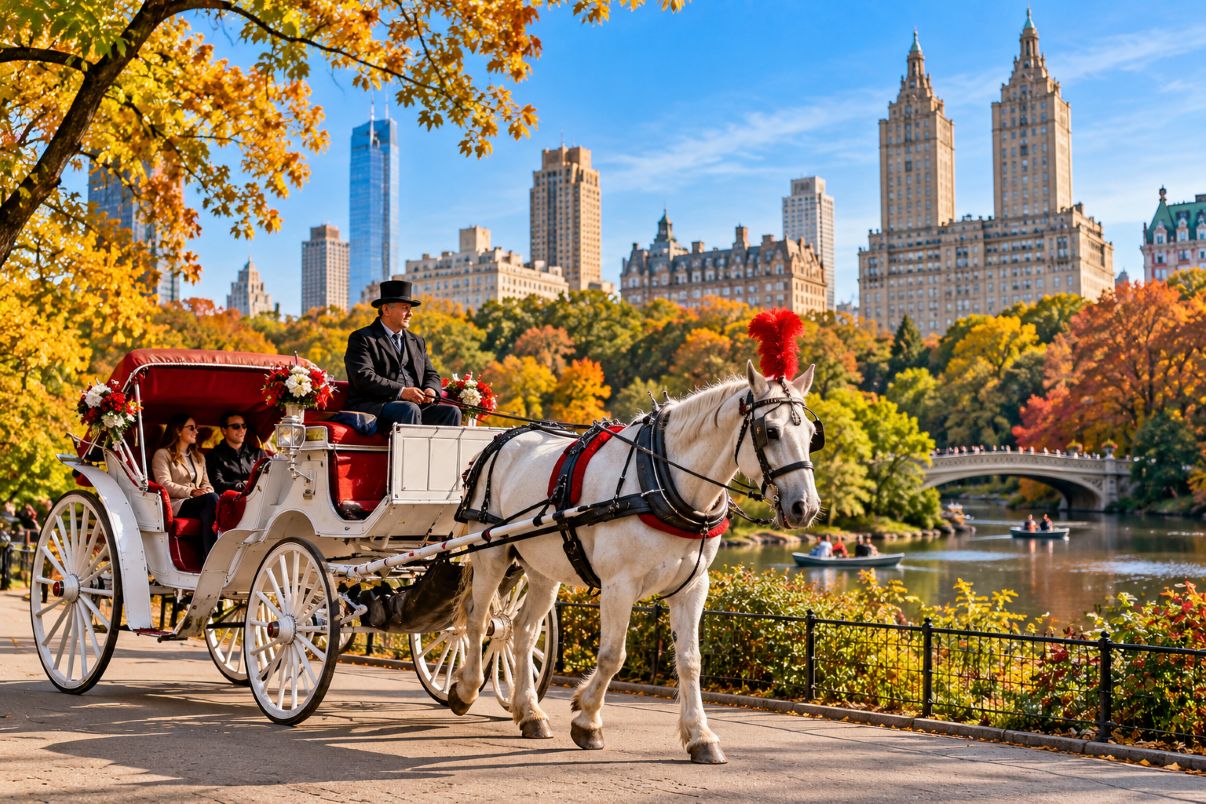
New York City, United States, is preparing for a historic transformation of Central Park tourism after the City Council approved legislation to phase out commercial horse-drawn carriage rides following the death of an 18-year-old Indian tourist. The measure, known as Romanch’s Law, passed on 22 October 2026 by a reported vote of 40–2, with two abstentions. It proposes ending commercial carriage operations from 1 June 2028, allowing time for workers and businesses to adjust. The decision has intensified debate over visitor safety, animal welfare and tourism employment. Central Park remains open, and the proposed restrictions do not immediately end carriage rides.
New York City Travel Faces Historic Change as Council Approves Carriage Ban
New York City Council has approved legislation intended to end commercial horse-drawn carriage operations.
The reported vote on 22 October was 40–2, with two abstentions.
The measure would phase out an established tourism activity associated with Central Park for more than 150 years.
Advertisement
Advertisement
Commercial carriage rides have long attracted visitors interested in sightseeing around the park’s southern entrances.
However, concerns about animal welfare, traffic conditions and public safety have fuelled years of debate.
Advertisement
Advertisement
The Council’s decision marks a significant development, although final enactment and implementation should be checked through the city’s legislative records.
The proposed prohibition would not take effect immediately.
Indian Tourist’s Tragic Death Accelerates Central Park Safety Debate
The legislation follows the death of Romanch Mahajan, an 18-year-old visitor from India.
Mahajan was visiting Central Park with his family when a carriage horse reportedly bolted on 17 June 2026.
The incident caused fatal injuries and renewed demands for stronger visitor safety measures.
The proposed legislation carries his name.
Advertisement
Advertisement
City Council Speaker Julie Menin and Mayor Zohran Mamdani subsequently supported efforts to phase out commercial carriage operations.
The Central Park Conservancy also backed the proposed change, citing public safety concerns.
However, the incident forms part of a wider debate that began long before 2026.
The tragedy has brought renewed attention to the risks associated with traditional carriage sightseeing.
Romanch’s Law Sets June 2028 Deadline for Commercial Horse Carriage Operations
The legislation establishes a transition period rather than an immediate prohibition.
Under its provisions, existing commercial carriage licences would expire on 31 May 2028.
Advertisement
Advertisement
Commercial horse-drawn carriage operations would become prohibited from 1 June 2028.
The measure also restricts future licensing and introduces protections for retired carriage horses.
It would prevent affected animals from being sent to slaughter or transferred for prohibited commercial carriage work.
Certain temporary exhibitions and performances may qualify for exceptions.
The transition period is intended to allow city authorities to coordinate changes affecting workers, businesses and animals.
However, travellers should check subsequent legislative updates before assuming that every provision has taken effect.
Advertisement
Advertisement
Central Park Carriage Drivers Face Major Employment Uncertainty
The proposed prohibition has created concerns among workers who depend on carriage tourism.
Industry reporting identifies approximately 150 to 200 licensed drivers associated with the sector, depending on the reporting measure.
Some carriage businesses have operated across several generations.
The Transport Workers Union has criticised the proposed transition arrangements, raising concerns about livelihoods and compensation.
Under the legislation, city authorities would need to prepare a workforce transition plan by 1 April 2027.
Potential support could include career counselling, employment assistance and training.
Advertisement
Advertisement
However, financial compensation arrangements remain contested.
The debate therefore extends beyond tourism and animal welfare to the economic future of workers and small businesses.
Animal Welfare Concerns Drive New York’s Landmark Tourism Decision
Animal welfare organisations have campaigned for years to end commercial horse-drawn carriage rides in New York.
Campaigners argue that traffic congestion, extreme temperatures, exhaust fumes and limited exercise opportunities create unsuitable working conditions for horses.
The debate intensified following incidents involving carriage horses, including the collapse of Ryder in 2022 and the death of Deniz in 2026.
Supporters of the prohibition believe ending carriage operations could improve animal welfare and reduce public safety risks.
Advertisement
Advertisement
Opponents argue that stronger regulation and improved working conditions could preserve the historic industry.
The disagreement reflects competing views about tourism traditions, employment and animal protection.
Central Park Tourism Will Continue Beyond Traditional Horse Carriage Rides
Central Park remains one of New York City’s most recognisable tourist destinations.
The proposed legislation does not close the park or restrict ordinary sightseeing.
Visitors can continue exploring landscaped pathways, lakes, gardens and historic monuments.
Bethesda Terrace offers architectural features and views of the surrounding park.
Advertisement
Advertisement
Bow Bridge remains a popular photography location.
Strawberry Fields attracts visitors interested in its memorial to John Lennon.
The Great Lawn provides extensive recreational space.
Walking tours, cycling experiences and authorised guided activities offer alternatives to carriage sightseeing.
However, visitors should follow park regulations and confirm whether commercial activities require permits or reservations.
New York Tourism Businesses Could See Changing Demand for Sightseeing Experiences
The proposed carriage prohibition may alter tourism activity around Central Park’s southern entrances.
Advertisement
Advertisement
Horse-drawn carriages have featured prominently in New York’s visitor imagery, films and sightseeing experiences.
Their eventual removal could encourage greater interest in walking tours, cycling excursions and other guided activities.
However, no verified figures establish how much tourism revenue could be lost or redirected.
The legislation also does not demonstrate that alternative experiences will automatically attract additional visitors.
Businesses may need to adapt their services as the transition approaches.
The wider economic implications will depend on visitor preferences, employment arrangements and the availability of alternative sightseeing products.
Advertisement
Advertisement
What International Travellers Should Know Before Visiting Central Park
Visitors planning New York holidays should check the status of commercial carriage operations before making reservations.
Those booking experiences for 2028 should request written confirmation of availability and cancellation conditions.
Central Park is accessible through New York City’s subway and bus networks.
Visitors can enter from Fifth Avenue, Central Park West and surrounding streets.
The park offers sightseeing opportunities throughout the year, although seasonal weather can affect outdoor activities.
International travellers must also verify applicable US entry requirements before departure.
Advertisement
Advertisement
The proposed carriage legislation does not change immigration rules, airport operations or access to other major New York attractions.
New York City Faces Important Questions About Tourism Traditions and Public Safety
The Council’s decision reflects changing expectations about how major destinations manage visitor experiences.
Traditional attractions can contribute to a city’s cultural identity and tourism economy.
However, public safety and animal welfare concerns may influence whether longstanding activities continue.
The proposed carriage prohibition also highlights the need for practical employment transition arrangements.
New York must consider the interests of visitors, workers, businesses and animal welfare organisations.
Advertisement
Advertisement
The legislation could become an important example of how destinations respond to changing tourism expectations.
Nevertheless, its final effects cannot be established before implementation.
Future reporting will need to examine employment outcomes, visitor behaviour and the practical operation of the restrictions.
Conclusion: New York’s Central Park Carriage Decision Marks a Historic Tourism Turning Point
New York City’s decision to phase out commercial horse-drawn carriage rides represents a significant change for one of its most familiar sightseeing traditions. The legislation follows the tragic death of Romanch Mahajan and years of debate over animal welfare, visitor safety and working conditions. Supporters welcome the proposed prohibition, while carriage drivers face uncertainty about employment and compensation. Central Park will remain open, offering walking routes, historic landmarks and other attractions. For travellers, the key distinction is that the proposed ban begins in June 2028 rather than immediately. Further legislative updates will determine how the transition unfolds.
Advertisement
