
Forestis And Europe’s Luxury Lodges Unlock Revenue Growth As Voice Concierge Outperforms AI Self-Service Booking

Published
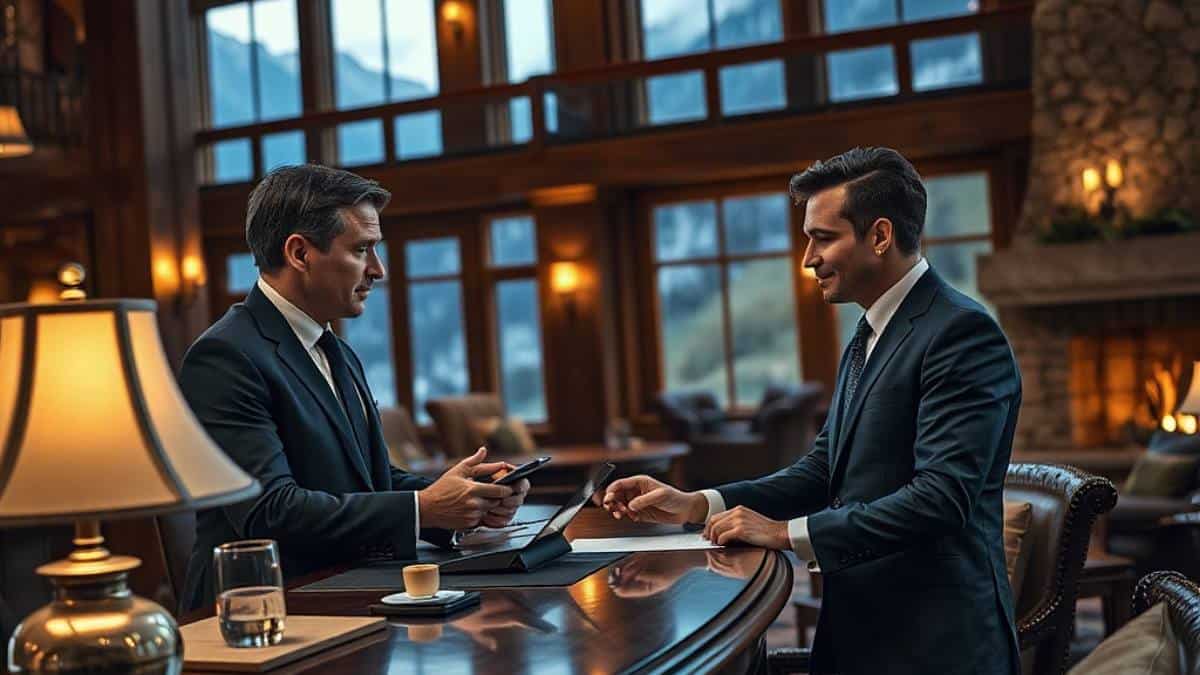
Image generated with Ai
The European luxury hospitality industry is undergoing a dramatic transformation due to independent lodges and luxury retreats looking for new means of attracting their guests’ premium interest. Lodge facilities designed on the basis of a personalized experience often face difficulties when using conventional online booking services since they are unable to convey the uniqueness of customized stays. Facilities like Forestis and others are emphasizing the increased significance of voice concierge services wherein experienced professionals assist travelers in making booking decisions. Through integration of personal interaction and advanced technology, lodge properties are able to improve bookings and earn more revenue.
Europe’s Luxury Hotels Face Digital Divide
There is a split in structure within the hospitality industry of Europe. As per statistics released by Eurostat, during the first quarter of 2026, nights spent in tourist accommodation facilities in the European Union increased to 471.1 million and marked a growth rate of 3.4 percent when compared to the same quarter last year. Nights spent in international visits amounted to 219.8 million while nights spent in short stays via leading online platforms increased to 951.6 million during the whole year of 2025.
| Metric Indicator | Benchmark Value | Reporting Window / Source |
|---|---|---|
| Total EU Accommodation Guest Nights | 471.1 million (+3.4% YoY) | Q1 2026 (Eurostat) |
| EU International Visitor Nights | 219.8 million (accounting for 75% of growth) | Q1 2026 (Eurostat) |
| Annual Short-Stay Platform Bookings | 951.6 million (+11.4% YoY) | Full Year 2025 (Eurostat) |
| Q1 Short-Stay Platform Guest Nights | 144.3 million (+9.7% YoY) | Q1 2026 (Eurostat) |
| Global OECD International Arrivals | 819.5 million | Full Year 2024 (OECD) |
However, underneath these impressive figures, there is an operational gap. City life hotel groups are beginning to automate the guest experience by substituting human receptionists with self-service check-in machines, apps, and even AI-powered chatbots. In the case of high-character hotels, historic properties, and secluded resorts, the problem lies in the ineffectiveness of self-service systems when used for luxury travel.
When the cost of making a reservation at the property falls within the range of €500 to €1,500+ per night and the rooms feature unique configurations, custom dining, and local excursions, standard drop-down forms become sources of choice paralysis and abandoned carts. For this reason, voice concierge has become an important avenue for boutique ADR generation, staying extension, and operational margin retention.
Advertisement
Advertisement
The Great Bifurcation in European Hospitality
The European hotel sector has divided into two distinct operating models, each tailored to different guest expectations, property layouts, and asset economics.
Advertisement
Advertisement
Urban “lean-luxury” chains focus on operational efficiency, standardized rooms, and fast digital throughput. Brands such as citizenM in Amsterdam, London, and Paris; Ruby Hotels across Munich, Vienna, and Florence; and Locke by edyn in London, Berlin, and Lisbon have structured their operational frameworks around automated, self-service interactions. Guests at these properties navigate digital workflows using self-service lobby kiosks, 60-second mobile application check-ins, keyless digital room entry, and automated messaging platforms.
This model relies on high room density and standardized micro-room layouts, where guest inquiries are transactional and easily resolved via automated digital channels.
| Operating Dimension | Automated Urban “Lean-Luxury” | Experiential High-Character Lodges |
|---|---|---|
| Representative European Brands | • citizenM (Amsterdam, London, Paris) • Ruby Hotels (Munich, Vienna, Florence) • Locke by edyn (London, Berlin, Lisbon) | • Forestis / San Luis Retreat (Dolomites, Italy) • The Fife Arms (Scottish Highlands, UK) • Castello di Reschio (Umbria, Italy) • Treehotel / Arctic Bath (Swedish Lapland) |
| Guest Interaction Model | Self-service kiosks, 60-second app check-in, automated WhatsApp and web AI chatbot support | Consultative voice reservations, dedicated pre-arrival curation, and narrative-led guest service agents |
| Average Daily Rate (ADR) Target | €120 – €280 per night | €500 – €1,500+ per night |
| Property & Inventory Structure | High-density, standardised micro-rooms with uniform layouts, consistent amenities, and efficient space utilisation | Non-standardised historic suites, private chalets, villas, and distinctive architectural layouts |
| Primary Revenue Engine | High room occupancy driven by automated direct booking platforms and operational efficiency | High Total Revenue Per Available Room (TRevPAR) through premium experiences, curated packages, and personalised services |
Conversely, rural, historic, and nature-focused independent retreats operate under a different set of economics. Properties such as Forestis and San Luis Retreat in the Italian Dolomites, The Fife Arms in the Scottish Highlands, Castello di Reschio in Umbria, and Treehotel and Arctic Bath in Swedish Lapland offer immersive, place-based experiences rather than standardized accommodation.
Advertisement
Advertisement
For these high-character lodges, attempting to funnel potential guests through standard online booking engines creates operational bottlenecks. An independent property charging €1,000 per night cannot rely on basic drop-down menus to explain the difference between a suite in a historic tower and a wood chalet featuring a private cedar soaking tub.
Where urban lifestyle chains improve profit margins by reducing staff interactions, experiential lodges drive financial performance by incorporating human expertise into the booking process. By turning reservations into consultative conversations, these operators capture premium room rates, extend average stay durations, and secure pre-arrival spend on non-room amenities.
Advertisement
Advertisement
The Limits of the Algorithmic Booking Engine: The Complex Query Problem
Standard Internet Booking Engines (IBEs) and web-based chatbots excel at processing simple, binary reservation requests. However, they encounter friction when handling non-standard property features and multi-faceted itineraries—an operational barrier known as the complex query problem.
Inventory Non-Standardization
Historic castles, converted Tuscan villas, and alpine eco-lodges rarely offer uniform room layouts. Categories often vary in ceiling height, architectural details, outdoor terrace configurations, and exposure to natural light or mountain views. Standard web booking engines condense these unique features into small text boxes and generic photo carousels.
When luxury travelers face ambiguous room descriptions at high price points, their perceived purchasing risk increases. A guest seeking clarification on whether a room layout can accommodate a nursery, provide step-free access, or offer acoustic privacy cannot always find definitive answers in generic website FAQs. Chatbots, restricted by predefined decision trees or automated scripts, often supply vague responses, leading to frustrated guests and abandoned online bookings
Multi-Layered Logistics & High-Friction Inquiries
Experiential travel itineraries require complex coordination across multiple logistical elements that static online forms cannot handle effectively:
- Micro-Climate and Gear Logistics: Guests planning winter trips to properties like Swedish Lapland’s Arctic Bath or high-altitude alpine retreats require guidance on seasonal clothing expectations, specialized equipment rentals, private ski-in/ski-out arrangements, or snowmobile transfers.
- Complex Transfers: Coordinating private helicopter transfers from regional hubs such as Geneva, Innsbruck, or Zurich, or aligning arrivals with island ferry schedules in the Scottish Hebrides, requires real-time problem solving that standard online checkout systems cannot perform.
- Curated Culinary and Wellness Integration: High-yield guests rarely book accommodations in isolation. They prefer coordinated arrangements involving tasting menus, wine cellar pairings, and scheduled sessions in private saunas or soaking tubs.
When these multi-layered requests are forced through standard web drop-down menus, booking conversion breaks down. The guest experiences decision fatigue, abandons the online cart, and either delays their travel plans or turns to third-party travel agencies.
Advertisement
Advertisement

Image generated with Ai
The Voice Channel Multiplier: Financial and Conversion Economics
To evaluate the financial contribution of human-led consultative reservations, hospitality operators look beyond total booking volumes and analyze net revenue performance across distribution channels.
| Distribution Channel | Share of European Hotel Stays (%) | Standard Commission / Direct Cost (%) | Real Margin Realisation / Net Margin (%) | Average Basket Size / ADR Impact |
|---|---|---|---|---|
| Direct Voice / Phone | 16.4% | 1.5% – 3.0% (Labour/Technology Costs) | 97.0% – 98.5% Net | +18% to +35% ADR |
| Direct Email Concierge | 15.8% | 1.5% – 3.0% (Labour/Technology Costs) | 97.0% – 98.5% Net | Baseline Direct ADR |
| Direct Web Booking Engine (IBE) | 12.1% | 2.0% – 4.0% (SaaS/Payment Gateway Costs) | 96.0% – 98.0% Net | Baseline Web ADR |
| Booking.com (Standard OTA) | ~21.3% (71% of OTA Share) | 15.0% Standard Base Commission | 83.2% – 85.0% Net | Standard OTA Rate |
| Booking.com (Genius + Preferred) | Combined OTA Share (~30% Total OTAs) | 15% Base Commission + 10–20% Discount + 3% Preferred Fee | 64.0% – 75.0% Net | Discounted OTA Rate |
| Expedia Group | ~4.2% (14% of OTA Share) | 15.0% – 25.0% Base Commission | 75.0% – 85.0% Net | Standard OTA Rate |
Channel Mix and Margin Realization
| Direct Distribution Channel | Share of European Hotel Stays (%) |
|---|---|
| Direct Telephone Reservations | 16.4% |
| Direct Email Reservations | 15.8% |
| Direct Real-Time Web Engines | 12.1% |
| Direct Website Contact Forms | 5.9% |
| Direct Walk-ins | 3.5% |
This emphasis on direct interaction is a key defense against Online Travel Agency (OTA) consolidation. In the European market, Booking Holding controls 71% of all OTA-sourced bookings, while Expedia Group holds 14%. While standard contract rates for OTAs range between 15% and 25%, the real revenue impact on independent hoteliers can be higher.
Comprehensive distribution research conducted by HOTREC reveals that direct booking channels accounted for 50.9% of overnight stays across European hotels. Direct voice communications (telephone reservations at 16.4%) and direct email consultations (15.8%) generated more guest stays than direct website booking engines (12.1%).
When hoteliers participate in OTA visibility algorithms—such as Booking.com’s Genius program (requiring host-funded price cuts of 10% to 20%) or the Preferred Partner program (adding 3% to 8% to baseline commission rates)—and include payment processing fees (1.1% to 3.1%), total top-line deductions can reach between 25% and 36% of gross revenue.
By shifting complex inquiries away from third-party platforms and into a voice-assisted direct booking strategy, independent lodges preserve operational margins. This approach is supported by regulatory developments under the European Union’s Digital Markets Act (DMA), which prohibits designated gatekeeper platforms from enforcing narrow and wide rate parity clauses. Independent properties can structure bespoke multi-day packages for direct voice channels without incurring search ranking penalties on public platforms.
Advertisement
Advertisement
ADR and Length of Stay Extensions
Data shows that consultative voice conversations outperform digital engines across core revenue management metrics:
- ADR Premium: Voice-assisted reservations for experiential European properties generate an 18% to 35% higher Average Daily Rate compared to direct web or OTA transactions. Voice agents present inventory from the top down, explaining the value of premium suites rather than letting guests sort inventory by the lowest price point.
- Length of Stay (LoS) Multiplier: Direct telephone consultations yield an average length of stay (LoS) 1.4 times longer than web bookings. By explaining local activity schedules, seasonal transitions, and dining logistics, voice concierges turn short weekend stays into extended visits.
- Ancillary Revenue Capture: Telephone interactions achieve upselling success rates 3.2 times higher than web interfaces. Agents can bundle guided excursions, spa packages, and culinary tastings during the reservation call, raising Total Revenue Per Available Room (TRevPAR).
The True Cost of Call Abandonment
Despite the strong economics of voice reservations, many luxury lodges lose potential revenue through unmanaged incoming calls. Industry data indicates that during peak inquiry windows—such as seasonal launches or daily check-in rushes between 14:00 and 17:00—unmanaged properties experience a hotel call abandonment rate between 22% and 28%.
| Revenue Performance KPI | Unmanaged Front Desk (Standard) | Specialised Hybrid Voice Desk | Operational Variance |
|---|---|---|---|
| Peak Call Abandonment Rate | 22% – 28% | < 3.0% | 89% reduction in lost calls |
| Inbound Call Conversion Rate | 15% – 20% | 38% – 42% | +22 percentage points |
| Average Daily Rate (ADR) | €500 Baseline (Web Standard) | €615 – €675 (Voice Curated) | +23% to +35% ADR |
| Average Length of Stay (LoS) | 2.1 Nights | 2.9 Nights | 1.38x extension |
| Ancillary Upsell Capture Rate | 8% (Post-booking Email) | 34% (Live Conversational) | 4.25x increase |
| Estimated Monthly Lost Revenue (30–50 Room Boutique Property) | €32,000 – €50,000+ | < €3,500 | €28,500 – €46,500 net gain |
In luxury accommodations where average reservation values range from €1,200 to €3,500, every unassisted call represents a lost revenue opportunity. Studies show that each missed luxury reservation call results in an estimated average loss of $127 (€115) to $150 (€138) in direct potential revenue. Additionally, up to 76% of callers who reach a voicemail system hang up and do not call back, opting instead to book alternative properties or OTA listings.
For a 40-room independent lodge, an unmanaged phone workflow can result in monthly losses between €32,000 and €50,000 in uncaptured booking revenue. Improving voice channel operations is therefore a high-priority commercial objective.
De-coupling the Front Desk: Resolving the Dual-Burden Crisis
A major driver of high call abandonment in boutique hotels is an operational vulnerability known as the front desk dual-burden.
Advertisement
Advertisement
Historically, boutique lodges assigned reception hosts to manage both physical guest check-ins and incoming phone calls simultaneously. During high-occupancy periods, this dual responsibility leads to operational inefficiencies:
- In-Person Friction: When an arriving guest paying €1,000 per night has their check-in interrupted by a ringing phone, service quality suffers, leading to lower guest satisfaction scores.
- Rushed Interactions: Front desk staff managing a busy lobby often rush incoming phone conversations to clear the line. This leads to transactional interactions that miss valuable upselling opportunities.
- Staff Fatigue: Switching constantly between in-person hospitality duties and phone sales leads to staff fatigue and higher employee turnover in an already constrained labor market.
To fix this, leading European operators are separating physical front-of-house service from phone reservation management. By routing incoming calls away from the front desk to dedicated reservation specialists, hotels eliminate lobby interruptions while capturing high-value booking intent.
Inbound Inquiry Call Routing Flow
- Inbound Inquiry Call Arrival
- Guest inquiry enters the hotel communication system.
- Screening Layer Evaluates Caller Intent
- The system identifies the purpose, urgency, and revenue potential of the inquiry.
- Routine Queries
- Examples include parking information, check-in hours, basic hotel policies, and general FAQs.
- Resolved instantly through Voice-AI assistance.
- Provides zero-hold response and improves guest experience.
- Complex High-Yield Requests
- Calls involving premium stays, special arrangements, personalised experiences, or booking decisions are identified.
- Transferred to a specialised voice concierge desk.
- Specialised Voice Concierge Handling
- Human-led personalised assistance guides the guest through the booking journey.
- Focuses on increasing conversion, premium room sales, and longer stays.
- Direct Booking Completion
- Reservations are completed directly through the Property Management System (PMS).
- Generates higher ADR, stronger direct revenue, and extended guest stays.
Off-site or hybrid reservation desks operate without the distractions of a physical lobby. Uninterrupted by arriving guests, specialists can engage callers in consultative conversations, explaining room categories, building customized itineraries, and closing high-yield bookings. At the same time, on-property teams can focus entirely on delivering attentive hospitality to arriving guests.

Image generated with Ai
The Art of Consultative Storytelling and Terroir Delivery
Relying on specialized off-site or hybrid reservation desks presents an operational challenge: ensuring remote agents convey the local character, atmosphere, and identity of an independent property.
Operators address this by replacing generic sales scripts with consultative storytelling programs focused on terroir hospitality—communicating the geographic, culinary, and cultural context that defines the estate.
Advertisement
Advertisement
Operational Storytelling Framework
- Architectural Narrative: Agents learn the layout and heritage of the property. Rather than stating basic specifications (such as “50 square meters with mountain view”), agents frame rooms narratively:“Suite 204 is located in the 16th-century south wing. It features hand-restored timber beams and floor-to-ceiling windows facing the valley, providing natural morning light directly over the soaking tub.”
- Micro-Climate and Activity Guidance: Agents receive updates on local environmental conditions. For alpine or coastal properties, specialists monitor weather patterns, advising guests on seasonal outdoor conditions, optimal fly-fishing times, or afternoon mountain wind shifts that affect outdoor wellness facilities.
- Culinary Terroir Articulation: Reservation teams receive briefings on menu changes, local foraging partnerships, and wine cellar arrivals. When guests ask about dining, agents explain the chef’s culinary philosophy, highlight regional ingredients, and pre-book tasting menus alongside room reservations.
- Multilingual Capabilities: Managing cross-border travel inquiries across Europe requires multi-language fluency. Rather than using automated translation tools, specialized voice desks employ native speakers of English, French, German, and Italian trained in regional phrasing. This helps establish trust with luxury travelers during their initial inquiry.
The Hybrid Future: Integrating Automated Screening with High-Touch Voice
Emphasizing high-touch voice interactions does not mean discarding modern technology. The most effective luxury distribution stack combines conversational artificial intelligence with expert human curation.
Industry research shows that up to 60% of routine front desk phone traffic consists of repetitive queries—such as confirmation requests, check-in times, parking options, Wi-Fi access, or pool hours. Using human agents to manually answer these simple questions wastes operational capacity and increases labor costs.
| Operational Task Domain | Primary Handling System |
|---|---|
| Pre-Arrival Logistics & Directions | Automated Voice-AI / Messaging (Instant Execution) |
| Basic Amenity Hours & Parking Queries | Automated Voice-AI / Messaging (Instant Execution) |
| Folio Delivery & Post-Departure Invoicing | Automated Digital Messaging (SMS / Email) |
| Complex Suite Selection & Layout Consultation | Human Consultative Voice Specialist |
| Bespoke Multi-Day Itinerary Planning | Human Consultative Voice Specialist |
| High-Net-Worth Ancillary Upselling & Dining Curation | Human Consultative Voice Specialist |
| Specialised Transfer Coordination (Helicopter/Ferry) | Human Consultative Voice Specialist |
Modern luxury hotel platforms deploy AI tools as an initial screening layer. The system handles routine inquiries instantly, resolving minor questions without hold times. If the technology identifies booking intent, a complex request, or a high-value customer, it transfers the caller—along with their interaction context—to a specialized voice concierge.
After the conversation, automated messaging systems send confirmed itineraries, deposit links, and travel details directly to the guest’s mobile device via SMS or digital messaging. This hybrid structure maintains zero call abandonment during peak inquiry periods while directing human consultation toward high-margin revenue opportunities.
Conclusion
The development of online booking tools for modern travel shows the inefficiencies of full automation. Online systems have proven themselves efficient enough in the case of standardization of city hotels, while high-characteristic independent lodges need an alternative way of work.
Advertisement
Advertisement
Luxury experiential travel implies non-standardization and nuance. In the process of making costly reservations, clients look for competent assistance, clarity, and personal curation. Web forms and simple chat bots cannot deliver the value of exclusive locations or help solve complicated issues.
By decoupling their phone bookings from their reception activities, by using hybrid voice technology, and training their booking specialists in storytelling techniques, independent hoteliers in Europe could achieve better financial results.
The numbers tell the story: up to a 35% increase in Average Daily Rate, extending the average length of stay by 1.4 times, reducing the cost of distribution due to Digital Markets Act requirements, and reducing lost income from missed calls. In a world of high-end boutique hotels competing in a demanding travel environment, voice continues to be a valuable means of increasing profits.
Advertisement
