
Liechtenstein Records A Massive Hotel Boom In Bookings As Summer Travel Brings Unexpected Prosperity Today, Find Out Now
Published
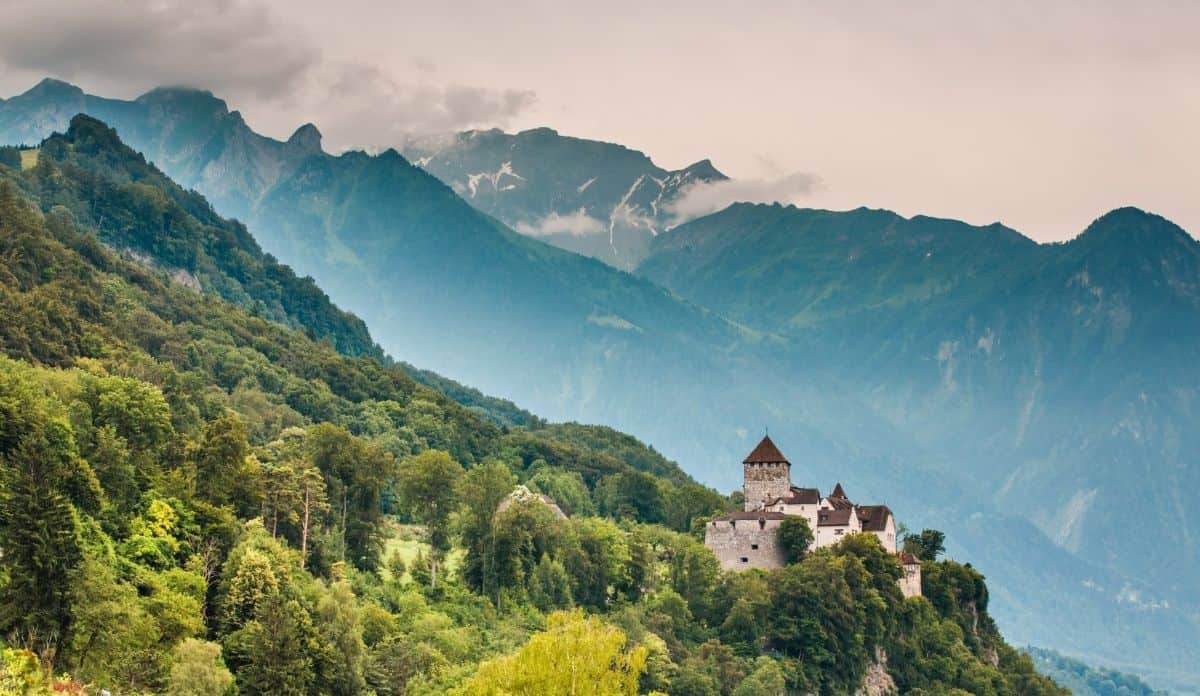
ked between mountain peaks and the calm flow of the Rhine, Liechtenstein is doing something very special this year. Behind its picture- look there is a new and lively energy spreading through the country. The air in the mountains feels full of life as hotels in Vaduz and warm mountain houses in Malbun are filled with visitors looking for something truly unique. It is not about more people coming to a place; it is about a happy return of real human connections a love for traveling and a quiet kind of success. Something special is happening in this small and independent country and people all, over the world are starting to notice its quiet and special magic.
What is driving the massive growth in the Rhine Valley hotel sector in Liechtenstein?
Advertisement
Advertisement
The Rhine Valley, encapsulating the capital city of Vaduz and the economic hub of Schaan, continues to be the dominant engine behind Liechtenstein‘s ongoing hotel boom. Global industrial giants and commercial enterprises headquartered here generate continuous corporate visitor traffic throughout the workweek.
This steady commercial demand ensures high net room occupancy rates during peak operational months. Business executives visiting Vaduz benefit from world-class hospitality infrastructure, seamless cross-border transit links, and state-of-the-art corporate facilities.
Advertisement
Advertisement
How are the alpine regions of Malbun and Steg performing this year in Liechtenstein?
While the valley floor thrives on corporate enterprise, the enchanting mountain villages of Malbun and Steg dominate the country’s vibrant leisure landscape. Nestled high in the Alps, these destinations cater to ski enthusiasts during winter and avid hikers, trail runners, and nature lovers throughout the summer months.
Advertisement
Advertisement
During the winter season, Malbun attracted thousands of ski vacationers seeking pristine, family-friendly slopes away from overcrowded mega-resorts. Meanwhile, Steg serves as a tranquil gateway for cross-country skiing and summer alpine trekking along iconic regional routes.
Which international origin markets generate the most visitors for Liechtenstein?
The demographic distribution compiled by regional authorities reveals an intriguing mix of core European neighbors and rapidly expanding long-haul markets. Neighboring Switzerland remains a vital cornerstone, generating a massive share of total overnight stays through spontaneous weekend escapes.
Intriguingly, the United States has cemented its status as the nation’s largest long-haul growth market, with American travelers drawn by high-end cultural itineraries. Furthermore, secondary origin markets recorded staggering spikes, with overnight stays from Italy and the Czech Republic soaring significantly.
What is the broader economic and socio-cultural impact of travel and tourism in Liechtenstein?
The economic footprint of travel extends far beyond hotel front desks in Vaduz, Schaan, and Balzers. Tourism generates substantial local employment, sustains artisan trades, and supports local agricultural producers who supply farm-to-table restaurants across the nation.
Advertisement
Advertisement
From a socio-cultural perspective, tourism allows Liechtenstein to showcase its unique princely heritage, historic castles, and world-class art collections to global audiences. Tourism revenues are systematically reinvested into preserving protected alpine ecosystems and upgrading public infrastructure.
How is the MICE Sector and Corporate Conference Tourism Driving Revenue Growth Across Schaan and Vaduz?
The Meetings, Incentives, Conferences, and Exhibitions (MICE) sector serves as the primary financial catalyst for the hotel industry along the Rhine Valley corridor. In commercial centers like Vaduz and Schaan, corporate travel generates consistent weekday demand that stabilizes overall occupancy rates. Midweek corporate room rates across these municipalities average between CHF 180 and CHF 260 per night, yielding significantly higher Average Daily Rates (ADR) than typical weekend leisure stays. This premium pricing structure reflects the specialized requirements of corporate delegates visiting global enterprise headquarters located in the region.
Furthermore, corporate delegates and conference participants contribute directly to maintaining a net occupancy rate of 49.8% to 55%+ in the Rheintal corridor during non-peak holiday periods. Specialized corporate events in financial services, precision machinery manufacturing, and dental technology account for over 60% of all corporate overnight bookings in the Rhine Valley. Adjacent industrial nodes such as Eschen and Bendern also feed steady business traffic into major hotels located in Vaduz and Schaan, ensuring robust commercial yield throughout the corporate calendar.
What Role Do High-Yield Cross-Border Excursionists and Day-Trippers Play in the Economic Momentum of Triesen and Balzers?
Non-overnight visitors crossing into the Principality represent an indispensable stream of economic liquidity, particularly for southern municipalities bordering Switzerland and Austria. Official estimates indicate that more than 300,000 day excursionists enter Liechtenstein annually through key transit points such as the St. Luzisteig border pass. These visitors generate immediate, high-margin retail and food expenditure without burdening local overnight accommodation capacity.
Advertisement
Advertisement
The average daily expenditure per day-tripper is estimated at CHF 65 to CHF 95, spent primarily on municipal dining, boutique retail purchases, and cultural admission tickets. In southern hubs like Triesen and Balzers, this excursionist traffic supports over 15% of total regional food and beverage revenue. Major heritage landmarks, such as Gutenberg Castle in Balzers, act as primary economic anchors that capture transit expenditure from travelers moving along cross-border regional routes.
How Are Sustainable Alpine Outdoor Sports and Eco-Tourism Strategies Shifting Seasonal Demand in Malbun and Steg?
Strategic diversification away from traditional winter-only ski operations has successfully established year-round active tourism models across alpine settlements. Summer and autumn outdoor activities—including alpine hiking, trail running, and mountain biking—now account for 36.2% of all annual international overnight stays nationwide. This structural shift mitigates seasonal income volatility for high-altitude accommodation providers operating in mountain zones.
Guests staying in alpine hotels located in Malbun and Steg record a longer average length of stay of 1.8 to 2.2 nights, compared to the national baseline average of 1.5 nights. The region boasts over 400 km of marked hiking trails, featuring the iconic 75 km Liechtenstein Trail that traverses the Triesenberg alpine Ridge. Eco-conscious travelers utilizing infrastructure like the Sareis chairlift in Malbun provide continuous revenue during traditional shoulder seasons.
Which Foreign Source Markets Are Demonstrating the Fastest Double- and Triple-Digit Percentage Growth in Guest Arrivals?
While traditional source markets such as Switzerland and Germany maintain the largest baseline volume of visitors, emerging European and long-haul feeder markets are experiencing rapid growth. Official figures compiled by Amt für Statistik Liechtenstein highlight remarkable surges in guest arrivals from secondary European markets. Notably, overnight stays from the Czech Republic surged by +145.9%, while visitors from Italy generated a +87.5% year-over-year increase, followed by the Netherlands at +68.6%.
Advertisement
Advertisement
Concurrently, the United States has established itself as the leading long-haul origin market, contributing 4.0% to 8.1% of overall national overnight stays. High-yield international travelers frequently visit major cultural venues like the Vaduz Kunstmuseum and explore central commercial precincts in Vaduz City Centre. Historic northern locations such as Schellenberg also draw increasing numbers of foreign cultural tourists seeking heritage experiences away from crowded European destinations.
How Does Liechtenstein’s Luxury Boutique Accommodation Capacity Compare Across Its Eleven Municipalities?
The accommodation footprint across the country is defined by strict spatial planning constraints and high quality standards across its eleven municipalities. Nationwide, the country maintains approximately 33 to 40 registered hotel establishments, offering a collective capacity ranging between 1,300 and 1,500 available beds. This constrained room supply preserves exclusivity and supports premium pricing power across both corporate and leisure segments.
Boutique luxury properties and 4-star superior hotels situated in Vaduz and Triesen regularly command peak summer room rates exceeding CHF 350 per night. Conversely, small family-run mountain inns (Gasthäuser) represent over 45% of total bed capacity in elevated municipalities such as Triesenberg. Municipalities located on the northern plains, including Planken, Gamprin-Bendern, and Ruggell, provide complementary lodging capacity that absorbs spillover demand during major business events and summer holiday peaks.
What Is the Socio-Economic and Cultural Impact of Tourism on Local Employment and Infrastructure Investment?
Tourism and hospitality operations act as essential drivers of socio-economic development, directly and indirectly supporting over 1,200 local jobs across the microstate. Tax revenues and commercial receipts generated by international visitors flow directly into municipal development budgets, bolstering public service delivery and infrastructure maintenance.
Advertisement
Advertisement
A significant portion of tourism-derived municipal revenue contributes to funding a 100% clean-energy public transit network operated by LIEmobil buses, which seamlessly connects all 11 municipalities. Furthermore, over CHF 5 million annually is allocated toward historic preservation, alpine trail maintenance, and cultural programming. Key heritage sites, including Vaduz Castle (Schloss Vaduz), the Landesmuseum, and the Triesen Cultural Centre, benefit directly from public infrastructure reinvestment funded by sustainable visitor expenditure.
How Do Peak Summer Seasonality Trends in July and August Influence Annual Hotel Profitability?
Monthly seasonality dynamics reveal that summer operating periods generate the highest profit margins for lodging operators across the Rhine Valley and alpine zones. August represents the single highest demand month of the year, generating 13.8% of all annual international overnight stays. The broader three-month summer window spanning July, August, and September captures 36.2% of total annual tourist nights.
This concentration of summer leisure travel elevates Gross Operating Profit Per Available Room (GOPPAR) by approximately ~35% during the third quarter compared to winter shoulder periods. Increased visitor density during these months directly benefits scenic natural corridors such as the Malbun Valley and Valüna Valley. Heritage landmarks on the valley floor, such as the historical Vaduz Covered Bridge (Alte Rheinbrücke), experience peak footfall during this profitable summer operational period.
What Are the Core Pillars of the Liechtenstein Marketing Strategy 2026–2030 for High-Yield Destination Management?
The official Liechtenstein Marketing Strategy 2026–2030 establishes a clear shift toward high-value, sustainable tourism management. The central policy objective prioritizes quality over pure volume, targeting a 12% to 15% increase in visitor spend yield per guest rather than attempting to expand large coach-tour arrivals. This strategy safeguards local infrastructure while maximizing local economic benefits.
Advertisement
Advertisement
Promotional capital allocation is strictly budgeted, with 70% of marketing investments directed toward core DACH countries (Germany, Austria, Switzerland) and 30% dedicated to high-yield growth markets, such as the United States and East Asia. Operating under the national promotional banner “Simply Princely,” destination managers aim to reduce seasonal fluctuations by growing shoulder-season bookings in May, June, and October by 10%. This high-yield framework covers the entire principality, driving sustained visitor engagement across the Vaduz Pedestrian Zone, rural mountain paths, and leisure spots such as the Steg Reservoir Lake.
How Does Cross-Border Commuter Dynamics Influence Mid-Week Lodging Velocity in Schaan and Gamprin-Bendern?
The commercial economy of Liechtenstein relies heavily on regional integration, with over 56% of Liechtenstein’s active workforce composed of daily cross-border commuters travelling from neighboring Switzerland and Austria. While this massive daily inflow of more than 23,000 workers satisfies baseline labor needs, it creates unique corporate accommodation dynamics within industrial hubs like Schaan and Gamprin-Bendern. Mid-week executive stays spike as regional managers, external technical specialists, and corporate auditors opt to stay overnight to avoid peak rush-hour congestion along the busiest border access points.
This pattern drives executive lodging velocity, which peaks consistently between Tuesday and Thursday. During these mid-week windows, corporate boutique hotels along the industrial corridors of Schaan, Gamprin-Bendern, and nearby Eschen maintain a strong ~62% net mid-week occupancy rate. Additionally, corporate booking patterns reflect growing project-based travel along the Nendeln border corridor, where extended stay requests exceeding three nights grew by +14.2%, consolidating mid-week lodging revenues across the valley floor.
What Impact Does Cultural Heritage and Royal Landmark Tourism Have on Footfall in Vaduz and Balzers?
Cultural assets and heritage sites serve as major drivers of single-day visits and short-stay tourism across the country. In the capital, the Vaduz City Centre cultural precinct—anchored by the Landesmuseum, the Kunstmuseum Liechtenstein, and the Postal Museum—attracts steady footfall, recording over 180,000 annual visitor entries combined. Cultural tourists display high-yield spending behaviors, generating an average daily expenditure of CHF 110 to CHF 145 per person on entry tickets, guided tours, local crafts, and regional culinary experiences.
Advertisement
Advertisement
Royal landmarks further extend visitor movement beyond the central capital into southern historical municipalities. Overlooking the capital, Vaduz Castle (Schloss Vaduz) acts as a iconic focal point for sightseeing excursions, while Gutenberg Castle in Balzers recorded a +18.5% increase in seasonal tour bookings. As a primary historical anchor in the southern Rhine Valley, Gutenberg Castle converts passing cross-border traffic into dedicated cultural stops, distributing tourist expenditures evenly across local retail and dining establishments.
How Is the Expansion of Digital Nomad Infrastructure and Boutique Luxury Stays Altering Visitor Yield in Triesenberg?
The alpine municipality of Triesenberg has successfully positioned itself as a premier destination for high-spending remote workers, luxury retreat seekers, and “bleisure” travelers who blend commercial commitments in the Rhine Valley with high-altitude mountain stays. High-end boutique establishments and secluded chalets across elevated hamlets like Masescha, Gaflei, and Silum command premium pricing, achieving average daily rates (ADR) between CHF 280 and CHF 420 during peak demand periods.
This shift toward flexible work arrangements has fundamentally lengthened guest stays in the alpine zone. Bleisure travelers visiting the valley floor for business increasingly extend their trips into Triesenberg, raising the average length of stay to 2.4 nights. Supported by complete high-speed fiber internet coverage across 100% of municipal zones, long-term remote work bookings lasting seven nights or more surged by +22.8%, significantly boosting room yields per guest.
Which Seasonal Sports Events and Alpine Trail Infrastructure Drive Summer Visitor Arrivals in Malbun and Steg?
Outside the winter ski season, sports tourism and outdoor recreation act as the primary economic foundation for high-altitude resort settlements. Major athletic events—including the LGT Alpine Marathon and multi-stage ultra-trail races—fill high-altitude accommodation facilities, driving 100% peak weekend hotel occupancy rates across mountain properties. This summer and autumn active sports market contributes 36.2% of total annual international tourist nights spent in the country during the July to September window.
Advertisement
Advertisement
The extensive network of outdoor infrastructure across Malbun and Steg ensures steady visitor arrivals throughout the warmer months. Hikers, mountain bikers, and trail runners utilize the alpine trail network through scenic natural corridors like the Valüna Valley. Consequently, regional mountain transport, including the Sareis chairlift in Malbun, recorded a +12.4% year-over-year increase in summer passenger rides, reinforcing the economic vitality of alpine hospitality during non-skiing periods.
What Is the Role of Eco-Certified Hospitality and Green Building Standards in Shaping Liechtenstein’s Destination Profile?
Environmental sustainability has become a core element of the national hospitality identity, helping attract environmentally conscious European travelers. Today, over 65% of registered hotel establishments in Liechtenstein operate on 100% renewable grid power or hold official eco-certifications. This commitment aligns directly with market preferences, as eco-conscious visitors from primary source markets like Germany, the Netherlands, and Switzerland demonstrate a 15% higher willingness-to-pay for certified sustainable lodgings.
Green hospitality initiatives also extend into regional supply chains, directly benefiting the agricultural sector. Farm-to-table dining partnerships between eco-certified hotels in municipalities such as Vaduz, Ruggell, Planken, and Schellenberg generate over CHF 2.5 million in localized agricultural purchasing annually. By combining renewable energy integration with local farm sourcing, Liechtenstein’s lodging sector enhances its appeal while keeping tourist expenditure within the local economy.
The Final Verdict
When you look beyond the numbers the story of Liechtenstein is not really about how many roomsre filled or how much it has grown. It is, about the magic of a place that knows exactly what it is. Standing under the shape of Vaduz Castle or watching the evening come over the quiet mountains of Malbun you understand that this small mountain area has found something special. It has managed to do without losing what makes it unique. Liechtenstein is not just letting people come in; it is asking the world to take a break take a deep breath and fall in love with something real again.
Frequently Asked Questions
- Q: What caused the recent +29.2% surge in Rhine Valley hotel stays? A: The surge was primarily driven by a robust recovery in corporate travel, engineering delegacies, and international business meetings hosted across Vaduz and Schaan.
- Q: Which month experiences the highest visitor demand in Liechtenstein? A: August remains the single highest demand month, accounting for a major share of all annual international overnight stays across Liechtenstein.
- Q: What is the average length of stay for hotel guests in Liechtenstein? A: The national average length of stay is 1.5 nights in the Rhine Valley and up to 2.2 nights in alpine resorts like Malbun.
Advertisement
