
Australia Airports Restore E Gates After 14 Hour Outage Disrupts Sydney, Brisbane and Melbourne Travel, New Update

Published
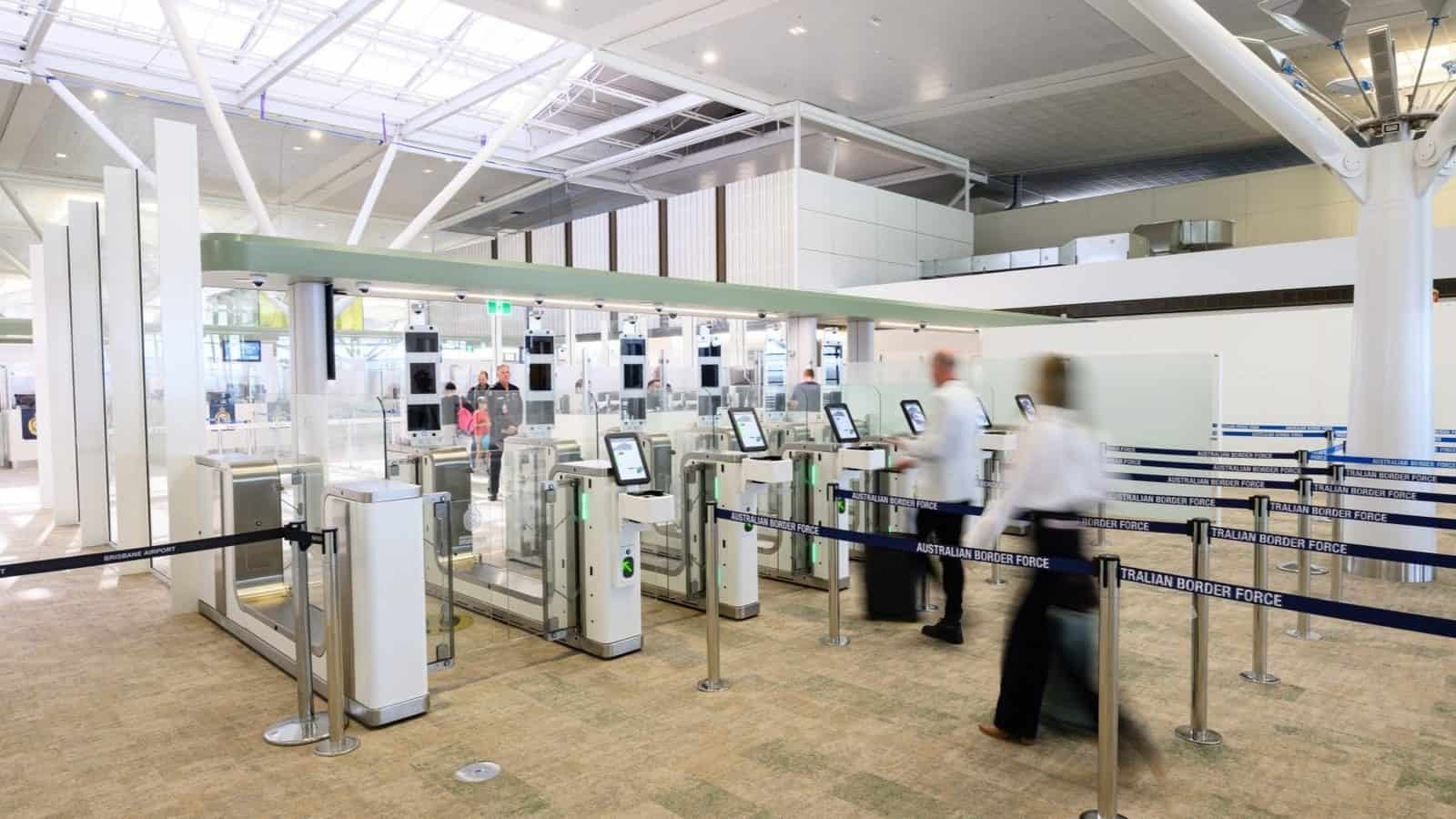
Australia’s major international gateways faced a difficult start to the school holiday rush after a 14-hour electronic gate failure disrupted border processing. The Australia airport e gate outage affected arriving and departing passengers at Sydney Airport, Brisbane Airport and Melbourne Airport, requiring Australian Border Force officers to process travellers manually.
The technical issue began at about 9pm on Thursday and continued until shortly after 11am on Friday. Additional officers were deployed as queues developed, while technicians worked to restore the system. The incident mattered because it coincided with rising holiday traffic and increased pressure on international terminal operations across Australia.
E Gates Restored After 14 Hour Technical Failure
The electronic gates were brought back online shortly after 11am on Friday, ending an outage that had lasted for about 14 hours. The technical failure had started at approximately 9pm on Thursday and affected passengers travelling through three major international gateways.
During the Australia airport e gate outage, automated border processing could not be used. Travellers arriving in and departing from the country therefore had to be processed manually by Australian Border Force officers at Sydney Airport, Brisbane Airport and Melbourne Airport.
Advertisement
Advertisement
Once the systems were restored, queues were reported to have eased. The cause of the failure had not been confirmed and remained under investigation. Travellers were thanked for their patience while the disruption was being managed and technical work was carried out.
Advertisement
Advertisement
The restoration ended a significant airport disruption in Australia at a busy point in the travel calendar. It also returned automated passport processing to the affected airports before holiday passenger numbers were expected to build further.
Manual Passenger Processing Introduced Across Three Airports
As the automated gates became unavailable, manual border checks were introduced at Sydney Airport, Brisbane Airport and Melbourne Airport. Additional Australian Border Force officers were deployed to support passenger processing and manage queues while the electronic systems remained offline.
Both arriving and departing international passengers were affected, meaning the disruption was not confined to one direction of travel. Manual processing remained in place until the e-gate network could be restored.
Advertisement
Advertisement
The airport disruption in Australia was managed through increased staffing, while technicians worked on the affected system. No cause was provided in the supplied information, and the technical issue continued to be investigated after services resumed.
For travellers, the immediate operational impact was clear: automated checks were temporarily replaced by officer-led processing across the three international airports. The response was focused on maintaining border clearance while the technology remained unavailable.
Advertisement
Advertisement
School Holiday Rush Adds Pressure To International Terminals
The outage coincided with the beginning of school holidays in Queensland and Victoria, when airports were preparing for higher passenger traffic.
At Brisbane Airport, international travel between 18 September and 12 October was forecast to increase by 6.1 per cent compared with the same period a year earlier. The failure therefore occurred just as stronger international activity was being expected.
The timing made the Australia airport e gate outage especially relevant for holiday travellers. Sydney Airport and Melbourne Airport were affected by the same technical problem, with passengers processed manually until the system returned.
Queues were subsequently reported to have eased after the electronic gates were restored on Friday morning. The recovery was therefore completed as the school holiday travel period was getting under way in two states.
Brisbane Airport Opens New 12 Lane Passport Control Area
The disruption also came as Brisbane Airport opened a new 12-lane passport control area in its International Terminal. The relocated facility had been designed to improve passenger flow and provide a simpler, faster processing experience.
Advertisement
Advertisement
The opening had been timed ahead of the school holiday rush, when increased international travel was expected. The facility was intended to reduce stress at the start of journeys by improving movement through passport control.
Its introduction took place during the wider airport disruption in Australia, placing border-processing capacity firmly in focus. Although the new facility was separate from the e-gate failure, it formed part of preparations for higher passenger volumes.
The timing was notable because the airport was simultaneously preparing for forecast international growth and responding to a temporary failure in automated border processing.
The latest technical failure was also described as following earlier disruptions affecting Australia’s airport passport-processing systems, although no further details about those incidents were provided.
Conclusion
The 14-hour Australia airport e gate outage was resolved shortly after 11am on Friday, allowing electronic processing to resume at Sydney Airport, Brisbane Airport and Melbourne Airport. During the failure, passengers were processed manually and additional Australian Border Force officers were deployed to manage queues.
The disruption arrived as school holidays began in Queensland and Victoria, while stronger international traffic was forecast at Brisbane. With the gates restored, queues were reported to have eased, although the technical cause remained under investigation. The episode placed renewed attention on border-processing resilience during busy travel periods at Australia’s international airports this holiday season.
Advertisement
