
Japan Travel Takes a New Turn as Tourists Look Beyond Tokyo, Kyoto and Osaka for Regional Adventures

Published
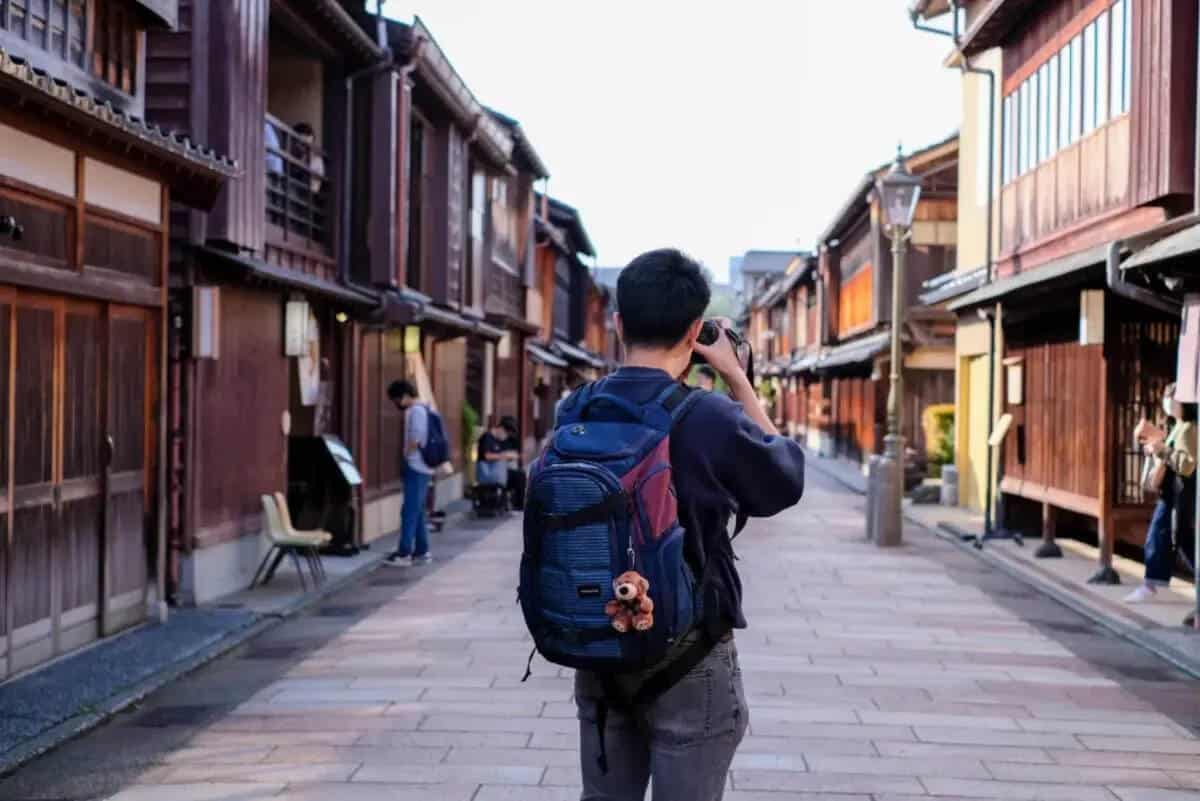
The international tourism map of Japan is now slowly taking the route away from the traditional circuit of Tokyo, Kyoto, and Osaka as more tourists are including more destinations in their trips. This is not to say that the popular spots for tourism in Japan are being left alone; rather, they are becoming an integral part of a larger itinerary with Tokyo as the point of departure.
New booking and enquiry data from a Japan-based tour provider indicates that international interest in destinations outside the traditional tourism corridor has accelerated during 2026. Enquiries involving places beyond Tokyo, Kyoto and Osaka increased by 65% year-on-year, highlighting a significant change in the way overseas visitors are planning their holidays.
Among the destinations attracting particularly strong attention are Nikko, Kamakura, Kanazawa and Takayama. Each offers a different side of Japan, ranging from historic temples and mountain scenery to preserved neighbourhoods, traditional architecture and regional culture.
The figures suggest that Japan’s tourism recovery is entering a more mature phase. Travellers are no longer necessarily satisfied with simply visiting the country’s most famous attractions. Increasing numbers are looking for journeys that combine globally recognised cities with smaller destinations where they can spend more time experiencing local culture.
Advertisement
Advertisement
Tokyo Remains the Main Gateway Despite Growing Regional Demand
The growing popularity of regional Japan does not mean international travellers are turning away from Tokyo.
More than 95% of package travellers included in the latest booking data continued to begin their Japanese journeys in the capital. Tokyo therefore remains firmly positioned at the centre of international itineraries, even as travellers expand the geographical scope of their holidays.
Advertisement
Advertisement
The emerging pattern is one of diversification rather than replacement.
Visitors can spend several days exploring Tokyo before using its extensive transport connections to reach historic towns, coastal areas, mountain destinations and other regional attractions. For travellers who do not want to change hotels frequently, day trips also provide a relatively simple way to experience another destination while maintaining accommodation in the capital.
This behaviour is helping Tokyo evolve from being simply a destination into a wider tourism hub connecting visitors with multiple Japanese experiences.
Nikko Emerges as a Major Beneficiary of Changing Travel Patterns
Nikko has become one of the clearest beneficiaries of the shift towards regional exploration.
Passenger numbers for small-group day tours between Tokyo and Nikko increased by 42% year-on-year during the first half of 2026, demonstrating particularly strong demand for destinations that can be incorporated into a Tokyo-based itinerary.
Located north of the capital, Nikko offers a markedly different environment from metropolitan Tokyo. The destination combines important cultural heritage with forest landscapes, historic religious sites and mountain scenery.
Advertisement
Advertisement
Its accessibility makes it especially attractive to travellers who want to see another side of Japan without undertaking a lengthy multi-day journey.
The growth also illustrates a wider tourism trend. International visitors increasingly appear willing to travel beyond major cities when regional experiences can be conveniently integrated into an existing itinerary.
Kamakura Attracts Travellers Looking Beyond Central Tokyo
Kamakura is another destination recording increased visitor interest.
Bookings connected with Kamakura increased by approximately 12%, adding further evidence that international travellers are seeking historical and cultural experiences within relatively easy reach of Tokyo.
The coastal city offers temples, shrines, heritage attractions and a distinctive atmosphere that contrasts with the dense urban environment of the Japanese capital.
Kamakura can also be combined with nearby Enoshima, creating an itinerary mixing heritage, coastal landscapes and leisure experiences.
Advertisement
Advertisement
The combination is increasingly relevant to visitors who want greater variety during their Japanese holiday. Instead of travelling between only three major metropolitan destinations, tourists can now build itineraries containing cities, historic settlements, mountains and coastal locations.
This creates opportunities for regional tourism economies while giving travellers a more diverse view of Japan.
Kanazawa Gains Ground as Cultural Tourism Expands
Further away from Tokyo, Kanazawa is also benefiting from the growing demand for regional experiences.
Bookings for the destination increased by around 11%, indicating that travellers are increasingly prepared to incorporate destinations beyond Japan’s most internationally recognised tourism centres.
Kanazawa has developed a strong position within Japan’s cultural tourism landscape. Its appeal is closely associated with preserved districts, traditional crafts, gardens, historic architecture and regional food culture.
For international travellers who have already visited Japan once, destinations such as Kanazawa can offer a fresh perspective without removing the familiar cities entirely from an itinerary.
Advertisement
Advertisement
This is particularly important as repeat visitation grows. Returning travellers frequently have greater confidence navigating Japan’s transport system and may be more willing to explore destinations they did not experience during their first journey.
Takayama Strengthens Japan’s Regional Tourism Appeal
Takayama has also recorded increased demand, with bookings rising by approximately 9%.
Its growing popularity fits the broader movement towards slower and more culturally immersive tourism.
Located in mountainous central Japan, Takayama offers travellers a significantly different environment from Tokyo, Kyoto and Osaka. Its historic streets, traditional buildings and regional identity make it attractive to visitors seeking experiences connected with Japan’s smaller communities and cultural heritage.
Destinations of this kind can become increasingly important as Japan works to distribute tourism demand across a wider geographical area.
International tourism concentrated overwhelmingly within a limited number of cities can place pressure on transport networks, attractions and residential neighbourhoods. Encouraging visitors to explore additional destinations can potentially spread some of the economic benefits of tourism while also creating more varied itineraries.
Advertisement
Advertisement
Overtourism Concerns Are Changing the Tourism Conversation
The shift towards regional travel is occurring as Japan continues to confront the pressures created by exceptionally strong international tourism demand.
Several of the country’s best-known destinations have faced concerns surrounding congestion and visitor concentration, particularly at heavily visited cultural attractions and neighbourhoods.
Against this backdrop, regional tourism provides an increasingly important opportunity.
Rather than discouraging visitors from travelling to Japan’s established destinations, broader itinerary planning can encourage tourists to divide their time between major cities and less heavily visited areas.
This approach can potentially reduce pressure on individual locations while spreading visitor spending across a larger number of communities.
Regional dispersal is therefore becoming increasingly relevant to the long-term sustainability of Japan’s international tourism sector.
Advertisement
Advertisement
Repeat Visitors Are Reshaping Japanese Holidays
Another significant development is the rising proportion of travellers returning to Japan.
The share of second-time visitors within the analysed bookings increased from 5% to 12%, more than doubling compared with the previous level.
Repeat travellers can play an important role in expanding regional tourism.
First-time visitors often prioritise internationally famous landmarks because they want to experience the destinations most strongly associated with Japan. Tokyo, Kyoto and Osaka naturally dominate many introductory itineraries.
A second or third journey can look considerably different.
Travellers who have already experienced major attractions may be more interested in smaller cities, countryside destinations, regional cuisine, traditional communities or specialised cultural activities.
Advertisement
Advertisement
This creates an opportunity for destinations outside the established tourism corridor to capture a greater share of international demand.
Personalised Travel Becomes More Important in 2026
Customised tourism is also gaining momentum.
Custom tour bookings increased by 17%, while enquiries specifically mentioning flexibility, personalisation or tailor-made itineraries climbed by 23%.
These figures point towards another important change in traveller expectations.
Instead of purchasing identical itineraries built around the same sequence of destinations, more visitors appear interested in designing journeys around their individual priorities.
One traveller may focus on food and culture. Another may prefer temples, gardens and historic architecture. Others may prioritise nature, photography, shopping, coastal scenery or smaller communities.
Advertisement
Advertisement
Japan is particularly well positioned for this form of travel because dramatically different experiences can often be combined within a single journey.
Its rail and wider transport infrastructure also makes it possible for international visitors to connect major metropolitan centres with numerous secondary destinations.
International Visitors Are Spending Longer Exploring Japan
The average duration of package tours has also increased.
The latest figures show average trips rising from eight days to ten days, suggesting visitors are allocating more time to their Japanese holidays.
An additional two days can significantly change itinerary possibilities.
A short trip often forces travellers to concentrate on a small number of major destinations. Longer stays provide greater flexibility to incorporate day trips, overnight regional visits and slower-paced exploration.
Advertisement
Advertisement
This development could benefit destinations beyond Tokyo, Kyoto and Osaka because travellers have more time available to explore places that would otherwise be removed from tightly scheduled itineraries.
Longer holidays may also support accommodation providers, restaurants, attractions, transport operators and tourism businesses across a broader range of destinations.
Japan Tourism Moves Beyond the Traditional Checklist
Taken together, the latest booking patterns suggest Japan’s international tourism market is gradually moving away from the traditional checklist holiday.
Tokyo, Kyoto and Osaka remain enormously important and are likely to retain their status as major international tourism destinations. However, they increasingly appear to be functioning as anchors within larger and more diverse itineraries.
Travellers are combining famous attractions with smaller cities, historic towns, coastal destinations and mountain regions.
The result is a more layered form of tourism in which visitors can experience different aspects of Japanese life within the same trip.
Advertisement
Advertisement
Tokyo’s role illustrates this transformation particularly clearly. The capital remains the dominant gateway, yet its importance is increasingly extending beyond attractions located within the city itself.
Regional Tourism Could Become a Bigger Part of Japan’s Growth Story
The rise of Nikko, Kamakura, Kanazawa and Takayama demonstrates how regional destinations can participate more strongly in Japan’s international tourism economy.
Demand is being supported by several interconnected changes: more repeat visitors, longer holidays, stronger interest in personalised itineraries and growing awareness of destinations beyond the country’s traditional tourism circuit.
For regional communities, this creates significant opportunities.
International visitors who travel beyond major metropolitan areas can generate spending across accommodation, dining, transportation, retail, attractions and local tourism services. This can distribute the economic impact of tourism more widely rather than concentrating expenditure within a handful of established destinations.
The trend may also encourage tourism businesses to develop new routes, excursions and multi-destination itineraries connecting major gateways with smaller locations.
Advertisement
Advertisement
A Broader Picture of Japan Is Emerging
Japan’s tourism story in 2026 is therefore becoming increasingly geographical.
The classic journey connecting Tokyo, Kyoto and Osaka remains powerful, particularly among first-time international visitors. Yet the country’s regional destinations are becoming more visible as travellers seek deeper experiences and greater flexibility.
A 65% increase in enquiries for destinations beyond the traditional tourism corridor, a 42% rise in Nikko day-tour passengers, stronger bookings for Kamakura, Kanazawa and Takayama, a rising proportion of repeat visitors and longer average holidays collectively point in the same direction.
International travellers are not abandoning Japan’s iconic destinations. They are expanding the journey around them.
Tokyo remains the gateway, but the holiday increasingly continues far beyond the capital. As visitors spend more time in the country and become more confident exploring lesser-known destinations, regional Japan could take a substantially larger role in the next phase of the country’s international tourism growth.
Advertisement
