

Vietnam, Japan And More Asian Countries Steps Up To Protect Tourism Gems With Visitor Limits And Strict Restrictions

Published
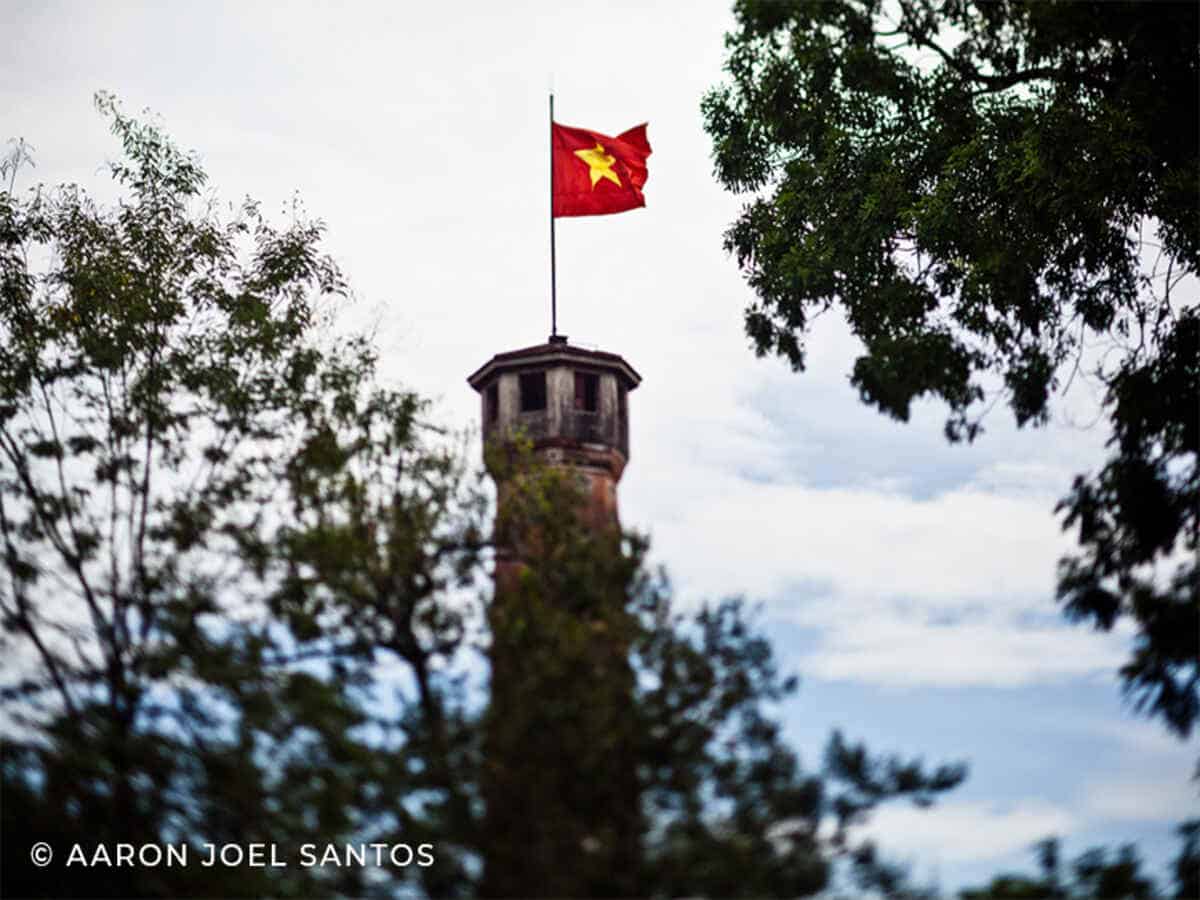
Visitor controls and tough conservation regulations are employed in Vietnam, Japan and Asia for protecting their precious tourism locations. In Vietnam, Japan and other countries in Asia, there is increasing use of protection regulations for some of the most important tourism sites since many governments are keen on protecting their natural scenery and cultural assets. From Vietnam’s century old Bien Ho tea region, to historic villages in Japan and recovering beaches in Thailand, some of the tourism destinations in Asia have introduced visitor regulations and conservation policies in 2026.
The shift reflects a new tourism approach where countries are moving beyond simply attracting more visitors. Authorities are increasingly protecting forests, islands, heritage towns, marine ecosystems and cultural landmarks through controlled access, regulated development and responsible travel policies. These measures aim to ensure that iconic destinations remain attractive for future generations while continuing to support local economies.
Advertisement
Advertisement
Vietnam Protects Century-Old Landscapes With Tourism Controls And Conservation Plans
Vietnam is strengthening efforts to protect important tourism landscapes, including the Bien Ho Tea Area and century-old pine rows in Gia Lai Province, as part of a wider sustainable tourism strategy.
The destination, located in Vietnam’s Central Highlands, combines historic tea plantations, ancient pine trees, volcanic landscapes and cultural attractions. The area has become a popular visitor destination for nature tourism, photography and cultural experiences.
Advertisement
Advertisement
The protection plan focuses on maintaining the unique identity of the landscape by controlling development and preventing activities that could damage the scenery.
Vietnam’s 2026 Tourism Protection Measures
| Protected Tourism Asset | Protection Approach |
|---|---|
| Bien Ho Tea Area | Preserve historic tea landscapes and agricultural heritage |
| Century-old pine rows | Protect ancient trees and scenic routes |
| Surrounding landscapes | Control construction and commercial activities |
| Visitor experience | Improve facilities without harming nature |
| Cultural sites | Link conservation with sustainable tourism |
Vietnamese authorities are reviewing the landscape value of the area and considering stronger recognition and management systems. Local agencies are responsible for preventing illegal construction, land encroachment and activities that could reduce the destination’s tourism value.
Advertisement
Advertisement
The country is also protecting other major attractions through national parks, heritage conservation programmes and green tourism development.
Japan Protects Historic Villages And Natural Landscapes Through Visitor Management
Japan has developed one of Asia’s most structured approaches to tourism protection, focusing on preserving historic communities, cultural landscapes and natural environments.
One major example is Shirakawa-go, a UNESCO World Heritage village famous for its traditional Gassho-style houses. The village maintains strict controls to protect its unique appearance.
Japan’s 2026 Protection Strategy
| Tourism Place | Protection Method |
|---|---|
| Shirakawa-go Village | Limits on modern construction and heritage preservation |
| Mount Fuji | Visitor management and environmental protection |
| Kyoto Historic Areas | Protection of traditional architecture |
| Yakushima Island | Forest conservation and controlled tourism |
Japan focuses on preventing excessive tourism pressure by managing visitor movement, maintaining traditional structures and involving local communities in conservation.
The country’s approach shows how heritage destinations can welcome travellers while protecting their cultural identity.
Bhutan Protects Himalayan Tourism Through Low-Impact Visitor Policies
Bhutan has created a tourism model based on protecting its natural and cultural resources.
Advertisement
Advertisement
The Himalayan kingdom follows a controlled tourism approach designed to maintain environmental and cultural balance.
Bhutan’s Tourism Protection Measures
- Controls tourism intensity.
- Promotes high-value, low-impact travel.
- Protects monasteries, mountains and traditional villages.
- Supports environmental conservation through tourism revenue.
Bhutan’s strategy limits pressure on fragile Himalayan landscapes while allowing visitors to experience its unique culture and natural beauty.
Thailand Uses Visitor Restrictions To Restore Fragile Island Destinations
Thailand has introduced some of Asia’s most visible tourism protection measures, particularly for coastal destinations affected by large visitor numbers.
The best-known example is Maya Bay in Krabi, where tourism restrictions were introduced after environmental pressure increased.
Thailand’s 2026 Protection Actions
| Destination | Protection Measure |
|---|---|
| Maya Bay | Visitor restrictions and ecosystem recovery |
| Similan Islands | Controlled access and marine protection |
| National Parks | Tourism management systems |
Thailand’s approach includes temporary closures, visitor controls, marine conservation and restrictions on activities that could harm ecosystems.
The country aims to protect beaches, coral reefs and marine habitats while maintaining tourism appeal.
Advertisement
Advertisement
Indonesia Protects Islands, Marine Ecosystems And Cultural Landscapes
Indonesia is protecting some of Asia’s most famous tourism destinations by focusing on environmental conservation.
Bali Protection Efforts
Bali is strengthening measures to protect its cultural landscape through:
- Heritage conservation.
- Waste management improvements.
- Sustainable tourism planning.
- Protection of traditional systems.
Komodo National Park Conservation
The park protects:
- Komodo dragons.
- Marine ecosystems.
- Coral reefs.
- Island biodiversity.
Indonesia’s Tourism Protection Model
| Area | Protection Focus |
|---|---|
| Bali | Cultural heritage and sustainable development |
| Komodo National Park | Wildlife and marine conservation |
| Coastal areas | Ecosystem protection |
Indonesia is increasingly balancing international tourism demand with environmental responsibility.
Philippines Protects Islands Through Tourism Recovery And Visitor Controls
The Philippines has introduced strict conservation actions for fragile island destinations.
Boracay Island Rehabilitation
Boracay faced environmental challenges after rapid tourism expansion. Authorities introduced a major rehabilitation programme.
Advertisement
Advertisement
Protection measures included:
- Removing illegal structures.
- Improving wastewater systems.
- Managing visitor numbers.
- Protecting coastal areas.
Philippines Tourism Protection Measures
| Destination | Action |
|---|---|
| Boracay | Environmental rehabilitation |
| Tubbataha Reefs | Marine conservation |
| Palawan | Ecosystem protection |
The country continues to promote sustainable island tourism while reducing environmental pressure.
Malaysia Protects Rainforests And Biodiversity Hotspots
Malaysia protects important nature destinations through national parks and conservation areas.
Key Protected Tourism Sites
Kinabalu National Park
Protection includes:
- Controlled trekking.
- Biodiversity conservation.
- Protection of rare species.
Gunung Mulu National Park
Authorities protect:
- Ancient caves.
- Rainforests.
- Wildlife habitats.
Malaysia’s conservation approach allows visitors to experience nature while maintaining ecological balance.
Advertisement
Advertisement
South Korea Preserves Traditional Villages And Cultural Tourism Sites
South Korea protects heritage destinations by maintaining historic architecture and traditional communities.
Hahoe Folk Village Protection
Measures include:
- Preserving traditional houses.
- Restricting unsuitable development.
- Protecting cultural activities.
South Korea combines heritage protection with modern visitor management to maintain authentic tourism experiences.
India Protects Heritage Sites, Wildlife Areas And Natural Landscapes
India is strengthening protection of tourism destinations through conservation programmes covering cultural and natural attractions.
Major Protection Examples
| Destination | Protection Focus |
|---|---|
| Western Ghats | Biodiversity conservation |
| Kaziranga National Park | Wildlife protection |
| Heritage cities | Historic restoration |
India’s tourism protection strategy focuses on preserving natural ecosystems, historic architecture and cultural identity while managing growing visitor interest.
Maldives Protects Marine Tourism Through Ocean Conservation
The Maldives depends heavily on tourism and is protecting its fragile island environment.
Advertisement
Advertisement
Protection measures include:
- Coral reef restoration.
- Marine conservation zones.
- Sustainable resort practices.
- Waste management programmes.
The country’s tourism future depends on maintaining healthy oceans, beaches and marine ecosystems.
China Controls Tourism Development Around Natural And Cultural Attractions
China protects major tourism destinations through conservation systems and visitor management.
Examples:
| Destination | Protection Focus |
|---|---|
| Zhangjiajie National Forest Park | Landscape protection |
| Ancient villages | Cultural preservation |
| Natural heritage areas | Environmental monitoring |
China manages tourism growth by controlling infrastructure development and protecting scenic landscapes.
Asian Countries Tourism Protection Blueprint In 2026
| Country | Protected Tourism Area | Main Protection Measure |
|---|---|---|
| Vietnam | Bien Ho Tea Area | Landscape protection and controlled development |
| Japan | Shirakawa-go | Heritage conservation and visitor management |
| Bhutan | Himalayan landscapes | Low-impact tourism |
| Thailand | Maya Bay | Visitor limits and ecosystem restoration |
| Indonesia | Bali and Komodo | Cultural and marine protection |
| Philippines | Boracay | Environmental rehabilitation |
| Malaysia | Kinabalu National Park | Biodiversity conservation |
| South Korea | Hahoe Village | Cultural preservation |
| India | Heritage sites and national parks | Conservation programmes |
| Maldives | Coral islands | Marine protection |
| China | Zhangjiajie | Scenic area management |
Asia’s Tourism Future Depends On Protecting Its Most Valuable Destinations
Vietnam, Japan and more Asian countries are entering a new era of tourism management where conservation is becoming as important as visitor growth. Governments are introducing visitor restrictions, development controls and environmental protection measures to protect destinations from long-term damage.
From Vietnam’s ancient pine landscapes and tea plantations to Japan’s historic villages, Thailand’s beaches and Indonesia’s marine ecosystems, Asia is creating a balance between tourism expansion and preservation.
Advertisement
Advertisement
Tourism spots in Vietnam, Japan and many other Asian countries are being preserved through tourist caps, stringent restrictions, and sustainable conservation plans in 2026.
The theme throughout Asia is evident: conserving tourism sites now is vital for future generations of tourists to discover these tourism sites.
Frequently Asked Questions (FAQs)
1. Why are Vietnam, Japan and other Asian countries introducing visitor limits at tourism destinations?
Asian countries are introducing visitor limits to protect fragile landscapes, cultural heritage sites, forests, islands and ecosystems from overcrowding, uncontrolled development and environmental damage while ensuring long-term tourism growth.
2. How is Vietnam protecting its tourism gems in 2026?
Vietnam is protecting destinations such as the Bien Ho Tea Area and century-old pine rows in Gia Lai by controlling construction, preventing landscape damage, preserving agricultural heritage and promoting sustainable tourism development.
3. Which Asian countries are using tourism restrictions to protect natural attractions?
Countries including Vietnam, Japan, Thailand, Indonesia, the Philippines, Malaysia, Bhutan, India, South Korea, Maldives and China are using conservation policies, visitor management and protected-area systems to safeguard important tourism locations.
4. Why did Thailand introduce restrictions at Maya Bay?
Thailand introduced tourism controls at Maya Bay to help restore marine ecosystems, protect coral reefs and reduce environmental pressure caused by high visitor numbers.
Advertisement
Advertisement
5. How does Japan protect its historic tourism destinations?
Japan protects destinations such as Shirakawa-go by controlling construction, preserving traditional architecture, managing visitor flows and involving local communities in heritage conservation.
6. What makes Vietnam’s Bien Ho Tea Area important for tourism?
The Bien Ho Tea Area combines century-old tea plantations, historic pine rows, cultural landmarks and highland landscapes, making it an important destination for nature, photography and cultural tourism.
Advertisement
