
American Airlines Wheelchair Damage Allegations Renew Pressure for Stronger Disabled Passenger Protection

Published
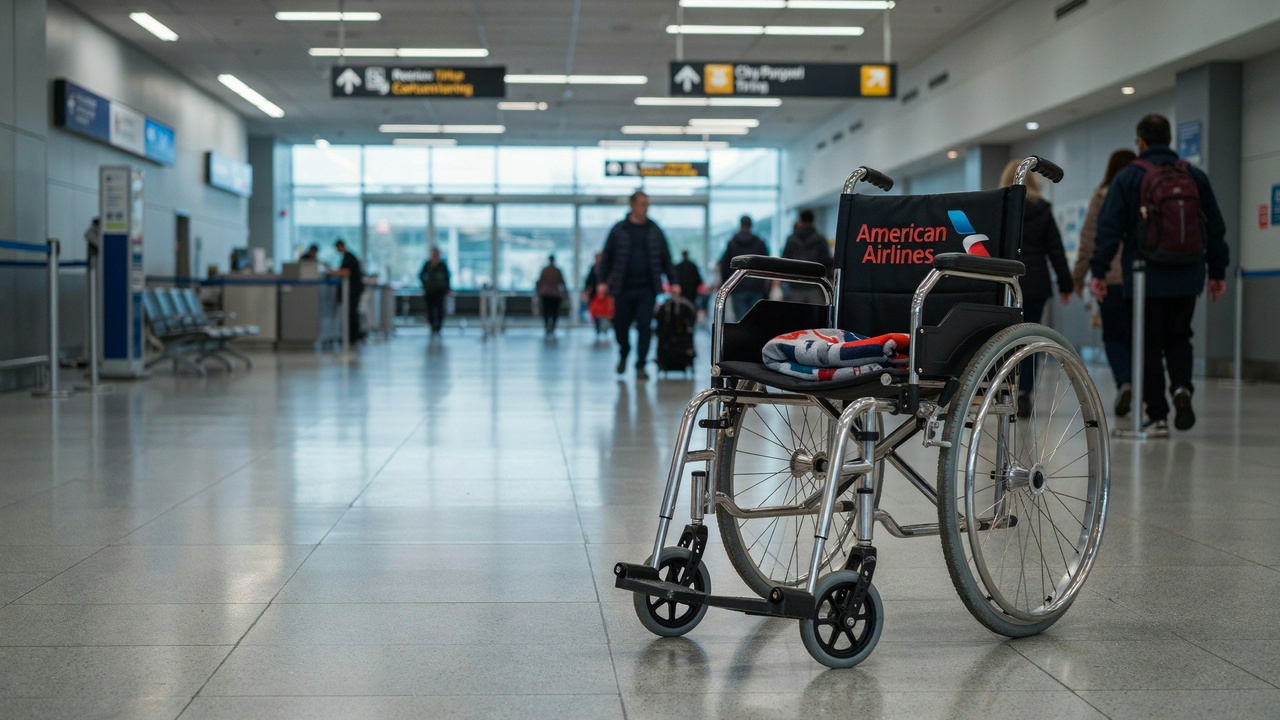
Dallas, Texas, has become the centre of a troubling aviation accessibility controversy after television personality Abby Lee Miller alleged that American Airlines severely damaged her motorised wheelchair during a journey from Mazatlán, Mexico, to Dallas Fort Worth International Airport. The incident has raised concerns about how airlines handle essential mobility equipment and assist passengers when devices become unusable. American Airlines has apologised and reported arrangements for temporary replacement equipment and repairs. The controversy follows a major US Department of Transportation enforcement action against the airline in 2024 involving disability-related violations. However, the precise cause of the latest damage remains unverified.
US Travel Controversy Intensifies as American Airlines Faces Wheelchair Damage Allegations
American Airlines is facing renewed scrutiny over its handling of passengers with disabilities following allegations that a motorised wheelchair belonging to television personality Abby Lee Miller was severely damaged during an international journey. The incident reportedly occurred after Miller travelled from Mazatlán, Mexico, to Dallas Fort Worth International Airport, where she said her wheelchair was returned in a condition that prevented her from using it. During an interview released on 22 October 2026, Miller described receiving the equipment at approximately 2 am and requiring assistance from airport personnel to continue her journey. She subsequently shared photographs and videos on social media showing apparent damage to wheelchair components, including the armrest and headrest. The incident has attracted attention because powered wheelchairs are essential mobility devices rather than ordinary baggage, and their damage can significantly affect a passenger’s independence. However, the precise circumstances surrounding the damage have not been established through a completed official investigation.
Advertisement
Advertisement
Dallas Fort Worth Airport Incident Highlights Challenges Facing Disabled Air Passengers
The reported experience at Dallas Fort Worth International Airport illustrates the difficulties passengers can encounter when essential mobility equipment becomes unusable after a flight. According to Miller’s account, she was unable to continue using her powered wheelchair after arrival and required assistance with a manual device before reaching her onward transport. For travellers who depend on personally configured wheelchairs, such incidents can create challenges extending beyond the airport, particularly when replacement equipment does not provide the same support, positioning or mobility functions. Powered wheelchairs are frequently adapted to individual requirements, meaning that damage can interfere with daily activities, accommodation transfers and planned travel arrangements. The incident has therefore renewed discussion about the responsibilities of airlines and ground-handling teams when transporting mobility devices. Although Miller’s account describes significant disruption, the available reporting does not establish which handling procedure caused the damage or whether responsibility has been formally determined.
American Airlines Apologises and Begins Arranging Wheelchair Repairs
American Airlines has acknowledged Miller’s complaint and apologised for her experience, stating that representatives contacted her directly and arranged a rental wheelchair while working towards repairs. The airline’s response followed public criticism concerning the assistance she reportedly received immediately after arriving in Dallas. Miller subsequently acknowledged through social media that replacement equipment had been offered the following day, although she continued to express dissatisfaction with the handling of her original wheelchair. The distinction between assistance provided immediately after landing and arrangements made later is important because passengers may require suitable mobility equipment before they can leave an airport safely and independently. A temporary wheelchair may provide some mobility, but it may not replicate the specialised features of a personally configured powered device. The available information does not confirm that Miller’s original wheelchair has been fully repaired or that a final settlement has been reached concerning the incident.
Advertisement
Advertisement
Battery Handling Dispute Raises Serious Questions About Airline Mobility Equipment Procedures
The controversy has also highlighted the technical challenges associated with transporting battery-powered wheelchairs on commercial aircraft. Miller alleged that disagreements occurred over the handling of her wheelchair’s battery and the procedures used to prepare the device for transport. In videos shared following the incident, she described watching airport personnel move the wheelchair between aircraft and ground-handling areas while discussing whether components needed to be disconnected. She maintained that instructions had been provided concerning the equipment’s safe handling and believed those directions were not followed appropriately. However, these statements represent her account rather than independently verified findings about the airline’s procedures. Battery-powered mobility devices require particular attention because handling requirements depend on battery chemistry, wheelchair design, aircraft specifications and aviation safety regulations. American Airlines advises passengers to contact its Special Assistance team before travelling with powered mobility equipment so that appropriate transport arrangements can be confirmed. Travellers should provide detailed handling instructions and avoid disconnecting batteries without verifying the requirements applicable to their specific devices.
US Government’s Historic Fifty Million Dollar Penalty Returns to the Spotlight
The latest allegations have renewed attention surrounding a major enforcement action taken against American Airlines by the US Department of Transportation in October 2024. Federal authorities assessed a US$50 million civil penalty following an investigation into disability-related aviation violations involving wheelchair assistance, unsafe passenger transfers, delayed support and mishandling of mobility equipment. The investigation examined incidents occurring between 2019 and 2023 and identified failures that affected the safety, dignity and independence of passengers with disabilities. The enforcement action was particularly significant because the penalty substantially exceeded previous sanctions imposed for comparable accessibility violations. In December 2025, the Department of Transportation amended the payment arrangements, redirecting approximately US$16.8 million of remaining Treasury payments towards approved accessibility improvements and compensation. However, the historical enforcement findings are separate from Miller’s October 2026 allegations and should not be interpreted as an official determination concerning her recent experience.
Advertisement
Advertisement
Thousands of Wheelchairs Mishandled Across Major US Airlines Despite Industry Improvements
Wheelchair damage remains a wider concern across the American aviation industry, with official statistics demonstrating that mobility equipment mishandling continues to affect thousands of passengers annually. According to US Department of Transportation figures reported in October 2026, the ten largest American airlines and their subsidiaries transported 907,259 wheelchairs and other mobility devices during 2025, with 9,910 reported incidents of mishandling. This represented a rate of approximately 1.09 per cent, compared with 1.26 per cent during 2024, suggesting an improvement in overall handling performance. Nevertheless, the figures demonstrate that damage, delays and other equipment-related problems remain significant challenges for passengers who rely on mobility devices. Unlike ordinary luggage, a wheelchair may be individually configured to support posture, movement and daily independence, making replacement or repair considerably more complicated. Specialist components may not be immediately available at airports, potentially extending the disruption experienced by affected travellers.
American Airlines Accessibility Policies Explain Wheelchair Assistance and Passenger Compensation
American Airlines publishes detailed guidance for passengers travelling with wheelchairs, scooters and other mobility equipment, including recommendations intended to reduce handling problems and improve communication with airport personnel. The airline encourages travellers to label their devices clearly, record the make, model and serial number, document existing wear and provide written instructions explaining how equipment should be lifted, secured and transported. Passengers can request special assistance when booking or managing reservations, including support with boarding, connections and movement through airport terminals. The airline also recommends arriving at departure gates sufficiently early to discuss individual requirements with staff. If mobility equipment is delayed or damaged while in its care, American Airlines states that it will provide temporary replacement equipment and arrange prompt repairs. Where a device is lost or damaged beyond repair, the airline says it will arrange a replacement of the same or a comparable model. Travellers should report damage immediately and retain photographs, baggage records and repair documentation.
Advertisement
Advertisement
US Air Carrier Access Act Protects Passengers with Disabilities During Commercial Flights
Passengers with disabilities travelling on US airlines benefit from protections established under the Air Carrier Access Act and its implementing regulations, which address discrimination, accessibility assistance and the transportation of mobility equipment. These rules require airlines to provide appropriate assistance during boarding and disembarkation while ensuring that wheelchairs and other assistive devices are handled according to applicable safety requirements. The US Department of Transportation’s Airline Passengers with Disabilities Bill of Rights explains that qualifying assistive devices may be transported without being counted towards ordinary carry-on baggage allowances, subject to relevant aircraft and safety restrictions. The regulations also address compensation when mobility equipment is lost, damaged or destroyed, although the remedies available depend on individual circumstances and applicable legal provisions. Travellers who believe their rights have been violated can submit complaints to airlines and, where appropriate, the Department of Transportation. Maintaining written records and reporting incidents promptly can support the investigation and resolution of accessibility-related complaints.
International Travellers Should Prepare Powered Wheelchairs Carefully Before Flying
The incident highlights the importance of advance planning for passengers using powered wheelchairs on international flights, particularly when journeys involve multiple airports, connecting services or different aircraft types. Travellers should inform airlines about their equipment before departure, providing accurate details about its dimensions, weight, battery type and any special handling requirements. Photographs and written instructions can help ground-handling teams identify suitable lifting points, removable components and procedures for preparing the device for transport. Passengers should also confirm that their wheelchair can be accommodated on every aircraft included in their itinerary, especially when connecting flights are operated by different carriers. After arrival, travellers should inspect their equipment and report visible damage before leaving the airport whenever possible. Photographs, baggage tags and repair estimates may provide useful evidence if compensation becomes necessary. Although careful preparation cannot eliminate every risk, clear communication and accurate equipment information can help reduce avoidable handling problems.
Accessible Tourism Industry Faces Growing Pressure to Improve Passenger Confidence
The controversy involving Miller illustrates a continuing challenge for airlines, airports and tourism businesses seeking to provide reliable travel experiences for passengers with disabilities. Accessible aviation requires more than assistance during boarding and disembarkation because travellers must also be able to rely on the safe transportation and timely return of equipment essential to their independence. When a wheelchair is damaged, the consequences may extend to hotel transfers, business commitments, sightseeing excursions and everyday activities at the destination. Improving passenger confidence therefore requires properly trained ground-handling personnel, equipment-specific procedures, suitable temporary replacements and effective communication when problems occur. The latest allegations do not establish that every American Airlines passenger experiences inadequate assistance, but they reinforce the importance of addressing individual complaints alongside broader industry performance. For international tourism, dependable accessibility services are essential to ensuring that travellers with different mobility requirements can participate in journeys safely, comfortably and with dignity.
Conclusion: American Airlines Wheelchair Incident Highlights Urgent Accessibility Challenges
The reported damage to Abby Lee Miller’s wheelchair has renewed attention on the difficulties passengers with disabilities can face during international air travel. Her account of arriving in Dallas without a usable powered wheelchair raises serious questions about equipment handling and timely assistance, although the precise cause remains unverified. American Airlines has apologised and reported arrangements for temporary replacement equipment and repairs. The incident also recalls the airline’s earlier federal enforcement action involving disability-related violations. For travellers, advance communication, equipment documentation and knowledge of passenger rights remain essential. For airlines, dependable assistance and improved handling procedures are critical to strengthening confidence in accessible aviation.
Advertisement
