
Europe’s Hidden Christmas Market Gems Steal the Spotlight with Magical Winter Escapes and Festive Wonders: All You Need to Know

Updated
Published
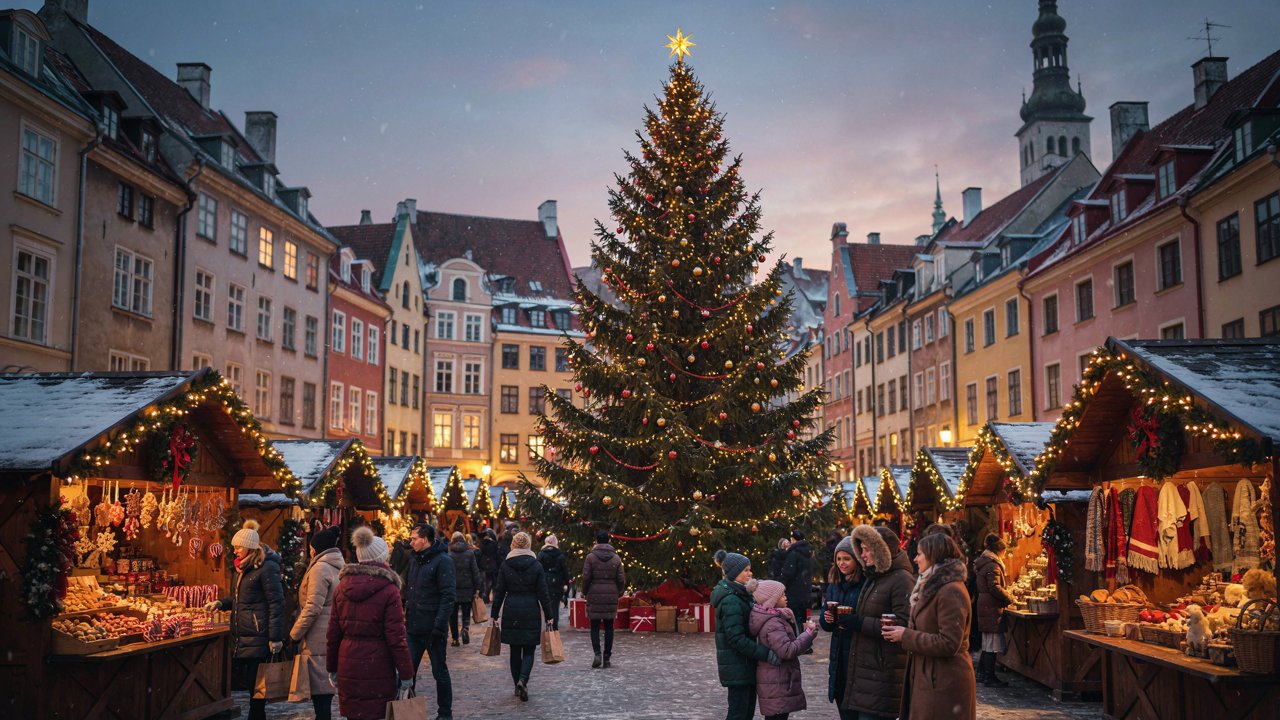
Europe’s Christmas tourism season is drawing fresh attention to five captivating destinations across the Baltic region and Central Europe. Tallinn in Estonia, Gdańsk in Poland, Riga in Latvia, Bratislava in Slovakia and Vilnius in Lithuania are emerging as appealing alternatives to the continent’s traditionally famous festive cities. Their historic squares, Christmas decorations, regional delicacies and artisan markets offer visitors an opportunity to discover local winter traditions. With medieval architecture, atmospheric streets and distinctive cultural experiences, these destinations present attractive possibilities for travellers planning a European Christmas holiday in 2026.
Tallinn, Estonia Brings Medieval Christmas Traditions into the Spotlight
Tallinn offers one of Europe’s most atmospheric Christmas experiences, combining medieval architecture with traditional Estonian festive celebrations.
Its Christmas market takes place in Town Hall Square, surrounded by historic buildings and cobbled streets in the UNESCO-listed Old Town.
For 2026, the market is scheduled from 20 November to 6 January 2027.
Advertisement
Advertisement
Visitors can explore wooden stalls offering handicrafts, seasonal decorations, gingerbread and traditional Estonian dishes.
A towering Christmas tree forms the centrepiece of the square. Tallinn’s public Christmas tree tradition dates back to 1441, adding considerable historical significance to the celebrations.
Advertisement
Advertisement
Families can enjoy carousel rides and seasonal entertainment, while the surrounding Old Town provides opportunities for sightseeing.
The combination of preserved architecture and winter festivities makes Tallinn particularly attractive to travellers interested in European heritage.
Gdańsk, Poland Combines Baltic Coastal Character with Festive Shopping
Gdańsk offers a distinctive Christmas experience through its historic city centre, colourful architecture and Baltic maritime heritage.
Its Christmas market traditionally transforms central streets and squares into a festive shopping destination filled with seasonal decorations and artisan stalls.
Visitors can discover handmade ornaments, jewellery, decorative gifts and Polish handicrafts.
Traditional food forms an important part of the experience, with pierogi, smoked cheese and warming winter refreshments among the seasonal attractions.
Advertisement
Advertisement
Beyond the market, Gdańsk offers architectural landmarks, historic waterfront streets and cultural attractions connected to its maritime history.
Its coastal setting distinguishes it from many inland Christmas market destinations.
For travellers, the city provides an opportunity to combine festive shopping with sightseeing and Polish culinary traditions.
Specific 2026 market dates should be confirmed before making travel arrangements.
Riga, Latvia Celebrates Christmas Through Traditional Crafts and Historic Squares
Latvia’s capital offers an appealing festive atmosphere centred on its UNESCO-listed historic district.
The Riga Old Town Christmas Market is scheduled to begin on 27 November 2026 and continue into early January 2027.
Advertisement
Advertisement
Dome Square provides the main setting, surrounded by historic buildings and church towers.
Visitors can browse handmade gifts, woollen accessories, beeswax candles and locally produced decorations.
Traditional Latvian food, gingerbread and seasonal refreshments contribute to the market atmosphere.
The programme also includes festive entertainment and activities suitable for families.
Riga’s Art Nouveau architecture offers another reason to extend a visit beyond the Christmas market.
Travellers can combine festive shopping with museum visits, architectural walks and cultural sightseeing.
Advertisement
Advertisement
Bratislava, Slovakia Offers a Relaxed Christmas Experience in Historic Squares
Bratislava’s Christmas celebrations take place across several historic squares in the Slovak capital.
The main 2026 Christmas markets are scheduled from 26 November to 3 January 2027, excluding 24 and 25 December.
Main Square and Hviezdoslav Square provide the principal locations for festive stalls, entertainment and seasonal decorations.
Visitors can sample Slovak dishes such as kapustnica, a traditional sauerkraut soup, alongside pastries and other winter specialities.
Handmade gifts, candles and Christmas decorations offer opportunities for seasonal shopping.
The city is also introducing sustainability measures, including reusable cups and waste-sorting facilities.
Advertisement
Advertisement
A dedicated accessible relaxation area provides a quieter environment for families, older visitors and people requiring additional comfort.
Bratislava’s compact historic centre makes it suitable for a short winter city break.
Vilnius, Lithuania Creates a Festive Wonderland Around Cathedral Square
Vilnius is preparing an extensive Christmas programme that combines traditional market activities with seasonal entertainment.
The city’s Christmas market will operate in Cathedral Square from 28 November to 27 December 2026.
A decorated Christmas tree will remain on display until 6 January 2027.
Visitors can explore festive stalls, purchase gifts and enjoy seasonal food and drinks.
Advertisement
Advertisement
Additional attractions include a Christmas carousel, a sightseeing train and an outdoor ice rink at Town Hall Square.
The ice rink is scheduled to operate from 29 November 2026 until 25 January 2027, extending the winter tourism season beyond Christmas.
Vilnius also offers a UNESCO-listed Old Town with historic churches, architectural landmarks and pedestrian-friendly streets.
Its combination of Christmas entertainment and cultural heritage makes it appealing to families and couples seeking a winter holiday.
Europe’s Christmas Market Destinations and Official 2026 Dates
| Country | City | Main Christmas market location | 2026–27 dates |
|---|---|---|---|
| Estonia | Tallinn | Town Hall Square | 20 November–6 January |
| Poland | Gdańsk | Historic city centre | Dates not independently confirmed |
| Latvia | Riga | Dome Square | 27 November–early January |
| Slovakia | Bratislava | Main Square and Hviezdoslav Square | 26 November–3 January |
| Lithuania | Vilnius | Cathedral Square | 28 November–27 December |
Dates refer to the festive season beginning in 2026 and ending in 2027 where applicable. Programmes and opening hours may change.
Traditional Christmas Food Adds Authenticity to Each Destination
Christmas markets offer visitors an opportunity to experience local food traditions alongside seasonal shopping.
Advertisement
Advertisement
Estonia is associated with gingerbread, sauerkraut and traditional festive meat dishes.
Poland offers pierogi and smoked cheeses, while Latvia features gingerbread, roasted nuts and regional specialities.
Slovakia’s Christmas markets introduce visitors to kapustnica, pastries and hot seasonal drinks.
Lithuania provides festive sweets, baked goods and winter refreshments.
These culinary experiences can make Christmas market visits particularly memorable because they connect travellers with local customs.
They also support food vendors, producers and hospitality businesses during the winter season.
Advertisement
Advertisement
Lesser-Known Festive Cities Offer New Opportunities for European Tourism
The growing appeal of these destinations reflects wider interest in alternatives to Europe’s most famous Christmas markets.
Travellers seeking different cultural experiences may find the Baltic capitals and Bratislava particularly attractive.
Historic architecture, traditional food and locally produced handicrafts provide experiences that differ from those offered by larger commercial shopping districts.
Christmas markets can also support winter tourism by encouraging hotel stays, restaurant visits and spending at local attractions.
However, lesser-known does not necessarily mean uncrowded. Popular market squares can become busy during weekends and immediately before Christmas.
Visitors should therefore consider weekday travel and advance accommodation bookings.
Advertisement
Advertisement
How Travellers Can Plan a Multi-Country Christmas Market Holiday?
The five destinations can be incorporated into a broader European winter itinerary, although travel distances require careful planning.
Tallinn, Riga and Vilnius form a practical Baltic route, with intercity transport connections allowing visitors to explore three capitals.
Gdańsk can be included in a wider Poland and Baltic itinerary, while Bratislava offers convenient access to neighbouring Central European destinations.
Visitors should check transport schedules, seasonal weather conditions and market opening dates before travelling.
Warm clothing, waterproof footwear and flexible sightseeing plans are advisable during November and December.
For travellers visiting multiple countries, allowing at least two nights in each major city can provide a more comfortable experience.
Advertisement
Advertisement
Frequently Asked Questions
1. Which five countries feature in this Christmas market selection?
Estonia, Poland, Latvia, Slovakia and Lithuania.
2. When does Tallinn Christmas Market begin in 2026?
Tallinn’s main Christmas market opens on 20 November 2026 and continues until 6 January 2027.
3. Which Christmas market is located in Cathedral Square?
Vilnius Christmas Market in Lithuania takes place in Cathedral Square.
Advertisement
Advertisement
4. Which destination is suitable for a Baltic Christmas market itinerary?
Tallinn, Riga and Vilnius offer a convenient combination of historic city centres and traditional Christmas experiences.
5. Are European Christmas markets free to enter?
Many public Christmas markets offer free entry, although food, shopping and additional activities generally involve charges.
6. Do all Christmas markets remain open after Christmas Day?
No. Operating periods vary. Tallinn and Bratislava continue into January, while Vilnius’s main market closes on 27 December 2026.
Advertisement
Advertisement
Europe’s Winter Tourism Appeal Expands Beyond Traditional Christmas Hotspots
Estonia, Poland, Latvia, Slovakia and Lithuania are offering travellers compelling reasons to explore Europe’s festive traditions beyond the continent’s most familiar holiday destinations.
Tallinn’s medieval setting, Gdańsk’s Baltic character, Riga’s artisan markets, Bratislava’s historic squares and Vilnius’s illuminated celebrations provide five distinctive winter experiences.
Together, these destinations demonstrate how Christmas tourism can combine cultural heritage, regional cuisine, local craftsmanship and seasonal entertainment.
For travellers planning Christmas 2026, these cities offer an opportunity to discover different European traditions while supporting local businesses and exploring historic urban landscapes.
The selection reflects emerging travel interest rather than an official European tourism ranking, but it highlights the growing variety of destinations available for memorable winter holidays.
Advertisement
