

Malaysia’s Penang Moves Towards Tourism Boom as Airport Expansion Unlocks Global Flights and Events

Updated
Published
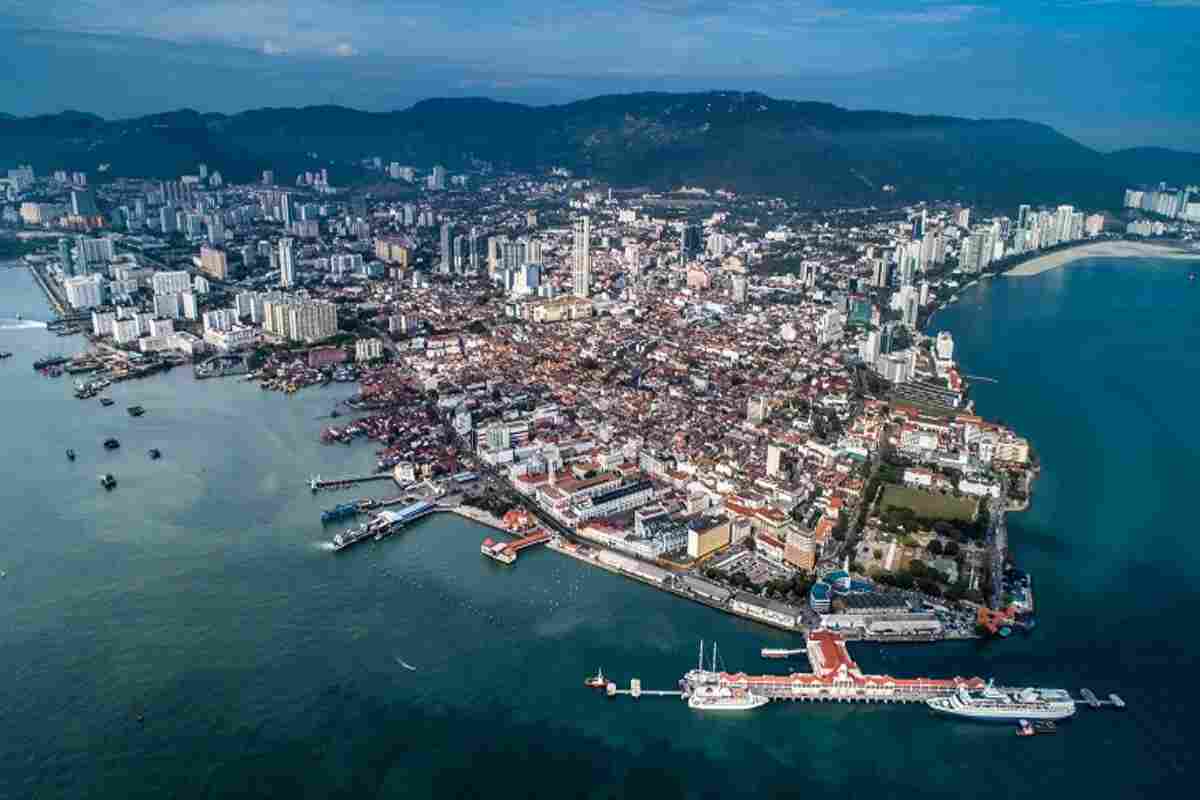
Malaysia Aims to Boost Tourism in Penang as Airport Expansion Enables More Global Flights and Visitors.Penang Positions for Major Tourism and Economic Growth as International Airport Expansion Unlocks Global Connections. Penang is gearing up for a significant economic and tourism surge as a major expansion of Penang International Airport (PIA) prepares to unlock direct global connectivity, high-profile events, and increased visitor numbers. Strategically aligning local initiatives with federal support under Malaysia’s Budget 2027 proposals, the state aims to leverage infrastructure growth to benefit local businesses, communities, and the broader economy.
The expansion comes as Penang addresses long-standing aviation capacity bottlenecks. By significantly boosting terminal and runway throughput, the state is positioning itself to establish non-stop international flights with key global markets, bypassing the need for passenger transfers through regional transit hubs.
Air Connectivity Fund Targets Key Strategic Markets
A cornerstone of Penang’s strategy is the proposed International Air Connectivity Fund. Designed as a cooperative matching-grant mechanism, the fund will incentivize international carriers to establish new direct routes and increase flight frequencies to the island.
Strategic focus markets identified for direct connectivity include:
Advertisement
Advertisement
- Japan and South Korea: High-value outbound tourism markets with strong interest in Southeast Asian cultural and heritage destinations.
- Australia: A major long-haul leisure and business travel market.
- The Middle East: A gateway to high-yield travellers from Gulf Cooperation Council (GCC) nations, offering potential single-transfer connectivity to Europe and Africa.
Enhanced route frequency and direct access are expected to benefit the wider visitor economy, providing steady footfall for hotels, food and beverage operators, transportation providers, and local retailers. Improved accessibility also strengthens Penang’s position as a destination for international Meetings, Incentives, Conferences, and Exhibitions (MICE).
PIA Capacity to Increase to 12 Million Passengers
Penang International Airport—Malaysia’s second-busiest airport—currently operates with a designed annual capacity of 6.5 million passengers. Upon completion of the expansion over the next two years, annual capacity will reach 12 million passengers.
Advertisement
Advertisement
| Metric | Current Capacity | Post-Expansion | Total Net Gain |
| Annual Passengers | 6.5 Million | 12.0 Million | +5.5 Million (+84.6%) |
While physical infrastructure creates the space for growth, state authorities emphasize that route development and airline partnerships are critical to converting added terminal capacity into actual passenger traffic.
Supporting Local Communities and UNESCO Heritage
Penang’s tourism strategy emphasizes distribution, ensuring that economic benefits extend beyond primary tourism hubs into local neighborhoods, creative industries, and family-owned enterprises.
Advertisement
Advertisement
Central to this effort is George Town, a UNESCO World Heritage site known for its architecture, culinary culture, and living history. As passenger arrivals grow, destination management and heritage conservation efforts will be integrated into tourism planning to preserve the city’s identity while accommodating higher visitor volumes.
An expanded calendar of international cultural, sporting, and business events will also be deployed to sustain visitor demand outside peak holiday seasons.
Dual-Role Infrastructure: Expanding Air Cargo and Freight
Beyond passenger transportation, the airport expansion supports Penang’s established manufacturing and technology sectors. Often dubbed the “Silicon Valley of the East,” Penang hosts a high concentration of multinational semiconductor and electronics companies requiring efficient air logistics.
Integrating expanded air freight and cargo capabilities alongside passenger infrastructure will allow exporters to move high-value, time-sensitive goods more efficiently to international markets, reinforcing Penang’s role as both a tourism center and a regional trade hub.
Advertisement
