
Maldives Joins Forces With Vietnam And More Island Economies To Revolutionize Sustainable Tourism In Untouched Destinations

Published
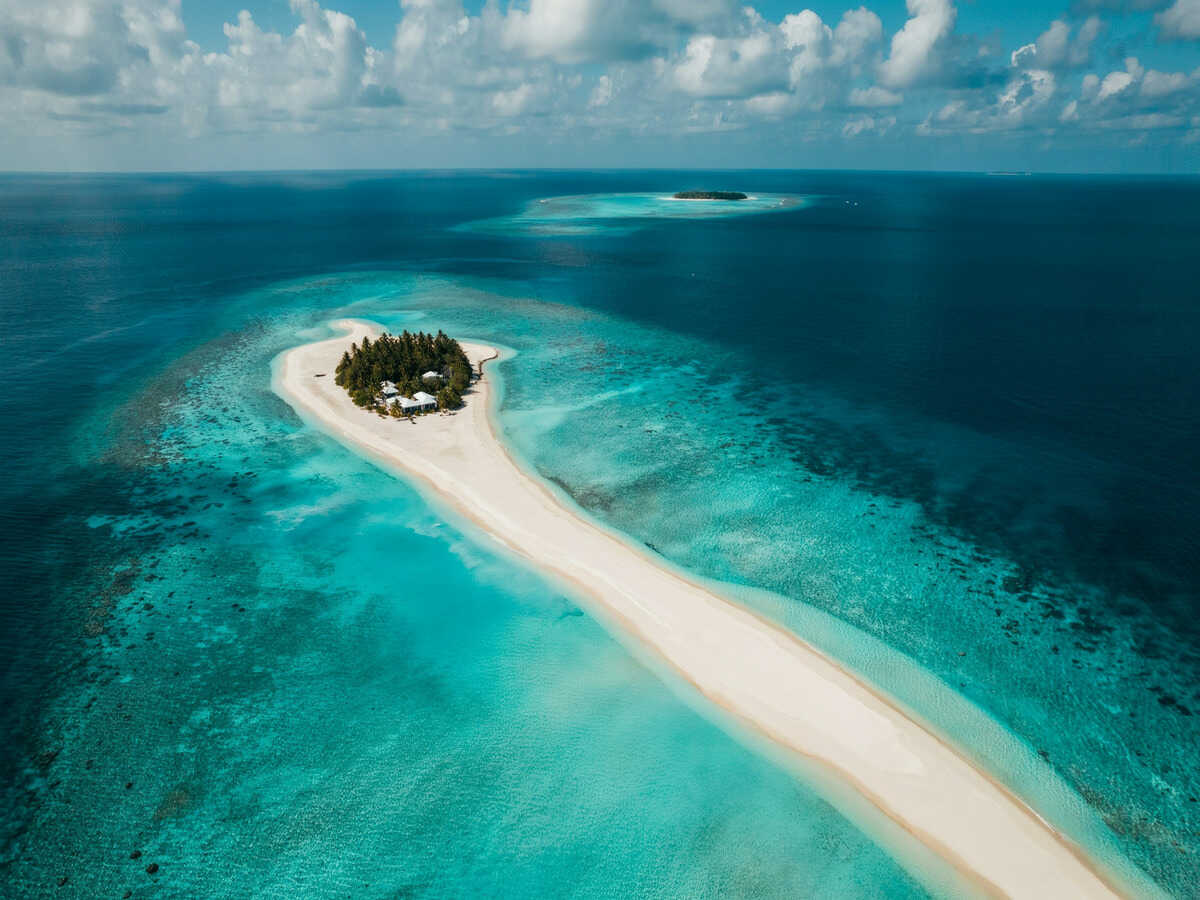
Maldives teams up with Vietnam and other islands in promoting sustainable tourism in pristine environments. For many years, world travels worked within an architecture which was heavily influenced by the already existing mega-cities, uniform resort areas, and densely populated seasonal hot spots. However, this whole travel scenario has gone through tremendous transformation and change. Today’s global travelers not only seek pleasure but also need real experiences, sustainability, authenticity, and minimalistic travel. As a result of this huge transformation, the island countries have to change their plans completely.
Leading this revolution is a bold coalition of visionaries. By pairing the prestige of ultra-luxury marine conservation with the dynamic accessibility of rapidly expanding regional markets, the Maldives joins forces with Vietnam and more island economies to revolutionize sustainable tourism in untouched destinations.
Advertisement
Advertisement
This movement—collectively referred to as Tourism 2.0—is driven by a shared core mission: decentralizing traveler footprint, elevating yield per visitor, and deploying cutting-edge green infrastructure to safeguard delicate, untouched ecosystems. Rather than allowing over-tourism to degrade pristine natural ecosystems, these forward-thinking destinations are proactively creating sustainable travel corridors, leveraging local communities, and deploying green infrastructure.
The Strategic Vanguard: Country-by-Country Global Breakdown
To understand how this global transformation is taking shape, we must examine the specific strategies, multi-billion-dollar investments, and policy reforms being rolled out across each key pioneer nation.
Advertisement
Advertisement
Tourism 2.0: Three Pillars of Growth
| Pillars of Growth | Key Initiatives | Strategic Objectives |
|---|---|---|
| 1. Infrastructure | Green Aviation & VIA | Promote sustainable aviation and improve air transport infrastructure. |
| Renewable Atoll Grids | Expand renewable energy systems across island communities to support sustainable tourism. | |
| 2. Accessibility | Expanded E-Visa Rules | Simplify visa procedures and improve accessibility for international travellers. |
| Direct Long-Haul Routes | Strengthen international connectivity through additional long-haul flight services. | |
| 3. Community | Local SME Integration | Increase the participation of local small and medium-sized enterprises in tourism development. |
| Revenue Diversification | Create additional income opportunities and distribute tourism’s economic benefits across communities. |
The Maldives: Spearheading the “Maldives 2.0” Vision
At the epicentre of luxury marine conservation lies the Maldives. Having historically defined the private island luxury segment, the archipelago is embarking on its most ambitious chapter yet: achieving 2.5 million annual visitors while transitioning toward absolute environmental sustainability.
- Targeting the 2.5 Million Threshold: Moving from record-breaking baseline arrivals toward a strategic target of 2.5 million guests, the country is expanding capacity without sacrificing exclusivity or ecological integrity.
- Aviation & Infrastructure Overhaul: The modernization and expansion of Velana International Airport (VIA)—featuring state-of-the-art terminal facilities, expanded wide-body apron capacity, and a dedicated hydroplane/seaplane operations hub—serves as the primary logistics engine capable of seamlessly processing over 7,000 daily visitors.
- The “Visit Maldives Year 2027” Mobilization: Under President Mohamed Muizzu’s guidance, national tourism bodies and the Visit Maldives Corporation (VMC) are activating early multi-market promotional campaigns to build sustained global momentum.
- Community-Led SME Integration: The country is actively broadening its economic model beyond self-contained luxury resorts. By supporting local island guesthouses, live-aboard dive vessels, and community eco-tours, tourism revenue is funneled directly into native island economies.
- Pristine Atoll Preservation: The luxury pipeline—featuring upcoming developments from world-renowned brands like Bulgari, Mandarin Oriental, Rosewood, and Baccarat—is heavily regulated by strict environmental compliance standards, including solar-powered microgrids, zero-single-use-plastic mandates, and coral reef restoration programs.
Vietnam: The Catalyst for Accessible Eco-Adventure
Vietnam has rapidly transformed into one of the world’s most dynamic travel markets. By coupling dramatic natural landscapes with progressive visa policies, the nation is diverting crowds away from crowded cities toward pristine, untouched regional provinces.
Advertisement
Advertisement
- Strategic Expansion Target: Vietnam is scaling its national capacity from 20 million up toward 25 million annual visitors, leveraging its rich cultural heritage and pristine coastline.
- Revolutionary E-Visa Policy: Vietnam’s universal 90-day e-visa framework has drastically lowered the barrier to entry, permitting extended multi-province stays and encouraging digital nomads and long-stay eco-tourists to explore beyond major cities.
- Opening Untouched Secondary Hubs: Strategic investment is being directed toward lesser-known coastal and highland areas—such as Phong Nha-Kẻ Bàng, the Con Dao archipelago, and northern mountain corridors—ensuring that tourism benefits are distributed equitably.
- Aviation & Fleet Growth: National carriers are aggressively establishing direct long-haul connections with primary source markets across Europe, North America, and Australia, positioning Vietnam as an indispensable gateway in Southeast Asia.
Saudi Arabia: Unlocking Uncharted Frontiers via Vision 2030
Saudi Arabia’s national tourism strategy represents one of the largest economic transformations in modern history. Through its sweeping Vision 2030 framework, the Kingdom is establishing entirely new luxury eco-tourism destinations along previously inaccessible coastlines.
- The 150 Million Visitor Goal: Backed by hundreds of billions of dollars in state and private investment, Saudi Arabia aims to attract 150 million combined domestic and international visitors annually by the end of the decade.
- Pristine Red Sea & NEOM Developments: Projects like Sindalah Island, the Red Sea Project, and AMAALA are being engineered from the ground up on 100% renewable energy grids, setting new benchmarks for zero-carbon, high-yield luxury tourism.
- e-Visa Expansion & Cultural Access: By continuously expanding its fast-track e-visa portal to dozens of new eligible nations, Saudi Arabia has made its historically off-limits heritage sites—such as Hegra in AlUla—easily accessible to curious global travelers.
Japan: Decentralizing Travel to Preserve Cultural Sanctuaries
Japan’s post-pandemic strategy focuses on curbing over-tourism in high-density corridors like Tokyo, Kyoto, and Osaka by systematically routing international travelers into its majestic, untouched wilderness regions.
- Targeting High-Yield Regional Exploration: Rather than chasing sheer volume in crowded metropolitan areas, Japan is incentivizing travelers to discover remote rural prefectures, coastal villages, and northern mountain ranges.
- High-Speed Infrastructure Distribution: Leveraging its world-class Shinkansen (Bullet Train) network and regional airport subsidies, Japan seamlessly connects incoming international arrivals directly with rural adventure and wellness hubs.
- Adventure & Eco-Tourism Prioritization: National campaigns actively spotlight outdoor trekking in Hokkaido, spiritual pilgrimage trails in Kumano Kodo, and regenerative hot-spring (Onsen) retreats that preserve centuries-old local traditions.
Morocco: Scaling Green Infrastructure for World-Stage Events
As a vital bridge between Africa and Europe, Morocco is leveraging upcoming international events to radically upgrade its national hospitality infrastructure and highlight its pristine desert and coastal landscapes.
- Targeting 17.5+ Million Visitors: Driven by major global trade alliances and preparations to co-host the 2030 FIFA World Cup, Morocco is expanding its national capacity to host over 17.5 million international travelers.
- Regional Airport & Transit Modernization: Major international aviation gateways in Marrakesh, Casablanca, Fez, and Agadir are receiving multi-phase expansions to handle high-frequency long-haul capacity.
- Unlocking Desert & Coastal Eco-Resorts: Investments are pouring into sustainable boutique lodges across the Sahara region, eco-surf enclaves along the Atlantic coast (such as Taghazout), and restored historic Medina stays that protect indigenous architecture.
India: “Incredible India 3.0” and Spiritual Corridor Development
India’s vast geographical and cultural diversity is being unlocked through sweeping infrastructure upgrades that connect travelers directly to unexplored hinterlands and sacred natural sanctuaries.
- Systemic Infrastructure Integration: Through strategic investments in high-speed expressways, new greenfield regional airports (under the UDAN scheme), and modern passenger rail routes, previously hard-to-reach destinations are now accessible.
- Focus on Homestays & Community-Based Tourism: The national strategy empowers rural villagers, tribal communities, and mountain hosts to offer authentic eco-lodging, ensuring that tourist dollars directly benefit local families.
- Spiritual & Eco-Heritage Corridors: By mapping specialized circuits for wellness, Ayurveda, wildlife conservation, and spiritual heritage, India is attracting long-stay travelers focused on personal well-being and natural discovery.
Brazil: Pioneering Amazonian Conservation & Remote-Work Havens
With the world’s richest biodiversity, Brazil is deploying advanced technology and targeted visa programs to position its vast rainforests and untouched coastal ecosystems as global models for eco-tourism.
- Eco-Systemic Preservation & Green Tourism: Brazil is enforcing strict conservation parameters across its Amazonian basin and Pantanal wetlands, converting traditional tourism into educational conservation expeditions led by indigenous guides.
- Digital Nomad Infrastructure: By pioneering specific, streamlined visas for remote workers and equipping remote coastal villages with high-speed satellite internet, Brazil has created thriving, sustainable long-stay communities.
- Cultural & Biodiversity Marketing: International promotional efforts highlight low-impact adventure travel, marine turtle conservation zones, and sustainable gastronomy using native forest ingredients.
Global Tourism Transformation Matrix
The following table provides a comprehensive strategic comparison of how these leading nations are operationalizing their respective national plans to boost sustainable travel:
Advertisement
Advertisement
| Country | Primary Strategic Framework | Annual Visitor Target | Key Infrastructure Focus Area | Core Sustainability Initiative |
| Maldives | Maldives 2.0 / Visit Maldives 2027 | 2.5 Million | Velana Int’l Airport (VIA) expansion, hydroplane hubs & outer-atoll sea transport | Solar-powered microgrids, coral reef restoration & local island SME guesthouse integration |
| Vietnam | National E-Visa & Regional Hub Plan | 25.0 Million | 90-day universal e-visas, long-haul flight routes & regional airport upgrades | Diverting crowds to untouched secondary destinations (Phong Nha, Con Dao, Northern Highlands) |
| Saudi Arabia | Vision 2030 Megaprojects | 150.0 Million | NEOM (Sindalah), Red Sea Int’l Airport, luxury giga-resorts & high-speed rail | 100% renewable-powered coastal developments, zero-carbon luxury & marine habitat protection |
| Japan | Decentralized Regional Routing | High-Yield Focus | Shinkansen bullet train extensions & regional airport network integration | Rural village regeneration, eco-trekking corridors & heritage preservation in off-grid prefectures |
| Morocco | 2030 World Event Expansion | 17.5+ Million | Airport expansions (Marrakesh, Fez), coastal highways & modern rail networks | Eco-surf enclave developments, Saharan sustainable lodges & historic Medina conservation |
| India | Incredible India 3.0 | Scalable Growth | Greenfield regional airports (UDAN scheme), expressways & modern train fleets | Rural homestay networks, indigenous community empowerment & spiritual eco-corridors |
| Brazil | Amazonian Eco-Pact & Nomad Hubs | High-Retention Growth | Digital infrastructure in remote regions, satellite connectivity & airport upgrades | Indigenous-led Amazonian eco-tours, remote-work long-stay havens & marine protection zones |
The Untouched Destination Playbook: How the Alliance Redefines Sustainable Travel
As the Maldives joins forces with Vietnam and more island economies to revolutionize sustainable tourism in untouched destinations, a unified operational methodology is coming into focus. This transformation relies on four foundational operational pillars:
Sustainable Tourism Playbook 2.0
| 1. Controlled Flow | 2. Yield Over Volume | 3. Local Equity |
|---|---|---|
| Capped Atoll Capacity | High-End Micro-Resorts | Revenue-Sharing Models |
| Dynamic Flight Scheduling | Long-Stay Visa Incentives | Native Artisan Support |
Pillar 1: Controlled Carrying Capacity
Rather than permitting unchecked mass construction, participating destinations are implementing strict carrying-capacity algorithms. In the Maldives, outer-atoll development is carefully paced to ensure that human presence does not exceed the natural regenerative capabilities of local coral reefs and marine life. Similarly, Vietnam’s focus on secondary hubs ensures that iconic sites like Ha Long Bay or Hoi An do not suffer from severe environmental degradation.
Pillar 2: Prioritizing Visitor Yield Over Pure Volume
While total arrival targets remain ambitious, the primary economic metric has shifted toward average spend and duration of stay. By offering immersive, high-value experiences—such as marine biology expeditions in the Maldives, multi-week trekking circuits in Japan, or long-stay digital nomad havens in Brazil—destinations generate significantly higher tax revenues and local economic value per visitor without overcrowding vulnerable locations.
Pillar 3: Empowering Local Communities
A core tenet of the new sustainable travel model is ensuring that economic benefits flow directly to native populations. The expansion of local island guesthouses in the Maldives, rural homestay programs in India, and indigenous-guided tours in Brazil allow local residents to become active business owners and stewards of their environment, rather than passive observers of foreign-owned mega-resorts.
Pillar 4: Decarbonized Transportation Corridors
Recognizing that long-haul aviation and inter-island transport account for a significant portion of tourism’s carbon footprint, alliance nations are heavily investing in green transport infrastructure. From solar-powered fast-ferries in the Maldivian lagoons to electrified high-speed rail in Japan and Saudi Arabia, the entire transit journey is being systematically optimized for minimal environmental impact.
The Road Ahead: A New Standard for Global Travel
The alliance between the Maldives, Vietnam, Saudi Arabia, Japan, Morocco, India, and Brazil signals a permanent shift in how tourism is conceptualized, developed, and managed globally. By treating untouched destinations not as commodities to be exploited, but as precious ecological sanctuaries to be preserved, these nations are setting a new standard for responsible economic growth.
Advertisement
Advertisement
The Maldives teams up with Vietnam and island countries to spearhead an environmentally friendly tourism revolution at pristine locations.
In the process of the Maldives joining hands with Vietnam and other island economies to bring about a revolutionary transformation in sustainable tourism at pristine locations, the world of international travel is seeing the emergence of a much more genuine and fulfilling travel experience. Through intelligent investments in infrastructure, smart visa policies, empowering communities, and strict environmental protection, the future of travel seems promising.
Advertisement
