
China Travel Goes Viral As Foreign Shoppers Obsess Over Futuristic Smart Tech And Custom Fashion Hubs, All You Need To know

Published
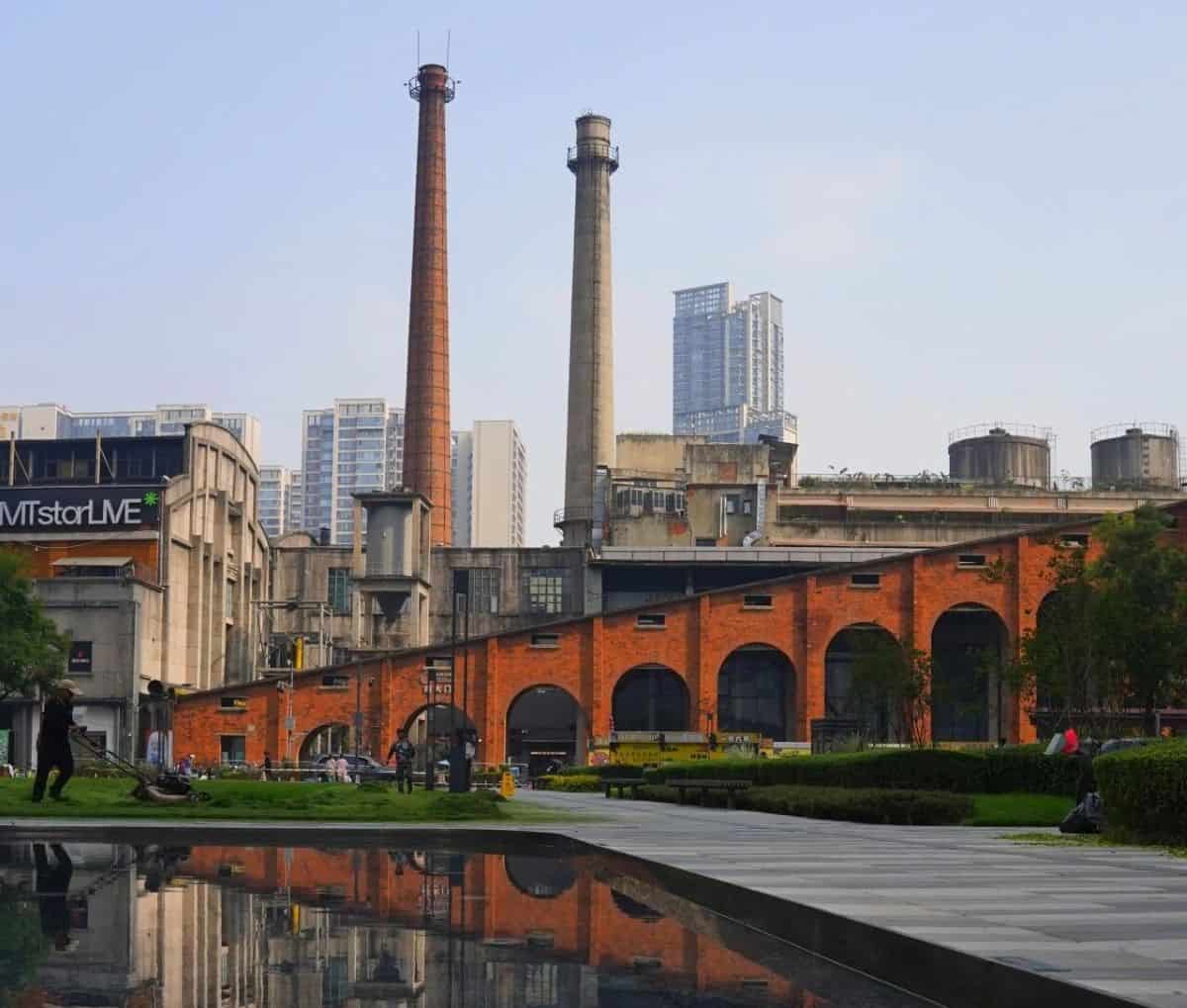
There was a time when traveling across Asia meant chasing temples quiet misty mountains and centuries of preserved heritage. Today something brighter is drawing travelers. Beyond scenery travelers, from abroad come with empty suitcases and a strong desire to explore. Travelers are attracted by inventions shining technology markets and excellent craftsmanship. China is becoming a shopping place, not a sightseeing place. China turns holiday trips into exciting buying adventures. This is a change where modern culture, creativity and discovery come together changing how people experience travel forever.
A Revolutionary Shift in Global Tourism as China Is Becoming a Shopping Destination, Not Just a Sightseeing Destination
Advertisement
Advertisement
In recent times, international travelers have completely transformed their primary motives when planning journeys across Asia. Historically, global visitors traveled to experience ancient landmarks, glorious historical monuments, and captivating natural landscapes. Today, however, a monumental transformation is sweeping through the international tourism sector as China is becoming a shopping destination, not just a sightseeing destination. Travelers now view retail experiences as a primary objective rather than a simple side activity squeezed between classic tour stops! Consequently, this remarkable evolution reshapes how global adventurers perceive modern Asian leisure trips.
Furthermore, this shifting dynamic creates unprecedented opportunities across global tourism networks and commercial markets. Visitors actively search for exclusive domestic products, cutting-edge technology, and authentic artistic creations that cannot be easily acquired in their home countries. As a direct result, international arrivals increasingly arrive with empty luggage, fully prepared to embark on extensive purchasing journeys. By seamlessly integrating commerce into leisure, the modern tourism ecosystem is witnessing a historic paradigm shift that redefines conventional travel behavior worldwide.
Advertisement
Advertisement
Surging Tech Demand Driven by Smart Innovations in Electronics Hubs
Official reports released in October 2026 by domestic commercial authorities reveal an astounding surge in retail consumption among foreign visitors. Between 1 and 6 October, purchasing volumes for AI-powered robots on major domestic online platforms skyrocketed by an astonishing 130% year on year. Concurrently, overall consumer sales for smart glasses doubled during the exact same timeframe! These extraordinary statistical figures demonstrate a profound international appetite for advanced domestic electronics and next-generation personal devices.
Advertisement
Advertisement
Moreover, bustling technology marketplaces, particularly within Shenzhen‘s world-famous Huaqiangbei electronics district, are witnessing record-breaking foot traffic from international buyers. Foreign shoppers frequently flock to these vibrant stalls to secure state-of-the-art AI translators, wearable smart gadgets, and specialized electronic components. This huge influx of tech-focused tourists generates significant economic ripple effects, compelling international travel providers to adapt quickly to these changing consumer desires.
Expanding Beyond Technology into Artisanal Crafts and Contemporary Fashion
Advertisement
Advertisement
While advanced electronics draw tremendous global attention, foreign visitors are equally fascinated by traditional art forms and modern lifestyle creations. Throughout key commercial districts in Shanghai, travelers enthusiastically explore elite fashion boutiques, bespoke tailoring establishments, and contemporary design studios. This diverse range of retail offerings demonstrates that consumer interest extends far beyond digital gadgets into high-end lifestyle products and personalized apparel.
Additionally, classic cultural hubs like Jingdezhen are experiencing a massive revival as international tourists seek magnificent Chinese ceramics and exquisite handcrafted goods. Foreign travelers deeply appreciate the exceptional quality, intricate historical craftsmanship, and unique aesthetic value inherent in these locally made items. Thus, the fusion of traditional heritage and modern creativity offers global consumers a far richer, more immersive cultural experience.
Redesigning Tour Itineraries for the Modern Global Traveler
For professional operators across the global travel industry, this behavioral revolution presents an unprecedented opportunity to restructure traditional tour packages entirely. Instead of treating commercial visits as mere afterthought stops, forward-thinking planners now design entire travel itineraries around specialized shopping experiences. By strategically organizing dedicated excursions to high-tech marketplaces, fashion districts, and historic craft centers, tourism providers can cater precisely to modern consumer interests.
Advertisement
Advertisement
Ultimately, these refreshed travel programs offer international guests an authentic, intimate perspective on how modern society lives, creates, and innovates daily. By seamlessly combining retail exploration, technological discovery, rich cultural heritage, and conventional sightseeing, the global tourism industry establishes a highly dynamic standard for future international travel.
Comprehensive Expansion of Tax-Free Commerce Infrastructure Across Major International Gateway Hubs
Institutional tax policy reforms across China have catalyzed a massive evolution in foreign tourist spending patterns, fundamentally altering the global travel sector. Departure tax refund transactions in major transit hubs like Shanghai have expanded by over 52% year-on-year, while total tax refund application processing has surged by 2.7 times. Over 7,000 retail locations nationwide now feature immediate “buy-and-refund” mechanisms, allowing foreign travelers to process value-added tax rebates directly at city retail stores rather than enduring lengthy waiting times at international departure ports.
The economic impact of these streamlined financial policies is substantial, with the overall value of refunded goods claimed by overseas visitors rising by 366%. Metropolitan centers such as Beijing, Shanghai, and Shenzhen have systematically expanded downtown tax-free shopping districts to capture foreign foot traffic. By removing administrative friction from cross-border shopping transactions, international visitors are incentivized to increase their overall retail spending, effectively turning major urban shopping corridors into essential highlights of the travel journey.
The Explosive Rise of Offshore Duty-Free Retail Centers and Coastal Travel Shopping Zones
Beyond primary urban technology corridors, coastal regions have successfully positioned themselves as world-class international duty-free destinations. Hainan Province now accounts for 29.82% of China’s entire travel retail market, supported by zero-tariff product classifications that encompass 6,637 distinct item lines. Foreign tourists visiting coastal resort areas consistently purchase luxury cosmetics, high-end fragrances, fine spirits, and designer goods at significant cost savings compared to traditional international retail markets.
Advertisement
Advertisement
The structural development of large-scale offshore duty-free facilities offers international travelers a unique blend of leisure resort tourism and premium retail exploration. Modern commercial complexes allow visitors to browse extensive catalog selections in a relaxed setting, with purchases transferred directly to departure gates for seamless collection. This continuous integration of travel retail into coastal vacations has reshaped how international tourists organize leisure trips across Asia.
Strategic Tourism Impacts Driven by Liberalized Visa Exemption Frameworks and Extended Transit Window Policies
A critical structural driver behind the acceleration of retail tourism is the broad implementation of progressive visa exemption frameworks. Official immigration figures show foreign national arrivals reaching 36.66 million, with 77.6% of foreign visitors entering completely visa-free. The introduction and expansion of the 240-hour visa-free transit rule across key transport hubs empowers international travelers to undertake multi-day shopping excursions without undergoing complex visa application processes.
The primary international markets generating this surge in shopping traffic include South Korea, Thailand, Singapore, Malaysia, Japan, and Australia. Long-haul transit travel from European corridors has likewise experienced remarkable growth, with arrivals in key urban hubs registering monthly increases above 80%. Travelers frequently take advantage of extended transit windows to organize targeted shopping itineraries, driving significant consumer spending across local commercial districts.
Widespread Integration of Multi-Currency Mobile Payment Ecosystems for Frictionless Foreign Transactions
Historically, international visitors encountered payment challenges when attempting to navigate cashless merchant environments across urban districts. Modern digital financial integrations, including localized foreign card link services within Alipay and WeChat Pay, have effectively eliminated purchasing barriers for foreign consumers. Financial transaction data demonstrates a 72.9% increase in total spend value by overseas visitors utilizing digital payment systems, accompanied by a 59.2% surge in total transaction volume.
Advertisement
Advertisement
This digital payment infrastructure enables foreign shoppers to transact effortlessly at high-end shopping malls, localized artisan stalls, technology markets, and street vendor outlets. By eliminating currency conversion concerns and acceptance barriers, international visitors spend more freely across all tiers of the domestic retail economy, benefiting both large corporate retailers and small independent merchants.
Social Video Virality and the Global Rise of Consumer Technology Shopping Trends
Global social video platforms have sparked immense interest in advanced consumer electronics, transforming hardware procurement into a viral international travel trend. Online video tags focused on travel in Asia have generated billions of organic views, while video logs documenting international purchases of AI-powered robots, smart glasses, and AI translators regularly reach massive global audiences.
Prominent commercial shopping venues, such as those along Nanjing Road in Shanghai, report that foreign tourists frequently comprise up to 50% of daily foot traffic within interactive flagship technology stores. Retailers have adapted swiftly to this international influx by employing multilingual sales specialists and providing hands-on product demonstrations catered to tech-focused travelers and digital creators.
Decentralization of Tourism Expenditure into Regional Cultural Hubs and Emerging Metropolitan Destinations
While primary metropolises continue to draw large numbers of international visitors, foreign shoppers are increasingly venturing into regional manufacturing centers and historic artisanal towns. Inbound tourist arrivals in fourth-tier and fifth-tier locations have achieved an average annual growth rate of 134%. Regional hubs like Chongqing have posted a 170% surge in foreign visitor arrivals, driven by global interest in its unique urban topography, local night markets, and regional crafts.
Advertisement
Advertisement
This decentralization of travel spending distributes international economic benefits beyond traditional tourist centers. Foreign shoppers visiting specialized regions can acquire authentic goods directly from local production centers, whether purchasing hand-crafted ceramics in Jingdezhen or regional textiles in smaller interior provinces, enriching the overall traveler experience while supporting local artisan economies.
Transport Infrastructure Integration and the Synchronization of High-Speed Rail with Downtown Duty-Free Facilities
The rapid expansion of high-speed rail transportation infrastructure serves as a major facilitator for multi-city commercial travel. Advanced rail networks allow foreign visitors to comfortably execute multi-destination itineraries, such as conducting a morning technology shopping tour in Shenzhen before traveling to nearby cultural design centers in the afternoon.
Furthermore, the opening of downtown duty-free centers, including large-scale urban facilities like the UpperHills complex in Shenzhen, allows travelers to browse and purchase goods in city centers while arranging direct transit to their departure points. This seamless connection between regional transport networks and urban retail infrastructure maximizes shopping convenience for international visitors during short-stay trips.
Macroeconomic Expansion of Travel Exports and Industry Projections Moving Toward 2030
The systemic alignment of national tourism with consumer retail plays an increasingly vital role in broader service export performance. Inbound tourism revenue reached $131.1 billion, representing a 39.2% year-on-year surge in foreign traveler expenditure. Travel services exports surged to RMB 263.6 Billion, ranking as the fastest-growing service export sector with a 27.7% annual growth rate. Comprehensive industry forecasts indicate that inbound visit volumes will continue their upward trajectory, with total annual visits projected to reach 163 million.
Advertisement
Advertisement
The average length of stay for international visitors has increased by 11% to 5.1 days, reflecting a deeper integration of retail exploration into travel schedules. Additionally, the broader travel economy contributes RMB 13.7 Trillion to economic output, accounting for over 10.3% of total global travel GDP. As global consumers place greater emphasis on acquiring innovative products and unique cultural goods, the synchronization of retail commercial infrastructure with international travel guarantees that shopping will remain a defining force in global tourism trends.
The Final Verdict
At its core this big change is not about filling suitcases. It is about connecting with people staying curious and feeling that real joy of bringing back a piece of a world that keeps moving. When a traveler picks up a ceramic item or tries out a clever smart gadget in a busy market they are not just buying something. They are taking home a story, a feeling, a moment that matters. As travel plans grow to include these shopping experiences travel becomes more, than a trip. It becomes a journey of living creating and discovering together with real meaning.
Advertisement
