
Malta Joins Forces with Trip.com Group to Unlock China and Asia Tourism Growth Through 2029

Published
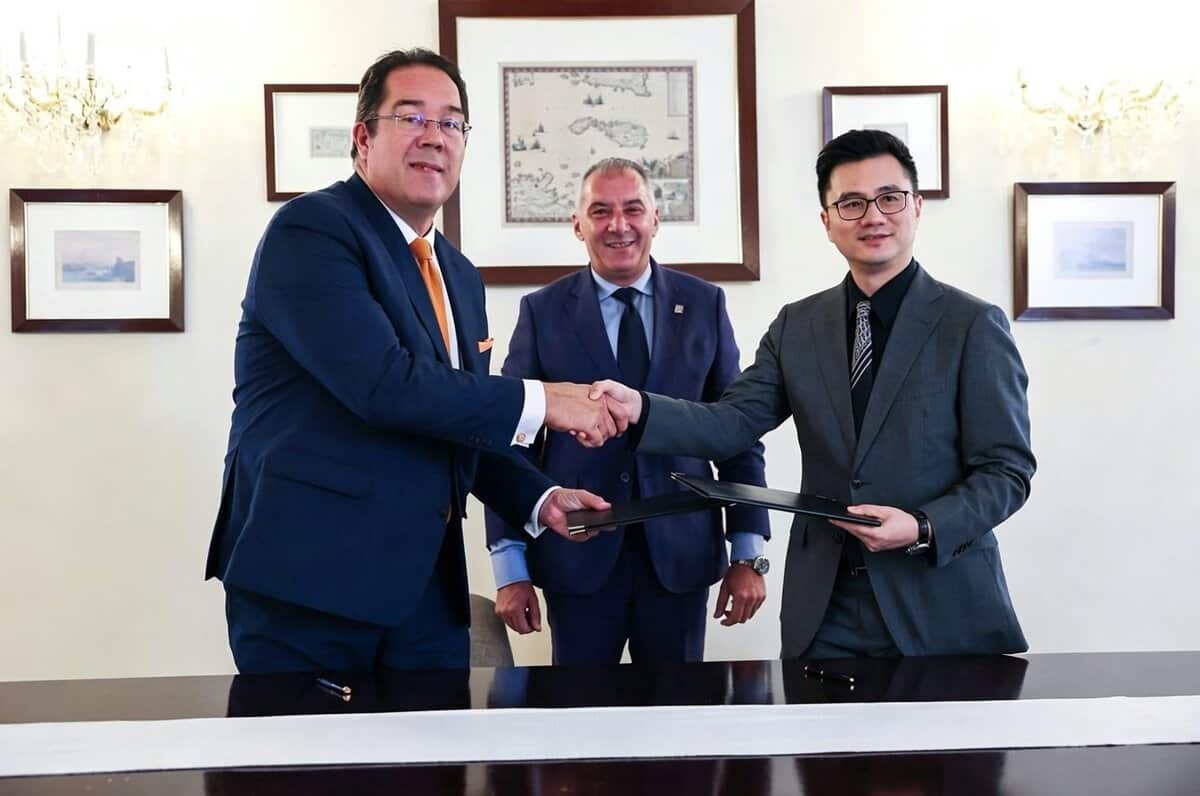
This strategic move has enabled Malta to secure a firm position in the international tourism industry via a partnership agreement with Trip.com Group. This agreement was signed during the 2026 World Travel & Tourism Council (WTTC) Global Summit held in Valletta, and it is geared towards increasing international tourism in Malta by drawing tourists from China and other Asian countries.
The partnership between the Malta Tourism Authority and Trip.com Group will run from 2026 to 2029. It will focus on destination promotion, tourism product development, digital innovation and sustainable tourism. By combining Malta’s distinctive Mediterranean attractions with Trip.com Group’s international travel platforms, both organisations aim to introduce the island nation to a wider global audience.
Advertisement
Advertisement
Malta Strengthens Global Tourism Ambitions with Landmark Trip.com Group Agreement
The agreement was formalised during the WTTC Global Summit, held from 7 to 9 October 2026 at the Mediterranean Conference Centre in Valletta. The international event brought together tourism executives, government representatives and industry leaders from more than 100 countries.
Against this global backdrop, the Malta Tourism Authority and Trip.com Group signed a strategic Memorandum of Understanding covering the 2026–2029 period.
Advertisement
Advertisement
The agreement creates a framework for closer cooperation between Malta’s tourism authorities and one of the world’s leading online travel service providers. It also reflects Malta’s determination to increase its visibility beyond traditional European markets and strengthen its competitiveness internationally.
China and Asia Emerge as Important Markets for Malta’s Tourism Expansion
Malta is increasingly looking towards Asia as it seeks to diversify its international visitor markets. China is a major focus of this strategy, alongside other Asian countries with growing outbound tourism potential.
Advertisement
Advertisement
The Mediterranean nation has set an ambitious long-term objective of increasing the proportion of tourist arrivals from outside the European Union to 40% within the next decade.
This target reflects a broader effort to attract visitors from a wider range of countries rather than relying heavily on established regional markets.
Through its cooperation with Trip.com Group, Malta hopes to improve its visibility among Asian travellers and generate greater interest in its cultural attractions, coastal destinations and distinctive Mediterranean experiences.
Trip.com Group’s Global Reach Opens New Doors for Mediterranean Tourism
Trip.com Group’s extensive international network is expected to play an important role in Malta’s tourism development strategy.
The travel technology company operates across major international source markets, with a particularly strong presence in Asia and Europe. Its digital platforms connect travellers with destinations, accommodation, transport services and tourism experiences.
This international reach provides Malta with opportunities to promote its attractions to travellers who may previously have had limited awareness of the destination.
Advertisement
Advertisement
The partnership will also support more targeted promotional campaigns designed around different market interests and travel preferences.
By reaching potential visitors through established digital travel channels, Malta aims to strengthen its reputation as an appealing Mediterranean destination for international holidays.
Artificial Intelligence and Travel Data to Transform Malta’s Destination Marketing
Technology will be an important part of the new cooperation agreement.
Trip.com Group’s artificial intelligence capabilities and travel data insights are expected to help Malta develop more effective destination marketing strategies.
These tools can support a better understanding of traveller interests, booking patterns and emerging international travel trends.
Such information can help tourism organisations identify promising visitor markets and develop promotional campaigns that respond to changing consumer behaviour.
Advertisement
Advertisement
For Malta, this technology-led approach offers an opportunity to communicate its tourism appeal more precisely to different audiences.
Combining digital expertise with local destination knowledge could also help improve promotional efficiency and strengthen the country’s position in an increasingly competitive global tourism environment.
Malta Moves Beyond Traditional European Markets to Attract More International Travellers
Europe remains central to Malta’s tourism industry, but the country is seeking a more balanced international visitor mix.
Its ambition to increase arrivals from outside the European Union reflects the importance of long-term market diversification.
Expanding into Asia could help Malta build stronger connections with travellers interested in European heritage, Mediterranean landscapes and cultural experiences.
However, attracting visitors from distant markets requires more than promotional activity alone. Travel planning, destination awareness and entry requirements can influence holiday decisions.
Advertisement
Advertisement
The new partnership provides an opportunity to address some of these challenges through coordinated marketing and improved destination information.
It also supports Malta’s wider effort to establish relationships with emerging and established international tourism markets.
Schengen Visa Requirements Remain a Challenge for Asian Tourism Growth
Despite the opportunities presented by Asian markets, Malta faces certain challenges when attracting visitors from outside Europe.
Schengen visa requirements remain an important consideration for travellers from countries whose citizens need visas to enter the Schengen area.
These procedures can influence travel planning and may create additional steps for prospective visitors.
Nevertheless, Malta continues to recognise the significant potential of Asian outbound tourism.
Advertisement
Advertisement
Improving destination awareness, communicating travel requirements clearly and developing attractive tourism products could help the country compete for a larger share of international visitors.
The strategic agreement is focused on tourism promotion and development rather than changes to visa rules.
Sustainable Tourism Becomes a Central Priority in the New Partnership
Sustainability is another important element of the cooperation between the Malta Tourism Authority and Trip.com Group.
As Malta seeks to attract more international visitors, the agreement places attention on responsible tourism development alongside market expansion.
The two organisations intend to explore opportunities that support sustainable tourism and diversify the experiences available to visitors.
For Malta, this could mean promoting a broader selection of cultural, historical and nature-based attractions rather than concentrating exclusively on established visitor hotspots.
Advertisement
Advertisement
Encouraging travellers to discover different aspects of the destination may also contribute to a more balanced tourism economy.
The agreement establishes cooperation objectives, although specific sustainability projects and implementation measures have yet to be detailed.
Diverse Tourism Experiences Could Strengthen Malta’s International Appeal
Malta offers a distinctive combination of Mediterranean scenery, historic architecture and cultural heritage.
Valletta, the country’s capital, provides visitors with an introduction to centuries of history through its fortified streets, historic buildings and waterfront setting.
Beyond the capital, travellers can discover the islands’ traditional towns, archaeological sites and coastal landscapes.
These attractions provide a foundation for developing tourism products suited to different visitor interests.
Advertisement
Advertisement
The partnership with Trip.com Group could help present these experiences to new audiences through international travel platforms and destination marketing campaigns.
Promoting a wider range of activities may encourage travellers to explore more of the Maltese islands and discover experiences beyond conventional Mediterranean beach holidays.
WTTC Global Summit 2026 Highlights Malta’s Growing International Tourism Profile
The signing of the agreement during the WTTC Global Summit gave Malta an important opportunity to demonstrate its international tourism ambitions.
Held in Valletta from 7 to 9 October, the summit brought together senior representatives from the global travel and tourism industry.
The event created a setting for discussions about tourism development, international cooperation and the future of global travel.
For Malta, hosting the summit provided an opportunity to strengthen relationships with international tourism organisations and travel businesses.
Advertisement
Advertisement
The agreement with Trip.com Group emerged as one of the significant cooperation outcomes associated with the gathering.
It also highlighted the country’s efforts to translate international tourism engagement into practical partnerships supporting its long-term development.
Three-Year Tourism Strategy Sets the Stage for Malta’s Next Growth Chapter
The 2026–2029 cooperation framework establishes a foundation for continued engagement between the Malta Tourism Authority and Trip.com Group.
Over the next three years, both organisations plan to combine their respective strengths to improve destination promotion, broaden tourism offerings and support sustainable growth.
Trip.com Group will contribute its international platform capabilities, digital technology and market insights, while the Malta Tourism Authority will provide local tourism knowledge and access to destination resources.
Together, these capabilities are expected to support more informed promotional strategies and help Malta reach new groups of international travellers.
Advertisement
Advertisement
The agreement does not establish specific visitor targets or guaranteed tourism growth figures for the partnership itself.
Its significance lies in creating a structured approach to international market development.
Malta’s Mediterranean Tourism Future Gains New Momentum Through Asian Market Cooperation
Malta’s partnership with Trip.com Group signals a strategic shift towards a more internationally diversified tourism industry.
By building stronger connections with China and other Asian markets, the country hopes to expand its visitor base and strengthen its appeal beyond Europe.
The combination of digital tourism platforms, artificial intelligence, destination expertise and sustainable development objectives provides a framework for future cooperation.
While visa requirements and competition from other European destinations remain important considerations, the agreement gives Malta another channel through which to strengthen its international tourism presence.
Advertisement
Advertisement
As the partnership progresses towards 2029, its effectiveness will depend on how successfully both organisations turn their shared objectives into promotional activity and appealing visitor experiences.
For Malta, the agreement represents more than a destination marketing initiative. It is part of a wider ambition to establish the Mediterranean nation as a recognised, competitive and accessible choice for travellers from an increasingly diverse range of international markets.
Advertisement
