
Laos Economy Climbs 4.8% as Tourism and Trade Support Rising Investment and Drive a Powerful New Phase of Expansion

Updated
Published
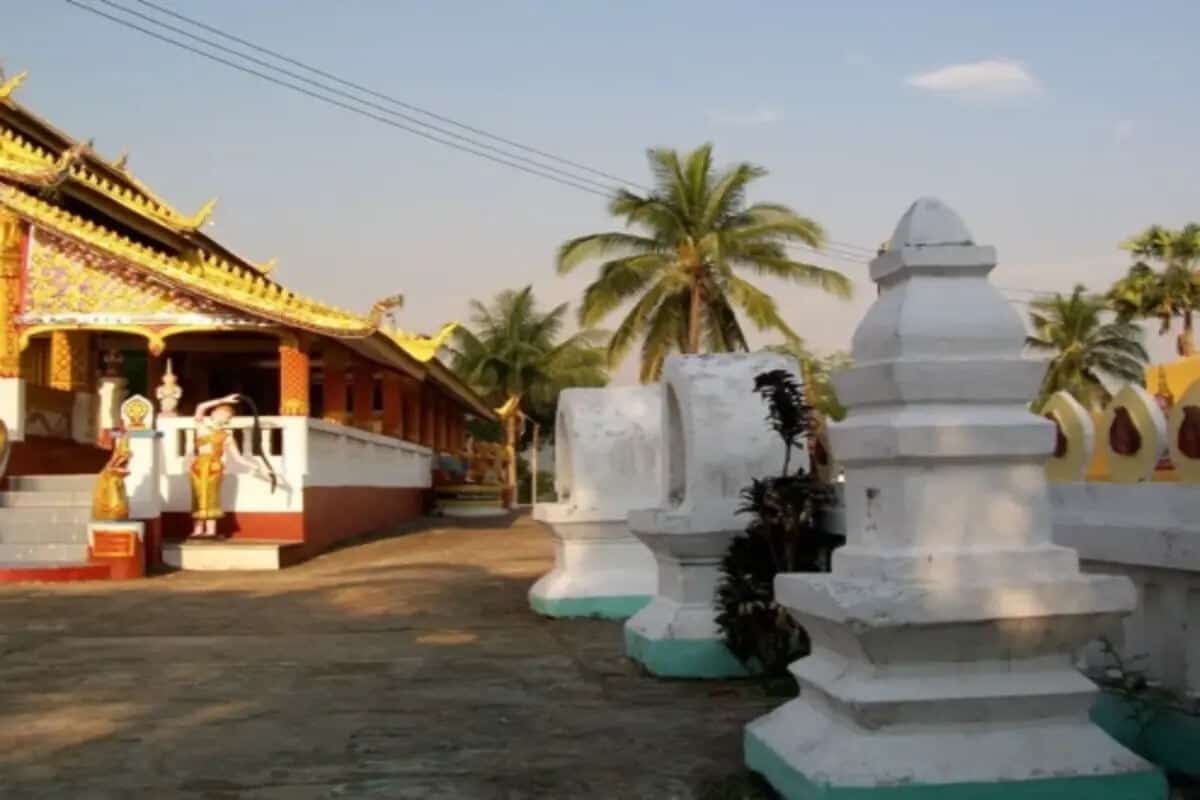
Laos grows 4.8% as tourism trade and private investment fuel stronger economic momentum in 2026. Laos grows 4.8% as tourism trade and private investment fuel stronger economic momentum in 2026. Laos has more vibrant economic activity than before in 2026, due to the growth of manufacturing, investment, electricity production, international trade and tourism-related services. The economy grew by 4.8% in the first nine months of 2026, which shows that many major industries continue to grow despite inflation, infrastructure weaknesses and pressure on household spending.
The government expects economic growth to reach approximately 5.1% for the full year. However, this would remain below the country’s original 5.5% growth target. International economic forecasts are more cautious, with the World Bank projecting growth of around 4.1% and the Asian Development Bank forecasting approximately 4% for 2026.
Advertisement
Advertisement
The figures point to an economy that is moving forward but continues to face significant structural challenges. For travellers and the tourism industry, the most important development is the role of tourism-related services, transport, trade and infrastructure in supporting wider economic activity.
Private Investment Gives the Economy Fresh Momentum
Private investment has become an important contributor to economic activity in Laos. Investment inflows during the first nine months reportedly exceeded the government’s expectations, providing additional momentum for construction, electricity and other productive sectors.
Advertisement
Advertisement
Authorities approved 45 new private projects worth more than LAK 193 trillion, equivalent to approximately US$8.6 billion based on the figures presented by the government. More than half of these projects were concentrated in electricity and construction.
This investment matters beyond the industries receiving the money directly. New construction and energy projects can generate demand for transport, accommodation, logistics and local services. Better infrastructure can also support tourism by making destinations easier to reach and improving the services available to visitors.
Advertisement
Advertisement
Continued investment will therefore be important if Laos wants economic expansion to translate into stronger tourism development and broader opportunities for local communities.
Mining and Electricity Remain Important Growth Engines
Mining and electricity continued to perform strongly during the first nine months of the year. Both sectors remain significant parts of the Lao economy and contribute to exports, investment and government revenue.
However, authorities are looking beyond simply exporting natural resources. New mining projects are expected to face requirements to establish processing facilities inside Laos. The intention is to gradually reduce the country’s dependence on exporting minerals in their raw form.
Processing minerals domestically could allow Laos to retain more economic value from its natural resources. It could also encourage industrial development, employment and investment in supporting infrastructure.
Electricity remains another important economic asset. Laos has developed substantial hydropower capacity and exports electricity to neighbouring markets, placing energy at the centre of the country’s regional economic relationships.
Government Revenue Climbs as Economic Activity Expands
Government revenue also increased strongly during the first nine months of 2026. Collections reached approximately LAK 67.5 trillion, or around US$3 billion using the figures provided in the government update. This represented an increase of 24.3% compared with the same period of 2025.
Advertisement
Advertisement
Full-year revenue is expected to reach approximately LAK 91.8 trillion, equivalent to roughly US$4.1 billion, which would place collections above the government’s original target.
Mining, transport and warehousing activity helped strengthen revenue. Higher corporate income tax collections and improvements to tax administration also contributed.
Stronger public revenue can become particularly important for tourism if additional resources support roads, public infrastructure, transport connections, destination management and essential services. However, effective collection and spending remain important because authorities have acknowledged continuing problems with tax leakage.
Laos Records Strong Trade Surplus
International trade provided another positive signal for the economy. Laos recorded a US$1.356 billion trade surplus during the first nine months of 2026, highlighting the continued importance of cross-border commerce.
Laos occupies a strategic position between several major Asian markets. Improved road and rail connectivity is gradually strengthening its potential as a land-linked economy connecting neighbouring countries and regional supply chains.
Trade and tourism can also reinforce one another. Better cross-border transport infrastructure can support freight while simultaneously improving passenger access. Railways, highways and border connections can make it easier for international visitors to include Laos in wider Southeast Asian itineraries.
Advertisement
Advertisement
The challenge is ensuring that stronger trade performance translates into sustainable domestic development rather than remaining concentrated in a limited number of industries.
Tourism Recovery Continues but Visitor Target Remains Distant
Tourism remains one of the most important areas to watch. Laos welcomed approximately 3.28 million international visitors during the first nine months of 2026. The government expects the total to reach around 3.66 million visitors by the end of the year.
That would leave Laos significantly below its ambition of attracting 5 million to 6 million international visitors annually through 2030.
The gap highlights the scale of the tourism challenge. Laos has strong natural and cultural attractions, but visitor growth alone will not determine the industry’s success. Transport access, accommodation standards, destination infrastructure, pricing transparency and service quality can influence how long tourists remain and how much money stays within local communities.
Authorities are also targeting practices that could damage the country’s tourism reputation. Measures are expected against so-called zero-dollar tours, while businesses that overcharge tourists or provide poor-quality goods may face greater scrutiny.
These actions could become important as Laos tries to attract higher-value tourism rather than pursuing visitor numbers alone.
Advertisement
Advertisement
Inflation Remains a Major Challenge for Laos
Despite stronger growth, investment and government revenue, inflation remains a serious economic concern. Average inflation stood at approximately 7.9% during the first nine months of 2026, while the September rate was around 7.8%.
That means inflation remains considerably above the government’s 5% target, and full-year inflation is also expected to exceed that goal.
Higher prices can affect tourism in several ways. Rising food, fuel, transport and operating expenses increase costs for hotels, restaurants, tour providers and other businesses. Companies may eventually pass some of those expenses to visitors.
For local households, persistent inflation reduces purchasing power and makes everyday expenses harder to manage. This creates an important contrast within the economy: headline growth is improving while many families can still feel considerable financial pressure.
Economic Growth Comes With Important Challenges
Laos enters the final months of 2026 with several encouraging indicators. Economic growth reached 4.8% in the first nine months, government revenue increased substantially, private investment remained active and the country generated a significant trade surplus.
Yet important weaknesses remain. Inflation is still high, infrastructure requires further improvement and authorities continue to confront tax leakage, illegal mining and illegal logging. Tourism numbers are also below the government’s longer-term ambitions.
Advertisement
Advertisement
The outlook therefore presents both opportunity and risk. Stronger investment, transport links, electricity production and international trade can support future development. Tourism could become an even larger contributor if Laos improves accessibility, visitor protection, service standards and destination quality.
The next stage will depend on whether economic growth produces broader benefits across the country. For tourism, success will require more than simply bringing additional visitors across the border. Laos will need to encourage longer stays, stronger local spending and better-quality travel experiences while protecting the natural and cultural assets that make the country distinctive.
If these challenges are addressed effectively, tourism, trade and infrastructure could play an increasingly important role in turning Laos’ present economic momentum into more sustainable long-term growth.
Advertisement
