
Montreal Outshines Paris, Kyoto, Singapore and More as Canada’s Tourism Gem Ranks Among World’s Best Big Cities in 2026

Published
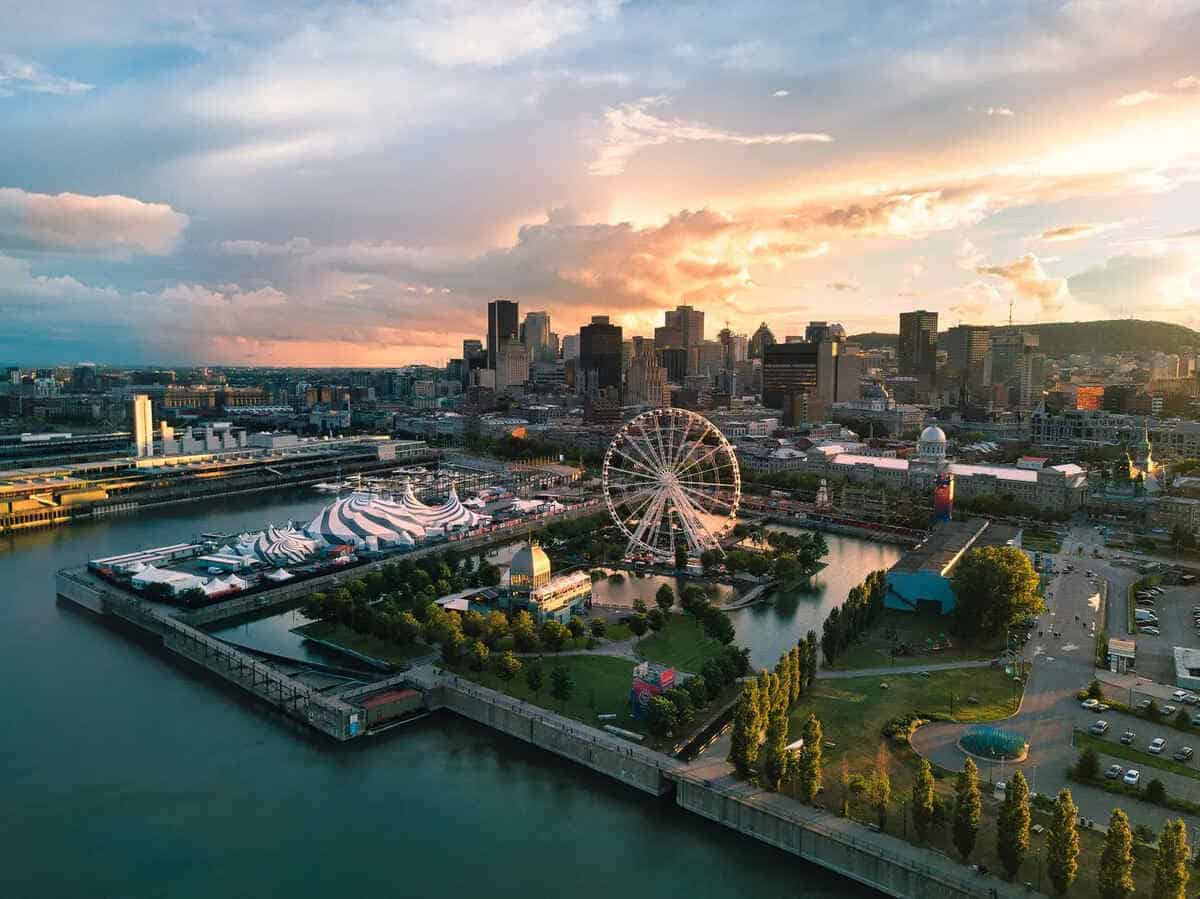
Image Credit : Destination Canada
This great city has succeeded in outranking Paris, Kyoto, Singapore and many other popular destinations to be among the world’s top large cities in 2026 due to its acclaimed culinary scene, cultural richness, architecture, art and unique neighborhoods.
Montreal has secured a prominent place on the international travel map after ranking among the world’s 10 best big cities in the 2026 Condé Nast Traveler Readers’ Choice Awards. The Quebec metropolis finished sixth and was the only Canadian destination to enter the top 10 in the big-city category.
The recognition puts fresh attention on a city known for blending historic architecture, vibrant neighbourhoods, celebrated food, creative culture and abundant green spaces. Nearly 800,000 readers participated in the broader awards survey, reflecting traveller opinions and experiences across destinations worldwide.
Advertisement
Advertisement
Montreal’s result is particularly significant because it places the Canadian city in the company of some of the world’s most recognised urban tourism destinations.
Montreal Climbs Into the Global Top 10
Montreal secured sixth place in the 2026 ranking, giving Canada a notable presence among the world’s leading large-city destinations.
Advertisement
Advertisement
The Quebec city finished ahead of globally recognised tourism centres including Kyoto, Singapore, Cape Town and Paris.
For Montreal, the ranking reinforces an international reputation built around far more than conventional sightseeing. Visitors encounter a city where heritage districts, modern neighbourhoods, restaurants, cafés, galleries, entertainment and outdoor spaces form different parts of the same journey.
Advertisement
Advertisement
This broad mix allows Montreal to attract travellers with very different interests.
Some arrive for history and architecture. Others are drawn by food, arts, nightlife or festivals. Many simply enjoy exploring its streets and neighbourhoods on foot.
It is this variety that helps Montreal compete in an increasingly crowded global city-break market.
A Canadian City With a Distinct European Flavour
Montreal offers an urban atmosphere that can feel markedly different from many other major North American cities.
Advertisement
Advertisement
Historic stone buildings, cobbled streets and pavement cafés give parts of the destination a strong European character. Yet Montreal remains unmistakably Canadian and retains the scale, diversity and energy of a modern North American metropolis.
The contrast is visible throughout the city.
Travellers can wander through historic streets before entering neighbourhoods filled with contemporary restaurants, independent shops, cultural venues and nightlife.
The city’s parks add another dimension. These green areas provide space away from busy commercial districts and offer visitors opportunities to slow down, walk and experience everyday Montreal life.
Rather than creating competing identities, the old and new sides of Montreal complement each other.
Old Montreal Brings the City’s History to Life
Old Montreal remains one of the most important areas for visitors seeking to understand the city’s past.
Advertisement
Advertisement
Its narrow streets, historic architecture and public spaces provide a visual connection with earlier periods of Montreal’s development.
The district is particularly suited to exploration on foot. Visitors can move between heritage buildings, restaurants, cafés, galleries and public spaces while experiencing a part of the city that feels very different from its modern commercial districts.
That walkable environment is an important part of the attraction.
Instead of experiencing Montreal solely through individual landmarks, travellers can discover the destination street by street. Architecture, dining and everyday city life become part of the sightseeing experience.
The transition from Old Montreal to more contemporary neighbourhoods also demonstrates the diversity contained within a relatively compact urban destination.
Food Is Central to the Montreal Experience
Montreal’s culinary landscape plays an important role in its appeal to international travellers.
Advertisement
Advertisement
Dining choices stretch from bakeries and neighbourhood cafés to established local restaurants and contemporary venues drawing inspiration from cuisines around the world.
This variety makes food an integral part of exploring the city rather than simply a necessity between sightseeing stops.
Different neighbourhoods offer their own dining personalities, encouraging visitors to move beyond the most familiar tourism areas.
Café culture adds to this experience.
During warmer periods, terraces and outdoor dining spaces bring additional life to the streets. Independent cafés provide places where visitors can slow down and experience the city’s social atmosphere.
This combination of casual dining, international cuisine and local food traditions strengthens Montreal’s position as a destination where gastronomy can shape an entire city break.
Advertisement
Advertisement
Creativity Runs Through Montreal’s Neighbourhoods
Culture provides another reason for Montreal’s strong international profile.
Art galleries, cultural institutions and creative neighbourhoods sit alongside historic architecture and contemporary urban development.
This means the city’s cultural experience is not restricted to traditional museums or designated attractions.
Art, architecture, independent businesses, music and nightlife all contribute to the wider personality of Montreal.
For travellers, this creates opportunities to discover something different from one district to another.
Historic buildings can dominate one part of a day’s exploration, while modern creative spaces and entertainment districts can define another.
Advertisement
Advertisement
Architecture itself becomes part of the journey. The contrast between older structures and modern development creates a changing cityscape that rewards travellers who prefer exploring destinations on foot.
Montreal Stands Alongside Global Tourism Heavyweights
The strength of Montreal’s sixth-place finish becomes clearer when compared with the international destinations surrounding it.
Kyoto is globally associated with Japanese heritage and culture. Singapore has developed a powerful reputation for food, architecture and modern urban tourism. Cape Town combines metropolitan experiences with dramatic natural surroundings, while Paris remains one of the world’s most established cultural and leisure destinations.
Montreal’s position ahead of these destinations in the readers’ ranking gives the Canadian city significant international visibility.
Seoul, South Korea, secured the leading position in the 2026 big-city category.
The wider results also illustrate how urban travel preferences continue to diversify.
Advertisement
Advertisement
Major landmarks remain important, but travellers increasingly value experiences that allow them to engage with food, neighbourhoods, architecture, culture and everyday local life.
Montreal is well positioned within this type of travel because many of its strongest experiences are spread throughout the city rather than concentrated around a single attraction.
Victoria Adds Another Canadian Success
Canada’s recognition in the awards extends beyond Montreal.
Victoria in British Columbia was separately named the world’s best small city, giving the country visibility across two different urban tourism categories.
The destinations offer contrasting travel experiences.
Montreal provides the scale and variety of a major metropolitan centre, with extensive dining, entertainment, nightlife and cultural options.
Advertisement
Advertisement
Victoria represents a smaller urban environment with a more compact visitor experience.
Their respective recognition highlights the diversity available to travellers considering Canadian city breaks.
Visitors can choose between a large, energetic metropolis and a smaller city experience without leaving the country.
Why Montreal Appeals to Different Types of Travellers
One of Montreal’s greatest tourism advantages is that visitors do not need to follow a single type of itinerary.
A day might begin among historic buildings and cobblestone streets before moving into a café or restaurant. Travellers can then visit galleries, explore different neighbourhoods, relax in a park or continue into the city’s evening dining and entertainment scene.
History enthusiasts can concentrate on heritage areas.
Advertisement
Advertisement
Food-focused travellers can build journeys around restaurants, markets, bakeries and cafés.
Culture seekers can explore galleries and creative spaces, while visitors simply looking for an atmospheric city break can spend their time walking between neighbourhoods.
This flexibility helps broaden Montreal’s international appeal.
Global Recognition Strengthens Montreal’s Tourism Profile
Montreal’s sixth-place position among the world’s best big cities provides another boost to the destination’s international tourism reputation in 2026.
The recognition reflects a city whose attraction comes from the combined strength of many experiences rather than one defining landmark.
Historic streets give Montreal a strong sense of heritage. Its architecture provides visual character. Restaurants and cafés support a thriving food culture, while galleries and creative neighbourhoods add contemporary energy.
Advertisement
Advertisement
Parks and public spaces provide balance, allowing visitors to move between busy urban experiences and quieter surroundings.
Together, these qualities create a destination that can feel historic and modern, European and North American, energetic and relaxed at different moments of the same trip.
Montreal outshines Paris, Kyoto and Singapore in 2026, ranking among the world’s best big cities for its vibrant food, rich culture, historic architecture and arts.
The positioning of Montreal as one of the best cities in the world in 2026 reflects the increasing power of its tourism allure. With the combination of its history, gourmet food, arts, multicultural neighbourhoods and European style, the Canadian city continues to distinguish itself among other popular destinations in the world like Paris, Kyoto and Singapore. At the same time, Montreal is helped by the positioning of Victoria in the smaller cities category.
Advertisement
