

Travellers Endure an Agonizing Plight as Hazardous Weather Across Dubai and Abu Dhabi Derails Road Trips in UAE, What Safety Warnings You Need to Know

Published
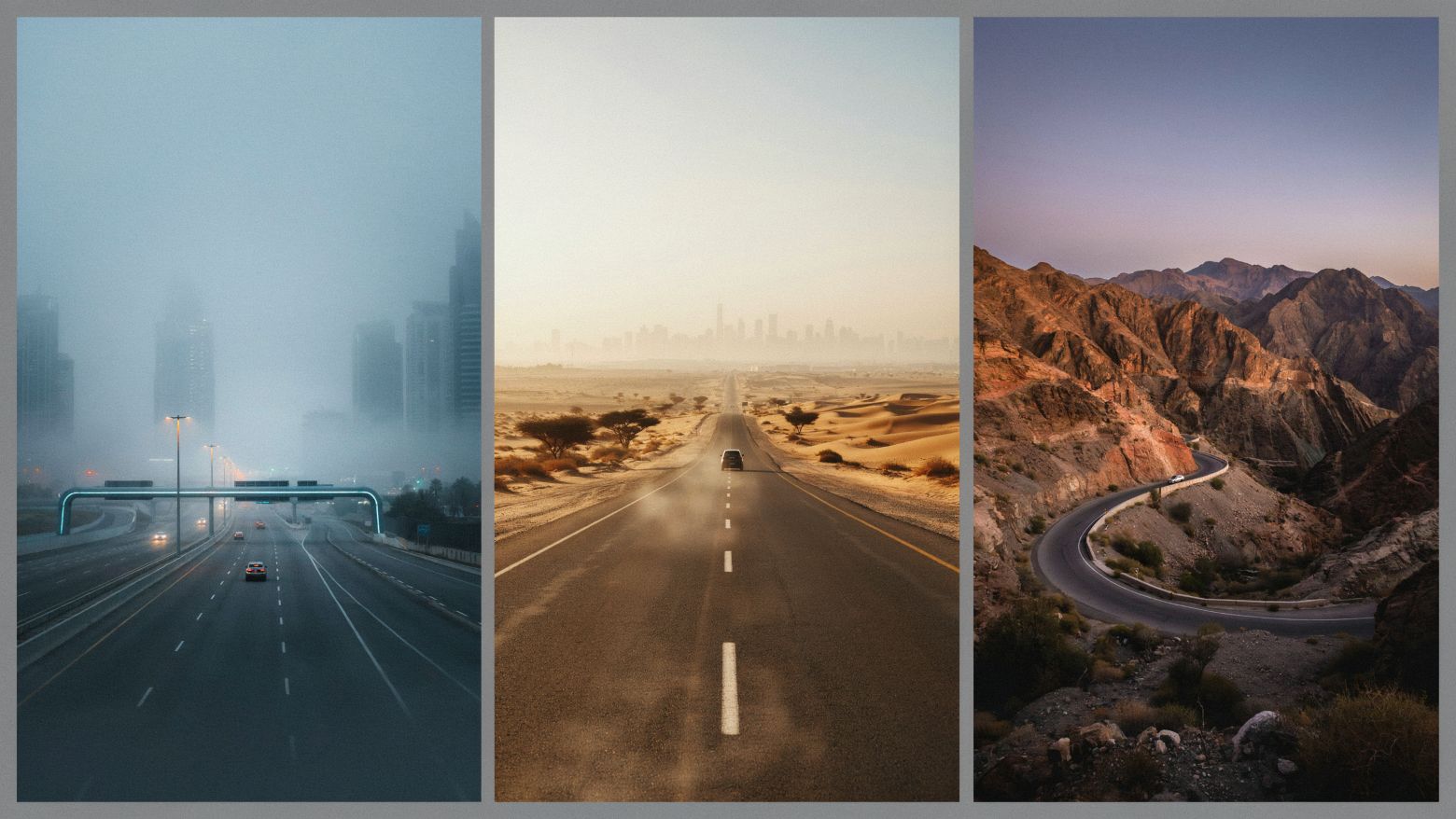
Official UAE road trip safety warnings are in effect across Dubai and Abu Dhabi following severe weather alerts. The National Centre of Meteorology issued red and yellow alerts on Wednesday morning. Dense fog reduced horizontal visibility below two hundred metres on key inter-emirate highways. Atmospheric conditions will remain unstable until Thursday morning across coastal and inland corridors. Maximum daytime temperatures reached forty-three degrees Celsius in Dubai and Sharjah. Abu Dhabi recorded maximum temperatures of forty-two degrees Celsius with eighty per cent relative humidity. Transport authorities urge all road users to adjust travel times to avoid dangerous driving conditions.
Dynamic Speed Limits Imposed on Key Arteries
Abu Dhabi Police activated dynamic speed reduction systems on critical transport corridors. Enforcement covers the Abu Dhabi to Al Ain Road and Sheikh Khalifa bin Zayed International Road. Standard speed limits dropped to eighty kilometres per hour during low visibility periods.
Advertisement
Advertisement
Automated speed radars recalibrate instantly when dynamic electronic gantries flash reduced limits. There is zero speed buffer margin during active weather warnings in Abu Dhabi. Drivers exceeding eighty kilometres per hour face immediate fines starting at four hundred dirhams. Fines scale up to three thousand dirhams depending on recorded vehicle speed. Heavy trucks and worker buses face total movement bans during heavy fog.
| Corridor Name | Route Code | Standard Limit | Fog Enforcement Limit | Radar Buffer Margin |
| Abu Dhabi–Dubai Highway | E11 | 140 km/h | 80 km/h | 0 km/h |
| Abu Dhabi–Al Ain Road | E22 | 160 km/h | 80 km/h | 0 km/h |
| Sheikh Khalifa bin Zayed Road | E12 | 120 km/h | 80 km/h | 0 km/h |
| Sweihan Road | E20 | 120 km/h | 80 km/h | 0 km/h |
Synoptic Weather Analysis and Thermal Variations
The National Centre of Meteorology confirmed a seasonal weather transition across the country. A weak surface low-pressure system interacts with an upper-air pressure extension. This pattern draws warm maritime air from the Arabian Gulf into inland areas. Radiative cooling during late hours causes thick fog to form across low-lying terrain. Coastal regions experience elevated relative humidity levels peaking at eighty per cent.
Advertisement
Advertisement
Eastern coastal areas like Fujairah record milder daytime highs between thirty-five and thirty-eight degrees. Inland desert zones endure extreme thermal heat reaching forty-three degrees Celsius. The Hajar Mountain range offers cooler microclimates ranging between twenty-one and thirty-three degrees.
                    DIURNAL WEATHER TRANSITION PATTERN

    00:00 - 09:00                   09:00 - 15:00                  15:00 - 22:00
┌──────────────────┐            ┌──────────────────┐            ┌──────────────────┐
│ Radiative Fog &  │            │ Rapid Heating    │            │ Mountain Breeze  │
│ High Moisture    │ ─────────> │ Extreme Humidity │ ─────────> │ Convective Clouds│
│  (Red Alerts)    │            │ (42°C – 43°C)    │            │ (21°C – 33°C)    │
└──────────────────┘            └──────────────────┘            └──────────────────┘
Road Trip Feasibility and Daily Travel Schedules
Long-distance highway travel remains feasible if motorists avoid high-risk time windows. Driving between five and nine in the morning presents severe visibility hazards. Morning transit involves reduced speed limits and heavy commuter traffic congestion. Midday travel between nine and half past three poses elevated vehicle thermal stress. High asphalt temperatures increase tire pressure and accelerate mechanical wear.
Advertisement
Advertisement
The optimal travel window opens from half past three until nine in the evening. Highways clear completely as afternoon temperatures fall and visibility improves. Travelers can reach high-altitude destinations safely during late afternoon hours.
| Time Window | Operational Hazard | Travel Feasibility Rating |
| 05:00 AM – 09:00 AM | Dense Fog & Dynamic 80 km/h Speed Limits | High Risk (Not Recommended) |
| 09:00 AM – 03:30 PM | Extreme Thermal Stress (43°C) & High Humidity | Moderate Risk (Caution Advised) |
| 03:30 PM – 09:00 PM | Clear Roads & Decreasing Temperatures | Optimal Window (Highly Recommended) |
| 09:00 PM – 05:00 AM | Re-accumulating Coastal Humidity & Mist | Moderate Hazard (Drive Carefully) |
Comprehensive Traffic Enforcement Protocols and Penalties
Abu Dhabi Police enforce strict rules to prevent multi-vehicle highway collisions. Dynamic speed limits apply on the E11 and E22 expressways. Sensors monitor visibility continuously to trigger automated speed limit adjustments. Moving vehicles must not use hazard lights during foggy conditions. Using hazard lights while driving incurs a five hundred dirham fine. Violators also receive four black points on their driving licence.
Advertisement
Advertisement
Hazard lights belong exclusively to stationary emergency vehicles parked off active lanes. Heavy transport operators violating fog bans receive one thousand dirham fines.
Prime Highway Corridors Subject to Speed Adjustments
Speed restrictions affect the Sweihan Road and Sheikh Tahnoun Bin Mohammed Al Nahyan Road. Nahil Road and secondary routes like Sheikh Salem bint Buti Road face controls. The Ahmed Khamis Al-Hamli Road also operates under variable speed rules. Motorists should check official police feeds before embarking on trips.
                  ABU DHABI POLICE RADAR AUTOMATION FLOW

   Visibility Drops Below 200m (Sensors Triggered)
                         │
                         ▼
   Electronic Overhead Gantries Display 80 km/h Limit
                         │
                         ▼
   Automated Radars Instantly Recalibrate to 81 km/h Trigger
                         │
                         ▼
   Violations Issued Automatically (AED 400 - AED 3,000 Fines)
Top Escapes and Mountain Road Destinations
Official tourism bodies recommend high-altitude locations for evening excursions. Ras Al Khaimah Tourism Development Authority highlights Jebel Jais as a prime destination.
Jebel Jais Peak Experience
Jebel Jais stands at one thousand nine hundred thirty-four metres above sea level. Mountain peak temperatures remain twelve degrees cooler than urban coastal areas. Access routes include the Sheikh Mohammed bin Zayed Road and Jebel Jais Mountain Road. Visitors can enjoy outdoor viewing decks and mountain dining venues.
Advertisement
Advertisement
Jebel Hafeet Cultural Heritage Drive
Department of Culture and Tourism Abu Dhabi promotes Jebel Hafeet in Al Ain. The mountain rises to one thousand two hundred forty-nine metres above sea level. An eleven-kilometre asphalt mountain pass features sixty curves across three lanes. Drivers should embark after midday fog clears to enjoy sunset views safely.
Coastal and Oasis Escapes
Sharjah Commerce and Tourism Development Authority recommends the scenic Khorfakkan Highway. The route features five mountain tunnels including the two-point-seven kilometre Al Sidra Tunnel. Dubai Economy and Tourism highlights Hatta Dam and Al Qudra Lakes. Al Qudra Lakes offer desert wildlife watching away from heavy morning highway fog.
| Destination | Altitude / Location | NCM Expected Temp | Primary Attraction |
| Jebel Jais | 1,934m (Ras Al Khaimah) | 21°C – 33°C | Mountain Views & Viewing Decks |
| Jebel Hafeet | 1,249m (Al Ain) | 24°C – 35°C | Scenic Pass & Historic Site |
| Khorfakkan | East Coast (Sharjah) | 32°C – 35°C | Coastal Promenade & Tunnels |
| Hatta Dam | Hajar Range (Dubai) | 26°C – 36°C | Kayaking & Reservoir Views |
| Al Qudra Lakes | Desert Reserve (Dubai) | 28°C – 39°C | Wildlife & Sunset Viewing |
Industry Impacts and Utility for International Travellers
This weather update provides vital practical utility for domestic and international holidaymakers. Tour operators can adjust excursion schedules to avoid hazardous early morning transit. Car rental agencies must brief international drivers on zero-buffer speed enforcement rules. Logistics companies benefit by re-routing freight vehicles outside official heavy transport restriction periods. Clear operational guidance protects visitor safety and prevents unexpected traffic fines.
Official Motorist Protocols and Driving Safety Rules
The Ministry of Interior and RTA outline clear directives for foggy weather. Drivers must activate low-beam headlights and low-mounted fog lights. High-beam lights reflect off moisture particles and reduce driver visibility. Maintain a minimum four-second following distance behind preceding vehicles. Avoid sudden lane changes and unnecessary overtaking on expressways. Inspect engine coolant, tire pressure, and brake systems before departing. If visibility drops under ten metres, pull completely off the roadway safely.
- Headlight Configuration: Use low-beam headlights only; avoid high beams.
- Hazard Light Rules: Keep hazard lights off while driving; use only when parked.
- Speed Compliance: Follow overhead gantries strictly; observe zero radar buffer.
- Spacing Standard: Keep a four-second gap behind vehicles ahead.
- Vehicle Readiness: Inspect tires and cooling systems to withstand forty-three degree heat.
Strategic Summary for Highway Travellers
Following official UAE road trip safety warnings guarantees secure and enjoyable travel. Adhering to dynamic speed limits keeps motorists safe from seasonal weather hazards. Shifting travel to late afternoon hours offers cooler temperatures and clear highways. Official government sources will publish updated bulletins as weather conditions evolve.
Advertisement
